Is Bacon Safe to Eat During Pregnancy? What You Actually Need to Know

April 3, 2026
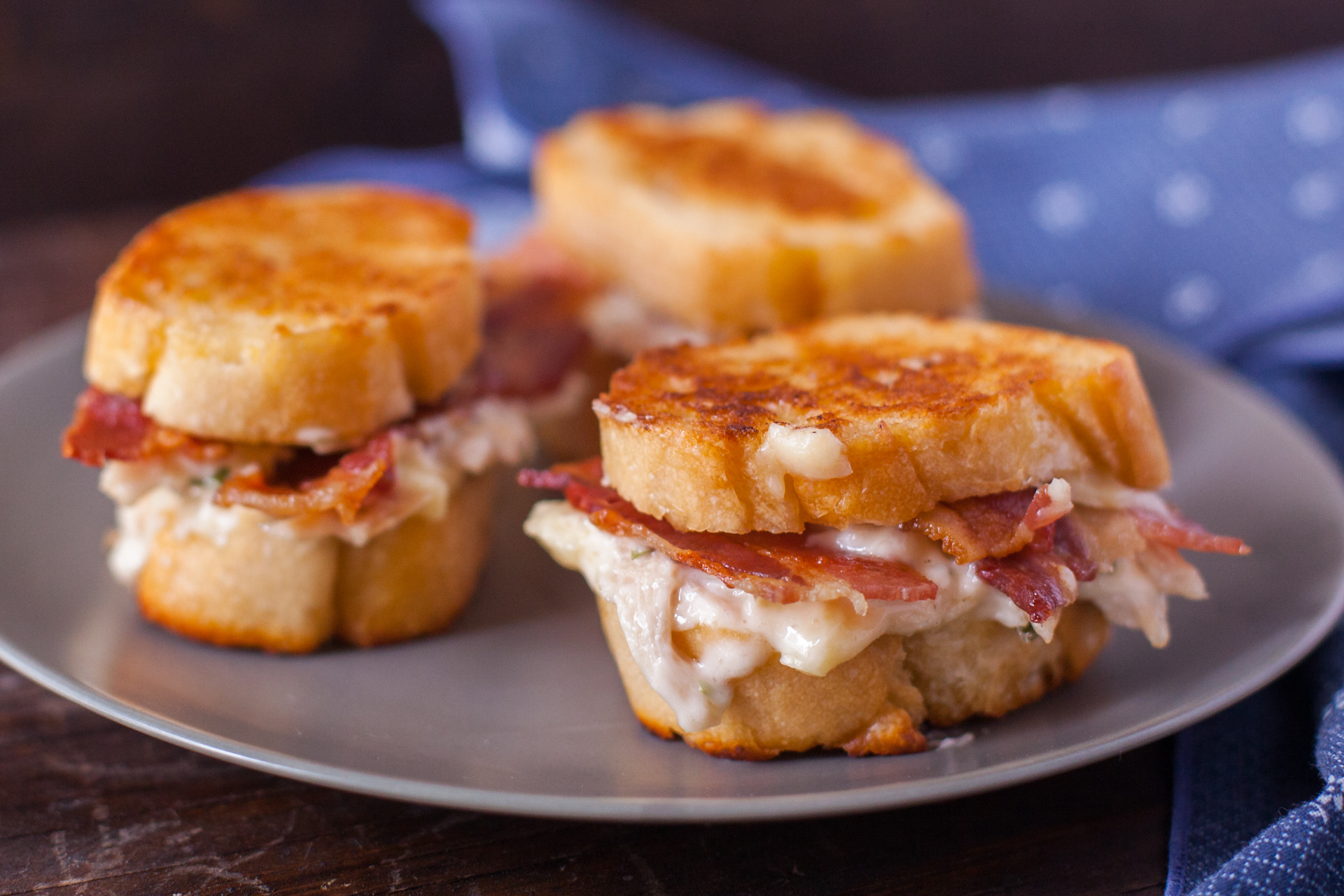
You’re pregnant, you’re craving bacon, and now you’re second-guessing every sizzle. That moment of hesitation is completely understandable — pregnancy comes with a long list of food rules, and it’s hard to know what’s genuinely risky versus what’s just overly cautious advice.
Here’s the good news: you can enjoy some bacon during your pregnancy. But like most things in pregnancy nutrition, the details matter. How it’s cooked, how much you eat, and what form it comes in all play a role in whether that strip of bacon is a safe treat or a potential concern.
This guide walks you through everything you need to know — the risks, the research, the safe prep methods, and the situations where you really should skip it. By the end, you’ll feel confident making the call yourself.
Important Note: This information is for educational purposes only and is not intended as medical advice. Always consult with a qualified healthcare professional before making health decisions during pregnancy.
The Short Answer
Yes, bacon is safe to eat during pregnancy as long as it is fully cooked. Like other processed meats, bacon can carry harmful bacteria, such as Listeria and Toxoplasma gondii, which can cause infections dangerous for both the mother and baby.
To reduce these risks, ensuring the bacon is thoroughly cooked to a crisp and steaming hot is crucial. That’s the single most important rule. Everything else — portion size, type of bacon, where you buy it — matters too, but thorough cooking is the non-negotiable foundation.
When it comes to consuming bacon during pregnancy, moderation is key. While bacon can be enjoyed as part of a balanced diet, it is important to be mindful of the quantity. Think of it as an occasional treat rather than a daily staple, and you’ll be on solid ground.
You can also explore our guide on foods and beverages to avoid during pregnancy for a broader picture of what to watch out for during these nine months.
Why It’s a Concern
Bacon isn’t banned during pregnancy, but it does come with a few legitimate concerns worth understanding. These aren’t reasons to panic — they’re reasons to be informed.
Bacterial Contamination Risk
During pregnancy, the immune system undergoes changes, making you more susceptible to foodborne illnesses. Listeria, for instance, is a bacterium that can be particularly harmful during pregnancy, potentially leading to complications like miscarriage or premature birth. Toxoplasma, another concern, is linked to toxoplasmosis, an infection that can affect the baby’s health.
To avoid contamination, don’t store your raw bacon near other food in the fridge, and keep it wrapped and isolated. The juices from raw bacon can house listeria as well, and that can contaminate other foods.
High Sodium and Saturated Fat
Bacon is high in saturated fat — excess saturated fat can raise cholesterol levels and contribute to complications like high blood pressure during pregnancy. High sodium intake can lead to water retention and increased blood pressure, both of which are concerns for pregnant women.
Nitrates and Nitrites
Bacon is a processed meat. This kind of meat is processed or preserved by adding chemicals called nitrates and nitrites. The mix of chemicals gives bacon a bright red color. Without them, it would naturally turn a shade of brown. Medical research shows that a build-up of nitrates in your body during pregnancy from a combination of dietary nitrates and nitrosatable drugs is linked to a higher risk of delivering your baby too early.
Nitrites and nitrates may cause methemoglobinemia, a blood disorder in which hemoglobin can carry oxygen but is unable to release it effectively to body tissues. It is also known that nitrites cross the placenta in pregnancy, causing methemoglobin formation in fetuses. This is why moderation matters — occasional consumption at safe amounts is very different from daily high-volume intake.
Key Insight: “Nitrate-free” bacon labels can be misleading. “Nitrate-free” ham or bacon will likely have nitrates from celery powder or beet powder and may actually contain more nitrates than conventional lunch meat. Focus on moderation regardless of the label.
What the Research Actually Says
The science on bacon and pregnancy is nuanced — it’s not a blanket danger, but it’s also not something to eat without thought. Here’s what the evidence tells us.
Fat and Fetal Development
Not all the news about bacon’s fat content is bad. While fat — especially saturated fat — has gotten a bad reputation in recent decades, the most up-to-date studies show that a moderate amount of saturated fat is part of a healthy diet. Fat is an essential nutrient whether you’re pregnant or not. It helps us absorb and use other nutrients like vitamins. Your body needs all kinds of fat from food to develop and nourish your baby.
In fact, a 2016 study showed that sufficient saturated fat intake is linked to increased baby birth weight, decreasing the risk of babies born small for their gestational age. That said, the key word is “sufficient” — not excessive. You can also read about heart-healthy superfoods that provide beneficial fats without the downsides of processed meats.
Processed Meat and Pregnancy Outcomes
Consuming processed meats during pregnancy may increase the risk of several complications. High intake of processed meats has been associated with an increased risk of miscarriage. Some studies suggest that consuming processed meats during pregnancy can raise the risk of preterm birth.
The emphasis in these findings is on *high intake*. The presence of nitrates in bacon is a complex issue, with both preservative benefits and potential health risks. Moderate consumption of bacon as part of a balanced diet is unlikely to cause significant harm. This is consistent with what most health organizations recommend: limit processed meats, but an occasional serving is not cause for alarm.
Nitrates: Natural vs. Added
Processed meat is not the primary source of sodium nitrite — nitrate or the conversion of nitrate in vegetables contributes to generating more than 70% of sodium nitrite or nitrate-containing compounds in the body. In other words, vegetables like spinach and beets actually deliver more nitrates to your system than a few slices of bacon. The difference lies in the form and the accompanying nutrients. For more on how whole plant-based foods interact with your body differently than processed options, it’s worth understanding the full nutritional picture.
Many pregnant women worry about nitrates in cured meats like bacon. At present, there are no scientific recommendations for pregnant women to avoid nitrates, unless you’re particularly sensitive to them. That doesn’t mean unlimited intake is fine — it means the risk is dose-dependent and manageable with sensible portions.
Pro Tip: While choosing pork bacon, look for slices with long veins of lean pink meat and low-fat content. You should also look for bacon brands that are labeled as organic or free from nitrites or preservatives.
How to Eat Bacon Safely During Pregnancy
Good news: eating bacon safely during pregnancy isn’t complicated. It comes down to four core practices — and once you have these down, you can enjoy it without stress.
1. Cook It Thoroughly Every Single Time
Cooking bacon thoroughly until it’s hot and crispy kills potentially harmful bacteria like Listeria and Toxoplasma gondii. These bacteria can cause foodborne illnesses, which pose higher risks during pregnancy. Ensuring your bacon is fully cooked helps to eliminate these potential threats, making it safer for you and your developing baby.
For a really even cook, consider baking your bacon. Preheat your oven to 350–400°F (177–204°C), place your bacon on a cooking sheet with foil, and bake for around 15–20 minutes. You’re aiming for an internal meat temperature of at least 165°F (74°C). This will give your bacon a safe, even cook without it getting overly crispy or burnt.
Common Mistake: While thick, juicy bacon might be your preferred style, it’s a good idea to eat crispy bacon instead. A chewier piece could have some undercooked parts and that can be dangerous.
2. Keep Portions Small and Infrequent
During pregnancy, it’s advisable to consume bacon in moderation, ideally a few slices per week. Think of bacon as a flavor accent — a few strips alongside eggs and toast — rather than the main event of every meal. While bacon can be enjoyed during pregnancy, moderation is key due to its high levels of saturated fat and sodium. Excessive consumption of these can lead to health issues, such as elevated blood pressure and water retention.
3. Handle and Store It Properly
- Keep your bacon refrigerated (to 40°F) for no longer than 7 days, and frozen (to 0°F) for no longer than 30 days before eating.
- Be sure to wash your hands, utensils, and any surfaces that come in contact with raw meat during its preparation.
- If you are reheating bacon, make sure to get its internal temperature up high again, as bacteria could grow on it while in the refrigerator.
- Never put hot bacon directly in the fridge — let it cool briefly first, then wrap and refrigerate promptly.
4. Be Cautious When Eating Out
Avoid ordering bacon at a restaurant because you don’t know how well it’s cooked. If you do order it, ask specifically for well-done, crispy bacon — and don’t hesitate to send it back if it looks underdone. When eating out or ordering bacon dishes at restaurants, make sure to ask for well-cooked bacon.
Trimester-by-Trimester Notes
| Trimester | Bacon Safety Notes |
|---|---|
| First Trimester | You can eat bacon during the first trimester. Ensure it’s cooked thoroughly to kill any harmful bacteria. Choose low-sodium options and eat in moderation to manage sodium intake, which is important for maintaining healthy blood pressure during pregnancy. |
| Second Trimester | Eating bacon in the second trimester is safe if it’s cooked well. Pay attention to portion sizes to avoid excessive salt and fat. |
| Third Trimester | The same rules apply. Blood pressure monitoring becomes more important later in pregnancy, so keeping sodium in check — including from bacon — is especially worthwhile. Always cook to steaming hot. |
For a broader look at nutrients that support your pregnancy, check out this overview of brain-supporting foods — many of which are excellent complements to a balanced pregnancy diet.
When to Avoid It Completely
While bacon is generally safe with proper preparation, there are specific situations where skipping it is the smarter choice.
- Raw or undercooked bacon: Undercooked or raw bacon should be avoided due to the risks of these infections, which can lead to severe complications. No exceptions — this applies to all trimesters.
- Cold bacon straight from the fridge: Cold bacon should be treated like deli meat, because it also falls under this classification. It’s cold, cooked meat that is often pre-sliced, just like bologna, ham, or other deli items. This means that pregnant women should avoid bacon that is cold, and eat it heated up until steaming hot instead.
- Bacon from unknown sources: Always buy bacon from trusted sources with labels and cook it thoroughly before eating. Avoid gas station or deli counter bacon where preparation standards are unclear.
- If you have high blood pressure or preeclampsia risk: The high sodium content in bacon can worsen these conditions. Talk to your doctor or midwife before including it in your diet.
- If you’ve been specifically advised to limit processed meats: Some healthcare providers recommend avoiding processed meats entirely based on individual health factors. Always follow your provider’s personalized guidance. You can also review this detailed list of foods and beverages to avoid during pregnancy for additional context.
Important Note: It’s generally recommended to avoid consuming cold bacon during pregnancy. Cold deli meats, including bacon, have a higher risk of containing harmful bacteria such as Listeria, which can pose a threat to the health of both the mother and the baby. It’s safer to heat bacon thoroughly until steaming hot to reduce the risk of foodborne illnesses.
Quick Reference Chart
| Bacon Type / Situation | Status | Notes |
|---|---|---|
| Fully cooked, crispy pork bacon | ✅ Safe | Cook to steaming hot; 165°F internal temp |
| Turkey bacon (fully cooked) | ✅ Safe | Even though turkey bacon is a lower-fat option, it can still contain added sodium and preservatives, so it’s best to consume it in moderation. Be sure to cook turkey bacon to the same safety standards as pork bacon. |
| Canadian bacon (fully cooked) | ✅ Safe | Canadian bacon, also known as back bacon, is a type of lean and thinly sliced pork meat that is generally considered safe during pregnancy when cooked properly. |
| Uncured / “nitrate-free” bacon (fully cooked) | ✅ Safe (with caution) | Still needs thorough cooking; may still contain natural nitrates |
| Bacon a few times per week (2–3 slices) | ✅ Safe | Moderate, occasional consumption is the target |
| Cold bacon from the fridge | ⚠️ Caution | Reheat to steaming hot before eating |
| Bacon ordered at a restaurant | ⚠️ Caution | Request well-done; verify it’s fully cooked before eating |
| Daily bacon consumption | ⚠️ Caution | High sodium and nitrate exposure; not recommended during pregnancy |
| Raw or undercooked bacon | ❌ Avoid | Risk of Listeria and Toxoplasma — dangerous for baby |
| Bacon if you have high blood pressure / preeclampsia | ❌ Avoid or consult doctor | High sodium worsens blood pressure issues |
For more guidance on pregnancy-safe eating and foods that support your overall health during this time, explore our resources on fibroid-healing foods and powerful nutrients that fight cancer — particularly relevant given the research on processed meat and long-term health. You might also enjoy learning about the pros and cons of eating seafood as a lean protein alternative during pregnancy.
Frequently Asked Questions
Can I eat bacon in the first trimester?
Yes, as long as it’s cooked thoroughly. The first trimester is when many women experience the most food aversions and nausea, but if bacon sounds appealing, a few well-cooked slices are fine. Just keep portions small and choose lower-sodium options where possible.
What happens if I accidentally ate undercooked bacon while pregnant?
If you think you’ve accidentally eaten uncooked or undercooked meat during your pregnancy, tell your doctor right away. If you’ve eaten raw or undercooked bacon or any meat, look out for these symptoms. These symptoms often feel like pregnancy symptoms, so it’s best to call your doctor to be sure. Common signs of foodborne illness include fever, muscle aches, nausea, and diarrhea. Don’t wait to see if symptoms develop — contact your provider promptly.
Is turkey bacon safer than pork bacon during pregnancy?
Turkey bacon is a popular substitute because it contains less fat and calories than traditional bacon. However, turkey bacon is still considered processed meat. It carries the same cooking requirements — it must be thoroughly cooked to steaming hot. It’s a slightly leaner option, but it’s not a free pass to eat unlimited amounts.
Can I eat BLT sandwiches while pregnant?
Because BLT sandwiches are often made with cold bacon, the safest approach is to make them at home rather than buying them. Sandwich bars and delis have a slightly higher risk of bacterial contamination. If ordering a BLT or cold bacon in a sandwich, ask for the bacon to be heated up until steaming hot.
How much bacon can I eat per week while pregnant?
Most sources suggest a few slices (2–3) as part of a meal, a couple of times per week at most. Bacon can be enjoyed occasionally, but it is advisable to limit intake due to its high salt and fat content. Balancing bacon with other nutrient-dense foods is a good way to manage portion control. Your overall diet should be rich in whole plant-based foods and lean proteins, with bacon playing a supporting role rather than a starring one.
Does bacon have any nutritional benefits during pregnancy?
Bacon is low in carbohydrates and rich in protein, and provides essential minerals like phosphorus and selenium that support bone health. It also offers a source of B vitamins which aid in energy production. Bacon also contains choline, a vital nutrient that supports fetal brain development and helps prevent certain neural tube defects. These benefits are real — but they don’t outweigh the need for moderation, since you can get these same nutrients from many other foods without the added sodium and nitrates. You can learn more about nutrient-dense foods that round out a pregnancy diet beautifully.
Is bacon considered a deli meat during pregnancy?
Bacon is safe for pregnant women to eat if it’s fully cooked or heated until hot. Pregnant women should avoid cold bacon. This is the case whether bacon is uncured, smoked, or made from other ingredients like turkey. When cold and pre-sliced, bacon behaves like a deli meat and carries the same risks — always heat it until steaming before eating.