Can You Eat Sardines While Pregnant? Yes — Here’s How to Do It Right

April 24, 2026
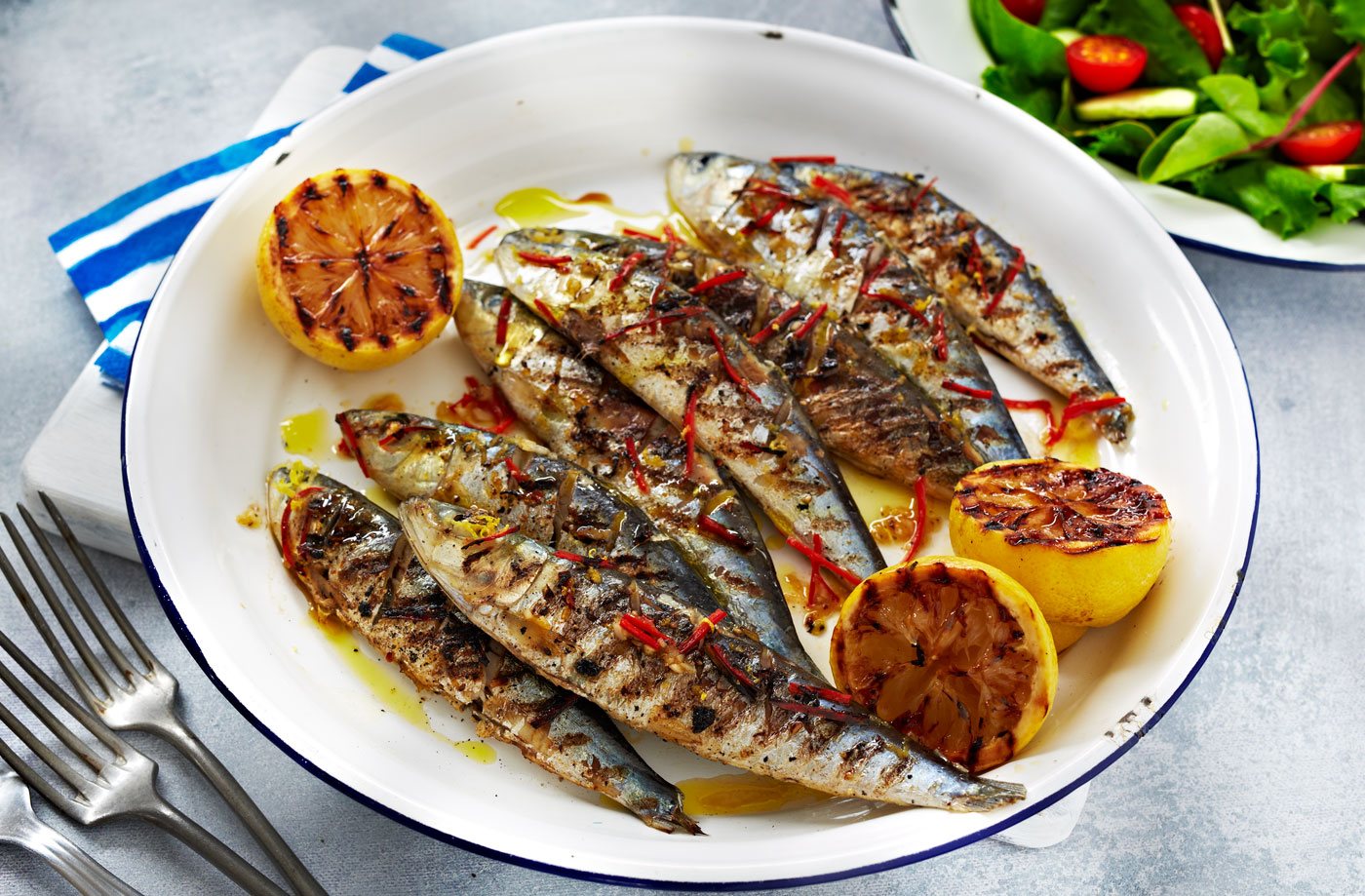
If you’ve been eyeing that tin of sardines and second-guessing yourself, you can breathe easy. Sardines are one of the safest, most nutrient-dense fish you can eat during pregnancy — and most health authorities actively encourage them.
The confusion usually comes from a blanket fear of fish during pregnancy, driven by mercury concerns. But not all fish are created equal, and sardines sit firmly in the “go ahead” category. Not only are sardines reasonably safe during pregnancy, but they’re actually a very healthy choice if you’re expecting. This guide walks you through exactly why, how much to eat, and the few situations where you’d want to hold off.
Pro Tip: Sardines are one of the most common pregnancy cravings — so if you suddenly find yourself reaching for a tin, trust your instincts. Your body may be signaling a need for omega-3s, calcium, or protein.
The Short Answer
Sardines are a low-risk fish to eat during any trimester and are loaded with nutritional benefits for you and your growing baby. You don’t need to avoid them, limit them drastically, or stress about the occasional serving.
The Food and Drug Administration (FDA), the Environmental Protection Agency (EPA), and the Dietary Guidelines for Americans recommend that, in a week, pregnant people eat at least 8 ounces and up to 12 ounces of a variety of seafood lower in mercury. Sardines fit squarely within that recommendation. The US Environmental Protection Agency places sardines among their “Best Choices” for eating during pregnancy and while breastfeeding.
The short version: yes, eat them — cooked or canned, 2–3 times per week, within the standard 8–12 oz weekly seafood guideline. Keep reading for the details that actually matter.
Why It’s Safe
The main reason pregnant women are told to be cautious with fish is mercury — a heavy metal that can harm a baby’s developing brain and nervous system. But sardines are one of the lowest-mercury fish you can find, and that’s the key distinction.
Opting for smaller and younger fish, such as sardines, can be safer, as they get comparatively less time to accumulate mercury in their tissues. Sardines eat mainly plankton and do not have high levels of mercury. Contrast that with large predatory fish like shark, swordfish, or king mackerel, which feed on other fish and accumulate mercury over long lifespans.
The Environmental Protection Agency (EPA) and the 2015–2020 Dietary Guidelines for Americans also recommend between 8 and 12 ounces of low mercury seafood per week, and give all sardine types the “low” mercury rating.
Key Insight: Mercury levels in fish are directly tied to size and diet. Because sardines are small, short-lived, and feed on plankton rather than other fish, they stay at the very low end of the mercury spectrum — making them one of the safest seafood choices available to pregnant women.
Beyond mercury safety, sardines bring a genuinely impressive nutrient profile to the table. Sardines are packed with protein, omega-3 fatty acids (particularly DHA and EPA), calcium, iron, vitamin D, and B vitamins. These nutrients play crucial roles in fetal development, bone health, immune function, and overall well-being during pregnancy.
The calcium benefit is especially worth noting. Calcium is crucial during pregnancy as it builds your baby’s bones and teeth, regulates their heart rate, and ensures proper blood clotting. To make the most of sardines’ calcium benefits, be sure to eat the bones, as this is where most of the calcium is concentrated. In canned sardines, the bones are soft and completely edible — you won’t even notice them.
You can learn more about the pros and cons of eating seafood generally, and how sardines stack up against other options in your diet.
What the Research Actually Says
The science on sardines during pregnancy is reassuring — and it goes beyond just “they’re low in mercury.” Researchers have actively studied the impact of sardine consumption on fetal development, and the findings are consistently positive.
Omega-3 fatty acids are recognized as important nutrients for fetal development, according to the American College of Obstetricians and Gynecologists (ACOG). DHA is a structural component of the brain and eyes, and while plant sources provide ALA, seafood delivers pre-formed EPA and DHA. That distinction matters — your body has to convert plant-based ALA into usable DHA, and that conversion is inefficient. Fish like sardines deliver it ready to use.
A published study in PubMed examined exactly this question: researchers investigated whether omega-3 fatty acids from fish in the diets of pregnant women would influence the concentration of DHA in the newborn human infant, enrolling 15 healthy pregnant women to receive a 9-week dietary supplementation of omega-3 fatty acids from the 26th to the 35th week of pregnancy. The supplementation consisted of sardines and additional fish oil, which provided a total of 2.6 g of omega-3 fatty acids per day, including 1.01 g DHA. The results confirmed that maternal sardine consumption directly elevated DHA levels in newborns.
Research from the National Institute of Child Health and Human Development shows that children whose mothers consumed adequate omega-3s demonstrated better problem-solving abilities and enhanced visual recognition memory.
Omega-3 has also been linked with a reduced risk for premature birth, and even after birth, children whose mothers consumed omega-3 had higher mental processing scores than those who took cod liver oil supplements.
Key Insight: The research doesn’t just say sardines are “safe” — it suggests they actively support your baby’s brain and eye development in ways that are hard to replicate with supplements alone.
Several studies have concluded that the low level of mercury found in sardines is of low risk to consumers, including pregnant women who were previously advised to avoid fish during pregnancy because of possible contaminants, and that the benefits of the vitamins and minerals found in sardines outweigh the potential negative impact of trace pollutants.
For more on how specific foods support brain health and function, including the role omega-3s play, you’ll find the overlap with pregnancy nutrition significant.
How to Do It Safely
Sardines get a green light — but how you eat them, how much you eat, and what form you choose all matter. Here’s your practical guide, broken down by what actually makes a difference.
Safe Amounts by Trimester
First Trimester: In the first trimester, many women are concerned about miscarriage, and understandably want to be extra mindful of what they’re eating. On the other hand, sardines are low-risk fish that can be consumed throughout pregnancy. Morning sickness may make the smell unappealing — that’s normal. When you can tolerate them, they’re safe. It’s important to eat 70 to 100 grams of protein per day to keep both you and your baby strong. Sardines are a complete protein and an efficient way to hit that target even when appetite is low.
Second Trimester: Sardines are safe to eat in the second trimester. They offer important nutrients like protein, iron, and iodine, all of which support your baby’s growth. Eating sardines can help maintain your energy levels and contribute to healthy blood pressure.
Third Trimester: Sardines are beneficial in the third trimester. They supply essential nutrients like DHA, promoting your baby’s brain and eye development. Sardines also provide B vitamins, which are vital for reducing fatigue. They can be incorporated into the diet at any stage of pregnancy, but are particularly beneficial in the third trimester when nutrient needs are higher.
How Much to Eat Per Week
Pregnancy and breastfeeding: 1 serving is 4 ounces. Eat 2 to 3 servings a week from the “Best Choices” list. Sardines are on that Best Choices list. That means you can comfortably eat 8–12 ounces of sardines per week — roughly 2–3 standard cans — without any concerns.
- One serving = approximately 4 oz (one small can, drained)
- Weekly target = 2–3 servings (8–12 oz total across all low-mercury seafood)
- Variety matters — don’t rely on sardines alone; rotate with salmon, shrimp, or trout
Best Preparation Methods
Overall, canned fish, including sardines, are safe during pregnancy as the canning process heats foods at a certain temperature to make the fish “commercially sterile.” This means your standard tin of sardines is already cooked and safe straight from the can.
If you’re cooking fresh sardines, fish should have a minimum internal temperature of 145°F (62.8°C) before consumption, according to the USDA.
For canned options, here’s how the packing liquid affects your choice:
- Sardines in water or spring water — lowest sodium and calories; best if you’re watching salt intake
- Sardines in olive oil — olive oil is a great source of omega-3 and vitamins E, A, and K, so it boosts the existing nutrition content of the sardines
- Sardines in brine — safe, but higher in sodium; rinse before eating if needed
- Sardines in tomato or spicy sauce — check labels for added sugar and sodium; generally fine in moderation
Pro Tip: If the smell of sardines is triggering nausea (especially in the first trimester), try mixing them cold into a pasta salad or mashing them onto whole grain crackers with a squeeze of lemon. The lemon cuts through the fishy aroma considerably.
Smoked Sardines
Canned smoked sardines should be a safe choice so long as the fish is not raw, as smoked sardines are almost always hot smoked. Hot smoked means that the food is cooked and smoked at the same time, whereas cold-smoked foods are smoked at a lower temperature. Cold smoked sardines will need to be cooked thoroughly before consumption. When in doubt, check the label or the brand’s website.
Preparations to Avoid
Raw sardines should be avoided during pregnancy. In sushi, sardine is called Iwashi and should be avoided as it’s either prepared raw or raw and marinated — neither of which is cooked.
The other preparation to avoid is sardine spread or pâté — unless it’s homemade. This is due to the risk of listeria in pre-prepared fish spreads or pastes.
You may also want to explore other foods and beverages to avoid during pregnancy for a broader picture of what to keep off your plate.
Meal Ideas
Not sure how to actually eat them? Here are easy, pregnancy-friendly ways to work sardines into your week:
- Mashed onto whole grain toast with avocado and lemon
- Tossed into a leafy green salad with cherry tomatoes and olive oil
- Stirred into whole wheat pasta with garlic and fresh herbs
- Eaten straight from the can with crackers as a quick snack
- Mixed into a grain bowl with roasted vegetables and tahini
When to Avoid It Completely
Sardines are safe for most pregnant women, but there are specific situations where you should skip them entirely or speak with your doctor first.
Known Fish Allergy
Some people are allergic to fish, including sardines. They can cause food allergy or skin reactions. If you are allergic to sardines, you could have symptoms including swelling, redness, and anaphylaxis. If you generally have a seafood allergy or are allergic to sardines, their consumption must be avoided during pregnancy. This is non-negotiable — pregnancy is not the time to test a suspected allergy.
Gout or High Uric Acid
If you have gout or a history of uric acid issues, sardines are a high-purine food and may flare symptoms. Because sardines contain purines, which break down into uric acid, they aren’t a good choice for those at risk of kidney stone formation. Talk to your OB or midwife about alternative omega-3 sources if this applies to you.
Severe Acid Reflux or Heartburn
If reflux is rough, rich oil-packed tins can trigger heartburn, especially late in pregnancy. If you’re dealing with significant third-trimester heartburn, opt for sardines packed in water rather than oil, and eat smaller portions alongside alkaline foods like leafy greens or whole grains.
High Blood Pressure (Sodium Concern)
Canned sardines often have high sodium, which may contribute to increased blood pressure. One can has about 282 milligrams of sodium, which is roughly 12% of the daily recommended value. If you’ve been diagnosed with pregnancy-related hypertension or preeclampsia, choose low-sodium or no-salt-added sardines, and rinse them before eating to reduce sodium further.
Important Note: If you’re unsure whether sardines fit your specific health situation during pregnancy, always check with your OB-GYN or a registered dietitian. Most healthy pregnancies have no reason to avoid them — but your provider knows your full picture.
For a broader look at powerful nutrients and foods that support overall health, sardines’ omega-3 content is relevant there too — their anti-inflammatory properties extend well beyond pregnancy benefits.
Quick Reference Chart
| Sardine Type / Situation | Status | Notes |
|---|---|---|
| Canned sardines (in water, oil, or brine) | ✅ Safe | Already cooked during canning; choose low-sodium when possible |
| Fresh cooked sardines (grilled, baked, broiled) | ✅ Safe | Must reach internal temp of 145°F (62.8°C) |
| Hot smoked sardines (canned or packaged) | ✅ Safe | Hot smoked = fully cooked; check label to confirm |
| Sardines in olive oil | ✅ Safe | Added omega-3 and vitamin benefit from the oil |
| Sardines in tomato/spicy sauce | ✅ Safe (check label) | Watch for added sugar and sodium in the sauce |
| Cold smoked sardines (not fully cooked) | ⚠️ With Caution | Must be cooked thoroughly before eating |
| Sardines in brine (high sodium) | ⚠️ With Caution | Rinse before eating; avoid if managing blood pressure |
| Raw sardines / Iwashi sushi | ❌ Avoid | Risk of bacteria, parasites, and foodborne illness |
| Pre-packaged sardine pâté or spread | ❌ Avoid | Listeria risk in pre-prepared fish pastes |
| More than 12 oz of sardines per week | ❌ Avoid | Exceeds FDA weekly seafood guideline for pregnancy |
| If you have a fish allergy | ❌ Avoid | Risk of anaphylaxis; no exceptions during pregnancy |
| If you have gout or high uric acid | ❌ Avoid or limit | High purine content can trigger flares; consult your doctor |
Sardines pair well with other heart-healthy superfoods — their omega-3 profile is one of the strongest among all common fish. And for those interested in how whole plant-based foods can complement a pregnancy diet, combining sardines with leafy greens and legumes creates a nutritional powerhouse for both you and your baby.
Frequently Asked Questions
Can I eat canned sardines every day during pregnancy?
Technically, sardines are safe enough that daily consumption doesn’t create mercury concerns. However, it’s better to vary the fish you eat, rather than stick to sardines every day. Aim for 2–3 servings per week as part of a varied seafood rotation. Daily eating also means more sodium accumulation from canned varieties, so mix in other low-mercury fish like salmon or shrimp.
Are sardines safe in the first trimester?
Yes. Sardines are a low-risk fish to eat during any trimester and are loaded with nutritional benefits for you and your growing baby. Morning sickness may make them less appealing early on, but there’s no trimester-specific restriction. If you can tolerate them, they’re a smart protein and omega-3 source right from week one.
What about the bones in canned sardines — are they safe to eat?
Yes, and you should eat them. Canned sardines have another advantage — you can eat the bones. This provides calcium and phosphorus needed to keep bones strong. The canning process softens the bones completely. They won’t hurt you, and they significantly increase the calcium content of each serving.
Is the mercury in sardines really low enough for pregnancy?
One myth is that sardines contain too much mercury for pregnant women. In reality, sardines have low mercury levels and are safe. Fish with mercury levels below 0.1 ppm are considered low mercury, and above 0.3 ppm is considered high. Sardines fall well within the low category, which is why both the FDA and EPA list them as a “Best Choice” for pregnant women.
Can I eat sardines if I’m managing gestational diabetes?
As sardines are a variety of fatty fish rich in EPA and DHA, they are an excellent nutrient-dense food choice to keep gestational diabetes at bay. The most crucial part of maintaining a stable blood glucose level is following a balanced diet with more fibre and protein-rich options. Eating sardines can help in feeling fuller due to their fatty nature and protein content, and hence control sugar and carbohydrate intake. That said, always align your diet choices with your diabetes care team.
What if I don’t like the taste of sardines?
You’re not alone — sardines are polarizing. Many women, especially in the first trimester, go off the taste and smell of oily fish, so it’s worth mixing canned sardines into a tomato and vegetable sauce. Other options: mash them into avocado toast where the flavor gets absorbed, blend them into a pasta sauce, or try sardines packed in tomato sauce which have a milder, less “fishy” taste. If you truly can’t stomach them, salmon and shrimp are excellent low-mercury alternatives. You can also explore foods that promote healthy eyesight — many of the same DHA-rich options that benefit your baby’s eye development are interchangeable with sardines in a pregnancy diet.
Do sardines help with pregnancy-related depression or mood?
There’s promising evidence here. A study found that eating a lot of fish may help protect against depression. One potential reason given by the researchers was that fatty acids found in fish may be important in various aspects of brain activity. The essential fatty acids in sardines don’t just benefit your baby — they also support your cognitive function and emotional well-being during pregnancy, which can lead to a more positive and balanced state of mind.
For a complete picture of what to keep out of your diet alongside what to include, see the full guide on foods and beverages to avoid during pregnancy. And for support around fibroid-healing foods and related reproductive nutrition, the anti-inflammatory benefits of sardines’ omega-3s are relevant there as well.
Pro Tip: Keep a few cans of low-sodium sardines in your pantry as a quick, no-cook protein option for days when cooking feels impossible. A tin on crackers with a squeeze of lemon takes less than two minutes and delivers protein, omega-3s, calcium, and vitamin D in one shot.
This information is for educational purposes only and is not intended as medical advice. Always consult with a qualified healthcare professional before making health decisions during pregnancy.