Can You Eat Crab While Pregnant? What Doctors and the FDA Actually Say

April 24, 2026
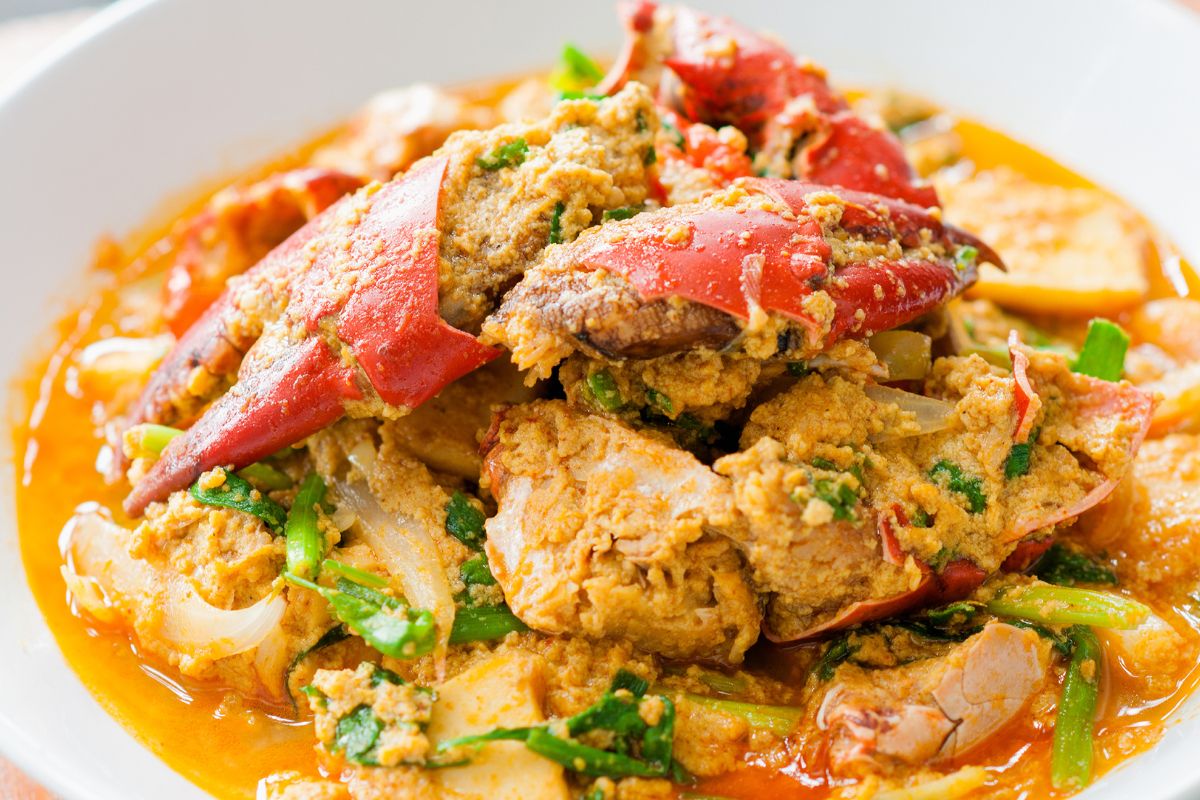
Pregnancy cravings don’t always cooperate with the “safe foods” list — and if you’re eyeing a plate of crab legs or a crab cake right now, you’re not alone. Crab is one of the most common seafood questions expecting mothers ask their doctors.
The confusion is understandable. You’ve probably heard that you need to avoid certain seafood during pregnancy, and it’s hard to know exactly where crab falls. This article gives you a clear, research-backed answer — no vague “ask your doctor” non-answers — so you can eat with confidence.
The Short Answer
Yes, you can eat crab while pregnant. The good news is that crab is safe to eat during pregnancy when it’s fully cooked. That one condition — fully cooked — is the key that unlocks the whole answer.
According to the U.S. Food and Drug Administration (FDA) and Environmental Protection Agency (EPA), cooked crab is one of the best seafood choices to eat while pregnant. It’s not just tolerated — it’s actively recommended as part of a healthy prenatal diet.
Pro Tip: Crab ranks #8 on the FDA’s list of the top 10 most consumed seafoods in the U.S. — and all of them are considered safe and healthy during pregnancy when properly prepared.
Why It’s Safe
The two biggest concerns with seafood during pregnancy are mercury levels and the risk of foodborne illness. Crab does well on both counts — when handled correctly.
Both crab meat and crab legs are classified as low-mercury seafood, making them a safer option compared to high-mercury fish like swordfish or king mackerel. Mercury is a neurotoxin that can affect fetal brain development, so sticking to low-mercury seafood is key during pregnancy.
Crab meat is high in protein with high levels of omega-3 fatty acids, vitamin B12, and selenium — all nutrients that actively support your baby’s growth and your own health throughout pregnancy. Crab legs are also a great source of lean protein, omega-3 fatty acids, and essential vitamins and minerals like vitamin B12, zinc, and iodine, all of which support a healthy pregnancy.
Beyond the nutritional profile, crabs also contain folate, an essential vitamin you should include in your maternal diet. Folate and its synthetic form, folic acid, help prevent neural tube defects such as spina bifida and anencephaly, which are the most common types.
Key Insight: Crab’s combination of low mercury, high protein, omega-3s, folate, and B12 makes it one of the more nutritionally valuable proteins you can eat during pregnancy — not just a food you’re “allowed” to have.
You can also explore other pros and cons of eating seafood to get a fuller picture of how shellfish fits into a healthy diet.
What the Research Actually Says
Science has come a long way on the seafood-during-pregnancy question, and the consensus is firmly in favor of eating it — not avoiding it.
Most pregnant women in the U.S. do not eat enough seafood, eating less than 2 ounces per week. In 2017, the FDA released advice urging pregnant women, breastfeeding moms, and young children to consume more fish and seafood, including salmon, canned tuna, shrimp, tilapia, and crab.
Several studies have shown that the benefits of eating seafood low in mercury while pregnant outweigh the risks. In one study, women who ate less omega-3 fatty acids from seafood had a higher chance of becoming depressed during pregnancy and postpartum. This study concluded that eating seafood during pregnancy could improve pregnant women’s mental health.
Moms-to-be who eat seafood 2–3 times each week during pregnancy have babies who reach developmental and cognitive milestones more quickly. That’s a meaningful finding — not just a minor benefit.
One study published in The Lancet found no negative effects for pregnant women in the Seychelles who ate more than 12 ounces of seafood each week. In fact, the women in the study ate up to 10 times more fish than the average American. The study noted that these women ate a wide variety of ocean life.
Early pregnancy is a crucial time for the omega-3 fatty acids found in fish. Current research shows that eating fish during pregnancy may actually help reduce the risk of allergies and asthma in children.
For a broader look at how powerful nutrients from food support your body and your baby, check out this guide to powerful nutrients and foods worth knowing about.
How to Eat Crab Safely During Pregnancy
Crab is safe — but your preparation and portion habits matter. Here’s exactly what to do and what to watch for.
Cook It to the Right Temperature
Always ensure that crab and crab legs are fully cooked to 145°F (63°C) to kill any harmful bacteria or parasites. According to the FDA, seafood like crabs should be cooked at an internal temperature of 145°F, until their shell turns red, and until the color of the flesh becomes pearly.
If you’re eating out, don’t hesitate to ask whether the crab is fully cooked. When dining out, confirm with the restaurant that the crab legs are fully cooked. If preparing them at home, steam, boil, or bake them until they are firm and no longer translucent.
Stick to the Recommended Weekly Amount
According to the FDA, pregnant women can safely eat 8 to 12 ounces of low-mercury seafood per week (or two to three servings of 4 ounces each) — whether it’s crab, tilapia, salmon, shrimp, or another favorite. That’s roughly two to three palm-sized servings spread throughout the week.
According to Stephanie Brownridge, a Reproductive Endocrinologist at Shady Grove Fertility New York, “crab is safe to eat during pregnancy. Pregnant women can enjoy up to 2–3 servings of crab per week, as part of a balanced diet.”
Pro Tip: One practical approach: limit yourself to about a palm-sized portion of steamed crab leg meat or lump crab once or twice a week. Real-world OB practitioners follow this exact guideline themselves during their own pregnancies.
Be Smart About Crab Variety
Not all crab is equal in mercury content. King crab is the safest seafood option to consume during pregnancy as it contains the lowest levels of mercury. Other crabs like blue crab, snow crab, and Dungeness crab contain higher levels of mercury, and therefore you should consume less than six ounces of these crabs per month.
Watch What’s Around the Crab
Be mindful of how the crab is prepared. Avoid dishes with high levels of sodium or unhealthy fats, such as deep-fried crab or crab with heavy butter sauces.
What about crab rangoon or crab cakes? Crab rangoon is fried, so each wonton gets hot enough to kill any pathogens in the filling. Just remember that you should eat fried food in moderation during pregnancy. As long as crab cakes are heated to the correct internal temperature and you stick to the recommended serving size, it’s safe to enjoy crab cakes during pregnancy.
Handle and Store Crab Safely
Store live crabs in well-ventilated containers and fresh crab in a refrigerator at less than 40°F or well-packed in ice. Storage containers should be airtight. When preparing raw crab, it is essential to keep raw and cooked seafood on separate cutting boards, plates, and utensils.
What About Imitation Crab?
Imitation crab is cooked, so it is usually safe for a pregnant woman to eat. However, it is crucial to ask if there are other raw products in foods, such as sushi, before eating them. Imitation crab typically contains pollock, egg whites, artificial flavoring, and sugar. While this combination may taste similar to crab, it is not as nutritious as crab itself. Imitation crab is low in omega-3 fatty acids that are especially beneficial during pregnancy.
For more guidance on foods to keep in mind throughout pregnancy, the full list of foods and beverages to avoid during pregnancy is a helpful resource to bookmark.
Trimester Differences
There’s good news here: the rules don’t change by trimester. As long as the crab is cooked well, consumed in moderate quantities, and acquired from a clean place, it is completely fine to eat crab during the first trimester of pregnancy and the rest of the pregnancy as well.
There is no scientific basis for avoiding properly cooked, low-mercury seafood during any trimester. The same safety guidelines apply in the first, second, and third trimester equally.
When to Avoid It Completely
Even though crab is generally safe, there are specific situations where you should skip it entirely.
- Raw or undercooked crab: You should never consume raw or undercooked crab because it could contain foodborne pathogens like listeria or salmonella. Listeria crosses the placenta and can cause miscarriage, preterm labor, fetal infection, and lifelong health issues for the infant.
- Buffet seafood or pre-made dips: Avoid “buffet seafood” and refrigerated, pre-made crab dips unless they are heated through. Temperature control at buffets is unreliable.
- Shellfish allergy: If you have a shellfish allergy, avoid crab, shrimp, and other shellfish during pregnancy to prevent allergic reactions.
- Locally caught crab from advisories: Seafood listed on fish advisories should be avoided. Every state and territory in the U.S. issues a warning about fish caught in local waters that may be contaminated with pollutants or mercury. These warnings tell you which fish you can safely eat.
- High cholesterol: Expectant mothers with high cholesterol levels need to check with their doctor if crab is safe to eat.
- Refrigerated smoked seafood: Refrigerated smoked seafood is off-limits during pregnancy. Turn down anything marked “nova-style,” “lox,” “kippered,” “smoked,” or “jerky.”
Important Note: Listeriosis infections may be mild for pregnant women, but they can have significant impacts on the baby, including neurological problems such as seizures, paralysis, intellectual disabilities, or damage to other organs. This is why raw crab is a hard no.
For a broader look at foods that can pose risks during pregnancy and beyond, see this roundup of foods worth avoiding for your long-term health.
Quick Reference Chart
| Crab Type / Preparation | Safety Status | Notes |
|---|---|---|
| Cooked king crab | ✅ Safe | Lowest mercury of all crab varieties; excellent choice |
| Cooked snow crab legs | ✅ Safe (with caution) | Slightly higher mercury than king crab; limit to <6 oz/month or eat within weekly 8–12 oz limit |
| Cooked blue crab | ✅ Safe (with caution) | Higher mercury than king crab; moderate portions within weekly limit |
| Cooked Dungeness crab | ✅ Safe (with caution) | Similar to blue crab; stay within weekly seafood limits |
| Cooked crab cakes | ✅ Safe | Must reach 145°F internal temp; watch sodium and fat content |
| Crab rangoon (fried) | ✅ Safe (in moderation) | Frying reaches safe temp; limit fried foods overall during pregnancy |
| Imitation crab (cooked surimi) | ✅ Safe (with caution) | Low mercury and cooked, but ultra-processed; lower nutritional value than real crab |
| Raw crab (sashimi, crab tartare) | ❌ Unsafe | Risk of Listeria, Salmonella, Vibrio; avoid entirely |
| Refrigerated smoked crab | ❌ Unsafe | Not fully cooked; bacterial risk |
| Pre-made cold crab dip (unheated) | ❌ Unsafe | Temperature not controlled; heat thoroughly before eating |
| Locally caught crab (advisory waters) | ⚠️ Check First | May contain pollutants or elevated mercury; check your state’s fish advisory |
| Any crab (shellfish allergy) | ❌ Avoid | Allergic reactions can be severe during pregnancy |
Want to understand more about how seafood fits into a heart-healthy and nutrient-dense diet overall? These guides on superfoods for a healthy heart and foods that boost brain health are worth a read alongside your prenatal nutrition planning.
Frequently Asked Questions
Can I eat crab legs while pregnant?
Yes — you can eat crab legs during pregnancy as long as they’re cooked to a safe internal temperature of 145°F. Steamed or boiled crab legs are one of the simplest and safest ways to enjoy crab while pregnant.
Is crab safe in the first trimester?
Yes. As long as the crab is cooked well, consumed in moderate quantities, and acquired from a clean place, it is completely fine to eat crab during the first trimester of pregnancy. There’s no trimester in which cooked, low-mercury crab is off-limits.
How much crab can I eat per week?
The FDA recommends pregnant women safely eat 8 to 12 ounces of low-mercury seafood per week — or two to three servings of 4 ounces each. Crab counts toward that total, along with any other seafood you eat that week.
Is imitation crab safe during pregnancy?
When cooked, both crab and imitation crab are safe to eat during pregnancy. That said, imitation crab is a processed food with lower nutritional value — real crab is the better choice when available.
What if I accidentally ate raw crab?
If you’re uncertain about the safety of fish or seafood you’ve already eaten, forego seafood for the rest of the week and call your doctor. Don’t panic, but do report it — your provider can help you assess any risk and monitor for symptoms of foodborne illness.
Can I eat crab at a restaurant while pregnant?
Yes, with a few precautions. When dining out, confirm with the restaurant that the crab is fully cooked. Avoid buffet-style crab dishes where temperature control may be inconsistent, and steer clear of any preparations that include raw components.
What seafood should I avoid entirely during pregnancy?
The only types of seafood to avoid are: shark, swordfish, king mackerel, tilefish, bigeye tuna (found in sushi), marlin, and orange roughy. These are high-mercury fish. Crab is not on that list.
What if I can’t eat crab due to allergies?
If you can’t eat seafood due to allergies or pregnancy intolerance, you can get the necessary omega-3 fatty acids from other sources such as flaxseed, soybeans, edamame, and pine nuts. And while dietary intake of omega-3s is preferred, taking a fish oil supplement in pill format can provide you with some of your necessary intake. Talk to your doctor or a registered dietitian about the best alternative for your situation.
For more ideas on nutrient-rich foods that support overall wellness — including during pregnancy — take a look at this guide to whole plant-based foods and this article on fibroid-healing foods for additional nutritional context.
This information is for educational purposes only and is not intended as medical advice. Always consult with a qualified healthcare professional before making decisions about your diet during pregnancy.