Tuna During Pregnancy: Which Types Are Safe, Which to Avoid, and How Much

April 24, 2026
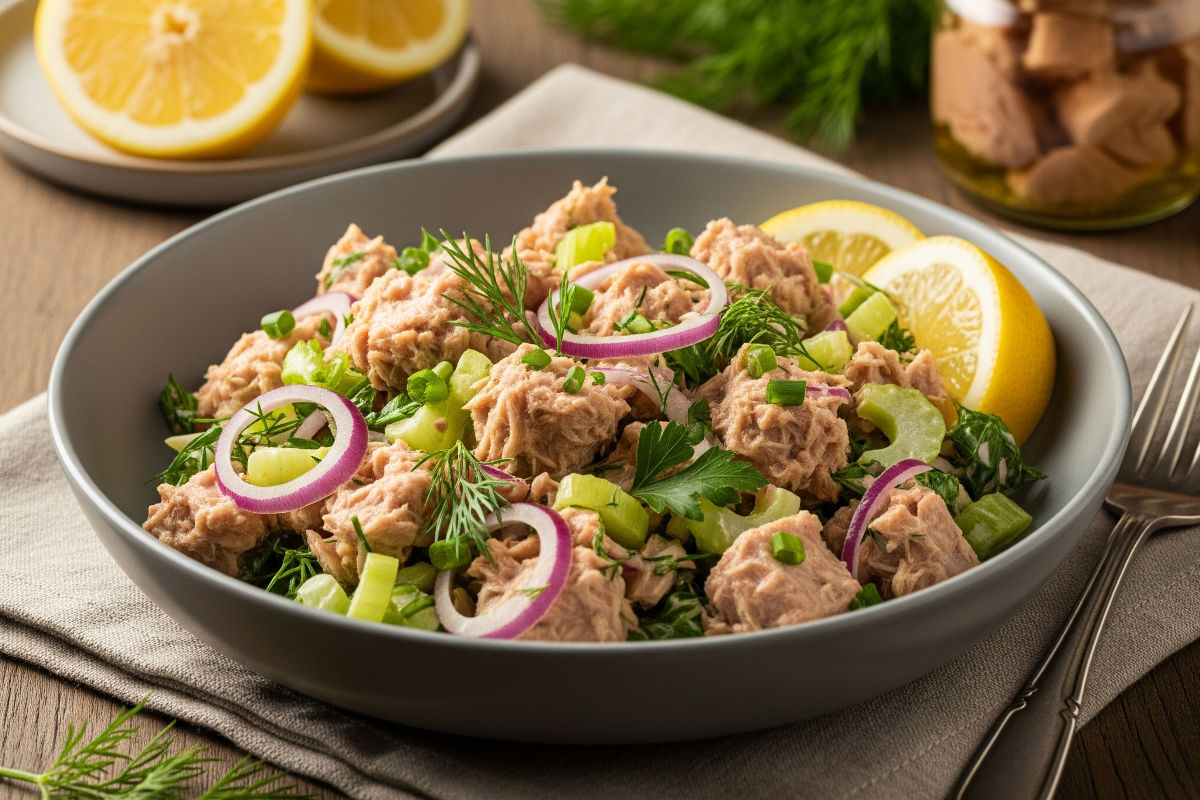
Tuna is one of the most popular proteins in the American kitchen — affordable, convenient, and genuinely nutritious. But the moment you see a positive pregnancy test, it suddenly feels like a question mark on your grocery list.
Here’s the reassuring truth: eating tuna while pregnant is safe to do, as long as you’re mindful of the type of tuna you’re eating and stick to the recommended amounts. The key is knowing which variety you’re reaching for — and how often. This guide breaks it all down clearly so you can eat with confidence.
The Short Answer
Yes, you can eat tuna during pregnancy — but the type and amount matter significantly. This isn’t a food you need to eliminate. It’s one you need to navigate smartly.
Experts recommend canned light tuna (usually made from Skipjack tuna) as the safest option to eat during pregnancy, thanks to its low mercury content. Higher-mercury varieties like albacore and bigeye tuna require stricter limits — or should be avoided entirely.
Pro Tip: Look for “chunk light” on the label — this typically means skipjack tuna, which carries the lowest mercury load of all canned tuna varieties.
The bottom line: avoiding fish entirely during pregnancy may actually be more harmful than eating it wisely. Fish, including tuna, is one of the best dietary sources of DHA — an omega-3 fatty acid critical for your baby’s brain and eye development.
Why It’s a Concern
The reason tuna comes up in the “can I eat this?” category during pregnancy is because it contains mercury — and when mercury is consumed in large quantities during pregnancy, it can be harmful.
Mercury is a naturally occurring heavy metal that enters our waterways through industrial pollution and natural processes. Fish absorb mercury from the water and their food sources, and larger, longer-lived predatory fish — like certain tuna species — accumulate higher concentrations over time. This process is called bioaccumulation.
If you regularly eat fish high in mercury, mercury can build up in your bloodstream over time. Too much mercury in your bloodstream could damage your baby’s developing brain and nervous system. This is the core reason why tuna type and portion size matter so much during pregnancy.
There’s a second concern worth knowing about as well. Eating raw tuna can increase the risk of a Listeria infection — a serious foodborne illness that poses greater risks during pregnancy than at any other time in your life. This is why preparation method matters just as much as the variety you choose.
Important Note: Mercury risk is cumulative. It builds up across everything you eat in a week — not just one meal. That’s why the guidelines focus on weekly totals, not single servings.
You can also explore other foods and beverages to avoid during pregnancy for a broader look at what to watch out for across your entire diet.
What the Research Actually Says
The science on tuna and pregnancy is more nuanced than a simple “yes” or “no.” Major health authorities have studied this extensively and arrived at consistent, evidence-based conclusions.
The Food and Drug Administration (FDA), the Environmental Protection Agency (EPA), and the Dietary Guidelines for Americans recommend that, in a week, pregnant people eat at least 8 ounces and up to 12 ounces of a variety of seafood lower in mercury.
Some types of tuna that are bigger or live longer tend to have higher mercury levels. Canned light tuna is in the “Best Choices” category, albacore (or white) tuna and yellowfin tuna are in the “Good Choices” category, and bigeye tuna is in the “Choices to Avoid” category.
Research also points to a real upside to eating fish during pregnancy. Most of the studies the FDA and EPA reviewed compared levels of fish consumption with the IQ of offspring. These findings consistently demonstrate that among women who consumed more fish during pregnancy, there were improvements in the child’s IQ — noting that the positive effect extended to verbal as well as overall IQ.
Some research adds another layer of nuance. Some studies suggest that mercury exposure in early pregnancy may have no negative effects on a child’s behavior, development, or brain function, as long as the mother ate fish during pregnancy — suggesting that certain compounds in fish may counterbalance the negative effects of mercury. That said, more research is needed, and the current FDA guidelines remain the safest framework to follow.
Key Insight: The goal of current FDA guidance isn’t to scare you away from tuna — it’s to help you get the brain-boosting benefits of fish while keeping mercury exposure within safe limits.
One important caveat from Consumer Reports: tests of canned tuna show spikes in mercury levels from one can to another. This variability is why some experts suggest choosing brands that test individual fish for mercury content, and why sticking to canned light tuna is the most reliable approach. Learn more about the FDA’s full fish consumption guidance for pregnant women.
For a broader look at the pros and cons of eating seafood in general, it’s worth understanding how different types of fish stack up nutritionally.
How to Do It Safely
Eating tuna safely during pregnancy comes down to three things: choosing the right type, staying within weekly limits, and always cooking it through. Here’s how to do all three.
Know Your Weekly Limits by Tuna Type
The FDA suggests that pregnant women consume 8–12 ounces of fish and seafood per week, including no more than 12 ounces of canned light tuna or other low-mercury fish, or 4 ounces of yellowfin, white, or albacore tuna per week.
It’s also worth noting that you should eat 2 to 3 servings a week of fish in the “Best Choices” category (based on a 4-ounce serving). You can eat 1 serving a week of fish in the “Good Choices” category, but no other fish that week.
Choose the Right Type Every Time
- Canned light tuna (skipjack) — Your go-to option. Skipjack tuna typically contains three times less mercury than yellowfin varieties, making it a preferred choice during pregnancy.
- Albacore / white tuna — Albacore tuna, also known as white tuna, typically contains three times more mercury than canned light tuna. Limit to 4–6 ounces per week max.
- Yellowfin tuna — Higher in mercury and should be eaten sparingly or avoided.
- Bigeye tuna (ahi) — Pregnant women are encouraged to completely avoid bigeye tuna. This includes most ahi tuna steaks and sashimi.
- Bluefin tuna — Similarly high in mercury. Best avoided entirely during pregnancy.
Always Cook It Thoroughly
The Dietary Guidelines for Americans and FDA recommend that those who are pregnant should only eat foods with fish that have been cooked to safe internal temperatures. This includes not eating raw fish, like that found in some sushi or sashimi.
Most seafood should be cooked to an internal temperature of 145°F (63°C). Fish is done when it separates into flakes and appears milky white throughout.
Smart Preparation Tips
- Choose lower-mercury options: canned light tuna comes from smaller tuna species like skipjack, as opposed to fresh or frozen tuna and bigeye tuna, which all contain elevated levels of mercury.
- If you want tuna salad, your best option is to make it at home and eat it fresh. When you get premade tuna from a deli or store, it may have been sitting in the refrigerator for long periods of time, which increases your risk of Listeria.
- Some clients prefer the “Safe Catch” brand because of the additional security of knowing they check the mercury content of each fish.
Pro Tip: Mercury is not reduced or eliminated by cooking, freezing, or any preparation method. Portion control is the only way to manage exposure.
Does It Matter Which Trimester You’re In?
Tuna is a great source of omega-3 fatty acids, which help with early fetal brain and eye development — so it’s great to eat in the first trimester. The same weekly limits apply across all three trimesters, but the brain-building benefits of DHA are especially valuable in the first and second trimesters when neural development is most rapid.
In the third trimester, your baby’s brain is still growing rapidly, so continuing to eat low-mercury fish like canned light tuna remains a smart choice. The key rule stays the same throughout: stick to your weekly limits, choose low-mercury varieties, and always cook it fully.
Tuna’s omega-3s also support healthy brain function more broadly — a benefit that extends well beyond pregnancy.
When to Avoid It Completely
There are specific situations where you should skip tuna altogether — not just limit it.
Avoid these tuna types entirely during pregnancy:
- Bigeye tuna — The U.S. FDA says not to eat bigeye tuna while pregnant.
- Raw tuna in any form — Raw tuna should be avoided during pregnancy, regardless of its “sushi-grade” designation. The term “sushi-grade” is actually a marketing term with no regulatory definition — it does not guarantee safety from parasites or bacteria.
- Premade tuna salads from delis or stores — These carry elevated Listeria risk from prolonged refrigeration.
- Tuna from unknown or unmonitored local waters — If you eat fish from local waters, pay attention to local advisories. If advice isn’t available, limit fish from local waters to 6 ounces a week.
Avoid tuna entirely if you’ve already eaten other high-mercury fish that week. Mercury risk is cumulative, and different types of fish contain different amounts of mercury. If you’ve had swordfish, shark, or king mackerel earlier in the week, skip tuna for the remainder of that week.
Common Mistake: Assuming “sushi-grade” tuna is safe during pregnancy. There’s no regulatory standard behind that label — raw tuna always carries bacterial and parasitic risks that are especially serious when you’re pregnant.
Watch for warning signs: if you notice any unusual symptoms such as vision changes, loss of coordination, tingling sensations, or speech difficulties, stop eating fish and seek medical advice immediately.
For a full picture of what to steer clear of throughout your pregnancy, see this guide to foods and beverages to avoid during pregnancy.
Quick Reference Chart
Use this chart to make fast, confident decisions at the grocery store or restaurant.
| Tuna Type | Mercury Level | Pregnancy Status | Weekly Limit |
|---|---|---|---|
| Canned light tuna (skipjack) | Low | ✅ Safe | Up to 12 oz (3 servings) |
| Albacore / white tuna (canned) | Medium-High | ⚠️ With Caution | 4–6 oz max (1 serving) |
| Yellowfin tuna (fresh/canned) | Medium-High | ⚠️ With Caution | 4 oz max (1 serving) |
| Bigeye tuna (ahi) | High | 🚫 Avoid | None |
| Bluefin tuna | High | 🚫 Avoid | None |
| Raw tuna (sushi/sashimi/poke) | Varies | 🚫 Avoid | None |
| Tuna steak (fresh, cooked) | Medium-High | ⚠️ With Caution | 4–6 oz max, well-done only |
| Tuna pouches (light) | Low | ✅ Safe | Up to 12 oz (same as canned light) |
For a broader view of which seafood options are healthiest and safest, the FDA’s fish consumption chart is an excellent resource to bookmark. You can also explore heart-healthy superfoods that complement a well-rounded pregnancy diet.
Frequently Asked Questions
Can I eat tuna salad while pregnant?
You can eat tuna salad while pregnant. Just be mindful of the mercury levels and food safety, such as how long the tuna salad has been sitting out. Always make it fresh at home using canned light tuna, and avoid pre-made deli versions.
Can I eat tuna every day during pregnancy?
Daily tuna consumption is not recommended during pregnancy. Even with canned light tuna, daily consumption could exceed weekly mercury limits. Aim for variety with different fish types.
What if I accidentally ate too much tuna?
Don’t panic. Occasional excess is unlikely to cause harm. Simply reduce your intake over the following week. If you are concerned, speak with your midwife or doctor.
Is canned tuna safer than fresh tuna during pregnancy?
Many pregnant women assume fresh tuna is “healthier” than canned, but from a mercury perspective, canned light tuna is often the safer choice. It typically uses smaller, younger skipjack tuna with lower mercury accumulation and undergoes heat processing that eliminates bacterial concerns.
Can I eat tuna while breastfeeding?
The same FDA guidelines that apply during pregnancy extend to breastfeeding. This advice can help those who are pregnant or breastfeeding make informed choices when it comes to the types of fish and shellfish that are nutritious and safe to eat. Stick to canned light tuna and the same weekly limits you followed during pregnancy.
What are the best low-mercury alternatives to tuna?
If you want to reduce your tuna intake while still meeting omega-3 needs, salmon (wild or farmed) and sardines offer similar DHA benefits with even lower mercury levels. Both are excellent pregnancy-friendly options. You can also explore whole plant-based foods that provide complementary nutrients, or look into foods that support brain health to round out your pregnancy nutrition plan.
Does cooking tuna reduce its mercury content?
No. Mercury is not reduced or eliminated by cooking, freezing, or any preparation method. Portion control is the only way to manage your mercury exposure. Cooking is still essential for food safety — just don’t count on it to lower mercury levels.
Can I eat tuna sushi or poke bowls while pregnant?
No. The FDA and Dietary Guidelines for Americans recommend that those who are pregnant should only eat fish that has been cooked to safe internal temperatures — this includes not eating raw fish like that found in sushi or sashimi. Poke bowls made with raw tuna should be avoided for the same reason. Ask for cooked protein substitutions at restaurants instead.
Eating well during pregnancy is about making informed, confident choices — not about fear. With canned light tuna in your pantry and these guidelines in mind, you can enjoy one of the most nutritious proteins available while keeping your baby’s development on the right track. For more on building a pregnancy-friendly plate, check out this guide to powerful nutrients found in whole foods and explore nourishing foods that support reproductive health.