Raw Sprouts During Pregnancy: What You Actually Need to Know

April 22, 2026
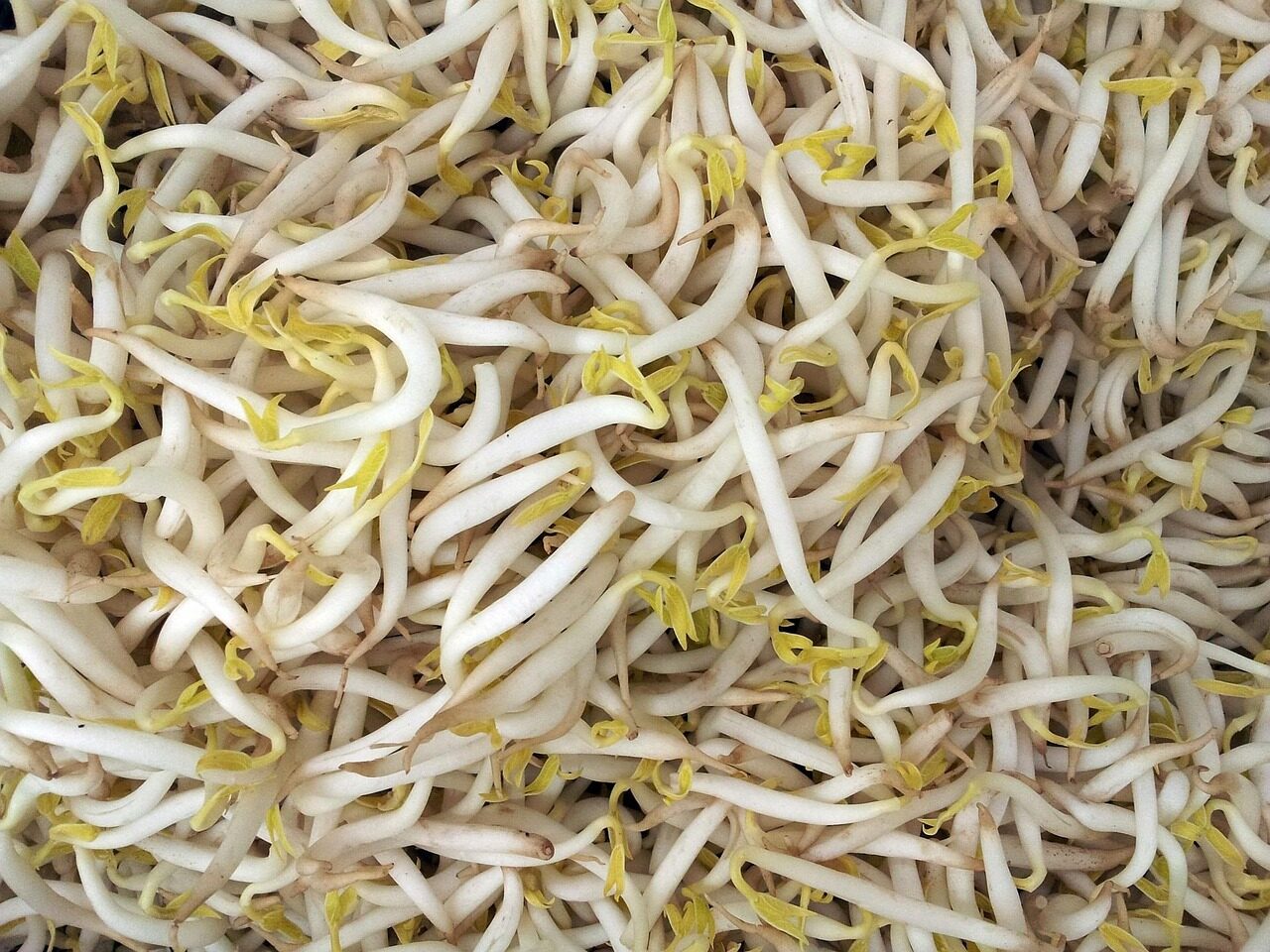
You’re standing in the kitchen, eyeing that crisp handful of alfalfa sprouts, and suddenly you wonder — wait, is this even okay right now? It’s a fair question, and you deserve a straight answer instead of a vague “check with your doctor” that leaves you no more informed than before.
The good news is the science here is actually clear. This article walks you through exactly what raw sprouts mean for your pregnancy, what the research says, how to enjoy them safely if you want to, and what to reach for when you’d rather play it completely safe.
Important Note: This information is for educational purposes only and is not intended as medical advice. Always consult with a qualified healthcare professional before making health decisions during pregnancy.
The Short Answer
No — raw sprouts are not considered safe during pregnancy, and this isn’t a fringe opinion. The Mayo Clinic advises pregnant women not to eat any raw sprouts, including alfalfa, clover, radish, and mung bean, because they may harbor harmful bacteria. That recommendation is echoed across every major health authority.
The U.S. Food and Drug Administration advises children, elderly people, pregnant women, and people with a weakened immune system to not eat any raw or lightly cooked sprouts at all. So if you’ve been enjoying sprouts on your sandwiches or salads, this is one swap worth making for the next several months.
The reassuring flip side? While raw sprouts have potential risks, that does not mean you should eliminate sprouts from your diet entirely. Instead of consuming them raw, you can include them by cooking them correctly. More on exactly how to do that below.
Why It’s a Concern
Sprouts are genuinely nutritious — they are packed with vitamins, minerals, antioxidants, and fiber, making them a nutritious choice for health-conscious people. The problem isn’t what’s in them; it’s how they’re grown.
Raw sprouts are grown in humid and warm conditions where harmful bacteria like E. coli, Salmonella, and Listeria thrive, creating a high risk of food poisoning. That warm, moist sprouting environment that makes seeds germinate is, unfortunately, the exact same environment bacteria love.
The seed is typically the source of the bacteria, and while there are several techniques used to kill harmful bacteria that may be present on seeds, the FDA says there is no treatment that can fully guarantee that all harmful bacteria will be destroyed. This means even commercially grown, store-bought sprouts carry inherent risk.
Even a very low initial level of contamination in seeds can multiply dramatically and increase to millions of cells per serving. That’s a striking fact — and it explains why simply rinsing sprouts doesn’t make them safe. Rinsing sprouts will not help to remove the bacteria.
Key Insight: Pregnancy naturally changes your immune response, making you more vulnerable to foodborne illnesses that a non-pregnant person might shake off more easily.
Immune system changes in pregnant women place the women themselves, their unborn children, and their newborns at increased risk of foodborne illness. These illnesses can be worse during pregnancy and may lead to miscarriage or premature delivery.
The stakes are especially high with Listeria. Listeriosis can cause stillbirth, miscarriage, life-threatening infections, and premature birth in newborns, while Salmonella and E. coli can lead to illnesses that can even be fatal. You can also read more about other foods and beverages to avoid during pregnancy to build a fuller picture of what to watch for.
What the Research Actually Says
This isn’t a new concern or a cautious overreaction — the data on sprout-related illness goes back decades and is consistent. Between 2000 and 2020, at least 53 sprout-associated outbreaks were reported to the CDC’s National Outbreak Reporting System, causing 1,498 illnesses, 179 hospitalizations, and 5 deaths, with the majority caused by Salmonella and E. coli.
Studies have shown that for every reported case, 28 go unreported, suggesting there have been as many as 53,000 or more sprout-related illnesses in the U.S. in the past 20 years. That’s a significant public health burden hiding behind a food that looks completely harmless.
More recently, according to the Centers for Disease Control and Prevention, the consumption of clover sprouts in 2025 resulted in 51 cases of E. coli infection. This is not a solved problem — outbreaks continue to occur with regularity.
Raw or undercooked sprouts such as alfalfa, clover, mung bean, and radish may contain E. coli or Salmonella, and the FDA’s FoodSafety.gov guidance for pregnant women simply says: cook sprouts thoroughly. The CDC’s archived outbreak advisories consistently repeat the same message: children, older adults, pregnant women, and people with weakened immune systems should avoid eating raw sprouts of any kind, including alfalfa, clover, radish, and mung bean sprouts.
Treating seeds and sprouts with chlorinated water or other disinfectants fails to eliminate the pathogens — which is why commercial sanitization methods, while helpful, can’t guarantee safety for high-risk groups like pregnant women.
Pro Tip: When eating out at restaurants, delis, or sandwich shops, always ask for your food to be prepared without raw sprouts. They’re often added to salads and sandwiches without being prominently listed on the menu.
How to Eat Sprouts Safely During Pregnancy
Here’s the encouraging part: you don’t have to give up sprouts entirely. The key is heat. Only consume fully cooked sprouts, brought to a temperature of 165°F/75°C, during pregnancy. At that temperature, the bacteria that make raw sprouts dangerous are destroyed.
Cooking the sprouts on a low flame will not be helpful because light cooking will not provide enough heat to kill these bacteria. “Wilted” is not the same as “cooked.” You need sustained heat to make them safe.
There are three reliable cooking methods to choose from:
- Boiling — Boiling is the easiest and quickest way to kill the bacteria in sprouts. Add them to soups, stews, or a pot of boiling water for several minutes.
- Steaming — Use steaming if you want to preserve more nutrients. Steam until completely tender and hot throughout.
- Stir-frying — Frying is very popular in Asian cuisine, particularly Korean, Chinese, or Thai food. Adding sprouts to a hot wok with other ingredients is a great way to cook them while keeping meals flavorful.
Add them to dishes like soups, stir-fries, or casseroles and continue cooking for at least 5 minutes after the dish has reached a steaming hot temperature of at least 165°F or 74°C.
When buying sprouts, follow these safe-handling practices:
- Buy only fresh sprouts that have been kept properly refrigerated, and do not buy sprouts that have a musty smell or slimy appearance.
- Store sprouts in the refrigerator and use them within a few days of purchase.
- Wash sprouts with cool running water directly before use.
- Cook them immediately — don’t let them sit out at room temperature.
Trimester considerations: The risk of raw sprouts is consistent across all three trimesters and does not diminish as pregnancy progresses. You can eat sprouts during the first trimester, but it is important to ensure they are thoroughly cooked to avoid any risk of bacterial infection. Cooked sprouts can be a nutritious addition to your diet, providing fiber, vitamins, and minerals essential for your baby’s development. The same applies in the second and third trimesters — cook them fully every time.
You may also want to explore whole plant-based foods that offer similar nutritional benefits with a much lower safety risk during pregnancy.
When to Avoid Sprouts Completely
Even cooked sprouts should be skipped entirely in some situations. Pregnant women who are suffering from pregnancy diseases, have previous bacterial infections, and have a weak immune system should avoid sprouts.
You should also skip sprouts — raw or cooked — in these circumstances:
- If you’ve recently had a foodborne illness — Your gut flora and immune system may already be compromised.
- If you’re immunocompromised — Conditions like gestational diabetes or autoimmune disorders can further reduce your ability to fight off bacteria.
- If the sprouts look or smell off — A slimy texture, unusual odor, or discoloration are all signs to discard immediately.
- If you’re eating out and can’t confirm they were cooked to 165°F — Restaurant “cooked” sprouts may have only been lightly heated, which isn’t enough.
- If you accidentally consumed raw sprouts — Monitor for any symptoms of foodborne illness such as diarrhea, abdominal pain, fever, or vomiting, and consult your healthcare provider immediately for further guidance.
Common Mistake: Assuming homegrown sprouts are safer than store-bought ones. Even homegrown sprouts present risks if eaten raw or lightly cooked — in fact, they can be riskier than commercially produced raw sprouts because home growers do not disinfect them in the same manner as commercial farmers.
Quick Reference Chart
| Sprout Type | Raw During Pregnancy | Cooked During Pregnancy | Notes |
|---|---|---|---|
| Alfalfa sprouts | ❌ Unsafe | ✅ Safe (165°F/74°C) | Linked to multiple Salmonella outbreaks |
| Mung bean sprouts | ❌ Unsafe | ✅ Safe (165°F/74°C) | Common in Asian dishes; cook thoroughly |
| Clover sprouts | ❌ Unsafe | ✅ Safe (165°F/74°C) | Linked to E. coli O103 outbreaks in 2019–2020 and 2025 |
| Radish sprouts | ❌ Unsafe | ✅ Safe (165°F/74°C) | Can harbor Salmonella |
| Broccoli sprouts | ❌ Unsafe | ✅ Safe (165°F/74°C) | Nutritious; you can eat cooked broccoli sprouts while pregnant, but should avoid them raw |
| Sunflower sprouts | ❌ Unsafe | ✅ Safe (165°F/74°C) | Rich nutritional profile supports fetal development; best cooked in stir-fries or sautéed as a side dish |
| Sprouted grain bread | ✅ Safe | ✅ Safe | Pregnant women may consume whole-sprouted grain bread as part of their diet — it is baked and therefore safe |
| Lightly cooked sprouts | ❌ Unsafe | ⚠️ With Caution | Light cooking is not enough; must reach 165°F/74°C internally |
Frequently Asked Questions
Can I eat sprouts in a restaurant salad or sandwich while pregnant?
Only if they have been fully cooked to 165°F/74°C. Ask that raw sprouts not be added to your food. If you buy a sandwich or salad at a restaurant or deli, check to make sure that raw sprouts have not been added. When in doubt, ask your server explicitly.
What happens if I accidentally ate raw sprouts while pregnant?
Don’t panic — one accidental exposure doesn’t guarantee illness. If food poisoning happens, symptoms usually appear 12 to 72 hours after eating raw sprouts and can include stomach cramps, vomiting, and diarrhea. Monitor yourself closely and contact your healthcare provider right away if any symptoms develop.
Are sprouts nutritious enough to bother with during pregnancy?
Yes — sprouts are a great source of iron, fiber, and protein, which are essential nutrients for pregnant women. They’re also rich in folate, which helps with fetal development. The nutrition is real and worth keeping in your diet — just always cook them first. You might also explore foods that boost brain health and superfoods for a healthy heart for other nutrient-dense options to round out your pregnancy diet.
Is sprouted grain bread safe during pregnancy?
You can eat sprouted bread when pregnant. Sprouted varieties are safe as they are baked and are therefore safe. The baking process eliminates bacterial risk entirely.
Are homegrown sprouts safer than store-bought?
No — actually the opposite can be true. Even homegrown sprouts present risks of ailments if they are eaten raw or lightly cooked. In fact, they are riskier than commercially produced raw sprouts because they are not disinfected by home growers in the same manner as commercial farmers sanitize their sprouts.
Do I need to avoid sprouts for my entire pregnancy?
You need to avoid raw sprouts for your entire pregnancy. According to the U.S. Food and Drug Administration and the official website of Canada, pregnant women should eat properly cooked sprouts only. That guidance applies from the first week through delivery — and extends to breastfeeding as well, since your immune system remains somewhat altered postpartum.
What are the best alternatives to raw sprouts for crunch and nutrition?
Great pregnancy-safe options that give you similar texture and nutrients include thinly sliced cucumber, shredded cabbage (cooked or raw after thorough washing), watercress, and cooked edamame. For nutrient variety, fiber-rich whole foods and skin-nourishing foods can also support your overall health during pregnancy. You can also look into powerful nutrient-dense foods that offer antioxidant benefits without the bacterial risk.
The bottom line is simple: raw sprouts are one of the clearest “avoid during pregnancy” calls in nutrition guidance, backed by decades of outbreak data and consistent recommendations from the FDA, CDC, and Mayo Clinic. But cooked sprouts? Completely on the table — and worth enjoying. Sprouts are a great addition to your pregnancy diet as they contain large amounts of fiber and nutrients; however, cook them well before consumption, as undercooked or raw sprouts may contain bacteria like E. coli or Salmonella. Cook them hot, enjoy them often, and feel confident knowing you’re making the right call for you and your baby.