Is It Safe to Eat Pineapple During Pregnancy? Here’s What Doctors Actually Say

April 17, 2026
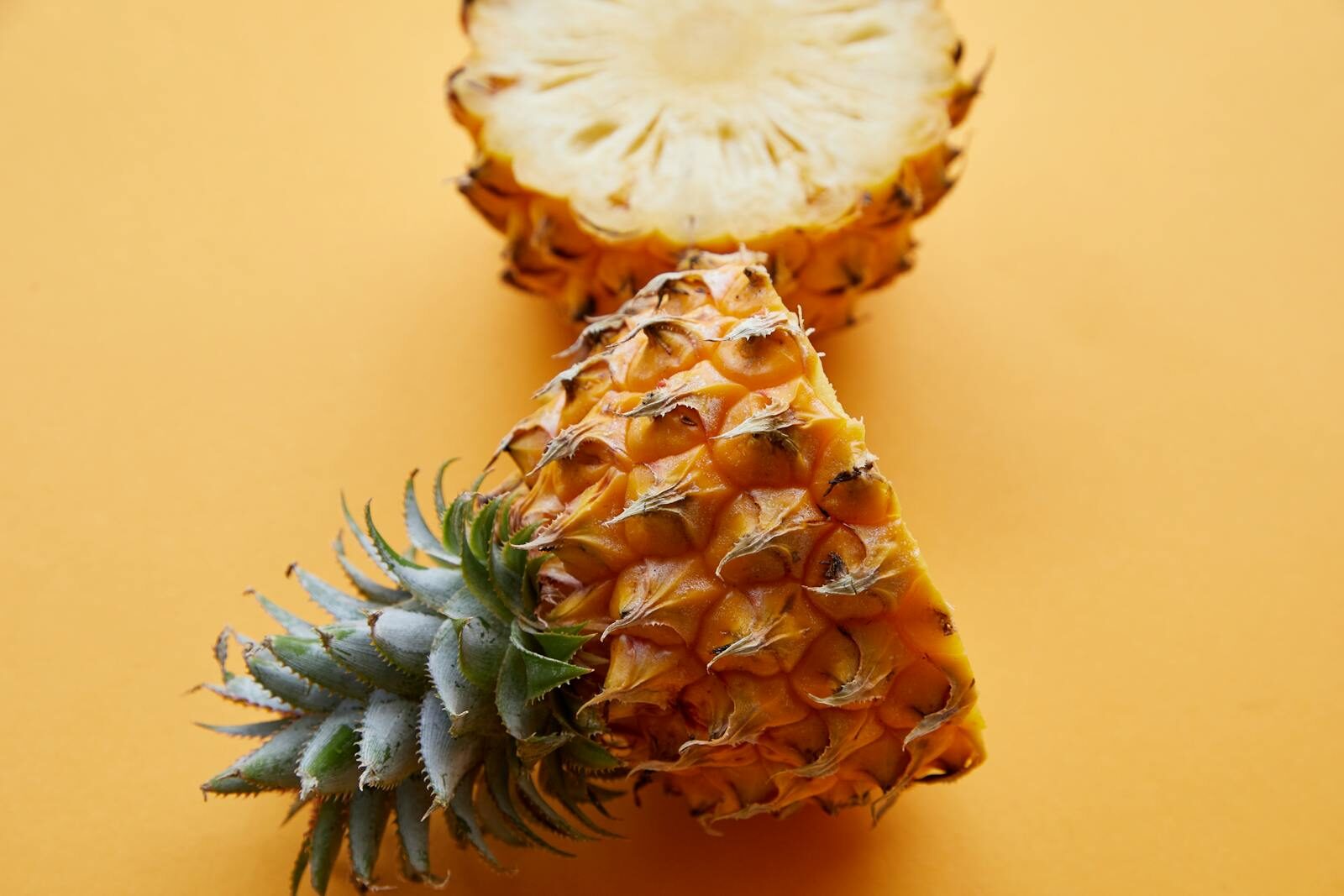
If someone has already warned you to put down that pineapple slice, you are not alone — and you are probably a little confused. Pineapple is one of the most myth-surrounded fruits in the pregnancy world, and the fear can feel surprisingly convincing.
Here is the good news: pineapple is a safe, healthy choice during pregnancy. The warnings about it are just a myth — there is no scientific evidence to support that pineapple is dangerous during pregnancy. What you do need to know is how much to eat, which parts to avoid, and when extra caution makes sense. This guide covers all of it, clearly and without the drama.
Pro Tip: Bookmark the Quick Reference Chart near the end of this article for a fast, scannable summary you can check any time a craving hits.
The Short Answer
Yes — you can eat pineapple during pregnancy. It is a safe, healthy fruit rich in vitamin C, hydration, and fiber. The concern you may have heard centers on an enzyme called bromelain, but the key detail that most people miss is this: while you may have heard myths that pineapple can trigger labor or miscarriage, there is no scientific evidence to support this when eaten in normal food amounts. These concerns mainly apply to bromelain supplements, which are not recommended in pregnancy due to limited safety data.
It is generally considered safe to consume pineapple during pregnancy in moderation — about one to two cups of fresh pineapple per day — according to Lauren Manaker, MS, RDN, a fertility-focused dietitian and author of The First-Time Mom’s Pregnancy Cookbook. Enjoy it fresh, keep your portions reasonable, and skip the core. That is really the whole story for most pregnant women.
Why It’s Safe
Far from being something to fear, pineapple is genuinely good for you during pregnancy. Pineapples are not only delicious but packed with nutrients. From just one cup, you can get Vitamin C, Vitamin B6, Copper, Calcium, Potassium, Magnesium, and Iron. That is a remarkable amount of nutritional value in one snack.
Here is a closer look at what pineapple actually brings to your prenatal diet:
- Vitamin C: A serving of pineapple contains around 80 milligrams of vitamin C, which is almost the entire daily recommended value for pregnant women. Vitamin C helps support the immune system and aids in the absorption of iron, an essential mineral during pregnancy.
- Folate: Pineapple is a good source of folate, a B vitamin that helps reduce the risk of certain birth defects during pregnancy.
- Fiber: Fiber is important for pregnant women because it helps with digestion, weight gain, and blood sugar control, as well as preventing constipation and pre-eclampsia.
- Manganese: Manganese contributes to metabolism and bone formation — both important during pregnancy.
- Hydration: Pineapple is about 85 percent water, so eating it can help keep you hydrated.
- Anti-inflammatory support: Pineapple contains bromelain, an enzyme that helps reduce inflammation and can aid in relieving pain and discomfort linked to swollen joints — a common condition in pregnancy.
- Morning sickness relief: Some women find that the taste and enzymes in pineapple help to alleviate morning sickness. Vitamin B6 content may also contribute to nausea relief.
You can explore more about how powerful nutrients in whole foods support your body and why whole plant-based foods are a cornerstone of a healthy diet at any life stage.
Key Insight: One cup of fresh pineapple delivers nearly your entire daily vitamin C requirement — making it one of the most efficient immune-supporting snacks available during pregnancy.
What the Research Actually Says
The bromelain concern sounds scientific on the surface, which is exactly why it has stuck around for so long. Here is what the actual research shows.
The myth comes from bromelain, an enzyme present primarily in the stem (and to a lesser extent in the fruit) that, in concentrated supplemental doses, has theoretical cervical-softening effects. The amount in fresh pineapple flesh, however, is too low to affect labor. This is a critical distinction that most well-meaning relatives skip over.
A study done in 2011 looked at the correlation between eating pineapples and early labor or miscarriage and found that there is no direct correlation between the two. Additional research has reinforced this conclusion. Bromelain appears to have anti-inflammatory properties and may be able to soften the cervix, but the research is too insufficient for experts to say eating pineapple is effective at naturally inducing labor. Some rodent studies have linked pineapple extract to uterine contractions, but human studies are currently pretty limited.
One 2022 study did find that stages one and two of labor were shorter for expectant moms who consumed pineapple during stage one — but this was a small study of only 76 participants. Interesting, but far from conclusive.
On the supplement side, the picture is clearer: bromelain tablets are not recommended for use during pregnancy. They can break down proteins in the body and lead to abnormal bleeding. The fruit itself is a completely different story. Fresh pineapple has very minute quantities of bromelain, which are destroyed in the digestive system. Only in very high doses, such as concentrated bromelain supplements, can pineapple potentially affect the uterus.
Important Note: Bromelain supplements are not the same as eating fresh pineapple. The enzyme concentration in supplements is far higher and is not recommended during pregnancy. Always stick to the whole fruit.
Curious about how food myths affect overall health decisions? The complete guide to foods and beverages to avoid during pregnancy is worth a read for a full picture of what actually warrants caution.
How to Eat Pineapple Safely During Pregnancy
Good news: eating pineapple safely during pregnancy does not require complicated rules. A few straightforward habits will keep you and your baby comfortable and well-nourished.
Stick to the Right Portion
It is generally considered safe to consume pineapple during pregnancy in moderation — one to two cups of fresh pineapple per day. If you are being cautious, starting at about half a cup and seeing how your body responds is a perfectly reasonable approach.
Skip the Core
The core of a pineapple contains higher amounts of bromelain, and the possibly risky nature of this means you should avoid consuming the core during pregnancy. This includes eating it raw and blending it in a smoothie, as well as cooking or grilling with it. Stick to the sweet flesh only.
Choose Fresh Over Canned
Canned pineapple loses some bromelain, making it safer, but also less nutritious. Though canned pineapples are considered a safer option, they tend to be much sweeter and have more added sugar, which may not be beneficial to you or the baby. Fresh pineapple is the better choice overall.
Pair It to Reduce Acidity
Pair the fruit with a dairy or fat source to buffer the acidity. Stirring fresh pineapple into full-fat Greek yogurt, or serving it alongside a slice of cheese, can dramatically soften the acidic impact on your stomach lining. This is especially helpful if heartburn is already a challenge for you.
Trimester-by-Trimester Guide
| Trimester | Safety Level | Recommended Approach |
|---|---|---|
| First Trimester | Generally safe | Keep portions small (½ to 1 cup). Avoid the core. Be mindful if you have a sensitive stomach or history of miscarriage. |
| Second Trimester | Safe in moderation | Enjoy moderate amounts — 1 to 2 cups per day. Fresh flesh only, paired with protein or fat to manage acidity. |
| Third Trimester | Safe with awareness | Pineapple is safe and can even have advantages such as minimizing swelling and enhancing digestion. Watch for heartburn, which can intensify as your uterus expands. |
Food Safety Basics
Practice good food safety. Wash the whole pineapple before cutting and keep cut fruit refrigerated. This applies to all fresh produce during pregnancy, when your immune system is working overtime.
Ways to Enjoy It
Dice it and eat it raw, throw it into salads and salsas, or whip up a tropical pineapple smoothie or sorbet for a treat. You can also add it to Greek yogurt, blend it into a mocktail, or use it as a topping on oatmeal. The options are genuinely delicious.
For more inspiration on building a nutrient-rich pregnancy plate, check out these superfoods for a healthy heart and ideas for foods that boost brain health — both relevant for supporting your growing baby.
When to Avoid It Completely
Pineapple is safe for most pregnant women, but there are specific situations where stepping back is the smarter call.
- Known pineapple allergy: Pineapples should be avoided if you already have a known allergy to them. If you develop a rash, start to itch, or struggle to breathe after eating them, stop immediately and consult with your doctor.
- Gestational diabetes: Pineapple is rich in natural sugars, and if you are suffering from gestational diabetes, you should refrain from consuming it or be very cautious, as it can cause your sugar levels to rise. If you are managing gestational diabetes or blood sugar concerns, monitor your portions and consider pairing pineapple with protein to slow sugar absorption.
- Severe heartburn or acid reflux: Pineapple is very acidic, which could exacerbate heartburn or acid reflux symptoms. If you have reflux or heartburn, limit portions and skip it near bedtime.
- History of preterm labor or high-risk pregnancy: If you have a history of miscarriages or preterm labor, consult your doctor before eating pineapple. This is not because pineapple is proven harmful, but because extra caution is always warranted in high-risk situations.
- Bromelain supplements (always avoid): It is best to avoid bromelain supplements during pregnancy and stick to eating fresh pineapple, as supplements are highly concentrated and could be unsafe.
- Digestive distress after eating: If you experience stomach pain, diarrhea, or contractions after eating pineapple, stop consumption and seek medical advice.
Common Mistake: Eating pineapple on an empty stomach. Because of its natural acidity, this is one of the fastest ways to trigger heartburn during pregnancy. Always pair it with another food.
If you want a broader overview of what to genuinely steer clear of during pregnancy, the foods and beverages to avoid during pregnancy resource covers the full list with context. It is also worth understanding the pros and cons of eating seafood during this time, since mercury exposure is one of the more legitimate pregnancy food concerns.
Quick Reference Chart
Here is a fast, at-a-glance breakdown of everything covered above. Save this or screenshot it for easy reference.
| Topic | Verdict | Key Detail |
|---|---|---|
| Fresh pineapple flesh (1–2 cups/day) | ✅ Safe | Enjoy throughout all three trimesters in moderate portions |
| Pineapple core | ⚠️ Avoid | Highest bromelain concentration — skip it raw, blended, or cooked |
| Pineapple juice (unsweetened) | ✅ Safe in moderation | Lower bromelain than fresh fruit; watch added sugar content |
| Canned pineapple | ⚠️ With caution | Less bromelain but higher sugar; choose varieties with no added sugar |
| Bromelain supplements | ❌ Avoid | Not safe during pregnancy — highly concentrated enzyme |
| Pineapple with gestational diabetes | ⚠️ With caution | Monitor blood sugar; pair with protein; consult your care team |
| Pineapple with heartburn | ⚠️ With caution | Limit portions, avoid on empty stomach, never eat before lying down |
| Pineapple with known allergy | ❌ Avoid | Skip it entirely; consult your doctor if unsure |
| Pineapple + miscarriage/labor myths | ✅ Myth debunked | No scientific evidence supports this claim for normal food amounts |
| Pineapple in high-risk pregnancy | ⚠️ Ask your doctor | Not proven harmful, but check with your provider for personalized guidance |
For a deeper dive into which foods genuinely support your body’s systems during pregnancy and beyond, explore this guide on foods that enhance liver function and this look at foods for healthy skin — both relevant as your body changes.
Frequently Asked Questions
Can pineapple cause a miscarriage?
There is a widespread myth that eating pineapple during the first trimester can cause miscarriage. This fear comes from bromelain’s effect in high doses as found in concentrated supplements, but research shows no scientific evidence linking moderate pineapple consumption with early pregnancy loss. You would need to consume an unrealistic quantity of pineapple for bromelain to reach a concerning level in your body.
Can pineapple induce labor?
Pineapple is a safe, nutritious pregnancy fruit. The claim that it “induces labor” is not supported for normal food amounts. Eating massive, uncomfortable amounts of pineapple will not magically trigger uterine contractions. It will, however, likely give you severe heartburn and diarrhea.
Is pineapple juice safe during pregnancy?
Pineapple juice generally has a lower concentration of bromelain than fresh pineapple, but you will lose some of the fiber when you juice pineapple instead of eating it raw, plus you could end up consuming more sugar, depending on how the juice is prepared. Unsweetened, 100% pineapple juice in small amounts is generally fine.
Is it safe to eat pineapple in the first trimester?
Pineapple during the first trimester is usually safe when consumed in moderate amounts, unless otherwise advised by a physician. Keep portions on the smaller side — around half a cup to one cup — and avoid the core. If you have a history of miscarriage or a high-risk pregnancy, check with your doctor first.
What happens if I accidentally eat pineapple core while pregnant?
A small, accidental amount is very unlikely to cause any harm. The core has more bromelain than the flesh, but still not high enough to harm pregnancy in a single incidental serving. Going forward, simply trim it out when preparing fresh pineapple.
Can I eat pineapple if I have gestational diabetes?
Because pineapple has a relatively high glycemic index, women with gestational diabetes or those monitoring blood sugar levels should consume it in moderation and be mindful of portion sizes. Pairing it with protein — like Greek yogurt or a handful of nuts — can help slow the sugar absorption. Always check with your care team for personalized guidance.
Does cooking pineapple make it safer during pregnancy?
Yes, in a sense. Baking the pineapple destroys the minute traces of the bromelain enzyme anyway. Cooked or grilled pineapple flesh is a safe and delicious option. Just continue to remove the core before cooking.
Can I eat pineapple while breastfeeding?
Yes, it is generally safe to eat pineapple while breastfeeding. There is no evidence to suggest that bromelain passes through breast milk in significant amounts or that it would harm your baby.
Want to keep building a strong nutritional foundation for you and your baby? Explore how fibroid-healing foods support reproductive health and how foods that promote healthy eyesight can benefit both you and your growing child.
Pro Tip: When in doubt about any food during pregnancy, the safest move is always a quick conversation with your OB or midwife. They know your full health picture — and most will happily confirm that fresh pineapple in reasonable amounts is absolutely on the table.
This information is for educational purposes only and is not intended as medical advice. Always consult with a qualified healthcare professional before making health decisions during pregnancy.