Goat Ownership Laws in South Carolina: Understand Requirements, Limits, and Key Regulations

March 20, 2026
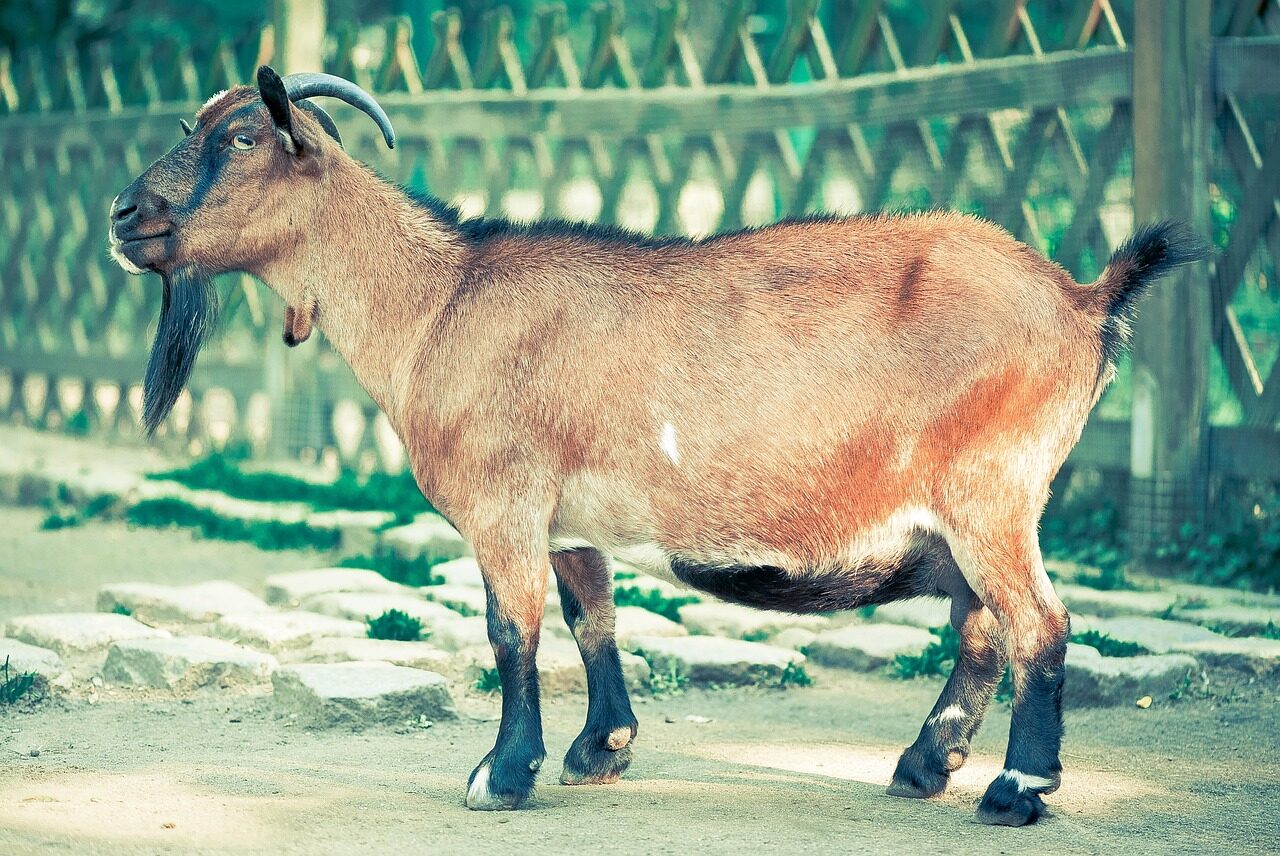
Thinking about raising goats in South Carolina means understanding a complex web of state and local rules before you bring your first animal home. Goats are legally recognized as livestock under South Carolina state law, but your ability to own them depends heavily on local zoning ordinances, property size, and specific county or municipal regulations that vary widely across the state. What’s allowed on a rural farm in Abbeville County might be completely prohibited in a residential neighborhood in Charleston or Columbia.
Your journey to goat ownership involves more than just deciding on breeds and building fences. You need to navigate zoning classifications that determine livestock permissions , understand setback requirements that keep structures a safe distance from property lines, and comply with health regulations that protect both your herd and neighboring properties. South Carolina grants significant authority to local governments, which means the rules in your specific location can be stricter than what state law requires.
This guide breaks down every major legal consideration you’ll face as a goat owner in South Carolina. You’ll learn how agricultural versus residential zoning affects your options, what permits you might need for different herd sizes, which fencing and housing standards you must meet, and how health requirements and neighbor relations factor into successful goat keeping. Understanding these rules upfront protects you from fines, forced animal removal, and disputes that can derail your plans.
Legal Status Of Goat Ownership In South Carolina
Goats are legally classified as livestock under South Carolina Code of Laws Title 47 , which covers animals, livestock, and poultry. This classification means goats are treated as agricultural animals rather than pets.
State law does not ban goat ownership. You can legally own goats anywhere in South Carolina at the state level. However, this baseline permission does not guarantee you can keep goats on your specific property.
The state grants significant home-rule authority to local governments. This means counties and cities have broad power to create their own restrictions. Your county or municipality can limit or even prohibit goat ownership through local ordinances.
Key points about legal status:
- State law permits goat ownership statewide
- Counties and cities can impose stricter rules
- Goats receive livestock classification, not pet status
- No statewide permit exists just for owning goats
- Local zoning codes determine actual allowability
Agricultural zones typically allow goats without special approval. Residential zones often restrict or prohibit them entirely. The specific rules vary dramatically between jurisdictions.
Rural counties like Laurens and Newberry generally permit goats with minimal requirements. Urban areas like Columbia, Greenville, and Charleston impose more restrictions. Each municipality in South Carolina is authorized to have its own animal-keeping ordinance .
You must check your local zoning code before purchasing goats. State-level permission does not override local restrictions. Your property’s zoning classification matters more than state law in determining whether you can keep goats legally.
Zoning And Property Requirements In South Carolina
Zoning is the most important factor that determines whether you can keep goats on your property. Your land’s classification controls what animals you can own and under what conditions.
Agricultural Zoning
Agricultural zoning classifications typically allow goat ownership as a matter of right. If your property carries an AG or A-1 designation, you can usually keep goats without special approval. Properties in rural counties like Orangeburg, Bamberg, and Colleton commonly fall into this category.
You still need to follow setback requirements even on agricultural land. These rules require your goat housing and enclosures to sit a minimum distance from property lines, roads, and neighboring structures. Common setback distances range from 50 to 200 feet depending on your county.
Residential Zoning
Residential zones present more challenges. Many South Carolina municipalities prohibit livestock entirely in standard residential zones like R-1 or R-2. Some jurisdictions created special “urban agriculture” or “hobby farm” designations that allow small numbers of goats on residential lots above certain size thresholds.
Minimum lot size requirements are common. Some counties require one acre per goat or set a minimum property size of two to three acres before any livestock keeping is allowed in semi-rural residential zones.
Homeowners Associations
Your HOA creates an additional layer of restrictions. Many HOA covenants explicitly prohibit livestock regardless of what county zoning allows. You need to review your deed restrictions and HOA bylaws before purchasing goats.
Contact your county planning department to confirm what rules apply to your specific property. State law does not override local restrictions.
Number Limits And Permit Requirements In South Carolina
South Carolina does not impose a statewide cap on how many goats you can own. However, your local county or city may set strict limits based on your property size and zoning.
In areas that allow goats on residential land, you will typically find number restrictions. Many jurisdictions permit two to four goats on lots between one and three acres. Some counties use a density formula instead, such as one goat per half-acre of land.
Breed-specific rules sometimes apply. Miniature breeds like Nigerian Dwarf goats may qualify for more lenient limits in certain municipalities. Always verify this with your local zoning office before purchasing animals.
Permit requirements vary dramatically across South Carolina. You may need a livestock permit or special use permit to keep goats on non-agricultural property. These permits usually require you to show that:
- Your property meets minimum size requirements
- Your enclosures satisfy setback standards
- Neighbors have been notified of your plans
Permit fees and renewal schedules differ by jurisdiction.
Commercial operations face additional requirements. If you plan to sell goat milk or dairy products, you need licensing from the South Carolina Department of Agriculture. Operating a dairy without proper licenses can result in significant penalties.
If you sell goats commercially or transport them across state lines, you may need a livestock dealer’s license under state animal health laws . Hobby farmers keeping goats strictly for personal use generally face fewer permit hurdles, but you should still check with your county planning department before bringing goats home.
Housing And Fencing Regulations In South Carolina
You need to provide proper shelter and secure fencing for your goats in South Carolina. State law requires that you give your livestock adequate protection from extreme weather, clean water, and enough space to move freely.
Your goat housing must be maintained in sanitary condition and protect animals from harsh elements. While South Carolina’s livestock care provisions don’t specify exact square footage per goat, shelters must allow free movement and stay in good repair.
Fencing is your legal responsibility. South Carolina operates as a fence-in state, meaning you must contain your animals on your property. If your goats escape and damage a neighbor’s property or cause a vehicle accident, you can be held liable.
Standard field fencing often fails with goats because they climb, push through, and squeeze under weak barriers. You should install woven wire fencing at least 4 feet high with electric wire strands at the top and bottom for reliable containment.
Local setback requirements include:
- Goat housing structures typically must be 25 to 200 feet from property lines
- Distance requirements vary based on zoning classification
- Shelters often need to be a specific distance from neighboring dwellings
Your county may require building permits for permanent structures like barns or milking parlors. Some jurisdictions mandate that goat shelters be permanent or semi-permanent rather than temporary construction.
You need to check your local zoning ordinance for specific setback distances and construction standards. Property line and fence laws in South Carolina reflect the state’s agricultural history and address livestock containment issues directly.
Health, Registration, And Neighbor Regulations In South Carolina
South Carolina goat owners must follow specific health requirements administered by the state Department of Agriculture and Clemson University’s Livestock-Poultry Health program. These rules apply to all goat operations regardless of size.
Interstate Movement Requirements:
- Certificate of Veterinary Inspection (CVI) required for goats entering South Carolina
- Negative test results may be needed for Caprine Arthritis Encephalitis and Caseous Lymphadenitis
- Documentation must be issued by a licensed veterinarian
The federal Scrapie Eradication Program requires individual identification for all goats leaving their birth premises. You must use an official scrapie tag or approved electronic identification device when selling, showing, or transporting goats. This applies to hobby farms and commercial operations alike.
Premises registration through the USDA’s National Animal Identification System is voluntary for most private owners. However, it becomes mandatory if you show animals at exhibitions or participate in state livestock programs.
Neighbor Relations And Nuisance Law:
South Carolina’s Right to Farm Act provides limited protection from nuisance lawsuits for established agricultural operations. This protection only applies if you follow accepted agricultural practices and your operation existed before surrounding residential development.
You can still face legal action if your goats create unreasonable noise or odor problems. These complaints fall under general nuisance statutes even when zoning permits livestock on your property.
Maintaining vaccination records and veterinary care documentation is not legally required for private owners. However, these records become valuable during disease investigations, livestock sales, or legal disputes with neighbors.