Can You Garden While Pregnant? Yes — Here’s How to Do It Safely

March 16, 2026
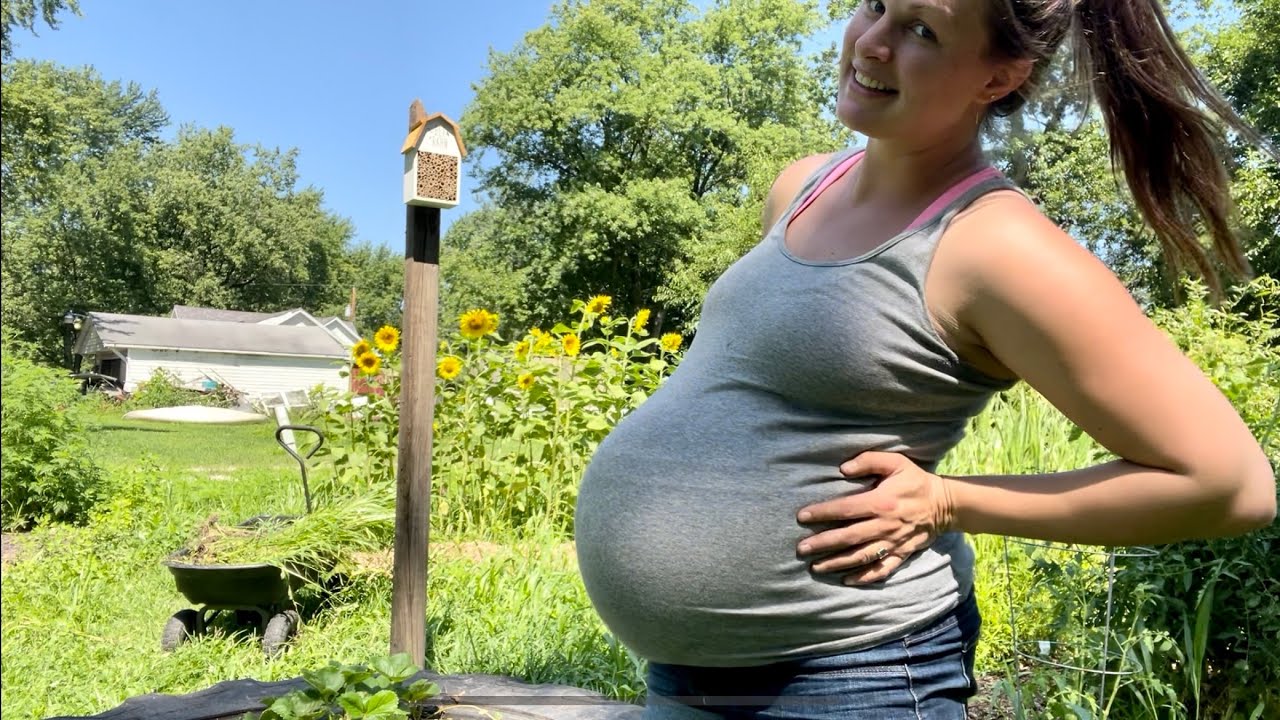
Gardening while pregnant is something millions of women do safely every year — and for good reason. Digging in the soil, growing your own food, and spending time outside can support your physical and mental health during pregnancy. But there are a handful of real risks worth knowing about, and a few simple adjustments that make all the difference between a safe afternoon in the garden and an unnecessary trip to urgent care.
You don’t have to give up your garden for nine months. You just need to know what to watch out for.
The Short Answer: Yes, With a Few Adjustments
You can garden while pregnant. There’s no blanket reason to stop, and in most cases, staying active outdoors is genuinely good for you and your baby. The key is modifying how you work — not whether you work.
The main concerns aren’t about gardening itself. They’re about specific exposures that can happen in a garden environment: soil-borne pathogens like Toxoplasma gondii, chemical pesticides and herbicides, heavy lifting, overheating, and physical strain from awkward postures. Address those, and your garden stays open for business throughout your pregnancy.
Key Insight: The American College of Obstetricians and Gynecologists (ACOG) recommends that pregnant women get at least 150 minutes of moderate physical activity per week. Gardening counts.
Why It’s Generally Safe
Gardening is low-impact, physically engaging, and mentally grounding — three things that benefit pregnant bodies. Light to moderate garden work raises your heart rate without the high impact of running or jumping. It keeps your muscles active, supports healthy weight gain, and reduces the risk of gestational diabetes and preeclampsia when it’s part of a broader pattern of staying active.
Time outdoors also matters. Exposure to natural light helps regulate sleep and supports vitamin D production, both of which are relevant during pregnancy. And the mental health benefits are real: a 2022 review published in Landscape and Urban Planning found that time in green spaces is consistently linked to lower stress, reduced anxiety, and improved mood — all relevant when your body and emotions are shifting week by week.
The physical act of gardening — bending, squatting, carrying, planting — also maintains functional strength and flexibility, which can make labor and postpartum recovery smoother.
What the Research Actually Says
Most of the concern around gardening during pregnancy comes from three areas that have actual research behind them.
Toxoplasmosis is the most cited risk, and it deserves respect. Toxoplasma gondii is a parasite found in cat feces and, to a lesser extent, contaminated soil. If you contract toxoplasmosis during pregnancy — particularly in the first or second trimester — it can cause serious complications including miscarriage, stillbirth, or congenital disabilities. A 2020 systematic review in PLOS ONE estimated that congenital toxoplasmosis affects roughly 190,000 newborns globally each year, though many cases go undetected. The good news: wearing gloves and washing your hands after contact with soil dramatically reduces your exposure.
Pesticide and herbicide exposure has a stronger evidence base than many people realize. A 2020 meta-analysis in Environmental Health Perspectives found associations between residential pesticide exposure during pregnancy and increased risk of preterm birth and reduced birth weight. Organophosphates in particular have been linked in multiple studies to neurodevelopmental effects. You don’t need to be a commercial farmer for this to apply — home garden pesticide use carries similar chemical exposure.
Physical strain is the third area. Research from the Journal of Occupational and Environmental Medicine confirms that prolonged bending, kneeling, and heavy lifting during pregnancy — especially after the first trimester — increases the risk of musculoskeletal strain, round ligament pain, and in high-exertion scenarios, preterm labor. Modifying your workload and posture protects you from the strains that accumulate over a long session in the garden.
Important Note: If you’ve had a previous miscarriage, are carrying multiples, or have been told you have placenta previa, talk to your OB or midwife before doing any physical garden work. Some high-risk pregnancies call for more specific restrictions.
How to Do It Safely
These aren’t overprotective suggestions — they’re practical adjustments that let you keep gardening comfortably through all three trimesters.
Gear Up Before You Step Outside
- Wear gloves every time. This is non-negotiable when it comes to reducing toxoplasmosis risk. Nitrile or latex gardening gloves create a barrier between your skin and soil pathogens. Double up if you’re working in areas where cats roam.
- Wash your hands thoroughly after gardening — even if you wore gloves. Use soap and water, not just a quick rinse.
- Wear long sleeves and a hat. Pregnancy increases your sensitivity to heat and sun. Lightweight, breathable layers protect you from UV exposure and help regulate your temperature.
- Use a kneeling pad or low garden stool. This reduces pressure on your joints and makes it easier to get up safely, especially in the second and third trimesters.
Adjust How You Work, Not Just What You Wear
- Lift with your knees, not your back. Keep loads light — bags of soil and compost add up fast. Ask someone else to haul heavy bags.
- Avoid prolonged squatting or kneeling in one position. Change positions every 15–20 minutes to prevent round ligament strain and pooling of blood in your legs.
- Work in the cooler parts of the day — early morning or evening. Overheating raises your core body temperature, which carries risks for fetal development, particularly in the first trimester.
- Drink water consistently. Dehydration during pregnancy is both common and risky. Keep a water bottle within reach and drink before you feel thirsty.
- Take breaks. A 20-minute session with a 10-minute rest is smarter than a two-hour push that leaves you exhausted.
Trimester-Specific Modifications
First Trimester (Weeks 1–12): Fatigue and nausea are often the biggest practical challenges. Keep sessions short. Avoid heavy lifting entirely. The first trimester is when the risk from toxoplasmosis is also highest in terms of developmental impact, so gloves are especially important. If you’re using any pesticides, now is the time to transition to organic alternatives.
Second Trimester (Weeks 13–26): Most women feel more energy during this window, but your center of gravity is shifting. Be mindful of balance when stepping over raised beds or on uneven ground. A garden stool or kneeling pad becomes more useful here. Avoid tasks that require lying on your back, like working under a low trellis, as this can compress the vena cava and reduce circulation.
Third Trimester (Weeks 27–40): Keep it gentle. Light tasks like watering, deadheading, and harvesting are fine for most pregnancies. Avoid deep bending and any task that requires significant core engagement. Your belly is now a factor in your range of motion — respect it. Have someone nearby when you’re working so you’re not isolated if you feel unwell.
Pro Tip: Raised garden beds are genuinely one of the best investments you can make as a pregnant gardener. Working at waist height eliminates most of the bending and kneeling that cause strain in the second and third trimesters.
Swap Out Your Chemicals
Skip synthetic pesticides, herbicides, and fungicides for the duration of your pregnancy. Effective organic alternatives exist for most common garden problems:
- Neem oil for aphids and fungal issues
- Diatomaceous earth for crawling insects
- Hand-picking or water spraying for pest control
- Companion planting (basil near tomatoes, marigolds as borders) to deter pests naturally
- Vinegar-based weed killers for pathways (keep away from desirable plants)
If someone else is applying conventional pesticides in your garden or a neighboring yard, stay inside until the product has dried and the recommended re-entry interval has passed.
When to Avoid It Completely
Gardening isn’t off the table entirely for most pregnant women, but these specific situations call for a full stop:
- You’ve been diagnosed with placenta previa or preterm labor risk. Physical activity restrictions in high-risk pregnancies vary by individual — always get explicit guidance from your provider.
- You’re working with pesticides you can’t substitute. If a pest or disease problem genuinely requires synthetic chemical treatment, delegate the task and stay out of the treated area for the manufacturer’s specified period (often 24–48 hours minimum).
- It’s extremely hot. Working outside when temperatures exceed 90°F (32°C) with high humidity significantly increases your risk of overheating. A core temperature above 102°F (39°C) can harm fetal development, especially in early pregnancy.
- You feel lightheaded, dizzy, or have cramping. These are signals to stop immediately, go inside, hydrate, and rest. If symptoms persist or you experience vaginal bleeding, contact your healthcare provider right away.
- The soil is contaminated. If you know or suspect your garden soil contains lead — common in older urban properties — avoid direct contact entirely and talk to your doctor. Lead exposure during pregnancy carries serious neurodevelopmental risks for your baby.
Common Mistake: Assuming that because you’ve always gardened without issues, you can continue at the same pace and intensity during pregnancy. Your body’s needs, balance, and heat tolerance are different now — even if you feel fine in the moment.
Quick Reference Chart
| Task | Status | Notes |
|---|---|---|
| Planting seeds and seedlings | ✅ Safe | Wear gloves, wash hands after |
| Watering | ✅ Safe | Use a lightweight hose or watering can |
| Harvesting fruits and vegetables | ✅ Safe | Rinse all produce thoroughly before eating |
| Light weeding | ⚠️ With Caution | Keep sessions short, use a tool rather than hands |
| Heavy digging or tilling | ⚠️ With Caution | Limit depth and duration; stop if you feel strain |
| Pruning low shrubs | ⚠️ With Caution | Watch your balance, especially in 2nd/3rd trimester |
| Moving heavy bags of soil or mulch | ❌ Avoid | Ask someone else to carry bags over 10–15 lbs |
| Applying synthetic pesticides | ❌ Avoid | Switch to organic alternatives |
| Applying synthetic herbicides | ❌ Avoid | Use manual weeding or vinegar-based alternatives |
| Gardening in extreme heat | ❌ Avoid | Reschedule to early morning or evening |
| Working with potentially lead-contaminated soil | ❌ Avoid | Get soil tested; consult your doctor |
| Cleaning cat litter near garden | ❌ Avoid | Ask a household member to handle this task |
Frequently Asked Questions
Can gardening cause a miscarriage? Typical light to moderate gardening does not cause miscarriage in healthy pregnancies. The risk factors most associated with miscarriage — such as chromosomal abnormalities — aren’t related to garden activity. However, heavy lifting, overheating, and exposure to certain pesticides or soil pathogens like Toxoplasma gondii can increase pregnancy complications. Stick to safe practices and talk to your OB if you have concerns specific to your history.
Is it safe to eat vegetables from my garden during pregnancy? Yes, with proper handling. Wash all homegrown produce thoroughly under running water before eating. Avoid eating anything picked directly from the soil without washing, as surface soil can carry bacteria and parasites. If your garden uses any pesticide products, check the pre-harvest interval listed on the label before picking.
Can I use fertilizer while pregnant? Many fertilizers are fine to use with gloves and basic precautions. Synthetic chemical fertilizers with high nitrogen content should be handled with care — wear gloves and avoid breathing in dust or granules. Organic fertilizers like compost and worm castings are lower-risk but still warrant gloves and handwashing. Avoid blood meal and bone meal if raw animal-based products concern you, and keep all fertilizers away from your face.
What if I have outdoor cats using my garden as a litter box? This is a legitimate toxoplasmosis concern. If cats regularly use your garden beds, wear gloves every time you work in the soil, and consider wearing a dust mask in dry conditions where soil particles could become airborne. Ask a non-pregnant household member to scoop or clean any obvious waste before you garden, and wash your hands thoroughly after every session.
Can I mow the lawn while pregnant? Push mowing on flat ground is generally safe in the first and second trimesters for women with uncomplicated pregnancies. Avoid riding mowers, which expose you to whole-body vibration and exhaust fumes. In the third trimester, the exertion and vibration of mowing are best handed off to someone else. Always wear shoes with good grip on uneven terrain.
When should I stop gardening during pregnancy? There’s no universal week to stop. Many women garden in some capacity right up to their due date, scaling back to light tasks like watering and harvesting. Follow your body’s signals, keep communication open with your healthcare provider, and pull back when physical tasks feel straining rather than energizing.
This information is for educational purposes only and is not intended as medical advice. Always consult with a qualified healthcare professional before making health decisions.