Macaroni Salad Ingredients: What to Use and Why Each One Matters

March 13, 2026
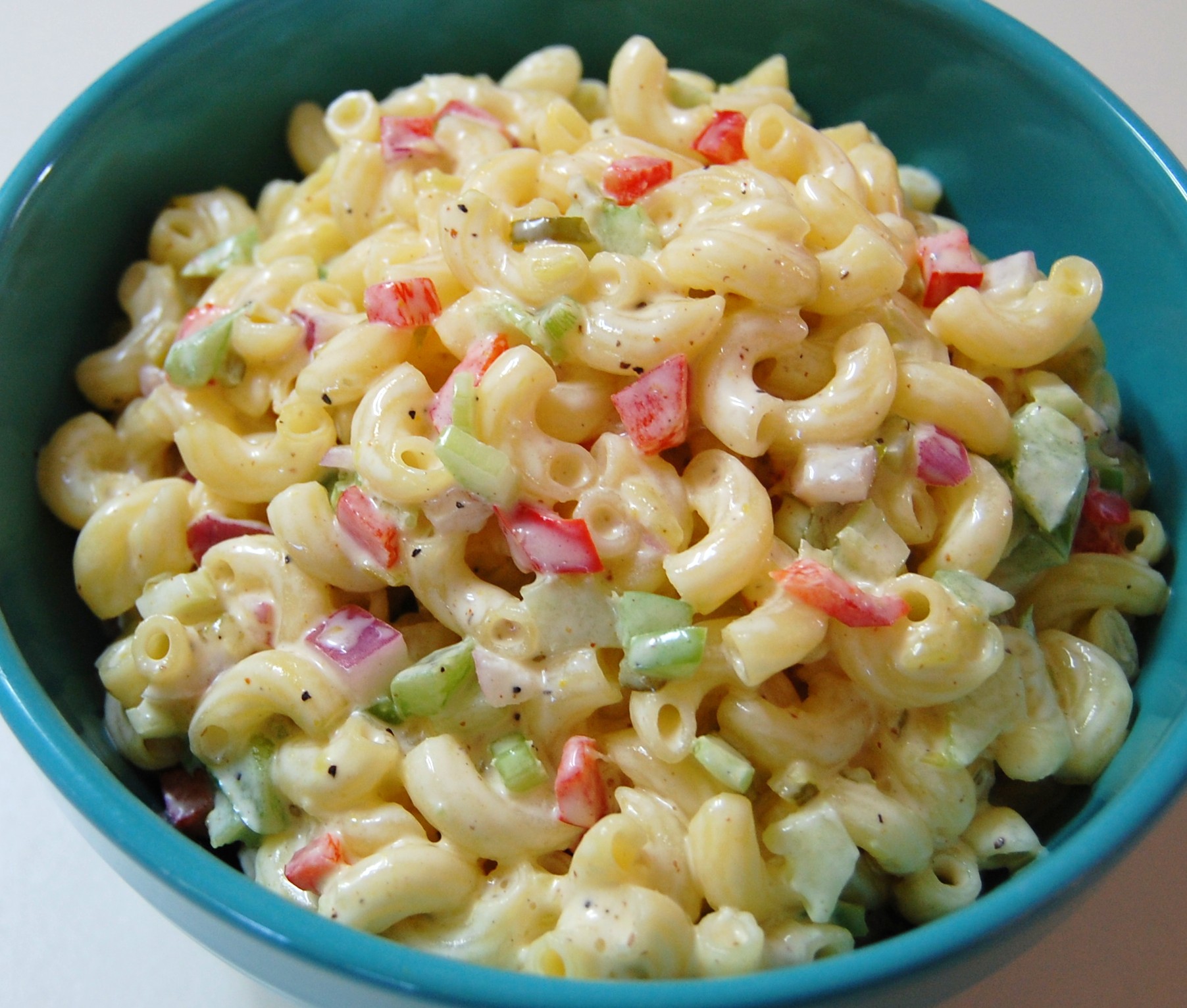
Getting the ingredients for macaroni salad right is the difference between a bowl that disappears at the cookout and one that sits untouched. Each component plays a specific role — whether it builds the creamy base, adds crunch, brings brightness, or deepens the overall flavor. This breakdown covers every ingredient from the pasta itself to the finishing spices, so cooks at any level know exactly what they’re working with and why it belongs in the bowl.
No guesswork, no vague “season to taste.” Just a clear look at what each ingredient does and how to use it well.
1. Elbow Macaroni
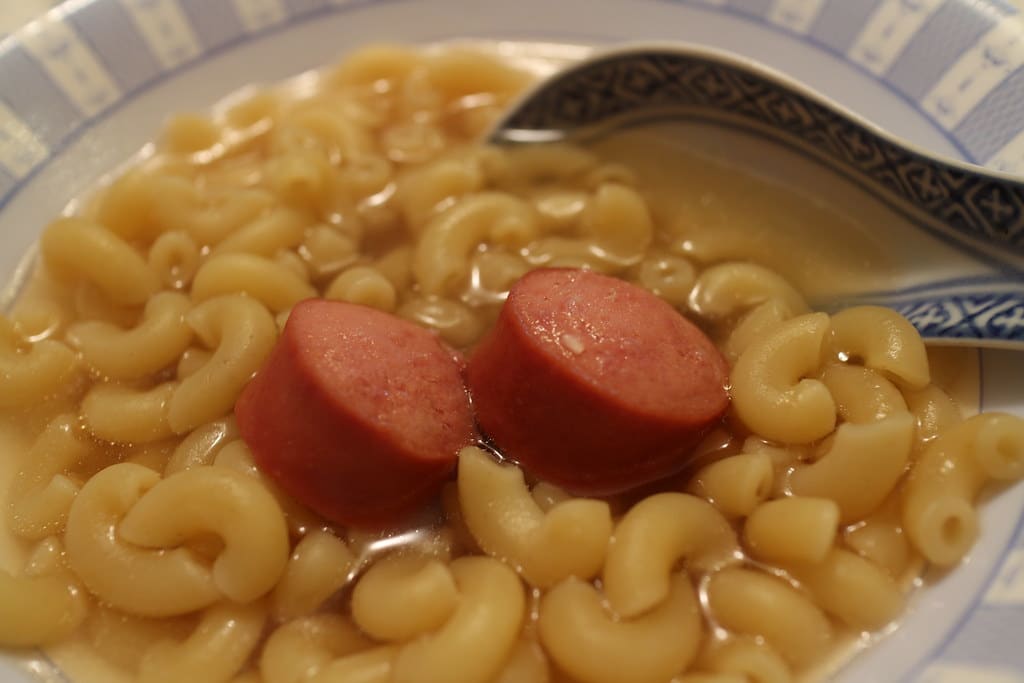
Elbow macaroni is the foundation of any classic macaroni salad, and its shape is functional, not just traditional. The short, curved tubes hold onto the creamy dressing inside their hollow centers, which means each bite delivers sauce along with pasta rather than leaving it pooled at the bottom of the bowl.
A standard batch uses 2 cups of dry elbow macaroni, which yields roughly 4 cups cooked. Cooking the pasta to al dente — firm with just a slight bite — is worth the attention. Overcooked elbows turn mushy once they absorb the dressing during refrigeration, and there’s no recovering that texture. After draining, rinsing the pasta with cold water stops the cooking process and prevents clumping.
Pro Tip: Salt the pasta water generously before cooking. This is the only opportunity to season the pasta itself, and it makes a noticeable difference in the final dish.
2. Mayonnaise
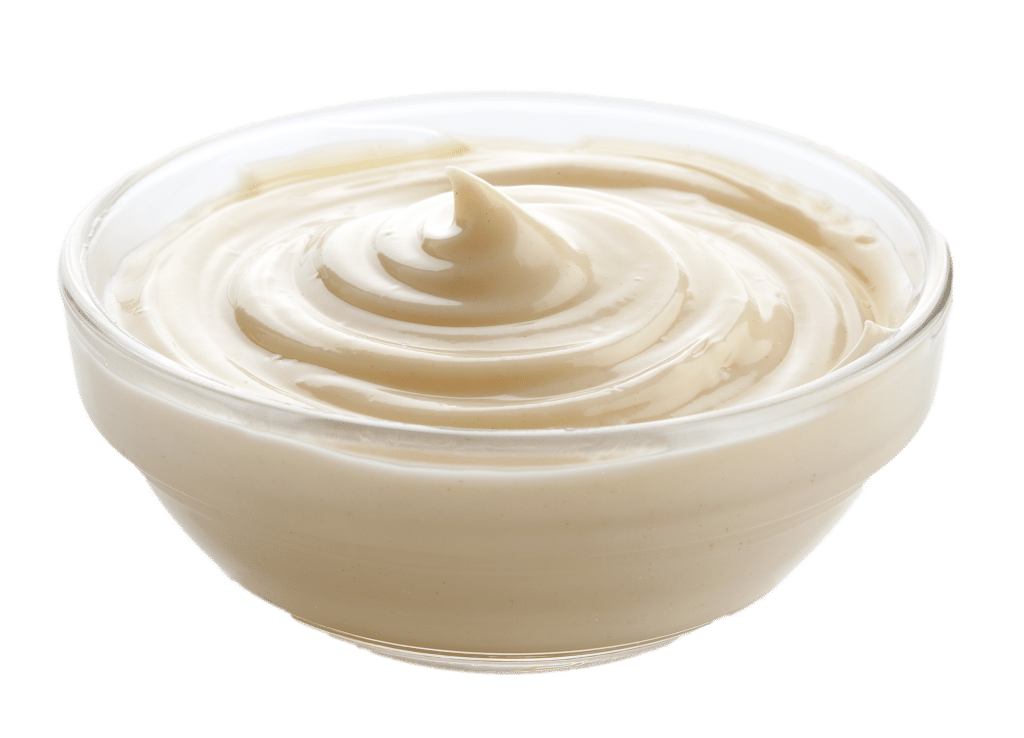
Mayonnaise is the backbone of the dressing. It creates the thick, creamy coating that brings all the ingredients together and gives macaroni salad its signature richness. Most recipes call for ½ to 1 cup, depending on how saucy the finished salad should be.
Full-fat mayonnaise produces the best texture and flavor. Duke’s and Hellmann’s are the two most commonly recommended brands among food professionals for their balance of tang and fat. Light mayo works as a substitute but produces a noticeably thinner, less flavorful dressing. Some cooks blend mayonnaise with a small amount of sour cream for added depth.
3. White Vinegar
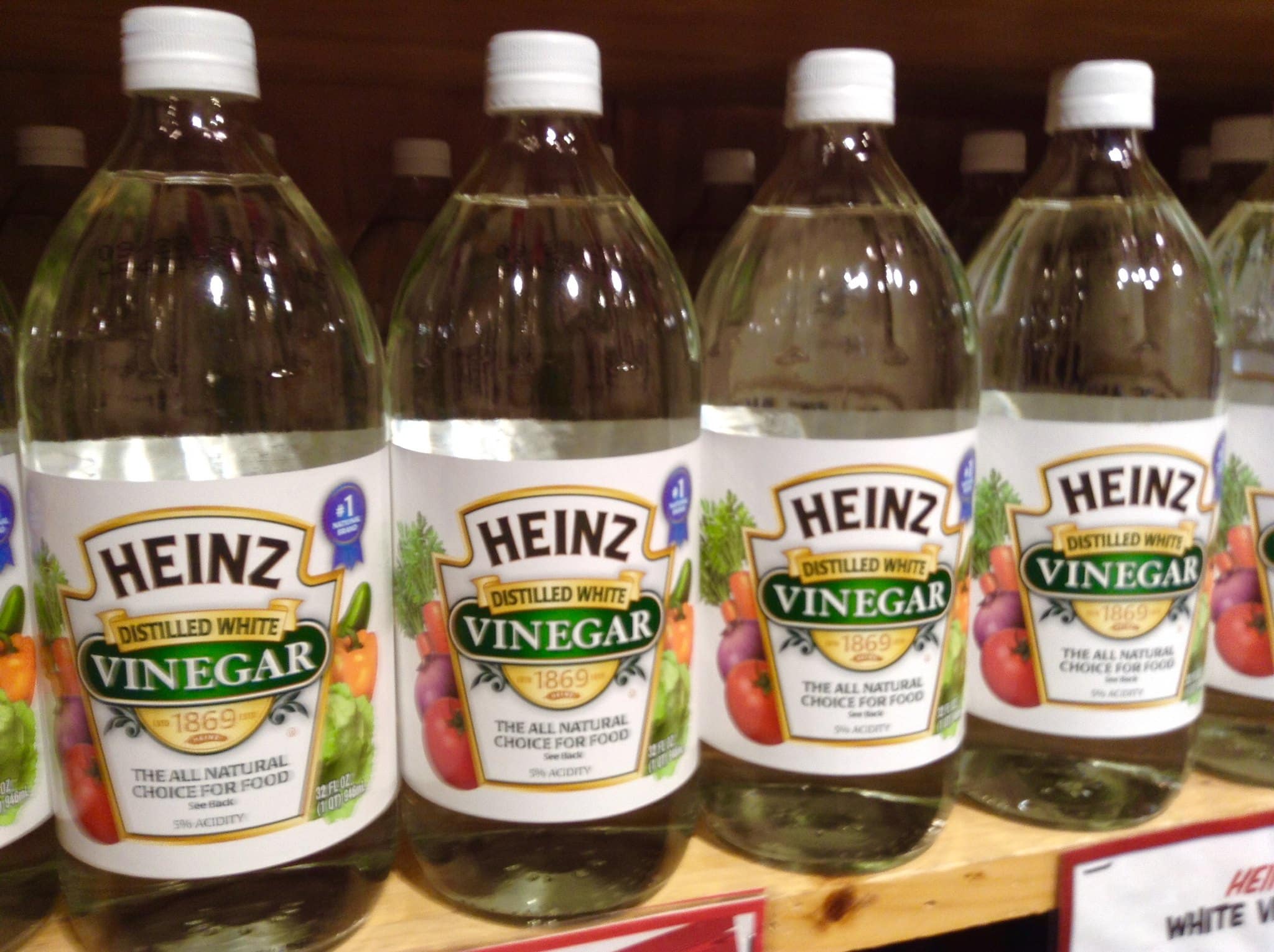
White vinegar cuts through the richness of the mayonnaise and gives the dressing its necessary brightness. Without an acidic element, macaroni salad tastes flat and heavy. One to two tablespoons is the standard range — enough to lift the flavor without making the dressing sharp.
Acidity also affects how the pasta holds up over time . A slightly acidic dressing slows the pasta from absorbing too much moisture, which helps the salad stay creamy rather than dry after a few hours in the refrigerator. Apple cider vinegar works as a milder substitute for those who prefer less sharpness.
4. Sugar
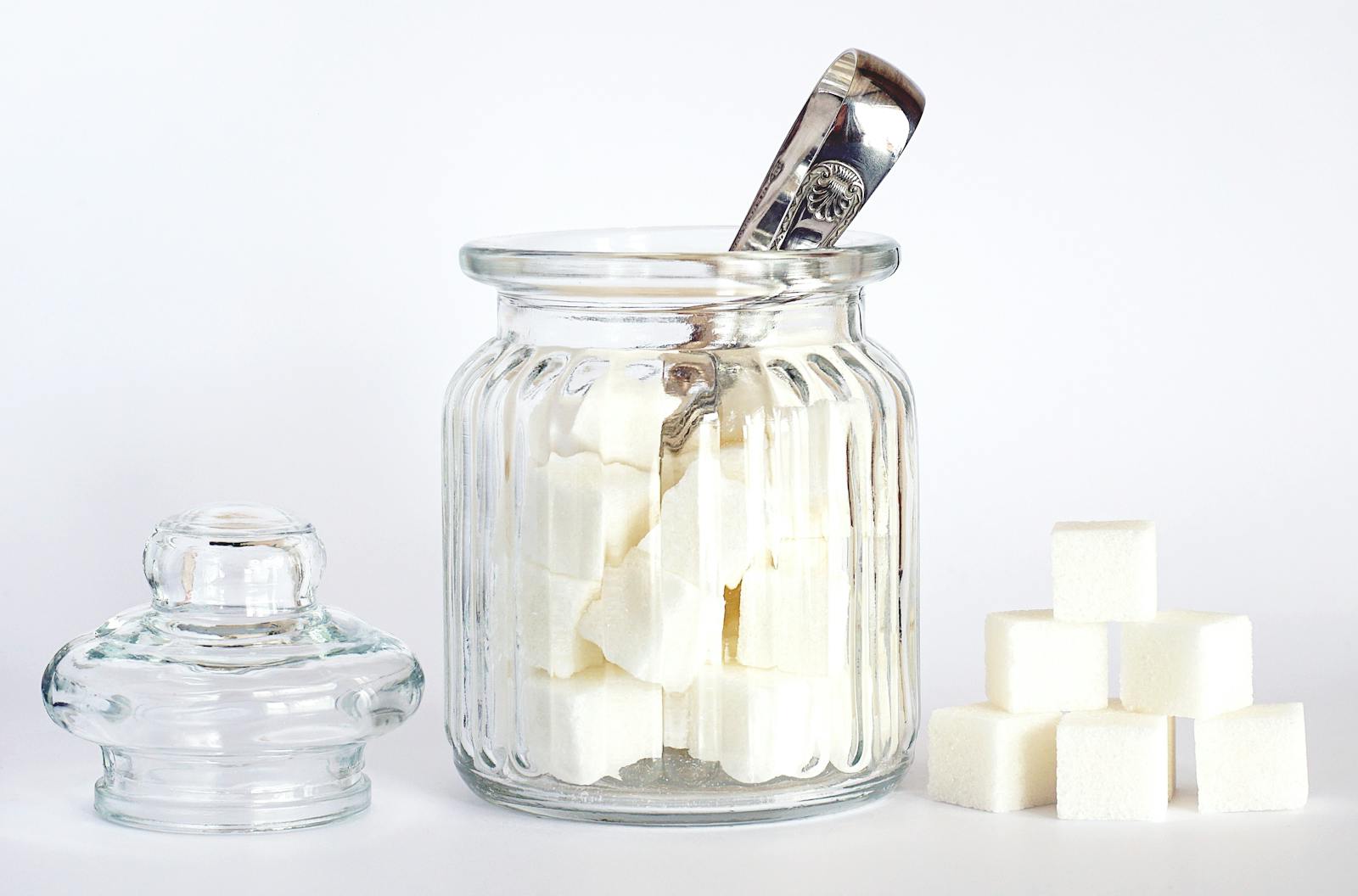
A small amount of sugar — typically one to two teaspoons — balances the vinegar and rounds out the dressing. This is the ingredient most often left out by home cooks, and its absence is immediately noticeable. The dressing tastes one-dimensional without it.
Sugar doesn’t make the salad sweet in an obvious way. It smooths the edges between the tangy vinegar, the sharp mustard, and the rich mayonnaise so the dressing reads as a cohesive flavor rather than a mix of competing notes. Granulated white sugar dissolves easily into the dressing, though honey works as a substitute at a 1:1 ratio.
Key Insight: The sugar-vinegar balance in the dressing is what separates a “good” macaroni salad from one people ask about. Start with one teaspoon of each and adjust from there.
5. Yellow Mustard
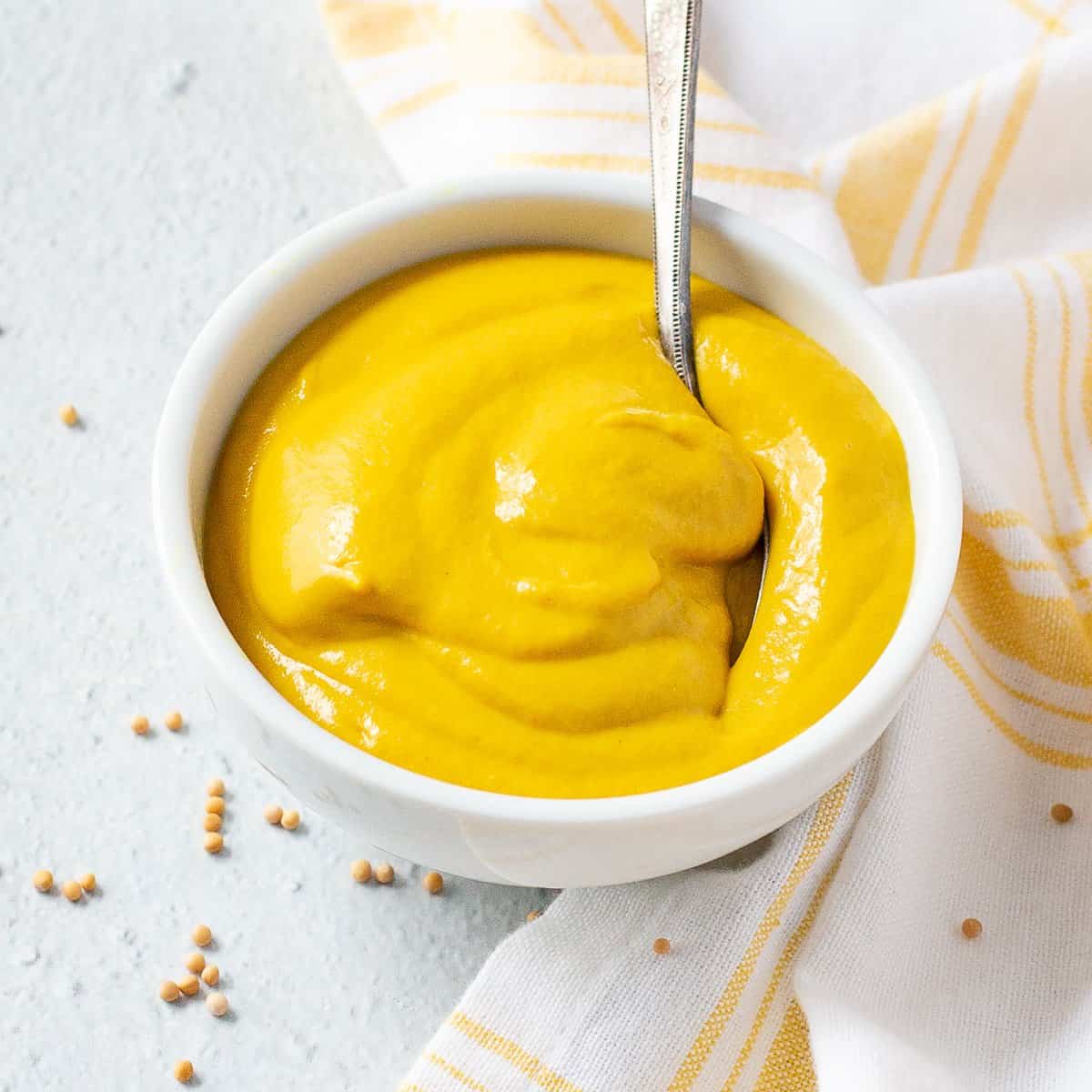
Yellow mustard contributes two things: a mild tang and an emulsifying effect that keeps the dressing from separating. One to two teaspoons is enough to add flavor without turning the salad into a mustard-forward dish.
Yellow mustard is milder and more traditional than Dijon or whole-grain varieties, which makes it the right choice for a classic macaroni salad. Mustard contains compounds that help bind oil and water-based ingredients , which explains why dressings made with mustard tend to stay creamy longer than those without it. For a slightly sharper dressing, Dijon can replace yellow mustard at a 1:1 ratio.
6. Celery
Celery provides the primary textural contrast in macaroni salad. Two to three stalks, finely diced, add crunch without bulk and a clean, slightly herbal flavor that keeps the salad from feeling heavy despite its creamy base.
Cutting celery into small, uniform pieces matters more than most cooks realize. Large chunks create uneven bites and can feel out of proportion to the small pasta. Dice the celery to roughly the same size as the pasta elbows so every forkful has a consistent mix of textures.
7. Red Onion
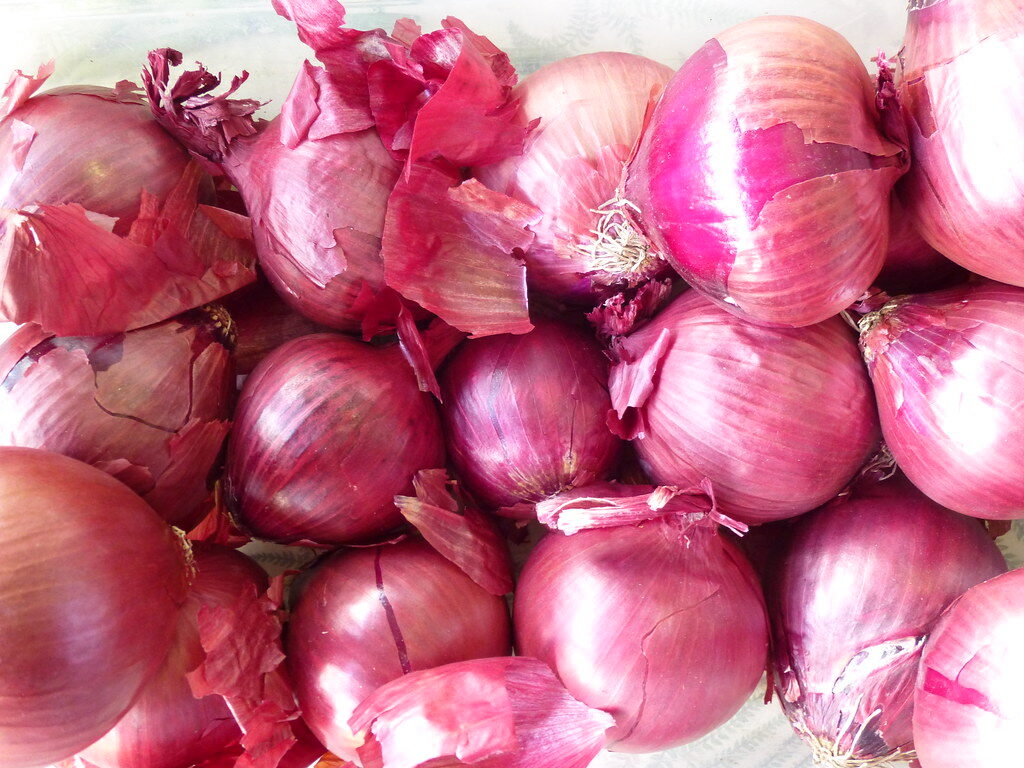
Red onion adds sharpness, color, and a pungent bite that keeps the salad interesting. A quarter cup of finely diced red onion is enough for a standard batch. Red onion is preferred over white or yellow varieties because its color adds visual contrast and its flavor mellows more predictably when left to sit in the acidic dressing.
For a milder onion flavor, soaking the diced onion in cold water for 10 minutes before adding it to the salad removes some of its sulfur compounds and significantly reduces the sharp bite without eliminating the flavor entirely.
8. Green Bell Pepper
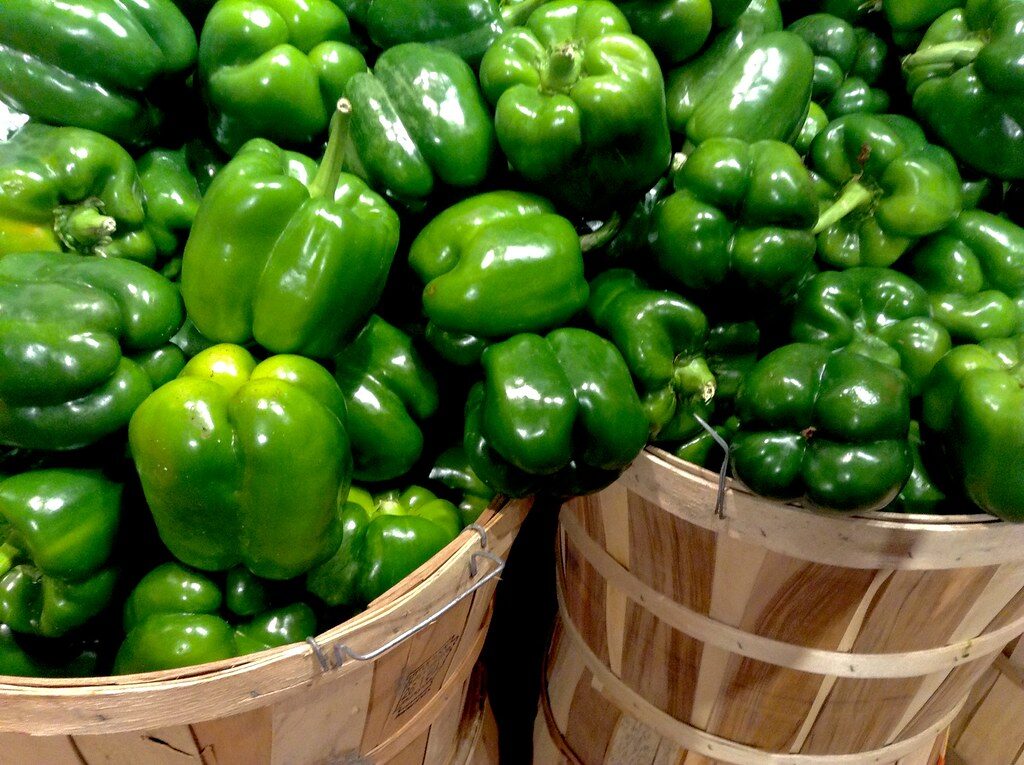
Green bell pepper adds another layer of crunch along with a slightly grassy, vegetal flavor that balances the richness of the dressing. A quarter to half cup, diced small, is the typical amount. Green peppers have a more pronounced, slightly bitter flavor compared to red or yellow varieties, which makes them a good foil for the sweeter elements in the dressing.
Common Mistake: Cutting bell pepper into large pieces is one of the most common textural errors in macaroni salad. Keep the dice small — roughly ¼ inch — so the pepper integrates into the salad rather than dominating individual bites.
9. Red Bell Pepper
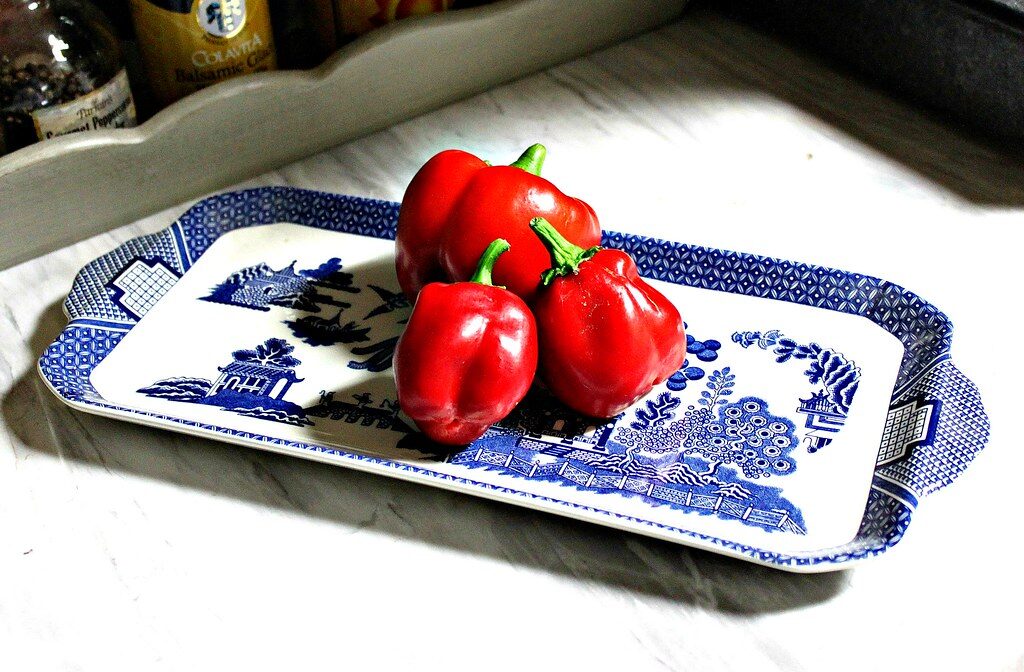
Red bell pepper brings sweetness and a pop of color that makes the salad more visually appealing. Where green pepper adds sharpness, red pepper softens the overall flavor profile. Using both peppers together creates balance: one adds complexity, the other adds brightness.
Red bell peppers are fully ripened green peppers , which is why they taste sweeter and have a higher vitamin C content. A quarter cup diced is enough to contribute flavor and color without overwhelming the other vegetables.
10. Hard-Boiled Eggs
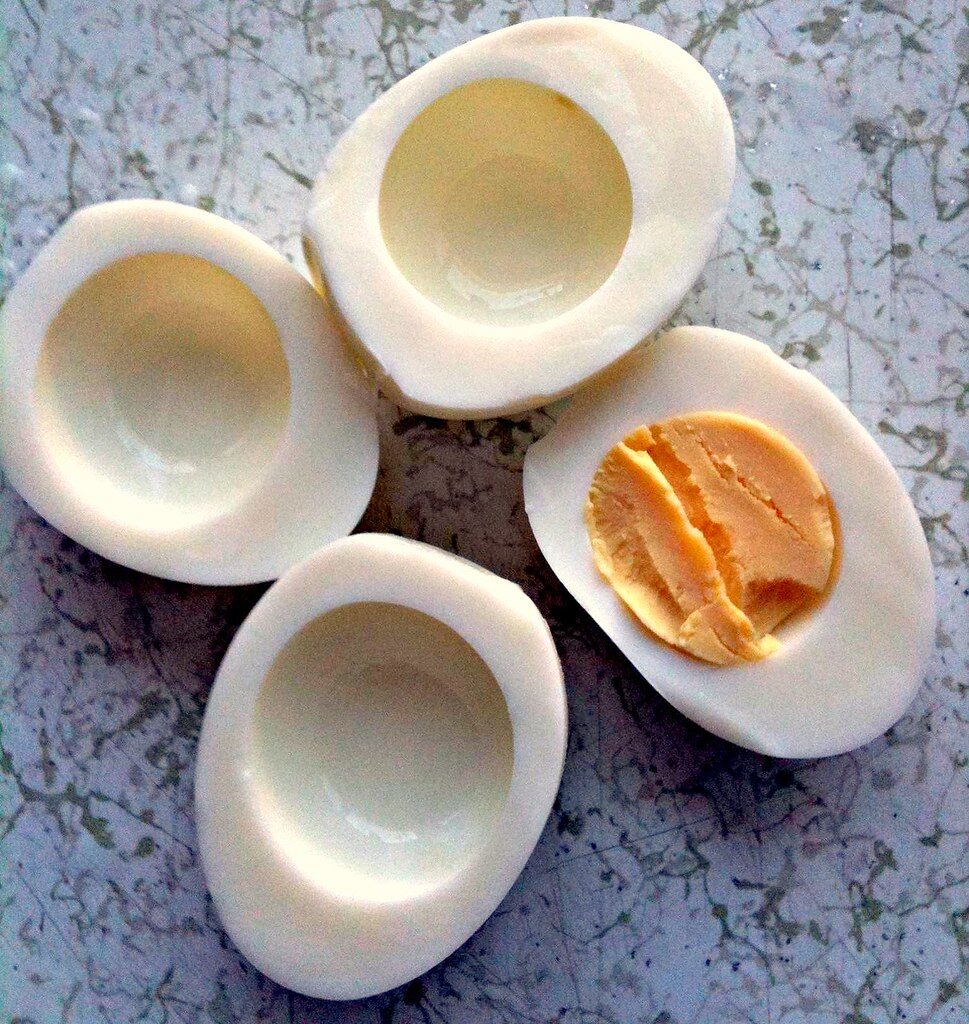
Hard-boiled eggs add richness, protein, and body to macaroni salad. Two to three eggs per batch is the standard ratio. Chop them into small pieces so they distribute evenly throughout the salad rather than appearing in isolated chunks.
Properly hard-boiled eggs — cooked for 10 to 12 minutes, then immediately transferred to an ice bath — have firm whites and fully set yolks without the gray-green ring that forms from overcooking. That ring is harmless, but it signals rubbery texture throughout the egg.
11. Sweet Pickle Relish
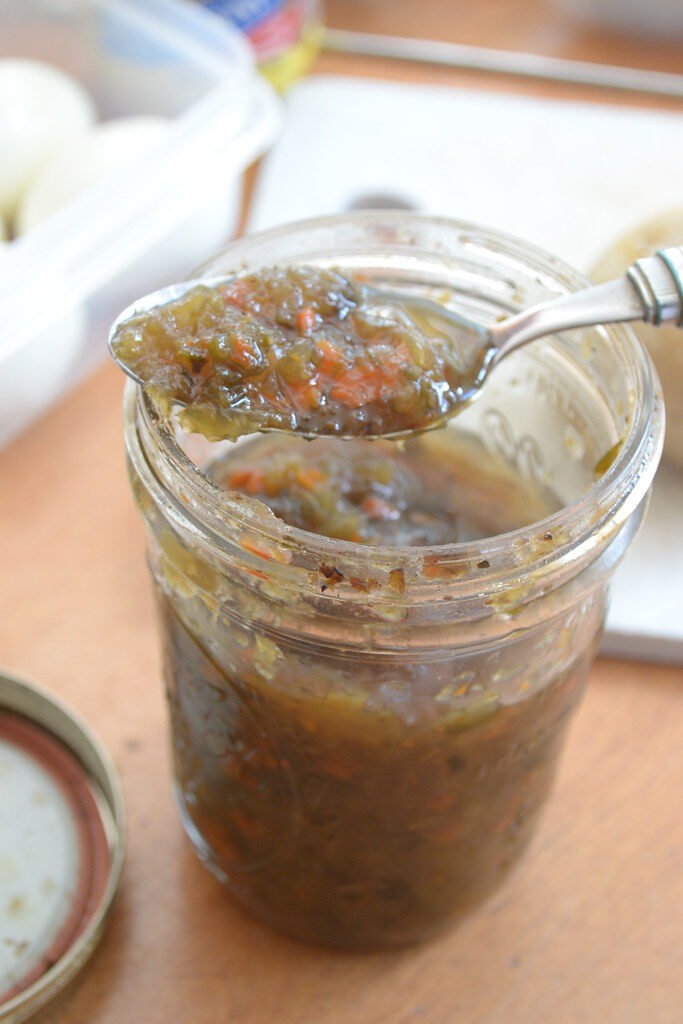
Sweet pickle relish adds briny sweetness and tiny bursts of tangy flavor throughout the salad. Two tablespoons is a good starting point. The small, finely chopped texture of relish lets it distribute more evenly than whole pickle slices, which means the flavor appears in nearly every bite rather than concentrated in one spot.
Dill relish works as a substitute for those who prefer a less sweet, more sour profile. Draining excess liquid from the relish before adding it prevents the dressing from becoming watery as the salad sits.
Important Note: Always taste the dressing after adding relish before adjusting salt. Relish carries a significant amount of sodium that can make additional salting unnecessary.
12. Salt
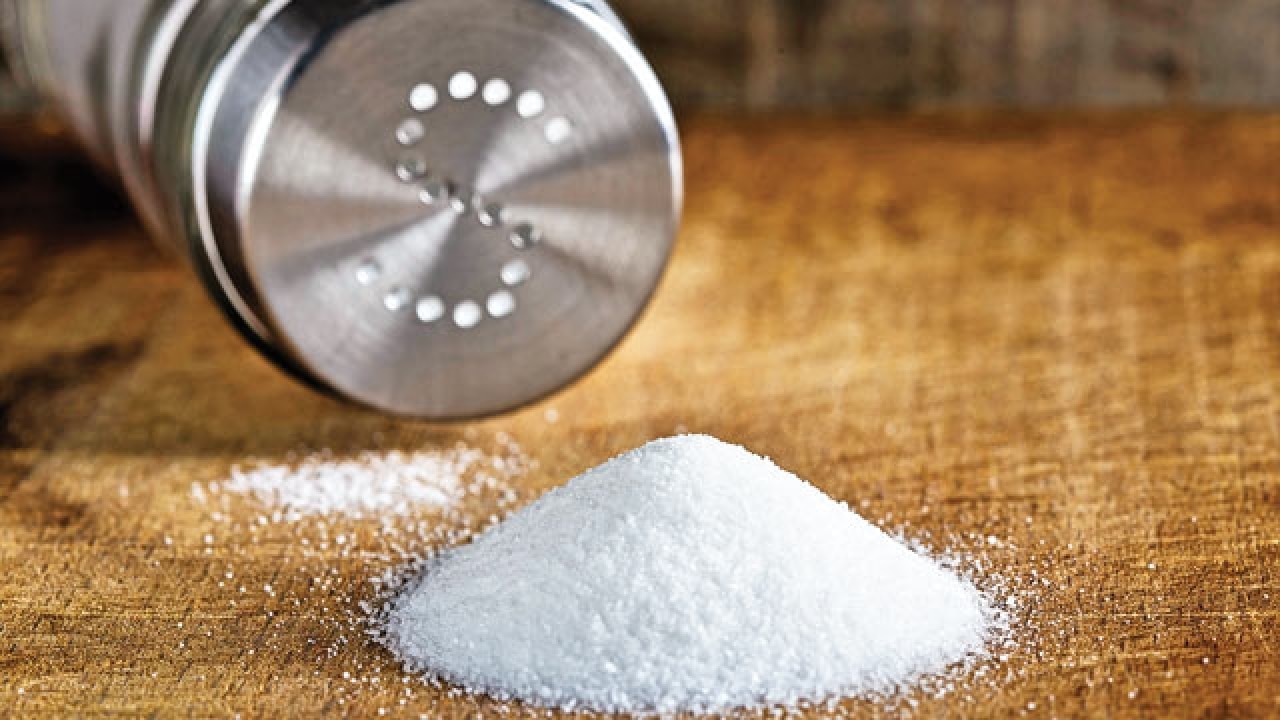
Salt amplifies every other flavor in the salad. Without adequate seasoning, even a well-balanced dressing tastes muted. The key is seasoning in layers: salting the pasta water during cooking, seasoning the dressing separately, and then tasting and adjusting after all ingredients are combined.
Start with half a teaspoon of kosher salt in the dressing and add more after mixing. The pasta and relish both contribute sodium, so tasting at the end prevents over-salting. Kosher salt is preferred over table salt in most professional kitchens because its larger flakes dissolve more evenly and are easier to pinch and control.
13. Black Pepper
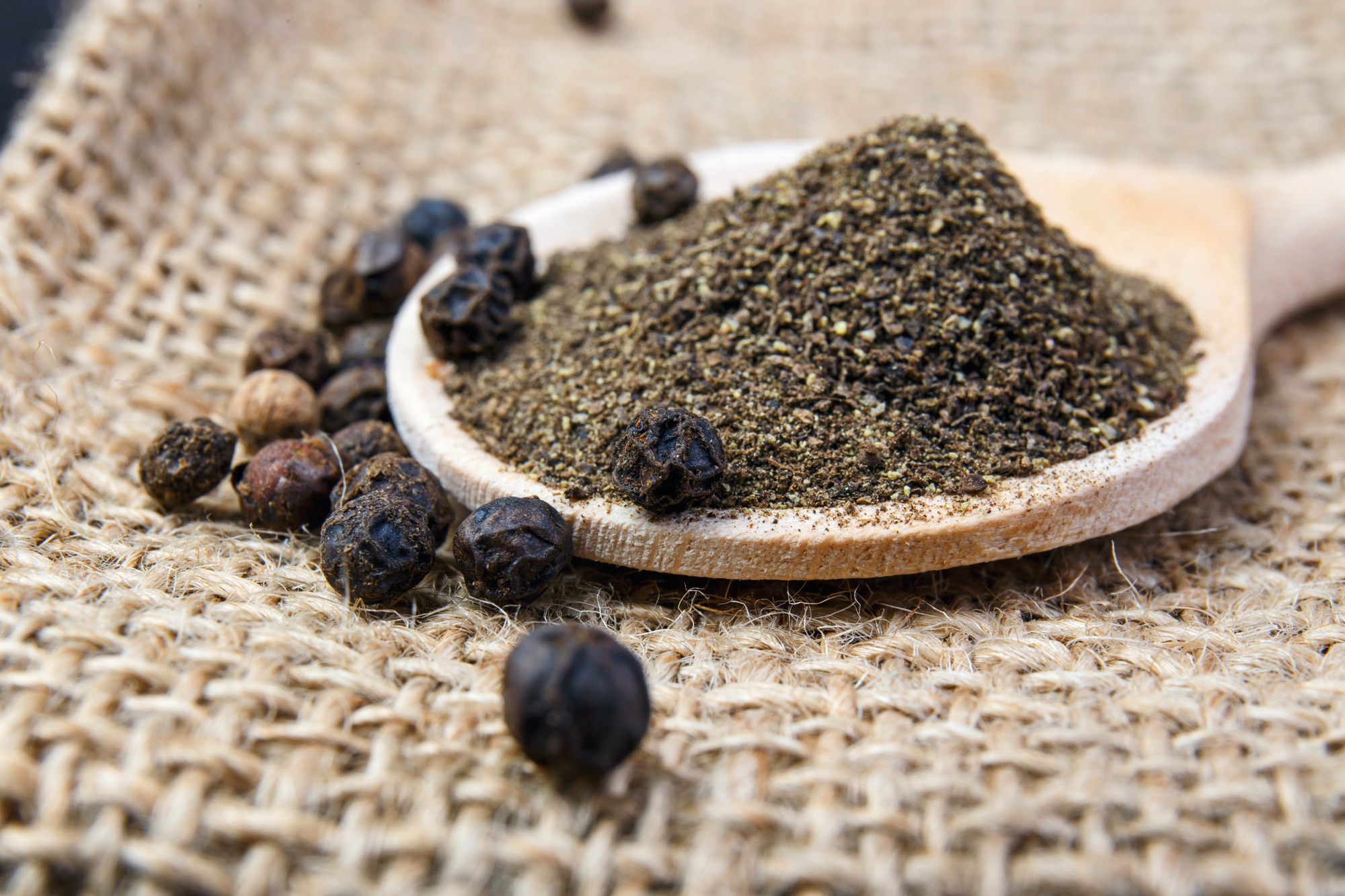
Black pepper adds mild heat and a subtle complexity that ties the savory elements of the salad together. Freshly ground black pepper delivers a noticeably more pronounced flavor than pre-ground, though either works. A quarter teaspoon is a safe starting point for a standard batch.
Pepper is often added to the dressing rather than sprinkled on top, which distributes the heat more evenly throughout the salad. Adding it to the finished dressing before tossing ensures every bite carries a consistent background warmth.
14. Paprika
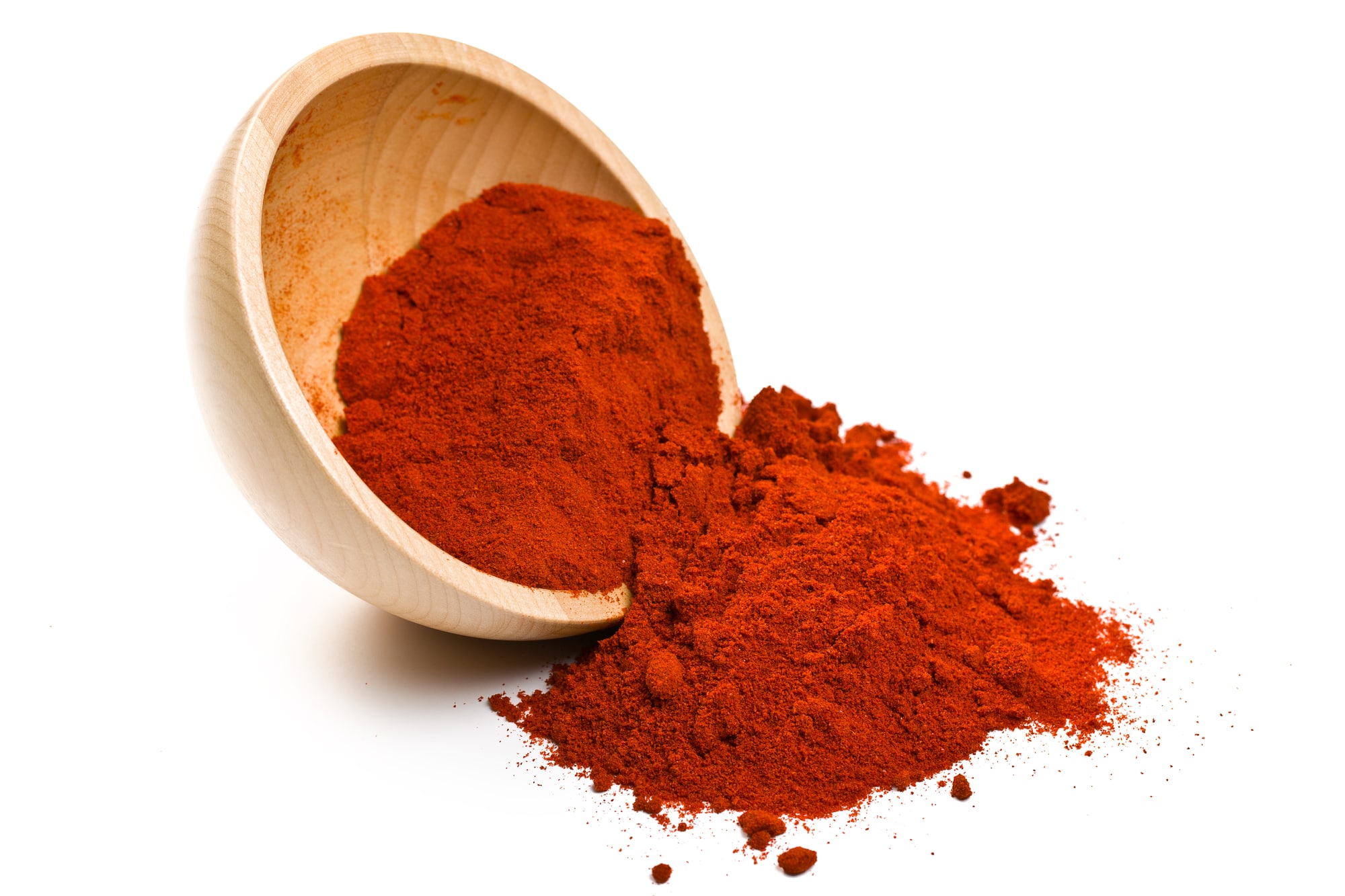
Paprika plays a dual role in macaroni salad: it adds a gentle, sweet smokiness to the flavor and a warm reddish hue to the dressing. Sweet paprika is the standard choice. Half a teaspoon stirred into the dressing is enough to color it slightly and add depth without making the paprika flavor prominent.
Smoked paprika is an effective variation for cooks who want a more savory, complex dressing. It’s also commonly used as a finishing garnish — a light dusting over the top of the finished salad adds color and signals what’s inside.
15. Garlic Powder
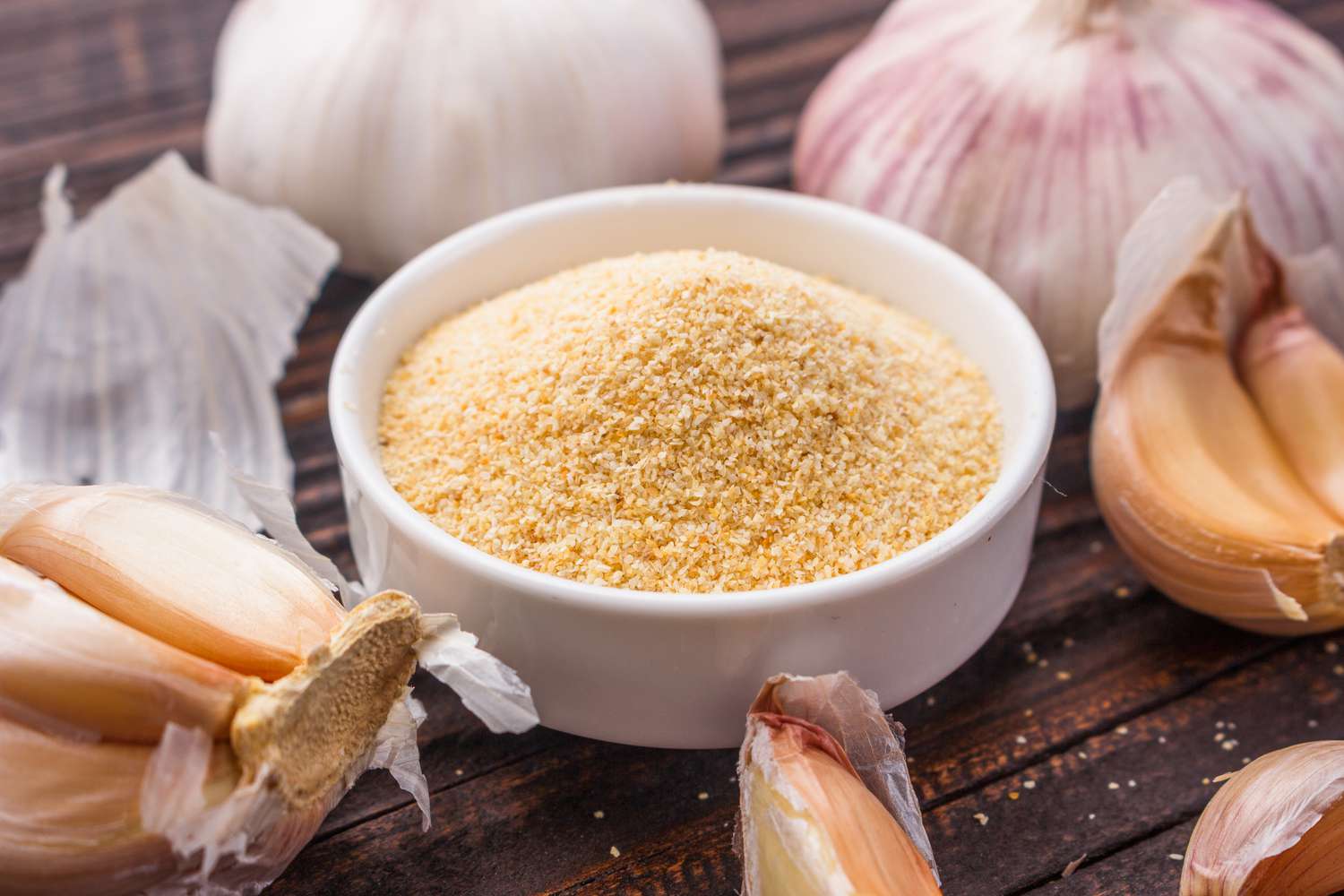
Garlic powder adds a background savory depth that fresh garlic can’t replicate in cold applications. Fresh garlic is sharp and raw when uncooked; garlic powder is mellow and evenly distributed. A quarter teaspoon per batch is enough to add presence without making garlic the dominant flavor.
Garlic powder dissolves directly into the mayonnaise-based dressing, which means it coats every ingredient evenly. Adding it to the dressing before tossing — rather than sprinkling it over the mixed salad — ensures consistent flavor throughout.
16. Celery Seed (Optional)
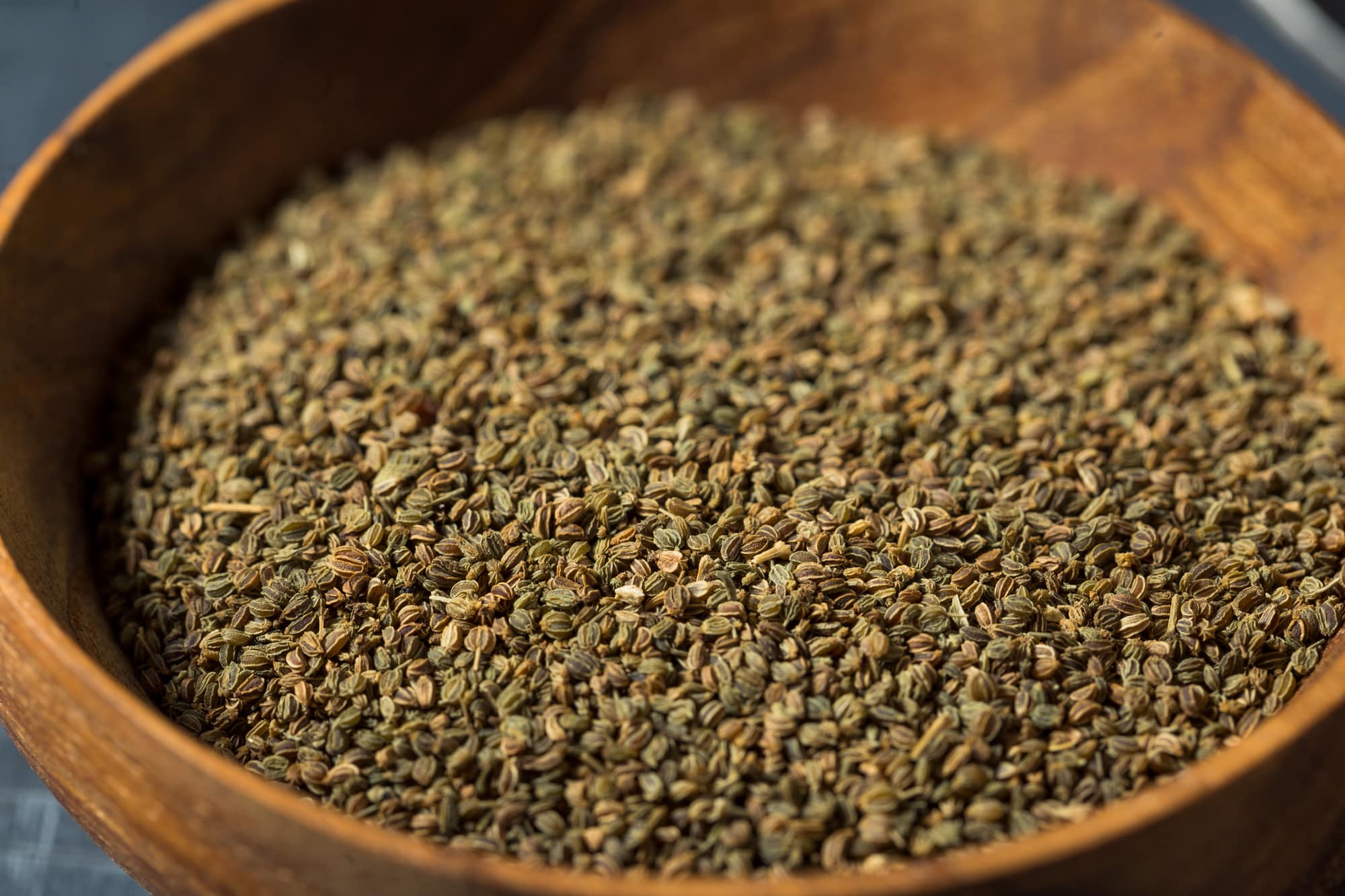
Celery seed is an optional ingredient that amplifies the celery flavor already present in the salad without adding more bulk or texture. A quarter teaspoon adds a concentrated herbal note that reads as distinctly “classic deli-style” to anyone who grew up eating macaroni salad from a grocery store deli counter.
Celery seed is not the same as celery salt . Celery salt contains added sodium, so substituting it without reducing the other salt in the recipe will over-season the salad. Use celery seed when the goal is pure celery flavor, not added salt.
17. Pimento (Optional)
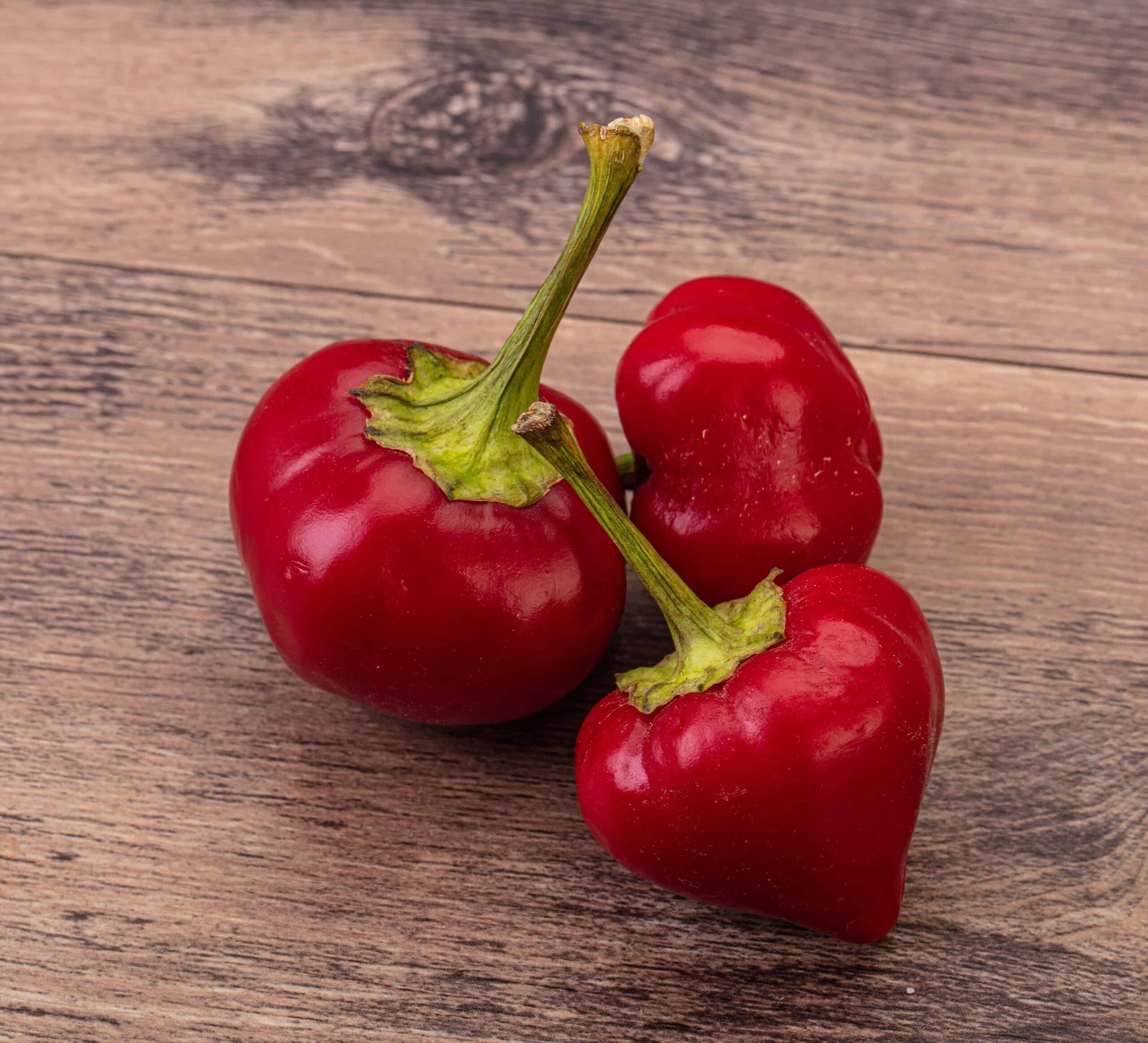
Pimento peppers — small, sweet red peppers sold jarred and diced — add a mild sweetness and another layer of red color to the salad. They’re softer and less pronounced than fresh bell pepper, which makes them a good option when the goal is color and subtle sweetness without added crunch.
Two tablespoons of drained, diced pimento is a standard addition. They’re especially common in Southern-style macaroni salad recipes, where they pair well with the sweeter dressing profile typical of that regional variation.
18. Shredded Carrots (Optional)
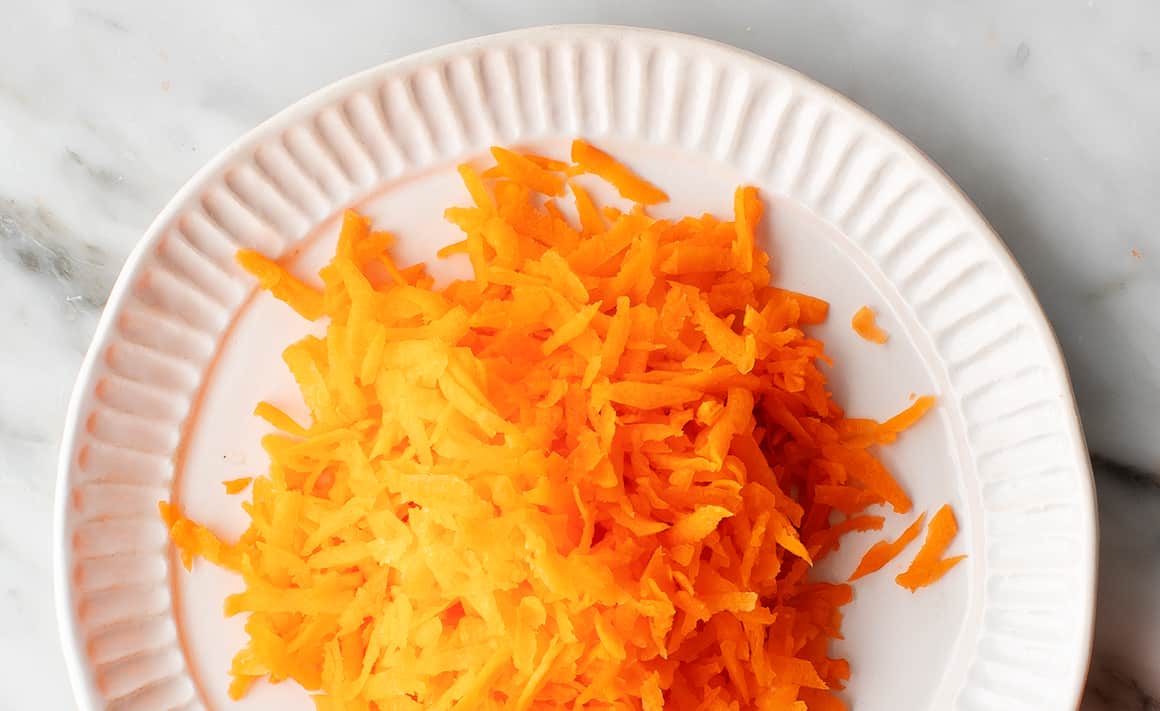
Shredded carrots add a subtle sweetness, a bright orange color, and a tender crunch that’s gentler than celery or bell pepper. A quarter cup is enough to add color and flavor without changing the overall character of the salad.
Carrots work particularly well in macaroni salads served at family gatherings where the dish needs broad appeal. Their mild sweetness complements the dressing without competing with other ingredients. Pre-shredded carrots from the produce section save time and produce a finer texture than hand-grating.
Pro Tip: Pat shredded carrots dry with a paper towel before adding them. Excess moisture from carrots can dilute the dressing after the salad sits in the refrigerator.
19. Frozen Peas (Optional)
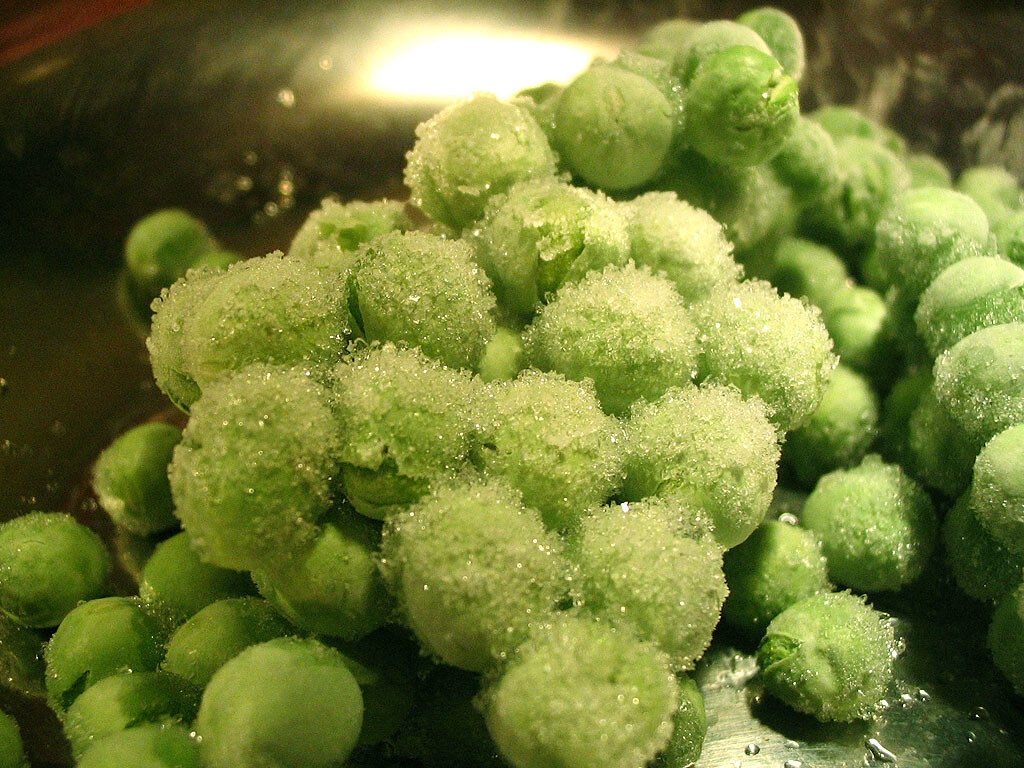
Frozen peas add small pops of sweetness, a bright green color, and a soft texture that contrasts nicely with the firmer vegetables. They don’t need to be cooked — adding them frozen to the finished salad is fine, as they thaw quickly in the refrigerator and stay firm rather than turning mushy.
A half cup is a typical addition. Frozen peas retain more nutrients than canned because they’re processed within hours of harvest, though the flavor difference in a dressed salad is minimal. They’re a good choice for adding color and a little sweetness to an otherwise savory bowl.
20. Cheddar Cheese (Optional)
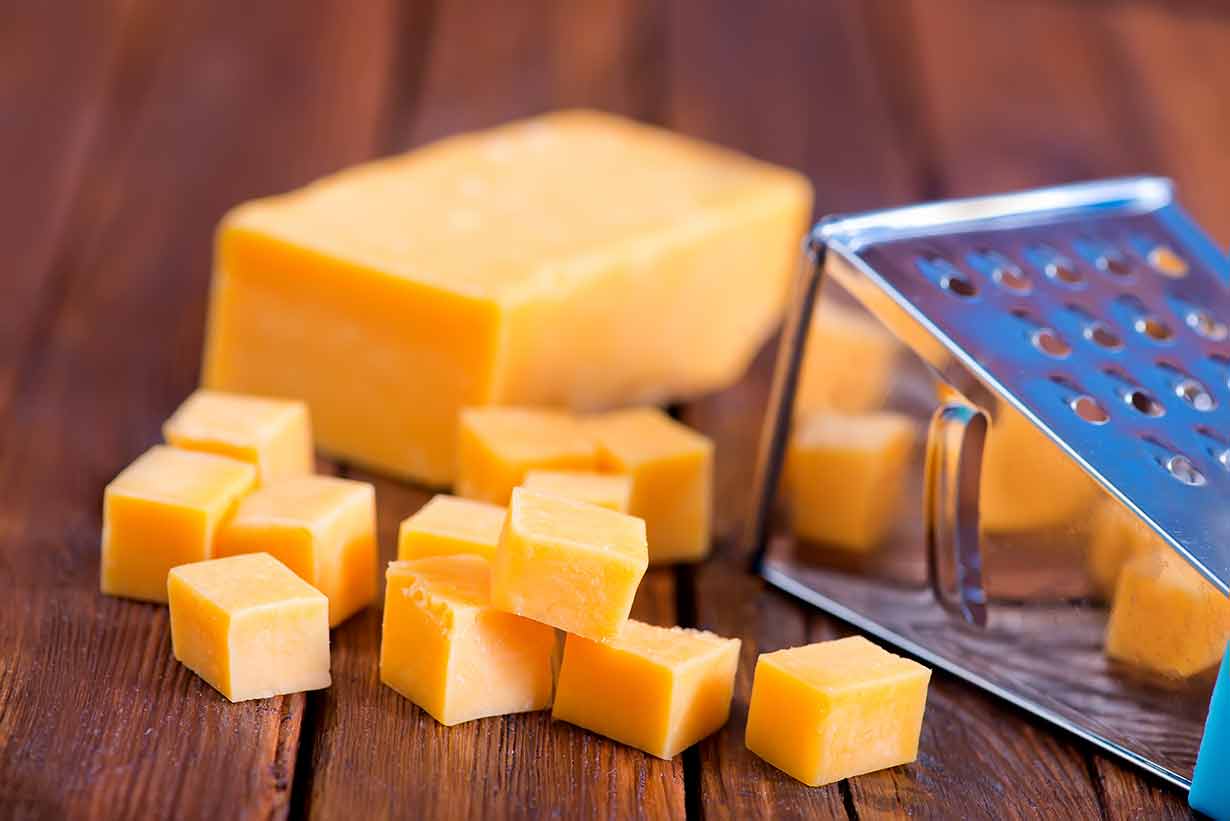
Cubed or shredded cheddar cheese adds richness, a subtle sharpness, and a satisfying chewiness that turns macaroni salad into something closer to a full side dish. Sharp cheddar delivers the most flavor; mild cheddar blends in more quietly. A half cup of small cubes or shreds per batch is enough without making the salad feel heavy.
Cheese is best added right before serving rather than during initial prep. It can absorb dressing and become slightly greasy after extended refrigeration, especially when shredded rather than cubed.
21. Bacon Bits (Optional)
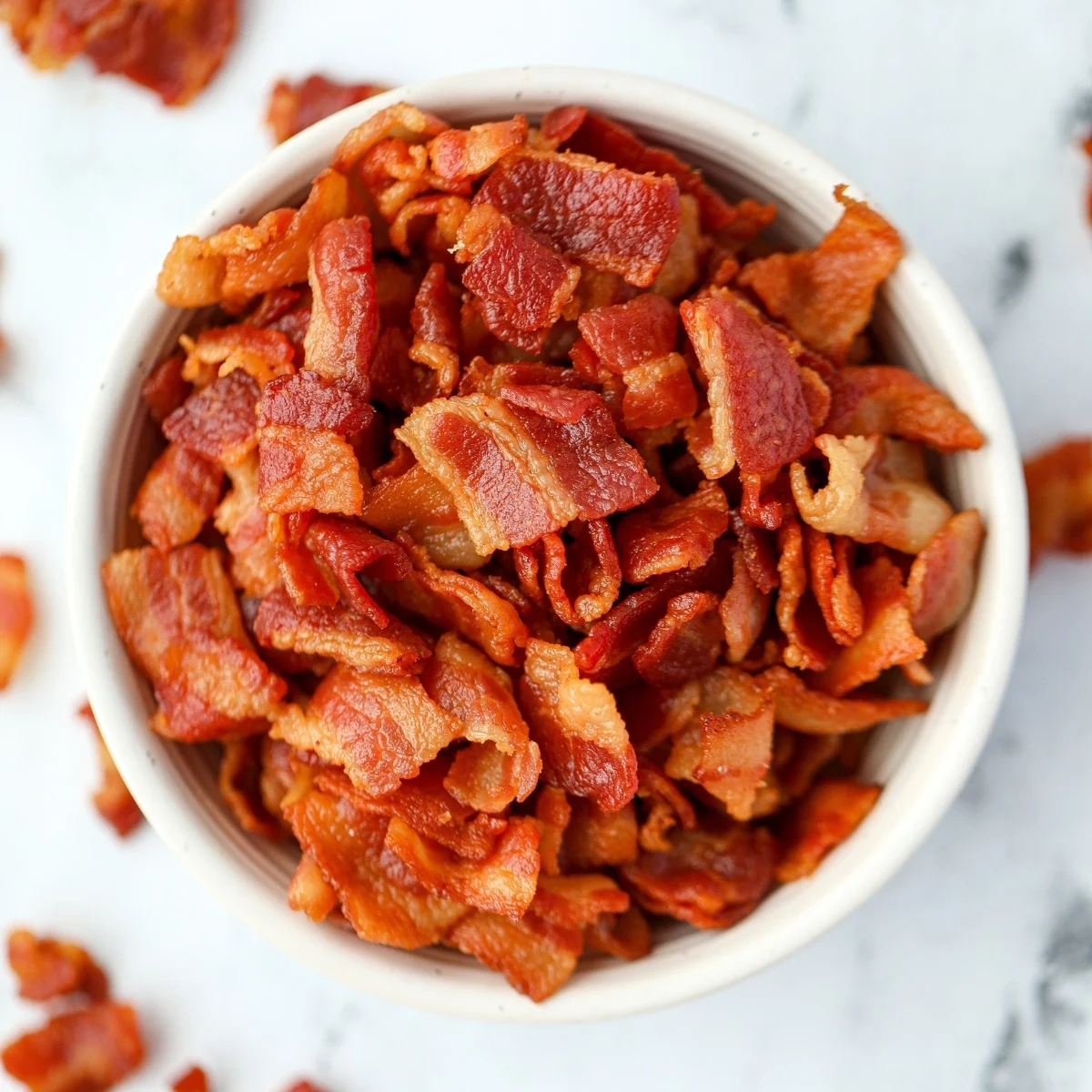
Bacon bits add smokiness, salt, and a crispy texture that makes macaroni salad more indulgent. Real bacon — cooked and crumbled — performs significantly better than shelf-stable imitation bacon bits, which tend to be soft and one-dimensionally salty.
A quarter cup of crumbled bacon is a good starting point. Like cheese, bacon is best added close to serving time to preserve its texture. Bacon added hours in advance will soften as it absorbs moisture from the dressing and other ingredients.
22. Fresh Parsley (Optional)
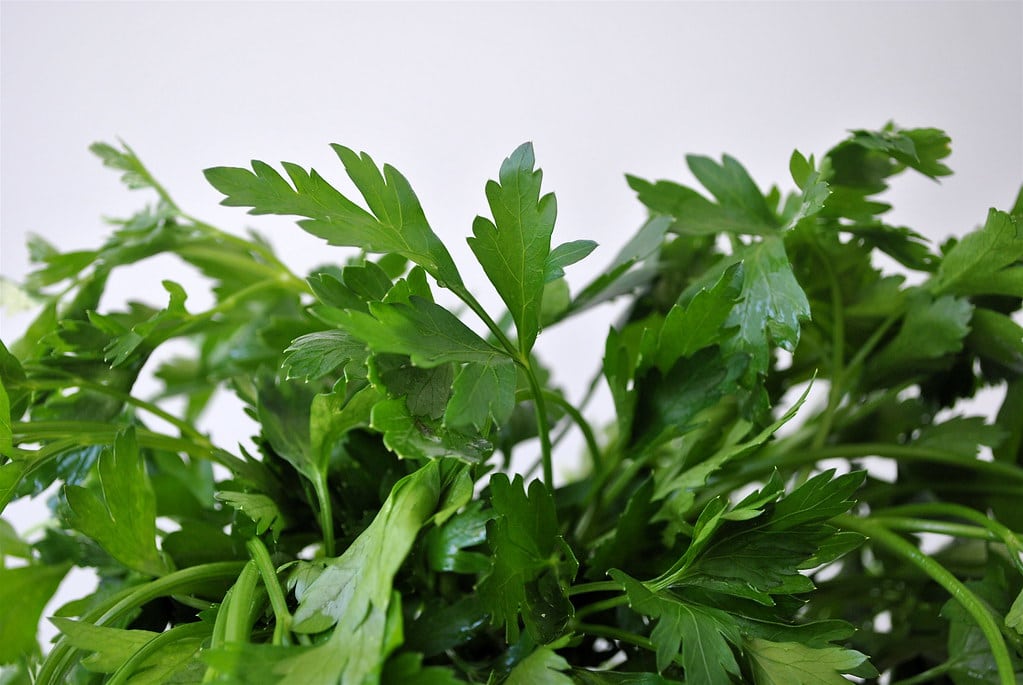
Fresh parsley is the finishing touch that adds color, a clean herbal brightness, and a visual cue that the dish was made with attention. Two tablespoons of finely chopped flat-leaf parsley stirred in just before serving is enough to add freshness without making the herb flavor prominent.
Flat-leaf (Italian) parsley has a more pronounced flavor than curly parsley, which makes it the better choice when the parsley is meant to contribute to the taste rather than just decorate the top of the bowl. Adding it at the last minute preserves its color and prevents it from wilting into the dressing.
Conclusion
The ingredients for macaroni salad divide into three clear categories: the structural base (elbow macaroni), the dressing components (mayonnaise, white vinegar, sugar, yellow mustard, salt, black pepper, paprika, garlic powder), and the mix-ins that add texture, color, and flavor variety (celery, red onion, bell peppers, hard-boiled eggs, sweet pickle relish). The optional ingredients — celery seed, pimento, shredded carrots, frozen peas, cheddar cheese, bacon bits, and fresh parsley — are where personal style comes in.
The core recipe is consistent across most classic versions. The optional add-ins are where individual preference shapes the final bowl. Start with the essentials, taste the dressing before tossing, and add optional ingredients one at a time to understand what each one contributes.