Painting While Pregnant: What’s Safe, What’s Not, and What to Use Instead

March 11, 2026
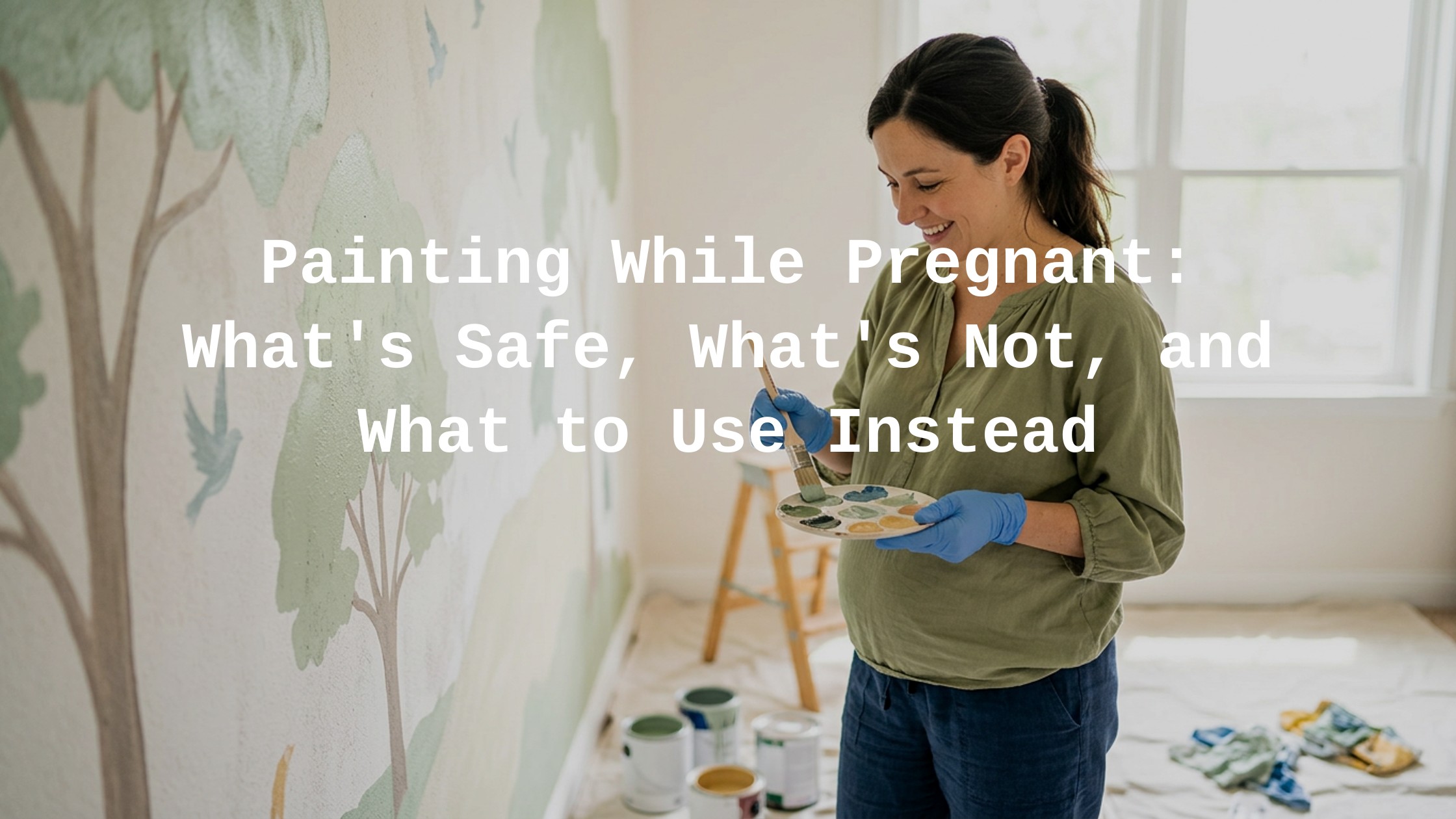
You’ve finally decided on the perfect color for the nursery — and then someone tells you to put the paintbrush down. But is that advice actually grounded in science, or is it just another round of unsolicited pregnancy caution?
The answer is more nuanced than a flat yes or no. Painting while pregnant carries real considerations worth understanding, but it doesn’t automatically mean you need to hand the roller off to someone else entirely. What matters most is the type of paint, your trimester, the ventilation in the room, and how long you’re exposed.
This guide breaks down exactly what the research says, which paints are genuinely risky, and how to protect yourself if you do decide to pick up a brush — so you can make a confident, informed decision for you and your baby.
The Short Answer
Painting while pregnant is generally considered low-risk when you use the right type of paint, keep the space well-ventilated, limit your exposure time, and avoid painting during your first trimester when fetal organ development is most active.
The biggest concern isn’t the act of painting itself — it’s the chemical compounds found in certain paints, particularly volatile organic compounds (VOCs). These are the gases that evaporate from paint as it dries, and they’re what cause that sharp, lingering smell. Some VOCs have been linked to developmental risks when exposure is prolonged or occurs in poorly ventilated spaces.
Key Insight: Modern latex and water-based paints have significantly lower VOC levels than older oil-based formulas. Choosing a zero-VOC or low-VOC paint dramatically reduces your risk profile.
The short version: if you’re healthy, past your first trimester, using a low- or zero-VOC water-based paint, and working in a well-ventilated room for short sessions, the risk is considered minimal by most medical guidelines. If any of those conditions can’t be met, it’s worth stepping back and letting someone else take over.
Why It’s Safe — or Why It’s a Concern
Paint safety during pregnancy comes down to chemistry. Not all paints are created equal, and the risk level varies significantly depending on what’s actually in the formula you’re using.
Water-based latex paints are the safest option for pregnant women. They contain far fewer harmful solvents than oil-based alternatives, dry more quickly (which reduces inhalation time), and are now widely available in zero-VOC formulations. The American Pregnancy Association notes that while latex paint does contain some chemicals, the risk of harm is considered low with proper precautions.
Oil-based paints are a different story. They contain higher concentrations of solvents — including compounds like toluene, xylene, and benzene — that off-gas more heavily and for longer periods. These solvents are associated with a higher risk of absorption through the lungs and skin, making prolonged exposure a genuine concern during pregnancy.
Spray paints and lead-based paints sit at the highest risk level. Aerosol spray paints release fine particles that are easily inhaled, and any home built before 1978 may still have lead-based paint on its walls. The CDC’s occupational health guidelines specifically flag lead exposure as dangerous during pregnancy, with no safe threshold established for fetal development.
Important Note: If your home was built before 1978, have it tested for lead paint before starting any painting or renovation project. Disturbing lead paint — even by sanding or scraping — releases particles that are far more dangerous than fresh paint fumes.
Beyond paint type, the concern also scales with your role. Touching up one wall in an afternoon is very different from professional painting work, where daily, prolonged exposure to mixed chemical formulas is the norm. For expectant mothers doing occasional home projects, the risk profile is much lower than for those in occupational settings.
What the Research Actually Says
The scientific literature on painting and pregnancy is reassuring for occasional DIY painters — but does raise flags for occupational exposure. Here’s what the evidence actually shows.
A large body of research has focused on professional painters and women who work in industries with regular solvent exposure. A study published in Environmental Health Perspectives found that occupational exposure to solvents during the first trimester was associated with an increased risk of miscarriage and certain birth defects. However, the keyword here is occupational — meaning daily, prolonged, high-concentration exposure in poorly ventilated commercial environments.
For the average pregnant person painting a room at home, the exposure levels are substantially lower. The MotherToBaby organization , which specializes in evaluating pregnancy exposures, states that occasional exposure to paint in a well-ventilated area is unlikely to cause harm to a developing baby.
Pro Tip: MotherToBaby offers a free helpline and fact sheets specifically for pregnant women concerned about chemical exposures. It’s one of the most evidence-based resources available for pregnancy safety questions.
The first trimester remains the period of greatest concern across most studies. This is when the neural tube, heart, and major organ systems are forming — making the embryo most vulnerable to any chemical disruption. Research consistently suggests that if painting must be done, the second trimester is the safest window.
What the research does not support is the idea that walking past a freshly painted room or spending a short time in a painted space will harm your baby. The dose makes the poison, and brief, incidental exposure to modern low-VOC paints falls well below thresholds associated with harm in the scientific literature.
How to Do It Safely
If you’ve decided to paint — or you simply need to be present while painting happens — there are concrete steps you can take to minimize your exposure and keep both you and your baby safe.
Choose the Right Paint
- Select zero-VOC or low-VOC water-based latex paint whenever possible. Many major brands now offer these formulations without sacrificing color range or coverage quality. Check out paint options for different surfaces to find formulas suited to your project.
- Avoid oil-based paints, alkyd paints, and any formula requiring mineral spirits or paint thinner as a cleanup solvent.
- Skip spray paints entirely — the fine aerosol particles are inhaled more deeply into the lungs than brush- or roller-applied paint.
- Look for paints certified by GREENGUARD Gold or the EPA’s Safer Choice label, which indicate independently verified low chemical emissions.
Optimize Your Environment
- Open all windows and doors before you start, and keep them open throughout the entire painting session and drying period.
- Use fans to push fumes outward — position them to blow air out of the room, not just circulate it.
- Take frequent breaks outside in fresh air. A good rule of thumb is 15–20 minutes of painting followed by a break outdoors.
- Stay out of freshly painted rooms until they are fully dry and the smell has completely dissipated — typically 24–72 hours depending on the paint and ventilation.
Protect Your Body
- Wear a properly fitted respirator mask rated for organic vapors — a standard dust mask does not filter VOCs.
- Wear gloves to prevent skin absorption of paint chemicals, and cover your arms and legs with old clothing.
- Wash hands thoroughly after any painting session, especially before eating or touching your face.
- Avoid eating or drinking in the room where painting is happening.
Trimester Considerations
Your trimester matters more than most people realize when it comes to painting safety.
| Trimester | Risk Level | Recommendation |
|---|---|---|
| First (Weeks 1–12) | Highest | Avoid painting entirely if possible; organ development is most active |
| Second (Weeks 13–26) | Lowest relative risk | Safest window for painting with full precautions in place |
| Third (Weeks 27–40) | Moderate | Proceed with caution; fatigue, balance changes, and reduced lung capacity increase risk |
During the third trimester, physical limitations also come into play. Bending, reaching overhead, and standing for extended periods become more difficult and carry their own risks. If you’re decorating a nursery, the second trimester is the sweet spot — and smart paint strategies for small spaces can help you get the most out of a single painting session.
Pro Tip: Plan your nursery painting project for weeks 14–20 if possible. You’ll have the most energy, the lowest risk window, and enough time for the room to fully air out before your third trimester begins.
When to Avoid It Completely
There are specific circumstances where the right answer is to step away from the project entirely and let someone else handle it — no exceptions.
Avoid painting completely if:
- You are in your first trimester, especially weeks 3–10 when neural tube and organ formation is occurring.
- The space cannot be adequately ventilated — small rooms, basements, or enclosed areas without windows.
- You are using oil-based paints, epoxy paints, or spray paints that require solvent-based cleanup.
- You are stripping, sanding, or scraping old paint, which releases concentrated particles and may disturb lead-based layers.
- You have a high-risk pregnancy, a history of miscarriage, or a condition that affects respiratory function — always defer to your OB-GYN’s specific guidance.
- You are experiencing nausea or dizziness, which can be worsened by fume exposure and may indicate you’re already reacting to the chemicals.
- The project requires extended sessions of several hours without adequate breaks — cumulative exposure matters.
Important Note: If you’re renovating an older home and discover paint that may be lead-based, stop immediately. Contact a certified lead abatement professional and stay out of the area. Lead exposure during pregnancy is associated with serious developmental harm and has no safe threshold. Learn more about when and how to approach exterior painting projects safely.
If you’re in any doubt, the safest and most practical choice is to delegate. Hire a professional painter, ask a partner or family member to take over, or simply wait. The physical and hormonal changes of pregnancy already place significant demands on your body — there’s no shame in protecting your bandwidth.
What to Do Instead
If painting isn’t the right call for your situation right now, there are plenty of ways to refresh a space, prepare the nursery, and channel that nesting energy without picking up a brush yourself.
Delegate the Painting
This is the most straightforward solution. If the room needs painting, have your partner, a family member, or a hired professional do it while you stay out of the space. Give the room at least 48–72 hours to fully air out before you spend time in it. Hiring a professional also means the job gets done faster and with better ventilation practices — check out what the world’s most accomplished painters know about their craft if you want to appreciate why expertise matters.
Use Peel-and-Stick Wallpaper or Decals
Removable wallpaper and wall decals have come a long way in quality and design variety. They require no fumes, no drying time, and no protective gear — and they’re completely renter-friendly. Many nursery-specific designs are available in neutral palettes, botanical prints, and geometric patterns that create the same visual impact as a painted accent wall.
Focus on Soft Furnishings and Décor
Color and warmth in a room don’t have to come from the walls. Rugs, curtains, throw pillows, artwork, and lighting can transform a space dramatically without a drop of paint. This approach also gives you more flexibility to change the aesthetic as your baby grows.
Tackle Non-Paint Projects
There are plenty of nesting tasks that are completely safe and deeply satisfying. Assembling furniture, washing and organizing baby clothes, setting up shelving, or planning the room layout are all productive ways to prepare the nursery. For inspiration on staying creative and productive at home, explore activities that make the most of your time indoors.
Plan Now, Paint Later
If you’re in your first trimester, there’s nothing wrong with choosing colors, buying supplies, and having everything ready — then scheduling the actual painting for your second trimester when risk is lower. Good planning now means a safer, faster project later.
Pro Tip: Order paint samples and test swatches on cardboard or poster board rather than the wall. You can evaluate colors in different lighting conditions without any fume exposure at all.
Quick Reference Chart
Use this chart to quickly assess your situation and determine the safest course of action for your specific painting scenario.
| Scenario | Safety Level | Recommended Action |
|---|---|---|
| Zero-VOC latex paint, well-ventilated room, second trimester | ✅ Generally Safe | Proceed with short sessions, gloves, and breaks |
| Low-VOC latex paint, windows open, third trimester | ⚠️ Use Caution | Limit time, take frequent breaks, wear a respirator |
| Standard latex paint, adequate ventilation, second trimester | ⚠️ Use Caution | Minimize session length, maximize fresh air, monitor symptoms |
| Any paint type, first trimester | ❌ Avoid | Delegate to someone else entirely |
| Oil-based paint, any trimester | ❌ Avoid | Use water-based alternative or delegate |
| Spray paint, any trimester | ❌ Avoid | Do not use — delegate or use brush/roller alternative |
| Painting in enclosed space with no ventilation | ❌ Avoid | Do not proceed until ventilation is improved |
| Sanding or scraping old paint (pre-1978 home) | ❌ Avoid | Stop immediately — test for lead, hire certified professional |
| Being present while someone else paints (well-ventilated) | ⚠️ Use Caution | Brief visits only; stay out until fully dry |
| Entering a room painted 48+ hours ago (zero-VOC paint) | ✅ Generally Safe | Fine to enter once fully dry and odor-free |
For a deeper look at other substances and activities to be mindful of during pregnancy, the guides on foods and beverages to avoid during pregnancy and safe meat consumption during pregnancy offer similarly practical, research-grounded guidance. And if you’re thinking about other aspects of your home environment, understanding which chalk paints are safest for furniture projects can help you make better choices for low-exposure DIY work.
Frequently Asked Questions
Prolonged, occupational-level exposure to certain solvents — particularly in oil-based paints — has been associated with increased miscarriage risk in some studies. However, brief, occasional exposure to modern low-VOC or zero-VOC latex paint in a well-ventilated space is not considered a significant risk by most medical organizations. If you’re concerned, speak with your OB-GYN and choose zero-VOC formulas.
No — you should not sleep in a freshly painted room regardless of trimester. Even low-VOC paints off-gas during the drying process, and sleeping in the space means hours of continuous exposure in a potentially enclosed environment. Wait at least 48–72 hours and until the smell has completely disappeared before sleeping in the room.
The second trimester (weeks 13–26) is generally considered the safest window for painting. Major organ development is largely complete, your energy levels are typically higher, and you’re not yet experiencing the physical limitations of late pregnancy. Always use proper precautions regardless of trimester.
Furniture painting is possible with the right precautions. Use zero-VOC water-based paint, work outdoors or in a garage with the door open, wear gloves and a proper respirator, and keep sessions short. Avoid furniture strippers, stains with heavy solvents, or spray-can finishes. For safe options, see this guide to the best chalk paints for furniture, which tend to have lower VOC profiles.
Chalk paint and mineral-based paints are generally among the lower-VOC options available and are considered safer choices during pregnancy compared to oil-based or solvent-heavy alternatives. Always check the specific product’s VOC rating and ingredient list, and maintain good ventilation regardless of the paint type.
If you had a brief, incidental exposure to low-VOC paint in a ventilated space, you likely don’t need to call your doctor. However, if you experienced prolonged exposure, felt dizzy, nauseous, or lightheaded, or were working with oil-based paints or solvents, it’s worth mentioning at your next appointment or calling your provider’s nurse line. For ongoing pregnancy health questions, resources like pregnancy nutrition guides and ingredient safety breakdowns can also help you stay informed between appointments.
Yes, in most cases. If the painting is confined to one well-ventilated room and you’re spending time in a different part of the house with good airflow, the risk is very low. Avoid the room being painted and the immediate hallway during active painting. Once the paint is fully dry and odor-free, the space is safe to use.