12 Ingredients for a Carrot Smoothie That’s Creamy, Vibrant, and Packed with Nutrients

March 20, 2026
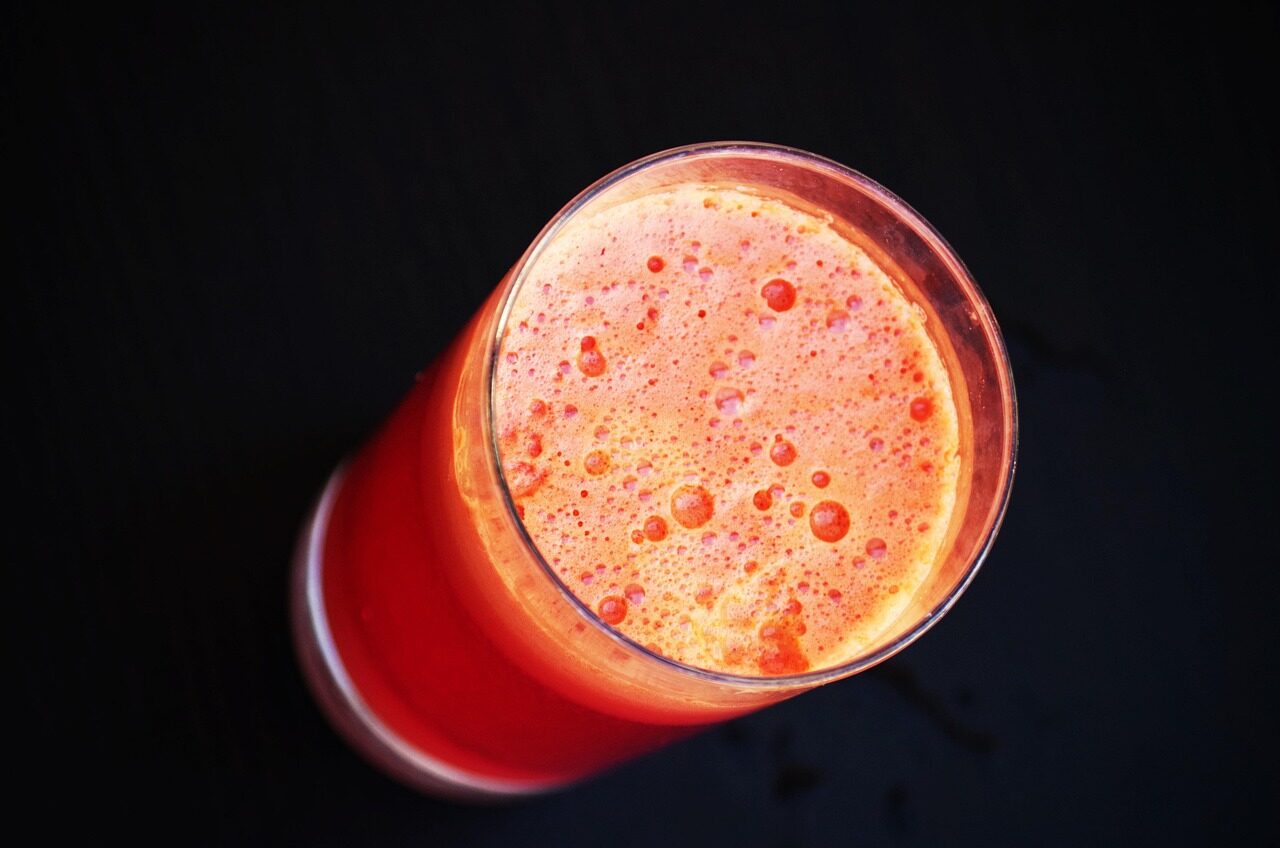
Carrots might not be the first thing you reach for when it’s smoothie time, but they just might be the most underrated blender ingredient out there. Sweet, earthy, and loaded with beta-carotene, fiber, potassium, and vitamin C, carrots bring serious nutritional firepower to whatever you blend them into. When you pair them with the right supporting cast, the result is a glass full of vibrant color, natural sweetness, and real nourishment.
Whether you’re making your first healthy carrot smoothie or looking to upgrade a recipe you’ve been blending for years, knowing what each ingredient actually contributes makes the whole process more intentional — and more delicious. This guide walks you through all 12 ingredients for a carrot smoothie, from the essential base builders to the optional flavor boosters, so you can mix and match with total confidence.
Pro Tip: Always add your liquid to the blender first. This protects the blades, helps everything move freely, and gives you a smoother, more consistent blend from the very first second.
1. Carrots
Carrots are the star of the show, and everything else in your blender is there to support them. One cup of chopped raw carrots delivers about 52 calories, 3.6 grams of fiber, and a remarkable 428% of your daily recommended vitamin A — all in the form of beta-carotene, a potent antioxidant your body converts into usable vitamin A. They also contribute to healthy eyesight and long-term immune function, making them one of the most nutritionally efficient vegetables you can add to any recipe.
When it comes to prep, your blender type matters more than you might expect. A high-powered blender like a Vitamix can handle raw carrots with ease, breaking them down into a completely smooth texture. If you’re working with a standard blender, lightly steaming the carrots first or finely grating them before blending will save you from a chunky, fibrous result. Either way, peel them first if you’re sensitive to earthy flavors — though the peel does hold extra nutrients if you don’t mind leaving it on.
Carrots also add that gorgeous deep orange hue that makes a carrot smoothie look as good as it tastes. Don’t underestimate the visual appeal — a vibrant, beautiful smoothie is one you’ll actually want to drink every morning.
Key Insight: The fiber in carrots slows digestion and helps you stay fuller for longer, which is one reason a carrot smoothie for weight loss is such a practical, satisfying choice for breakfast or a mid-morning snack.
2. Banana
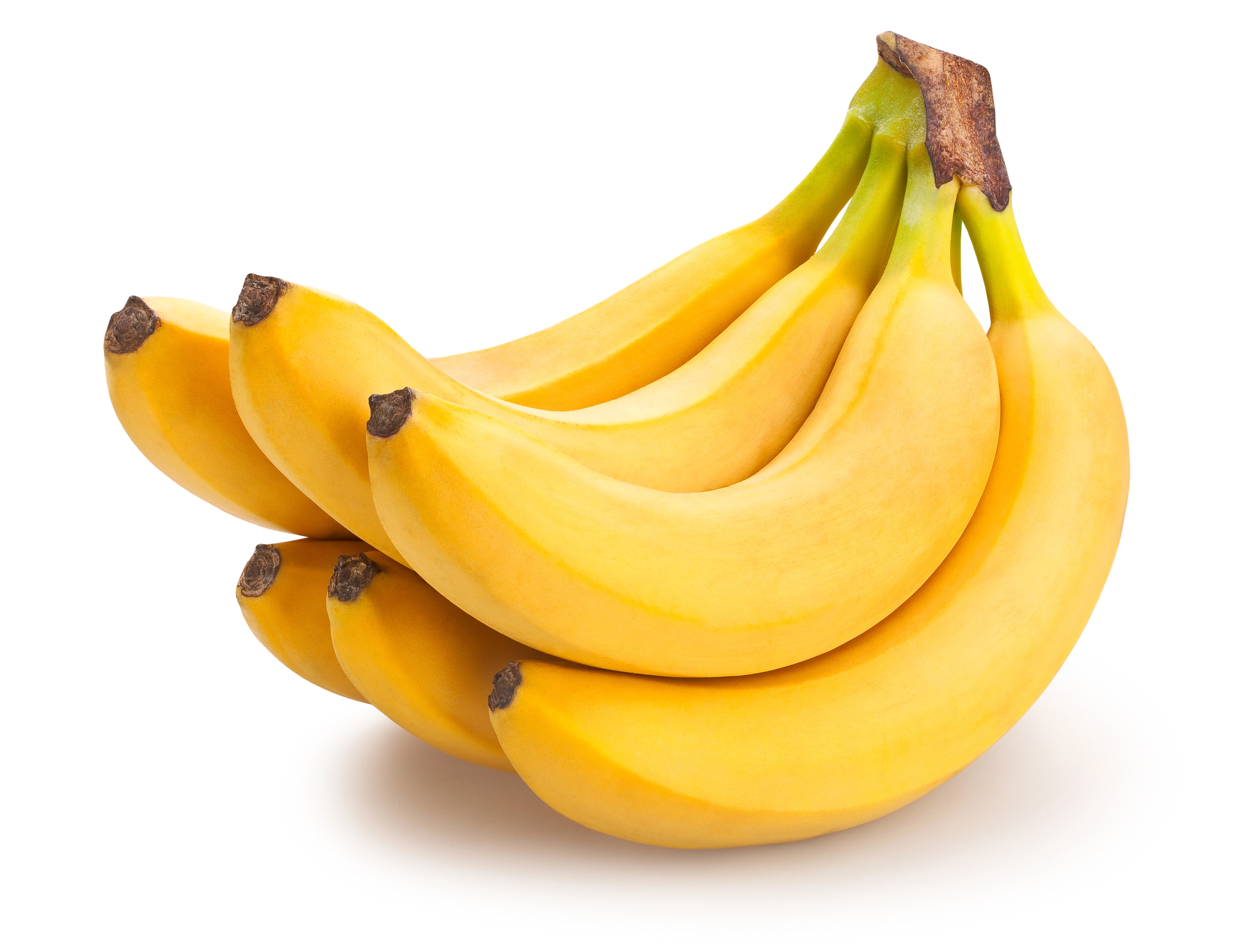
Banana is the ingredient that transforms a potentially gritty carrot blend into something silky, thick, and genuinely craveable. A ripe frozen banana brings both natural sweetness and a creamy, milkshake-like body that no other fruit quite replicates. Using frozen banana in particular is the key — frozen fruit makes smoothies extra cold and thick without the need for excess ice, which can water down your flavors.
From a nutrition standpoint, bananas are one of the most efficient smoothie ingredients available. They’re rich in potassium, vitamin B6, and magnesium, and their natural sugars provide a quick, sustained energy boost that makes them ideal in a morning blend. The potassium content also supports healthy blood pressure and cardiovascular function, which pairs nicely with the heart-friendly nutrients already present in carrots. For more on foods that support your heart, explore this guide to superfoods for a healthy heart.
If you want a lighter, thinner smoothie, a fresh banana blended with ice works perfectly well. But if creaminess is your goal — and it usually should be — always go frozen.
3. Orange Juice
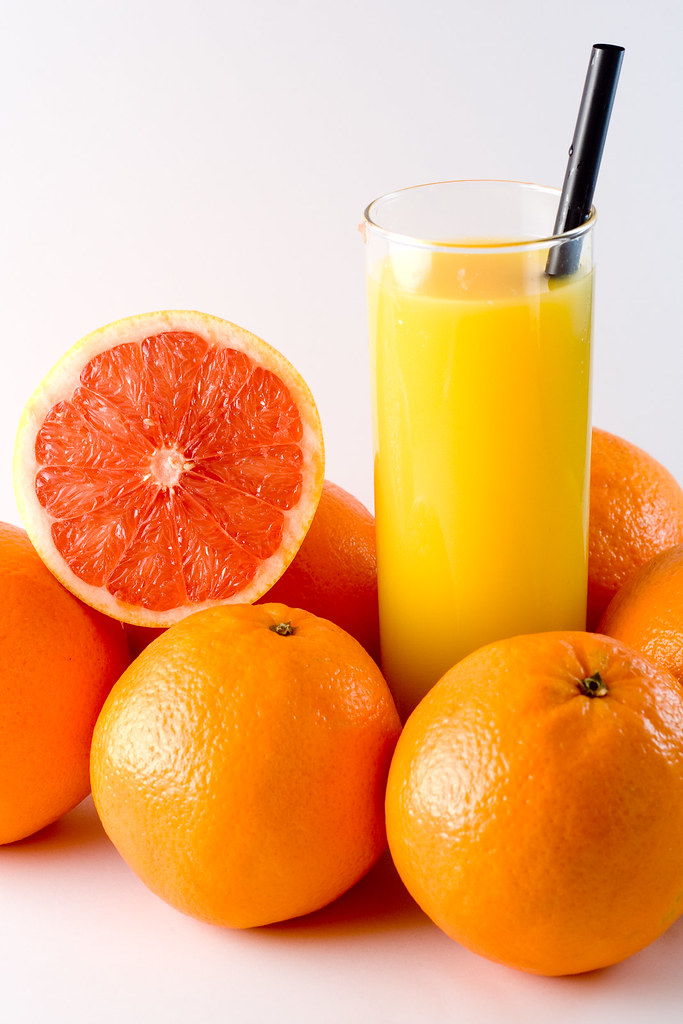
Orange juice does double duty in a carrot smoothie: it acts as your liquid base while simultaneously brightening the entire flavor profile with a fresh citrus lift. The natural acidity of orange juice cuts through the earthiness of the carrot and the richness of the banana, keeping the overall taste clean and refreshing rather than heavy.
Nutritionally, the combination of orange juice and carrots is one of the most synergistic pairings in the smoothie world. Carrots are loaded with beta-carotene, a form of vitamin A, while oranges deliver a powerful hit of vitamin C. Together, these two nutrients support immune function, collagen production, and healthy, glowing skin — making this carrot orange smoothie ingredients pairing as functional as it is flavorful.
Always opt for freshly squeezed or 100% pure orange juice when possible. Bottled blends that contain added sugar or “from concentrate” labels can throw off the natural flavor balance you’re working to achieve. Start with about half a cup and adjust from there based on how thick or thin you prefer your blend.
4. Ginger
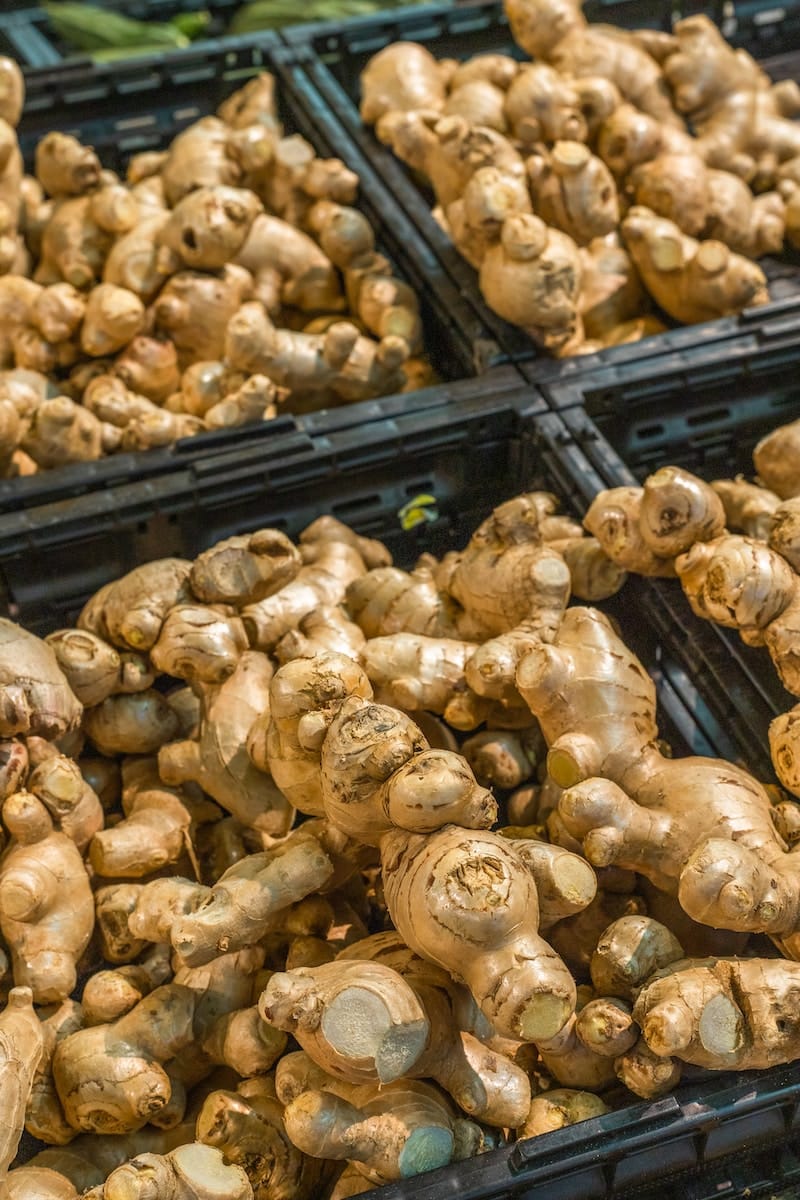
Fresh ginger is the ingredient that gives a carrot smoothie with ginger its signature zing. Even a small amount — about half a teaspoon of freshly grated ginger — adds a spicy, warming brightness that cuts right through the sweetness and elevates the entire drink. It’s one of those ingredients where a little goes a long way, and you’ll notice its absence immediately if you skip it.
Beyond flavor, ginger brings meaningful health benefits to your blend. It’s well-documented for its anti-inflammatory and antioxidant properties, and research also points to its pro-kinetic effects — meaning it helps with stomach emptying and can ease nausea or digestive discomfort. That makes it a particularly smart addition to a morning smoothie or a post-workout recovery drink.
If fresh ginger isn’t available, ground ginger works as a substitute — use about a quarter teaspoon in place of half a teaspoon fresh. That said, fresh ginger delivers a more vibrant, punchy flavor that ground simply can’t replicate. Keep a small knob in your freezer and grate it directly from frozen; it grates more easily that way and you’ll always have it on hand.
5. Turmeric

Turmeric is the golden spice that quietly turns your healthy carrot smoothie into a genuine wellness drink. Its active compound, curcumin, is one of the most studied natural anti-inflammatory agents in existence, with research linking it to reduced inflammation, improved antioxidant capacity, and potential benefits for brain and joint health. Even a small pinch adds a warm, earthy undertone that pairs naturally with both ginger and carrot.
You can use either ground turmeric powder or fresh turmeric root — ground is more accessible and easier to measure, while fresh delivers a slightly more vibrant flavor. Either way, the amount you need is small: about a quarter teaspoon of ground turmeric is plenty for one serving. Just be warned that turmeric stains easily, so handle it carefully around light-colored surfaces and clothing.
There’s one important trick to getting the most from turmeric in your smoothie: add a tiny pinch of black pepper before blending. The piperine in black pepper dramatically increases the bioavailability of curcumin — you won’t taste it at all, but your body will absorb significantly more of turmeric’s benefits. For a broader look at how anti-inflammatory foods support your health, this resource on powerful nutrients and foods that fight disease is worth reading.
Pro Tip: Always pair turmeric with a fat source — like coconut milk or Greek yogurt — and a pinch of black pepper. Both fat and piperine significantly boost how much curcumin your body actually absorbs from the turmeric.
6. Greek Yogurt
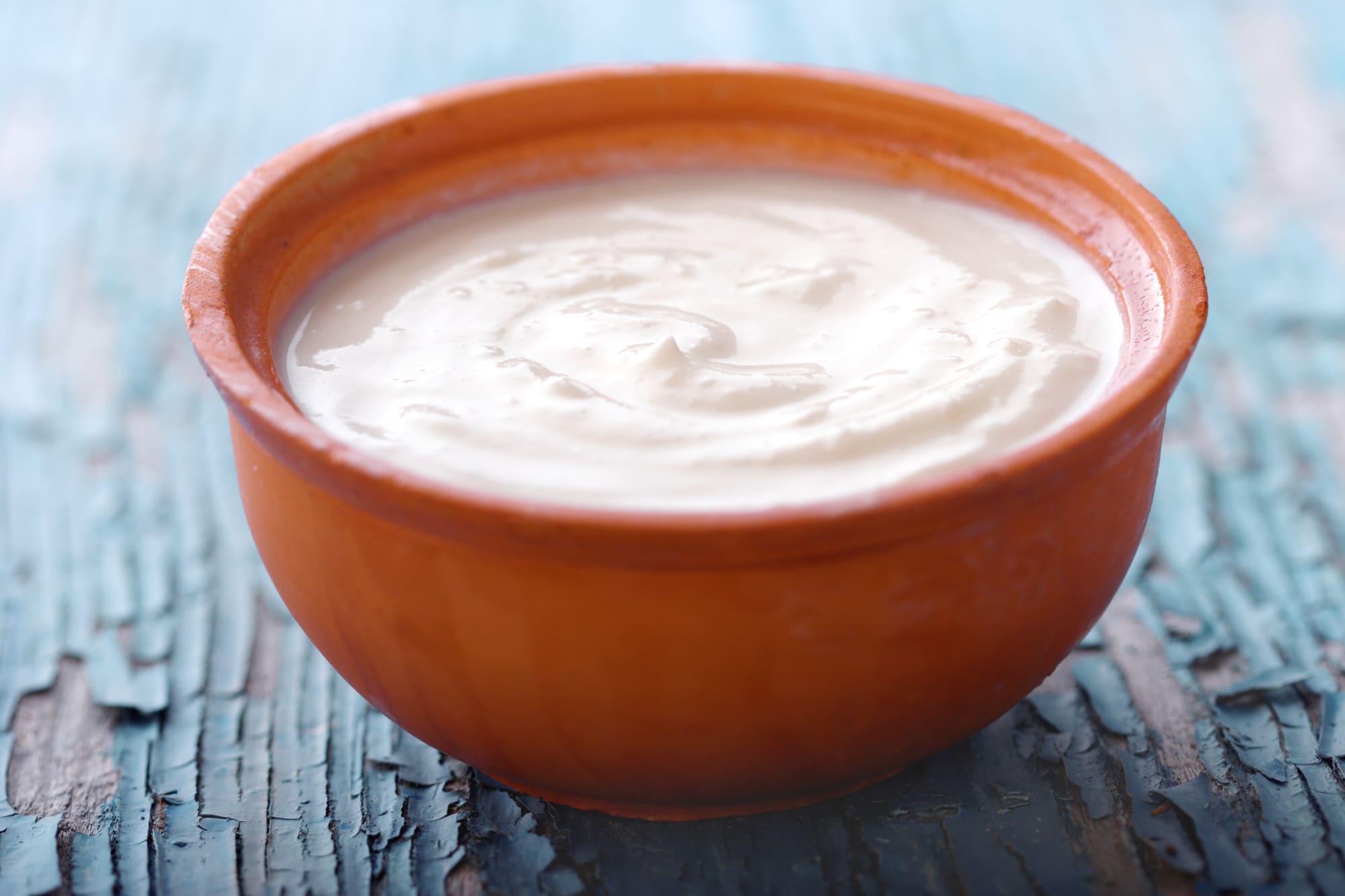
Greek yogurt is the protein upgrade that transforms your carrot smoothie recipe from a fruity snack into a genuinely satisfying meal. A quarter to half a cup adds anywhere from 6 to 12 grams of protein depending on the brand, along with gut-friendly probiotics that support digestive health and immune function. It also brings a creamy, tangy richness that balances the sweetness of banana and orange juice beautifully.
Plain, full-fat Greek yogurt delivers the best texture and most neutral flavor, giving you full control over the sweetness of your blend. Low-fat versions work fine too, though the texture will be slightly thinner. What you want to avoid is flavored or sweetened Greek yogurt, which can introduce artificial flavors or excess sugar that compete with the natural ingredients you’ve carefully chosen.
If you’re dairy-free or vegan, unsweetened coconut yogurt is the best swap — it keeps the creaminess intact and adds a subtle tropical note that plays nicely with the other flavors. Just make sure it’s plain and unsweetened so you stay in control of the overall sweetness of your smoothie.
Important Note: When combining Greek yogurt with citrus-heavy orange juice, consider using plant-based milk as your liquid base. The acid in citrus fruits can cause dairy milk to split or curdle, while almond or coconut milk stays stable and smooth throughout the blend.
7. Honey
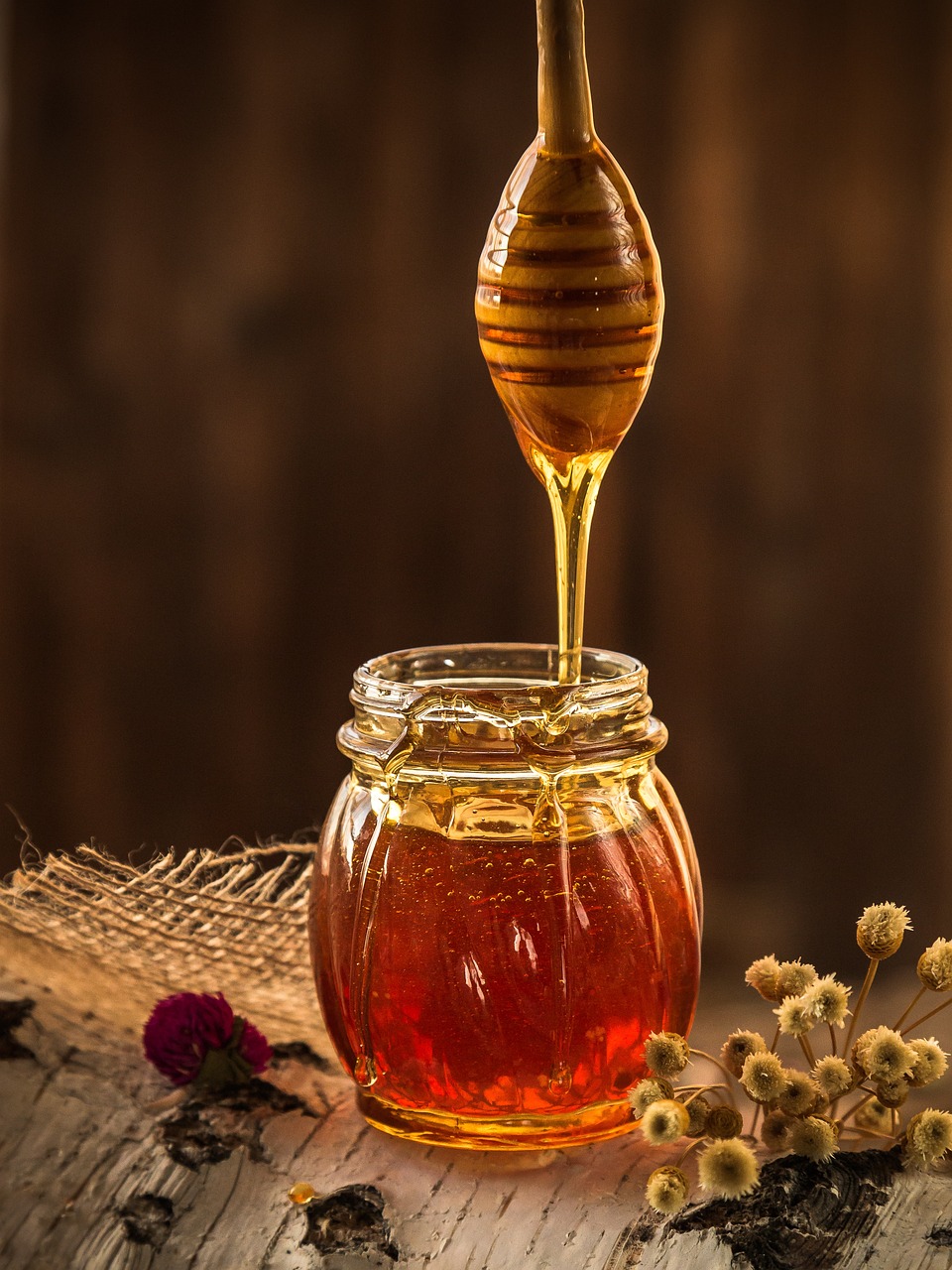
Honey is the natural sweetener that ties all the bold, assertive flavors in a carrot smoothie together without overpowering any of them. It’s particularly valuable when you’re working with turmeric and ginger, both of which can be quite forward on the palate. A small amount of honey softens those sharp edges and rounds out the overall flavor profile into something cohesive and pleasant.
Raw honey is the best choice here — it dissolves easily in a blended smoothie and brings a floral, complex sweetness that refined sugar simply can’t replicate. Start with just one teaspoon and taste before adding more. Ripe bananas and naturally sweet carrots often do most of the sweetening work on their own, and you may find you need less honey than you expect.
For a vegan-friendly alternative, pure maple syrup or Medjool dates blend smoothly into the mix and provide a comparable level of natural sweetness. Medjool dates in particular add a caramel-like depth that works especially well when you’re going for a carrot cake-inspired flavor profile. You can find more creative uses of natural sweeteners in other recipes like pancake ingredient guides that highlight how sweeteners interact with other flavors.
8. Almond Milk (or Coconut Milk)

The milk you choose for your carrot smoothie has more influence over the final texture and flavor than almost any other ingredient. Both almond milk and coconut milk are excellent options, and the right choice really depends on the flavor direction you want to take your blend.
Unsweetened almond milk is light, neutral, and keeps the carrot, citrus, and spice flavors front and center without adding any competing taste. It’s widely available, low in calories, and blends seamlessly into both simple and complex smoothie recipes. It’s the best all-purpose choice when you want the carrots and other core ingredients to do the talking.
Coconut milk, on the other hand, adds a rich, tropical creaminess that pairs beautifully with pineapple, mango, and the warming spices in this blend. Full-fat canned coconut milk creates an indulgently thick texture, while the lighter carton version gives you a middle ground between richness and drinkability. Coconut milk also has the added benefit of enhancing turmeric absorption thanks to its fat content — curcumin is fat-soluble, meaning it absorbs far more efficiently when consumed alongside dietary fat.
| Milk Option | Flavor Profile | Best For | Key Benefit |
|---|---|---|---|
| Unsweetened Almond Milk | Light, neutral | Letting carrot and citrus shine | Low calorie, widely available |
| Canned Coconut Milk | Rich, tropical, creamy | Tropical or spiced versions | Boosts turmeric absorption |
| Carton Coconut Milk | Mild, lightly sweet | Everyday lighter blends | Dairy-free with subtle flavor |
| Oat Milk | Creamy, slightly sweet | Thicker, heartier smoothies | Extra fiber and a neutral base |
9. Ice

Ice is the simplest ingredient on this list, but it earns its place in a meaningful way. A handful of ice cubes chills your smoothie instantly and creates that thick, frosty consistency that makes drinking it feel like a treat rather than a chore. It also helps balance the temperature when you’re using fresh rather than frozen fruit, ensuring your smoothie is cold and refreshing from the first sip to the last.
How much ice you use depends entirely on whether your other ingredients are fresh or frozen. If you’re working with fresh banana and fresh carrot, about half a cup of ice is a good starting point. If you’re using frozen fruit — frozen banana, frozen mango, or frozen pineapple — you likely won’t need ice at all, since the frozen ingredients handle both the chill and the thickness on their own.
If you find that ice dilutes your flavors more than you’d like, try swapping it out for a handful of frozen carrot chunks or frozen banana pieces instead. These chill the smoothie just as effectively while actually adding flavor and nutrition rather than watering the blend down over time.
10. Pineapple (Optional)
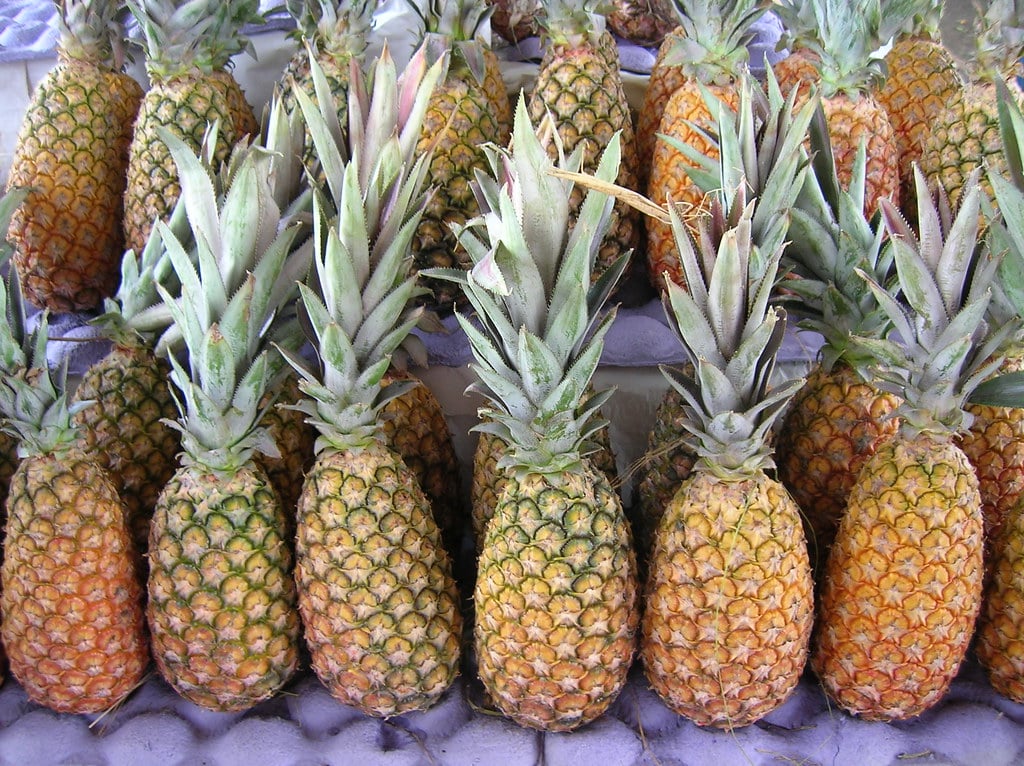
Pineapple is one of the most popular optional add-ins for a carrot smoothie, and it’s easy to understand why once you try it. This tropical fruit adds a bright, tangy sweetness that lifts the entire blend and gives it a sunny, vacation-worthy quality. It pairs especially well with ginger and turmeric, amplifying the anti-inflammatory character of the smoothie while making it taste genuinely exciting.
Frozen pineapple chunks are the most practical choice — they’re available year-round, affordable, and serve double duty as both a flavor booster and a natural substitute for ice. Using frozen pineapple in place of ice keeps your smoothie cold and thick without diluting any of the flavors as it melts. Fresh pineapple from the produce section is also excellent if you have it on hand, though you’ll want to add a few ice cubes to compensate for the lack of chill.
From a nutritional standpoint, pineapple brings bromelain, a natural digestive enzyme with well-documented anti-inflammatory properties. When combined with the ginger and turmeric already in your blend, pineapple helps create a smoothie that’s genuinely powerful from a wellness perspective — not just healthy-sounding, but actually functional. You can explore similar ingredient combinations in this guide to foods that support liver function for more ideas on building anti-inflammatory meals.
Pro Tip: Buy a whole fresh pineapple when it’s on sale, cut it into chunks, and freeze them flat on a baking sheet before transferring to a zip-lock bag. You’ll have smoothie-ready pineapple for weeks with zero prep required on busy mornings.
11. Mango (Optional)
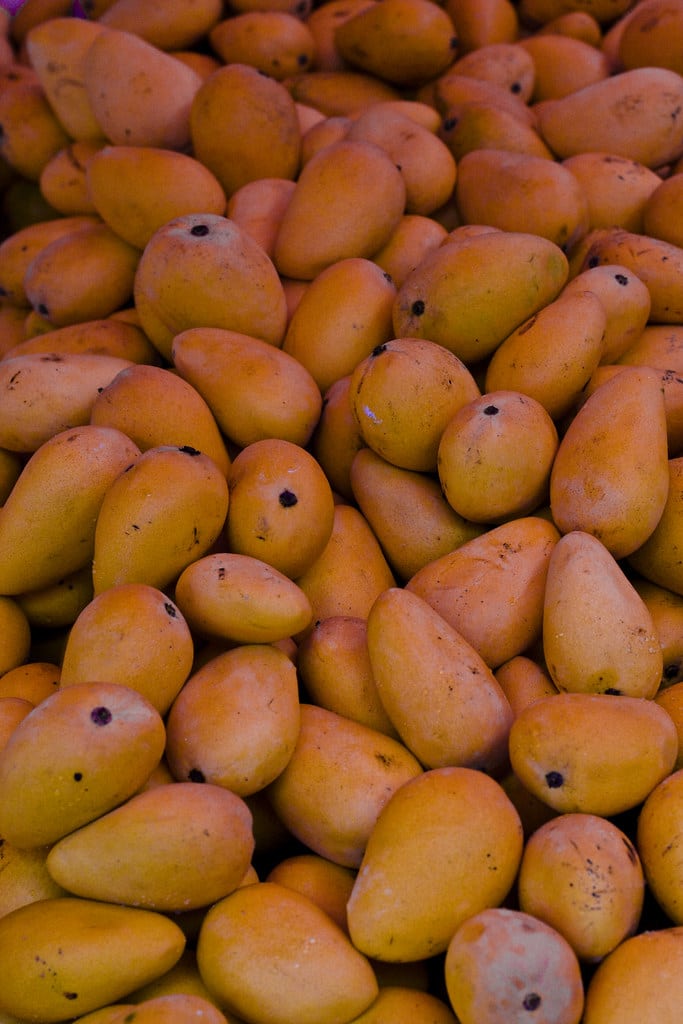
Mango is the optional ingredient that turns a good carrot smoothie into a truly memorable one. Its velvety, fiber-rich flesh blends into an almost pudding-like consistency that pairs seamlessly with carrot, and the two together create a gorgeous, deep golden color that’s almost too beautiful to drink. The natural sweetness of ripe mango also means you can reduce or skip the honey entirely when it’s included.
When choosing fresh mango, ripeness is everything. A ripe mango gives slightly when you apply gentle pressure, similar to a ripe avocado or peach, and it should smell fragrant and fruity near the stem. Frozen mango is a convenient, year-round alternative that’s often more affordable than fresh and blends into a perfectly smooth, creamy texture without any additional prep.
Nutritionally, mango contributes vitamin C, folate, and additional beta-carotene that stacks on top of what the carrots already provide. It’s also rich in digestive enzymes similar to pineapple, making it a gut-friendly addition to your blend. For those building a carrot smoothie for weight loss, mango is a smart choice — its natural sugars come packaged with fiber and water content that slow absorption and keep you satisfied longer. Mango also appears in many nutrient-rich drink recipes for its ability to add body and natural sweetness without refined sugar.
12. Cinnamon (Optional)

A pinch of cinnamon is the optional ingredient that makes a carrot smoothie taste like a dessert you can feel completely good about. Just a quarter teaspoon transforms the flavor profile into something warm, cozy, and reminiscent of carrot cake — without a single gram of added refined sugar or unnecessary calories. It’s one of the most transformative small additions you can make to an already excellent blend.
Beyond its flavor contribution, cinnamon brings genuine health benefits that complement the other functional ingredients in this smoothie. It’s well-regarded in traditional medicine for its potential to support heart health and help stabilize blood sugar levels — a meaningful benefit in a smoothie that already contains naturally sweet fruit. That blood sugar-stabilizing effect makes cinnamon especially valuable for anyone blending this smoothie as a morning meal or a pre-workout energy source.
Ground cinnamon is the easiest and most accessible form to use. Ceylon cinnamon, sometimes called “true cinnamon,” is considered the higher-quality variety — it has a more delicate, nuanced flavor and lower coumarin content than the more common cassia cinnamon found in most grocery stores. Either works beautifully in a blended smoothie. You’ll also find cinnamon playing a starring role in other baked and blended recipes, like this guide to coconut bread ingredients, where it adds warmth and depth in a similar way.
Key Insight: Ginger, turmeric, and cinnamon are all recognized for their anti-inflammatory and antioxidant properties. When you combine all three in a single carrot smoothie, you’re building one of the most nutrient-dense, functional drinks you can blend at home — with a flavor that actually makes you want to drink it every day.
How to Build Your Perfect Carrot Smoothie
Now that you know exactly what each ingredient brings to the blend, here’s a simple, reliable framework for putting it all together. The order in which you add ingredients to your blender matters more than most people realize — it affects how smoothly everything blends and how well your blender handles the tougher ingredients like raw carrot and frozen fruit.
- Add your liquids first — Pour in your orange juice and almond or coconut milk. Starting with liquid protects the blades and helps everything move freely from the first moment you hit blend.
- Add soft and powdered ingredients — Drop in the banana, Greek yogurt, honey, ginger, turmeric, cinnamon, and a pinch of black pepper. These blend easily and help form the creamy base of your smoothie.
- Add the carrots — If using raw carrots, chop or grate them finely first. Frozen carrot chunks can go in as-is. Place them on top of the soft ingredients so they get pulled down into the base.
- Add frozen fruit and ice last — Pineapple chunks, mango pieces, and ice go in on top. Placing frozen items last helps weigh everything down and keeps the blend moving efficiently.
- Blend on high for at least 45–60 seconds — Don’t rush this step. Raw carrot and fresh ginger need a full high-speed blend to break down completely into a smooth, silky texture.
- Taste and adjust — Add more honey if you want extra sweetness, a splash more orange juice to thin it out, or a few more ice cubes to thicken it up. Make it yours.
Your finished smoothie is best enjoyed immediately, but it keeps well in a sealed jar in the refrigerator for up to 24 hours. If it separates in the fridge — which is completely normal — just give it a good shake or stir before drinking. For more inspiration on building balanced, ingredient-forward drinks, browse through our full ingredients library for recipes that take the same thoughtful approach to every component.
Quick-Reference Guide to All 12 Ingredients
Use this table as a handy reference whenever you’re at the grocery store or standing in front of your blender trying to remember what each ingredient is there for. It covers every component from the essential core to the optional upgrades, along with the best swap for each one.
| Ingredient | Role in the Smoothie | Essential or Optional | Best Swap |
|---|---|---|---|
| Carrots | Base flavor, color, beta-carotene, fiber | Essential | Frozen carrot chunks |
| Banana | Creaminess, natural sweetness, potassium | Essential | Frozen mango (1–1.5 cups) |
| Orange Juice | Liquid base, citrus brightness, vitamin C | Essential | Freshly squeezed orange |
| Ginger | Spicy warmth, digestive support, anti-inflammatory | Essential | ¼ tsp ground ginger |
| Turmeric | Anti-inflammatory, golden color, antioxidants | Essential | Fresh turmeric root |
| Greek Yogurt | Protein, creaminess, gut-friendly probiotics | Essential | Unsweetened coconut yogurt |
| Honey | Natural sweetener, balances bold spices | Essential | Maple syrup or Medjool dates |
| Almond or Coconut Milk | Liquid base, texture, creaminess | Essential | Oat milk or soy milk |
| Ice | Temperature, thick and frosty texture | Essential | Frozen banana or frozen fruit |
| Pineapple | Tropical brightness, bromelain, anti-inflammatory | Optional | Frozen mango |
| Mango | Velvety texture, tropical sweetness, beta-carotene | Optional | Frozen peaches |
| Cinnamon | Warmth, carrot cake flavor, blood sugar support | Optional | Nutmeg or cardamom |
Common Mistake: Adding too much liquid at the start. It’s always easier to thin a smoothie out than to thicken one back up. Start with less liquid than you think you need, blend, then add more a splash at a time until you hit your ideal consistency.
Every ingredient in this list earns its place for a specific reason — whether that’s flavor, texture, nutrition, or all three at once. Start with the nine essential ingredients to build your reliable go-to blend, then experiment with the optional add-ins based on what sounds good that day. Once you find your favorite combination, a vibrant, creamy carrot smoothie takes less than five minutes from fridge to glass.
For more ingredient-forward recipes to add to your rotation, explore guides like jambalaya ingredients and egg salad ingredients — the same thoughtful approach to building flavor applies whether you’re blending or cooking.