17 Essential Ingredients for Lettuce Wraps You Need to Know

March 25, 2026
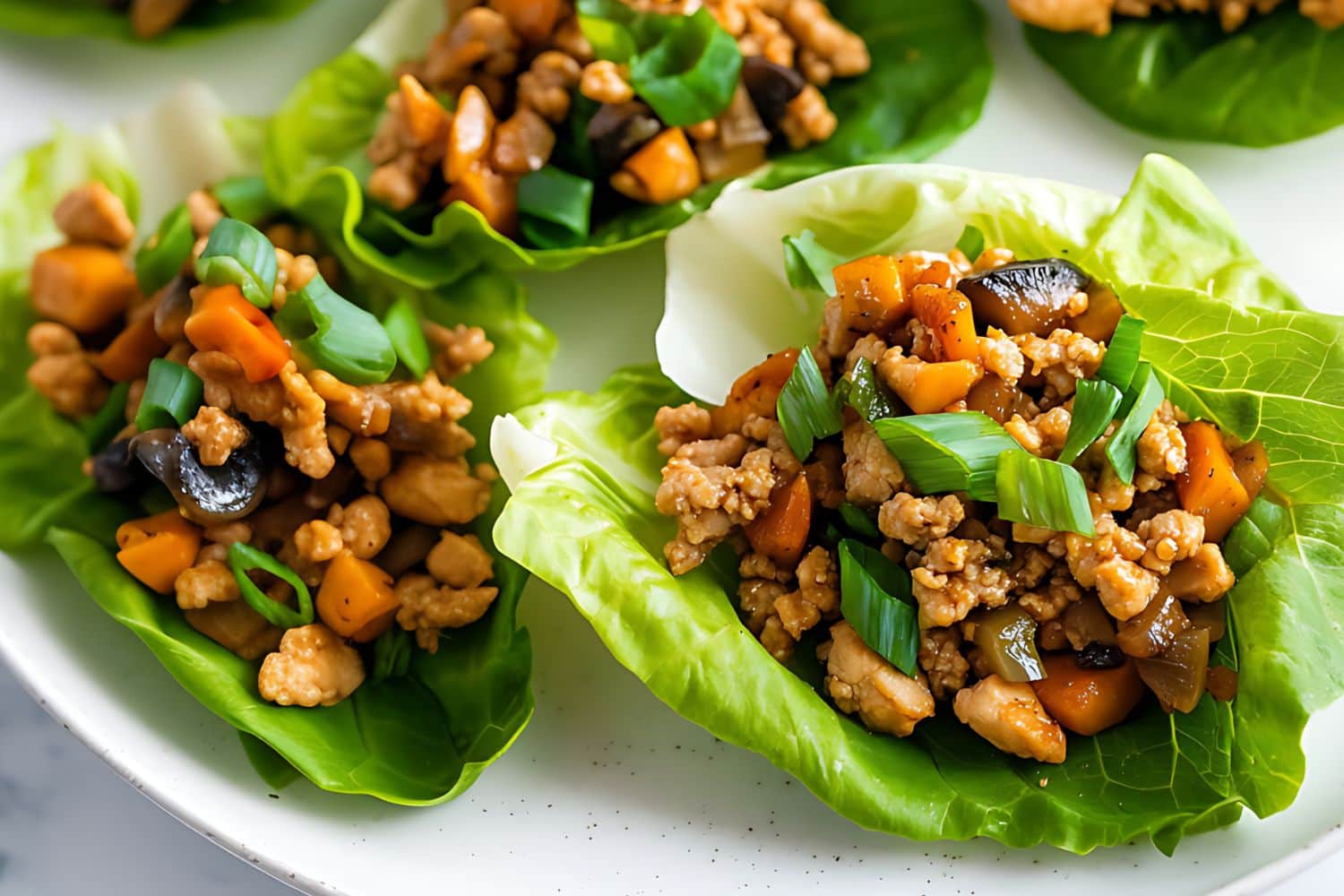
Lettuce wraps have become a beloved staple in kitchens everywhere, offering a fresh, crunchy alternative to traditional wraps and tacos. Whether you’re recreating your favorite restaurant-style Asian lettuce wraps or experimenting with new flavor combinations, having the right ingredients makes all the difference. These 17 essential components work together to create the perfect balance of textures and flavors—from crisp vegetables to savory proteins and bold sauces that tie everything together.
Understanding each ingredient’s role helps you build lettuce wraps that are both delicious and satisfying. You’ll discover how to select the best lettuce varieties, which sauces create authentic Asian flavors, and what vegetables add that essential crunch. Let’s explore everything you need to create restaurant-quality lettuce wraps right in your own kitchen.
1. Lettuce
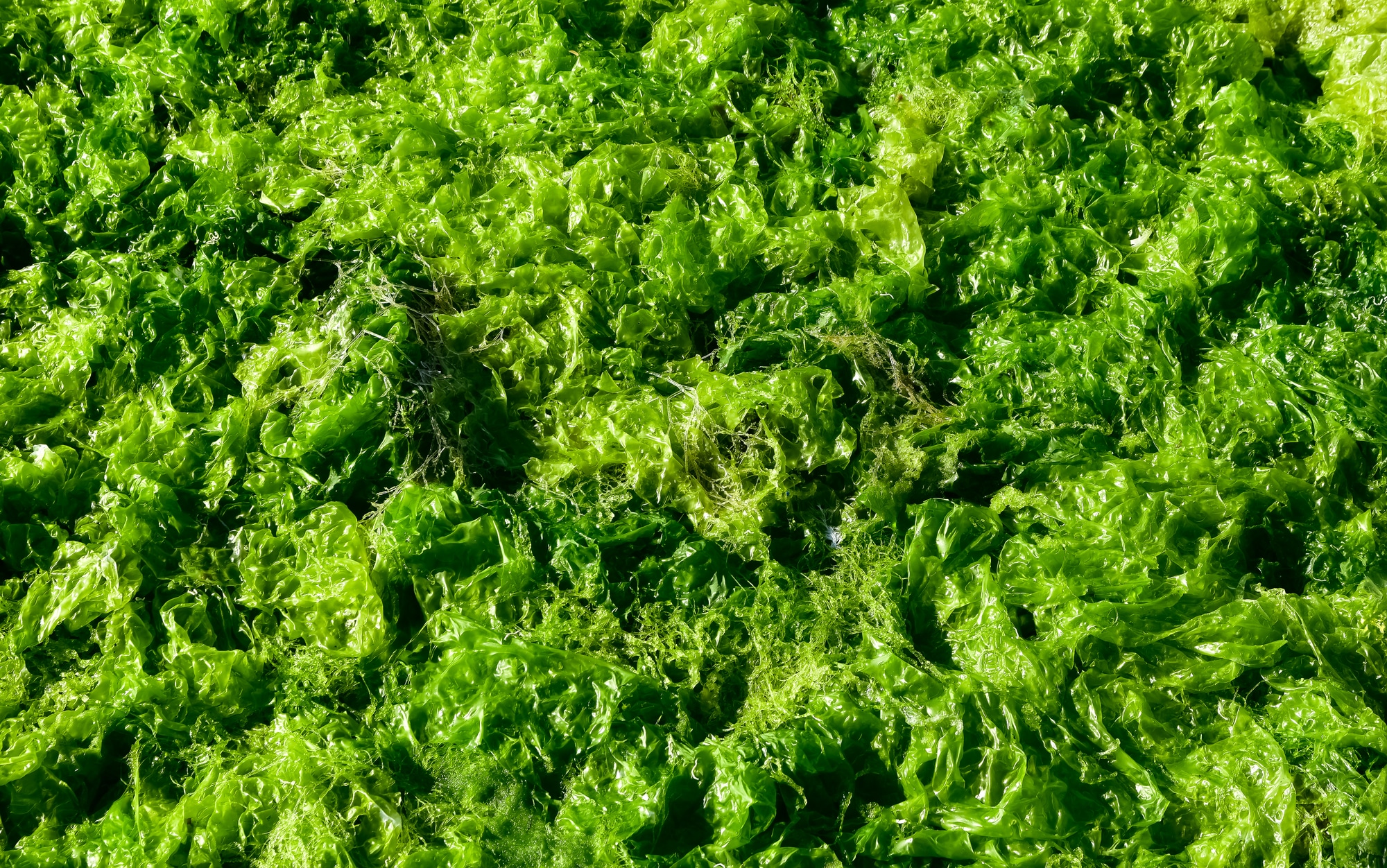
The foundation of any great lettuce wrap starts with choosing the right lettuce variety. Butter lettuce, also known as Boston or Bibb lettuce, stands out as the top choice for wraps due to its tender yet sturdy leaves that cup fillings perfectly without tearing. The leaves are naturally shaped like small bowls, making them ideal vessels for holding all your ingredients.
Iceberg lettuce offers another excellent option, particularly if you prefer extra crunch. Its crisp texture holds up well to warm fillings and provides a refreshing contrast to savory ingredients. Romaine lettuce works too, though its longer, narrower leaves require a different folding technique. When selecting lettuce, look for heads with vibrant green color and no brown spots or wilting.
Pro Tip: Separate lettuce leaves carefully and rinse them in cold water, then pat dry completely with paper towels. Excess moisture will make your wraps soggy and cause fillings to slide out.
Store your lettuce properly by wrapping it in damp paper towels and placing it in a plastic bag in the crisper drawer. This keeps leaves fresh and crisp for up to five days. Before serving, you can refresh slightly wilted lettuce by soaking it in ice water for 10-15 minutes.
2. Ground Chicken
Ground chicken serves as the classic protein base for Asian-style lettuce wraps, offering a mild flavor that absorbs sauces beautifully. The lean meat cooks quickly and crumbles into small pieces that distribute evenly throughout your wraps. You can find ground chicken in most grocery stores, or ask your butcher to grind chicken breast or thigh meat fresh.
Dark meat ground chicken (from thighs) contains more fat and delivers richer flavor compared to ground chicken breast, which tends to be drier. For the juiciest results, choose ground chicken with at least 7-10% fat content. If you’re using extra-lean ground chicken breast, add a tablespoon of oil to your pan to prevent sticking and dryness.
Cook ground chicken over medium-high heat, breaking it apart with a wooden spoon or spatula as it browns. The meat should reach an internal temperature of 165°F for food safety. Season it during cooking rather than after to ensure flavors penetrate throughout. Ground turkey makes an excellent substitute if you can’t find ground chicken, offering similar texture and flavor absorption.
3. Hoisin Sauce
Hoisin sauce brings sweet, salty, and slightly tangy flavors that define authentic Asian lettuce wraps. This thick, dark brown sauce is made from fermented soybeans, garlic, vinegar, and spices, creating a complex flavor profile that’s both savory and sweet. According to The Kitchn’s lettuce wrap guide , hoisin sauce is essential for achieving that restaurant-quality taste.
You’ll find hoisin sauce in the Asian foods section of most supermarkets, typically in bottles or jars. Popular brands include Lee Kum Kee and Kikkoman, though store brands work well too. The sauce keeps for several months in the refrigerator after opening, making it a convenient pantry staple.
Key Insight: Hoisin sauce varies in sweetness between brands. Start with less than the recipe calls for, taste your filling, then adjust to match your preference for sweet versus savory balance.
Use hoisin sauce both in the cooking process and as a finishing drizzle. Mix it into your ground chicken while cooking for deep flavor penetration, then offer extra sauce on the side for diners to add according to their taste. The sauce also works wonderfully in marinades and as a glaze for grilled meats.
4. Soy Sauce
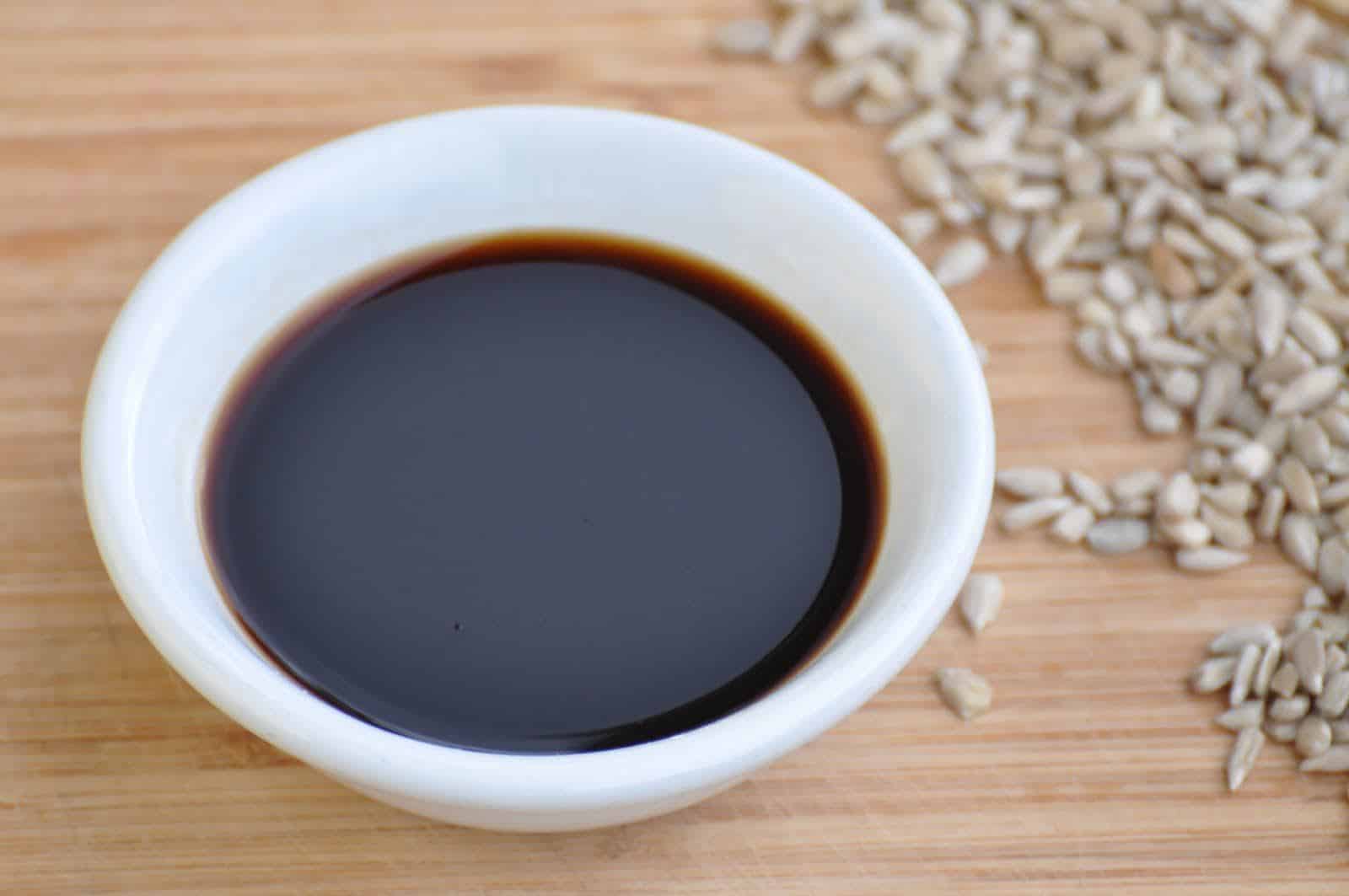
Soy sauce provides the essential salty, umami foundation that balances the sweetness of hoisin sauce. This fermented sauce made from soybeans and wheat adds depth and complexity to your lettuce wrap filling. Regular soy sauce works perfectly, though you can choose low-sodium versions if you’re watching salt intake.
The difference between light and dark soy sauce matters in Asian cooking. Light soy sauce (despite its name) is saltier and thinner, perfect for seasoning during cooking. Dark soy sauce is thicker, slightly sweet, and adds rich color to dishes. For lettuce wraps, stick with regular light soy sauce unless a recipe specifically calls for dark.
Tamari offers a gluten-free alternative that tastes nearly identical to traditional soy sauce. Coconut aminos provide another option for those avoiding soy, though they’re sweeter and less salty. When cooking with soy sauce, add it gradually and taste as you go—it’s easy to oversalt your filling, but difficult to fix once you’ve added too much.
5. Garlic
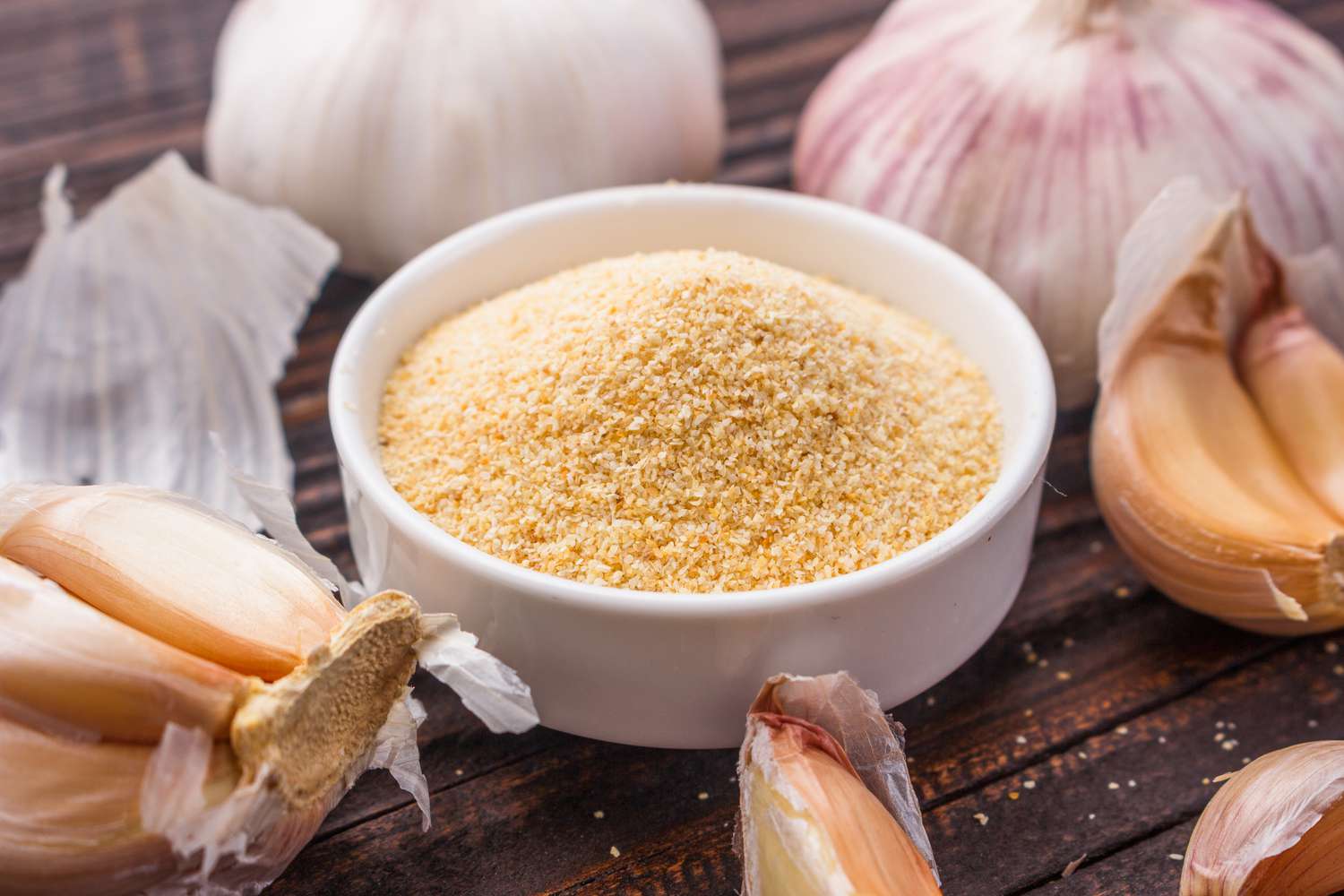
Fresh garlic adds aromatic pungency that forms the flavor backbone of Asian lettuce wraps. The sharp, slightly spicy taste of garlic mellows when cooked, developing sweet, nutty notes that complement both the protein and vegetables. You’ll want to use fresh garlic cloves rather than pre-minced garlic from a jar for the best flavor.
Mince garlic finely so it distributes evenly throughout your filling and cooks quickly without burning. A garlic press makes this task easier, or you can use a sharp knife to chop cloves into tiny pieces. Plan on using 3-4 cloves of garlic for a standard recipe serving 4-6 people, though you can adjust based on your love for garlic.
Add minced garlic to your pan after the ground chicken has started to brown but before it’s fully cooked. This timing prevents the garlic from burning while allowing it to release its aromatic oils. Burnt garlic tastes bitter and acrid, so watch carefully and stir frequently during those first 30-60 seconds of cooking.
6. Ginger
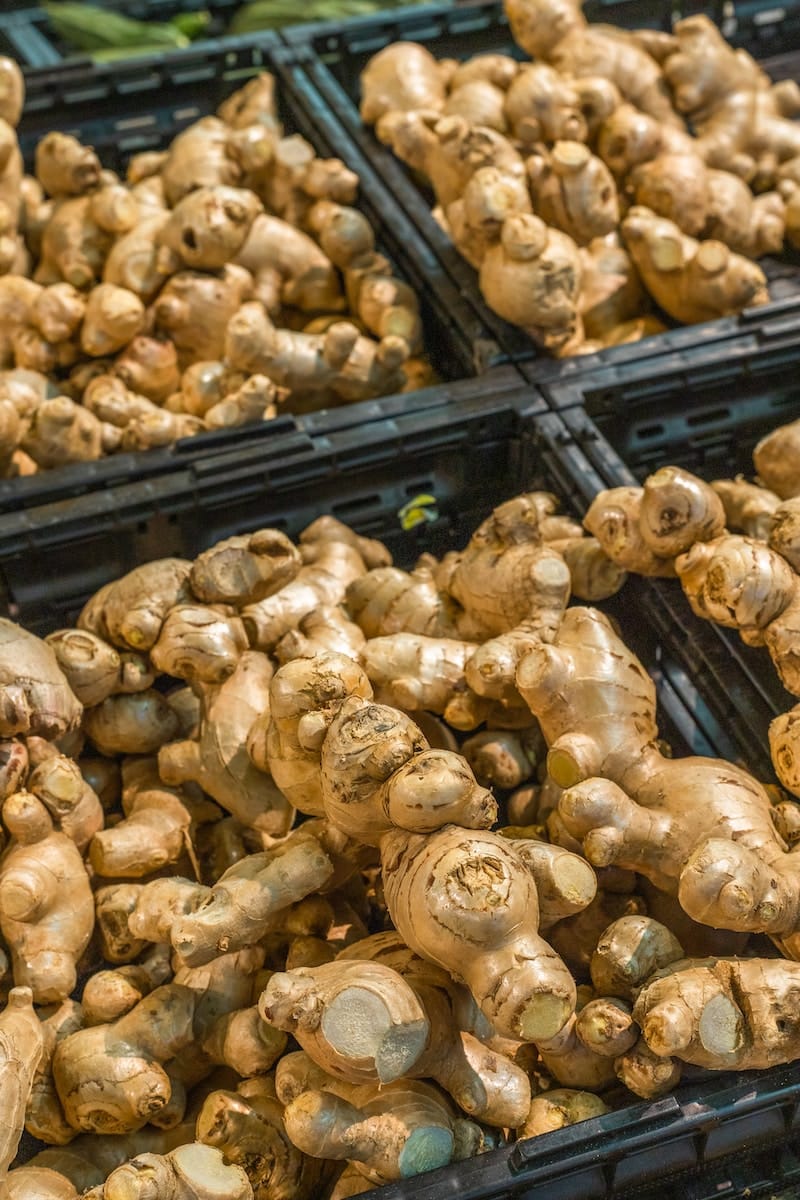
Fresh ginger root brings bright, spicy warmth that’s essential to authentic Asian flavors. The knobby root adds a zesty, slightly sweet heat that cuts through rich ingredients and adds complexity to your wraps. Fresh ginger tastes dramatically better than dried ground ginger, which lacks the vibrant, aromatic quality needed for lettuce wraps.
Peel ginger using the edge of a spoon to scrape away the thin skin, then mince it finely or grate it using a microplane or fine grater. Grating creates a paste-like consistency that distributes more evenly throughout your filling. You’ll need about a tablespoon of fresh grated ginger for most recipes.
Pro Tip: Store fresh ginger root in the freezer and grate it while frozen. This makes grating easier, eliminates stringy fibers, and keeps ginger fresh for months.
Add ginger to your pan at the same time as garlic, cooking them together briefly until fragrant. The combination of garlic and ginger creates the aromatic foundation that makes Asian lettuce wraps so irresistible. If you’re sensitive to spicy foods, reduce the ginger slightly, as it can be quite potent.
7. Water Chestnuts
Water chestnuts provide the signature crunch that makes lettuce wraps so texturally satisfying. These small, round vegetables grow underwater and offer a crisp, slightly sweet taste that remains crunchy even after cooking. According to Joy Food Sunshine’s recipe , water chestnuts are crucial for achieving authentic restaurant-style texture.
You’ll find water chestnuts canned in the Asian foods aisle, either whole or sliced. Whole water chestnuts give you more control over the size of your pieces—drain them, then chop into small dice for the best texture. Canned water chestnuts are already cooked, so you’re simply heating them through and incorporating them into your filling.
Fresh water chestnuts occasionally appear in Asian markets and offer even better crunch, though they require peeling and more preparation time. Rinse canned water chestnuts thoroughly before using to remove any tinny taste from the can. Add them toward the end of cooking to preserve their crisp texture—overcooking makes them soft and mushy.
8. Carrots
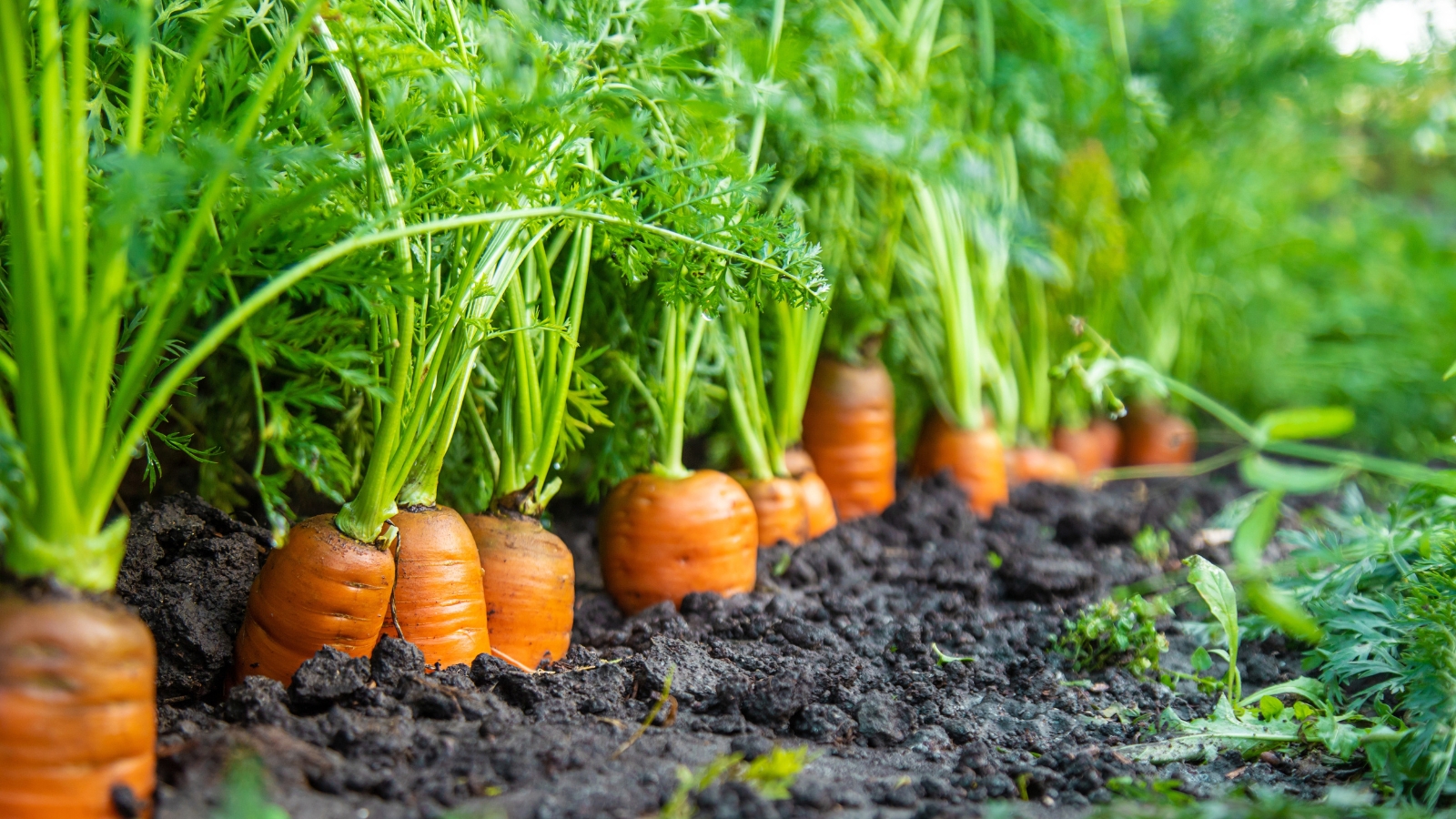
Finely diced or shredded carrots add natural sweetness, vibrant color, and additional crunch to your lettuce wraps. The bright orange vegetable provides nutritional benefits while contributing to the overall texture variety that makes each bite interesting. Fresh carrots work best, offering superior flavor and crunch compared to pre-shredded varieties.
Prepare carrots by peeling them and either dicing them into very small pieces (about 1/4-inch cubes) or shredding them using a box grater or food processor. Small pieces ensure the carrots cook quickly and distribute evenly throughout the filling. You’ll need about one medium carrot for a standard recipe serving 4-6 people.
Add diced carrots to your pan after browning the meat but before adding sauces, giving them 2-3 minutes to soften slightly while maintaining some crunch. If using shredded carrots, add them even later in the cooking process since they soften more quickly. The carrots should be tender-crisp rather than fully soft—they’ll continue cooking slightly from residual heat after you remove the pan from the stove.
9. Green Onions
Green onions (also called scallions) deliver mild onion flavor with a fresh, bright finish that enhances lettuce wraps. Both the white and green parts are edible and useful—the white portions taste more onion-like, while the green tops offer a milder, grassier flavor. This versatile ingredient adds flavor, color, and a slight crunch when used properly.
Slice green onions thinly on a diagonal for an attractive presentation, separating the white and green portions. Add the white parts earlier in cooking with your aromatics, as they benefit from a minute or two of heat to mellow their sharpness. Reserve the green tops to stir in at the very end or sprinkle on top as a fresh garnish.
Plan on using 3-4 green onions for a standard lettuce wrap recipe. Store them in the refrigerator wrapped in a damp paper towel inside a plastic bag, where they’ll stay fresh for up to a week. If green onions aren’t available, you can substitute finely diced red onion or shallots, though the flavor will be stronger and less fresh-tasting.
10. Rice Wine Vinegar
Rice wine vinegar brings bright acidity that balances the rich, savory elements in your lettuce wrap filling. This mild, slightly sweet vinegar is made from fermented rice and tastes less harsh than distilled white vinegar or apple cider vinegar. The acidity cuts through fatty ingredients and enhances other flavors without overpowering them.
Look for rice wine vinegar (also called rice vinegar) in the Asian foods section or near other vinegars in your grocery store. Avoid “seasoned” rice vinegar, which contains added sugar and salt—you want plain rice wine vinegar so you can control the seasoning yourself. The vinegar keeps indefinitely at room temperature in your pantry.
Important Note: Rice wine vinegar is different from rice wine (mirin) or cooking wine. Make sure you’re buying vinegar, not wine, as they serve different culinary purposes and aren’t interchangeable.
Add rice wine vinegar near the end of cooking, using just 1-2 tablespoons to brighten all the flavors. Too much vinegar makes the filling taste sour, so start with less and add more if needed. The vinegar also works beautifully in dipping sauces and dressings to serve alongside your wraps.
11. Chili Garlic Sauce
Chili garlic sauce adds spicy heat and garlicky punch that transforms mild lettuce wraps into something exciting. This thick, chunky sauce combines red chili peppers, garlic, vinegar, and salt into a potent condiment. The most popular brand is Huy Fong Foods (the same company that makes Sriracha), recognizable by its clear jar with green cap.
The heat level of chili garlic sauce is moderate—spicier than Sriracha but not overwhelmingly hot. You can control the spice level by adjusting the amount you add to your filling. Start with a teaspoon, taste, and add more gradually until you reach your preferred heat level. Remember that you can always add more spice, but you can’t take it away.
Stir chili garlic sauce into your filling during the last few minutes of cooking, or offer it on the side as a condiment for diners to add themselves. This approach accommodates different heat preferences around your table. The sauce keeps for months in the refrigerator after opening. If you can’t find chili garlic sauce, substitute Sriracha or sambal oelek, adjusting quantities to taste.
12. Sesame Oil
Toasted sesame oil provides a nutty, aromatic finish that’s essential to authentic Asian lettuce wraps. This dark, amber-colored oil is made from toasted sesame seeds and delivers intense flavor in small amounts. Unlike regular sesame oil (which is light-colored and mild), toasted sesame oil is used as a seasoning rather than a cooking oil.
Add sesame oil at the very end of cooking or drizzle it over finished wraps as a final touch. Heat destroys its delicate flavor, so you want to preserve those toasted, nutty notes by adding it off the heat. Just a teaspoon or two is enough for most recipes—too much sesame oil can taste bitter and overwhelming.
Store sesame oil in a cool, dark place or in the refrigerator to prevent it from going rancid. The oil should smell pleasantly nutty and toasty; if it smells musty or off, it’s time to replace it. You can find toasted sesame oil in the Asian foods section of most supermarkets, with popular brands including Kadoya and Dynasty.
13. Rice Noodles
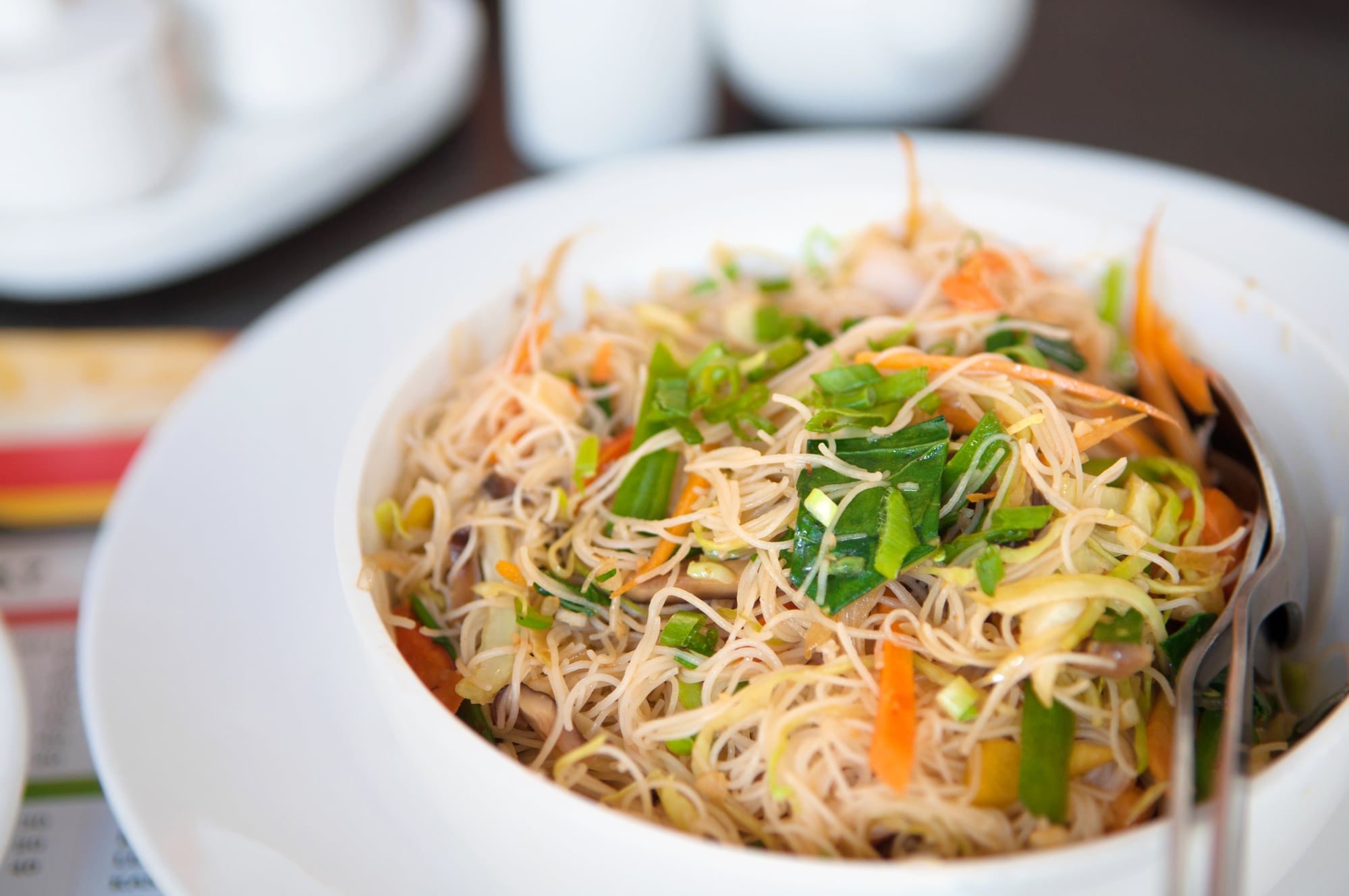
Rice noodles add substance and texture to lettuce wraps, making them more filling while contributing a pleasant chewiness. These thin, translucent noodles are made from rice flour and water, offering a gluten-free option that soaks up flavors beautifully. Vermicelli-style rice noodles work best for lettuce wraps due to their thin diameter and quick cooking time.
Prepare rice noodles by soaking them in hot water for 5-10 minutes until softened, then drain and rinse with cold water. You can also boil them briefly according to package directions. Once softened, chop the noodles into shorter lengths (about 2-3 inches) so they’re easier to eat in wraps and distribute more evenly.
Add prepared rice noodles to your filling mixture just before serving, tossing them with the other ingredients so they absorb the savory sauce. The noodles can be served warm or at room temperature. If you’re looking for side dishes to serve with lettuce wraps, rice noodles also work well as a separate accompaniment.
14. Bean Sprouts
Bean sprouts contribute crisp texture and fresh, slightly nutty flavor to lettuce wraps. These young, sprouted mung beans offer a delicate crunch that contrasts beautifully with cooked ingredients. Fresh bean sprouts are available in the produce section of most grocery stores, typically sold in plastic bags or containers.
Look for bean sprouts that are white or pale yellow with no brown spots or slimy texture. Fresh sprouts should smell clean and slightly sweet, not sour or musty. Rinse them thoroughly under cold water before using, and remove any brown or wilted pieces. Bean sprouts are best used raw to preserve their crisp texture and fresh taste.
Pro Tip: Add bean sprouts at the very end as a topping rather than cooking them into the filling. This preserves their signature crunch and fresh flavor while adding textural contrast.
Store bean sprouts in the refrigerator in their original packaging or in a container with a damp paper towel, using them within 2-3 days for best quality. If you can’t find bean sprouts, substitute thinly sliced snap peas or additional shredded cabbage for similar crunch.
15. Cabbage
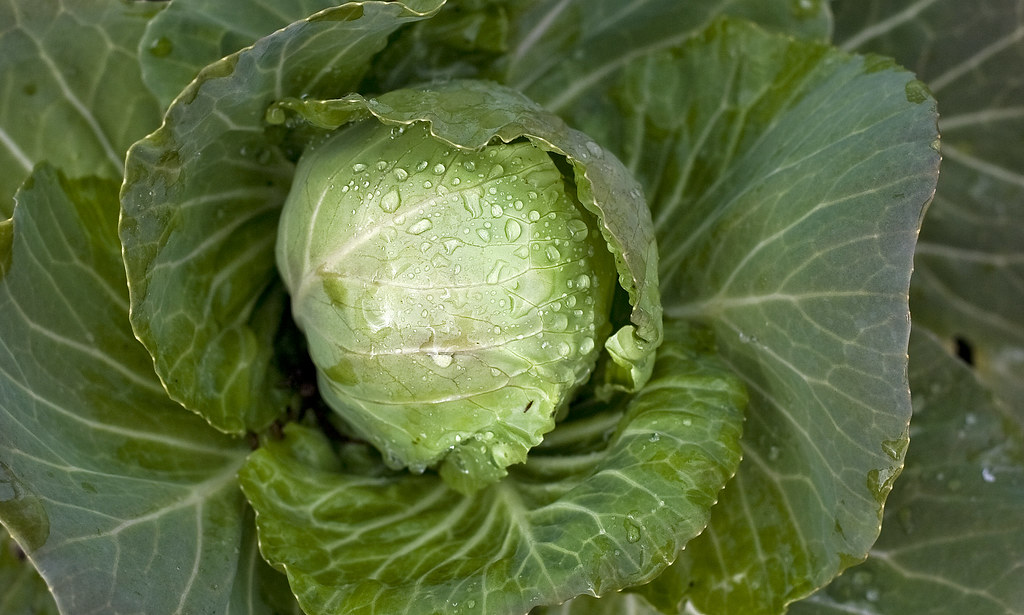
Shredded cabbage adds volume, crunch, and subtle sweetness to lettuce wrap fillings. This humble vegetable stretches your filling while providing nutritional benefits and satisfying texture. Both green and purple cabbage work well, with purple cabbage adding visual appeal through its vibrant color. According to The Cozy Cook’s lettuce wrap recipe , cabbage helps create a more substantial filling.
Shred cabbage thinly using a sharp knife, mandoline, or food processor with a slicing attachment. Fine shreds (about 1/8-inch thick) work best because they’re easier to eat and cook more quickly. You’ll need about a cup of shredded cabbage for a standard recipe, though you can add more if you want to increase the vegetable content.
Add shredded cabbage to your pan during the last 2-3 minutes of cooking, stirring it into the hot filling just until it wilts slightly. The cabbage should remain slightly crisp rather than completely soft—overcooking makes it mushy and releases too much water. Raw cabbage also works as a topping, offering maximum crunch.
16. Cucumbers
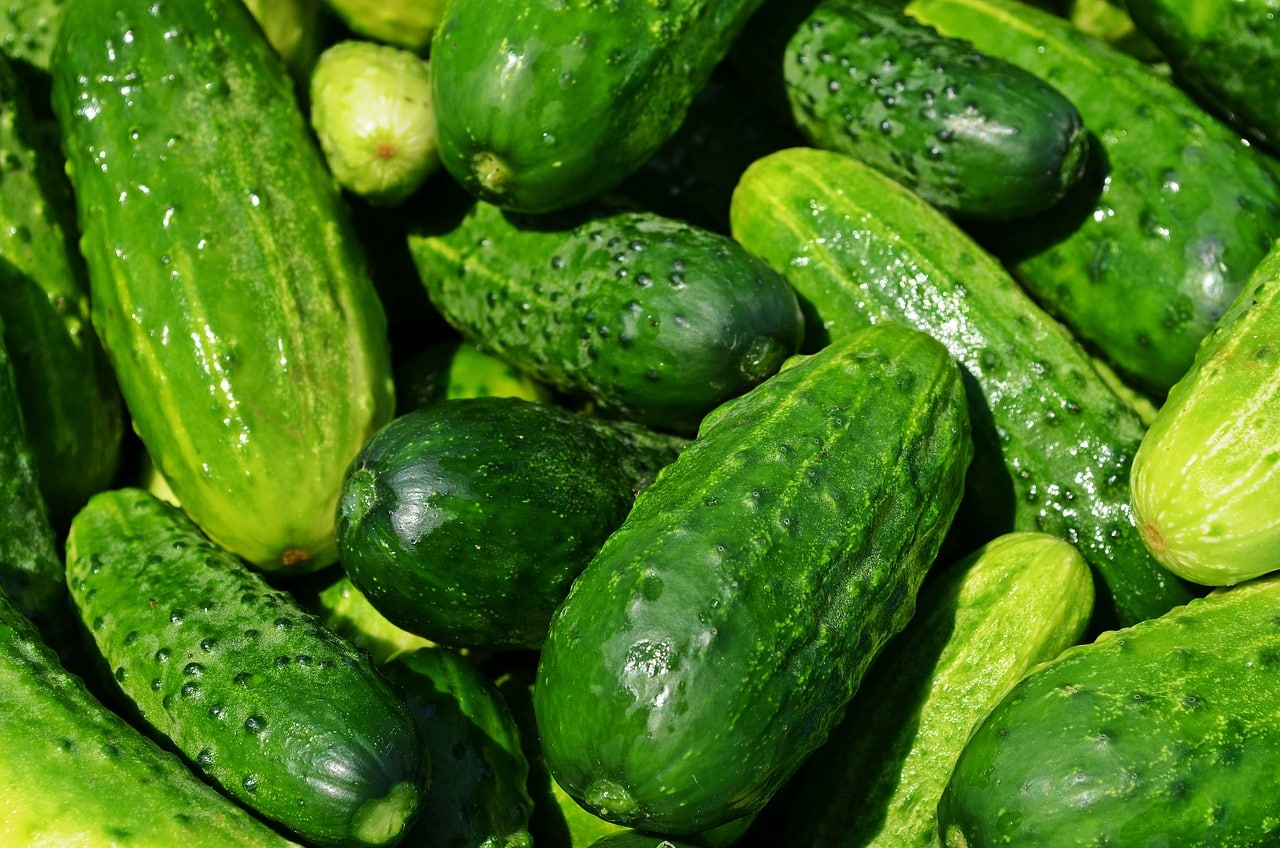
Crisp cucumber slices or matchsticks provide refreshing coolness that balances the warm, savory filling in lettuce wraps. The high water content and mild flavor of cucumbers offer a palate-cleansing effect between bites. English cucumbers work particularly well because they have fewer seeds and thinner skins that don’t require peeling.
Prepare cucumbers by slicing them thinly or cutting them into matchstick pieces about 2 inches long and 1/4-inch thick. If using regular cucumbers (not English), scoop out the seeds with a spoon before cutting to prevent excess moisture. Pat the cucumber pieces dry with paper towels to remove surface water that could make your wraps soggy.
Serve cucumber as a fresh topping rather than cooking it into the filling. The cool crunch provides textural and temperature contrast that makes each bite more interesting. Cucumbers also work beautifully in side dishes for Asian lettuce wraps, such as quick-pickled cucumber salad.
17. Oil
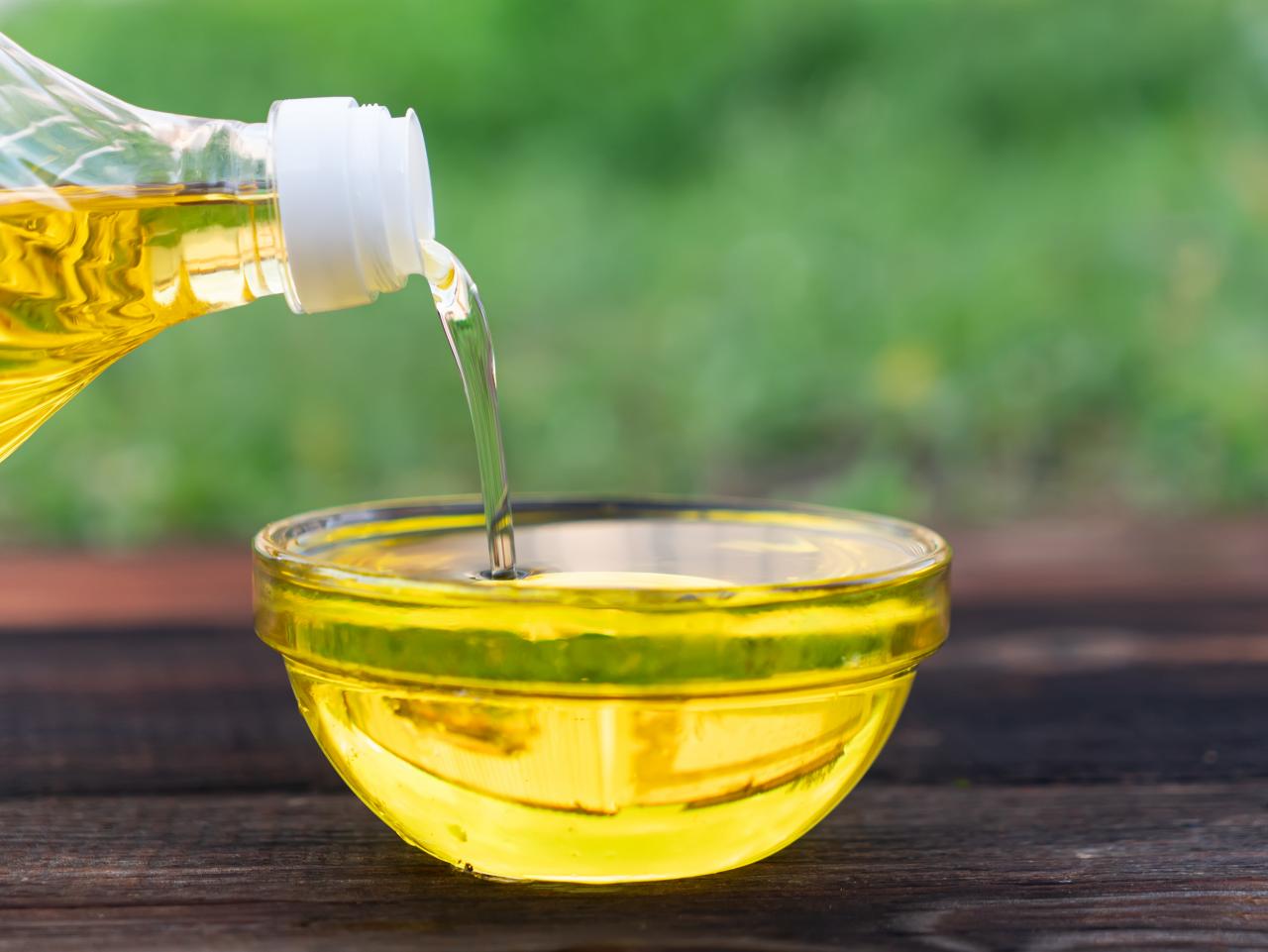
Neutral cooking oil is essential for browning your ground chicken and sautéing aromatics without adding competing flavors. Vegetable oil, canola oil, or grapeseed oil all work perfectly, offering high smoke points and clean taste that lets other ingredients shine. Avoid olive oil for lettuce wraps, as its distinctive flavor doesn’t complement Asian seasonings.
Use about 1-2 tablespoons of oil to start, heating it in your pan over medium-high heat before adding the ground chicken. The oil should shimmer but not smoke—if it starts smoking, your heat is too high. Proper oil temperature ensures the meat browns nicely rather than steaming in its own moisture.
If your ground chicken is particularly lean, you may need to add a bit more oil during cooking to prevent sticking. Conversely, if the meat releases a lot of fat, you can drain some off before adding vegetables and sauces. The goal is a filling that’s moist and flavorful but not greasy or swimming in excess oil.
Key Insight: The quality of your ingredients directly impacts the final taste of your lettuce wraps. Fresh vegetables, authentic Asian sauces, and properly seasoned protein create restaurant-quality results at home.
These 17 essential ingredients work together to create lettuce wraps that are fresh, flavorful, and satisfying. By understanding each component’s role, you can customize your wraps to suit your taste preferences while maintaining the authentic flavors that make this dish so appealing. Start with these basics, then experiment with variations like different proteins, additional vegetables, or creative sauce combinations to make the recipe your own.