



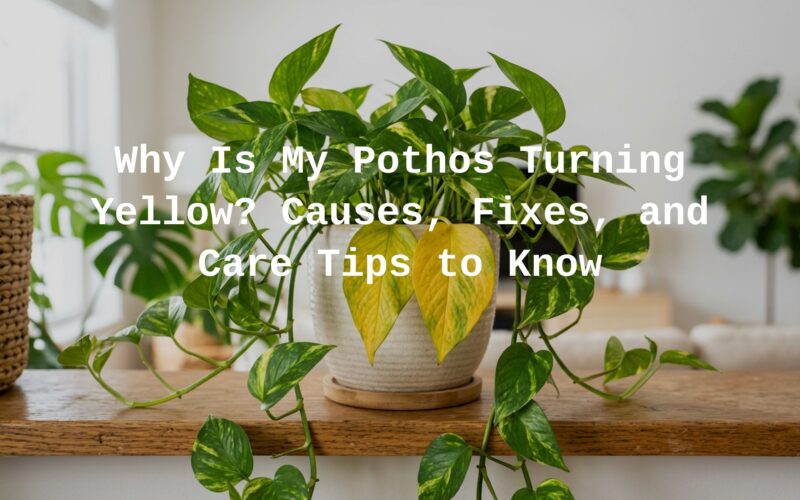
Yellowing leaves on a pothos can stop you mid-watering and send you straight to a search bar. The good news is that yellow leaves are one of the most common issues pothos owners face — and in most cases, the plant is not dying.
Your pothos is a resilient, forgiving houseplant that communicates stress through its foliage. Yellow leaves are its way of waving a flag. Once you understand what that flag means, fixing the problem is usually straightforward. This guide walks you through every likely cause, how to identify the right one, and exactly what to do about it.
Is It Serious?
The first thing to understand is that a few yellow leaves here and there is completely normal. Pothos naturally shed older leaves as part of their growth cycle, and those leaves often turn yellow before dropping. If the yellowing is isolated to one or two older leaves near the base of the plant, there is likely nothing to worry about.
However, yellowing becomes a concern when it spreads across multiple leaves, affects new growth, or appears alongside other symptoms like wilting, mushy stems, or a foul smell from the soil. In those cases, something in the plant’s environment or care routine needs to change.
Key Insight: A single yellow leaf on an otherwise healthy pothos is rarely an emergency. Widespread yellowing, soft stems, or yellowing paired with drooping are the signs that warrant closer attention.
The encouraging reality is that pothos are among the most adaptable houseplants for low-light areas and bounce back quickly once the underlying issue is corrected. Early diagnosis almost always leads to a full recovery.
Common Reasons Your Pothos Is Turning Yellow
There are several well-established reasons why pothos leaves turn yellow. Most come down to water, light, nutrients, or pests — all of which are well within your control.
Overwatering
Overwatering is the single most common cause of yellow pothos leaves. When the soil stays consistently wet, the roots are deprived of oxygen and begin to rot. A rotting root system cannot deliver water or nutrients to the leaves, which causes them to yellow and soften. If you notice yellowing alongside soggy soil, wilting despite wet conditions, or a musty odor from the pot, overwatering is almost certainly the culprit.
Common Mistake: Watering on a fixed schedule regardless of soil moisture is the fastest way to overwater a pothos. Always check the top inch or two of soil before watering — if it still feels damp, wait another day or two.
Underwatering
Underwatering produces yellow leaves too, though the pattern looks different. Leaves tend to turn yellow and crispy at the edges, and the soil will feel bone dry and may even pull away from the sides of the pot. The plant may also droop or curl its leaves slightly as a water-conservation response.
Too Much or Too Little Light
Light imbalances are a frequent but overlooked cause of yellowing. Too much direct sunlight scorches the leaves, producing yellow or bleached patches, often with a burned appearance. Too little light slows the plant’s ability to photosynthesize, which causes an overall pale or washed-out yellowing across the foliage. Pothos thrive in bright, indirect light and tolerate low light better than most, but they do have a threshold below which leaf color begins to suffer.
Nutrient Deficiency
A lack of key nutrients — particularly nitrogen, magnesium, or iron — shows up as yellowing leaves. Nitrogen deficiency causes older leaves to yellow first and progress upward. Magnesium deficiency produces yellowing between the leaf veins while the veins themselves stay green, a pattern called interveinal chlorosis. Plants grown in the same potting mix for more than a year or two are especially vulnerable, as nutrients deplete over time.
Root Rot
Root rot is a more advanced consequence of overwatering, typically caused by the fungal pathogen Phytophthora or other soil fungi that thrive in waterlogged conditions. Beyond yellow leaves, root rot presents with brown, mushy roots (visible when you unpot the plant), a foul smell, and stems that feel soft near the soil line. Left untreated, root rot will kill the plant.
Pests
Several common houseplant pests feed on pothos and cause yellowing as they damage leaf tissue. Spider mites leave fine webbing and tiny yellow speckles across leaves. Mealybugs appear as white cottony clusters and cause general leaf yellowing and distortion. Scale insects attach to stems and leaves and sap the plant’s energy. Fungus gnats, while mostly a nuisance, can stress roots in large infestations.
Temperature Stress and Cold Drafts
Pothos are tropical plants that prefer temperatures between 65°F and 85°F. Exposure to cold drafts from windows, air conditioning vents, or temperatures below 50°F causes the leaves to yellow and develop soft, water-soaked patches. Sudden temperature fluctuations are just as damaging as sustained cold.
Natural Aging
Finally, some yellowing is simply the plant’s natural lifecycle at work. Older leaves at the base of the plant yellow and drop as the pothos redirects energy to newer growth. This is normal, expected, and not a sign of poor care. If the yellowing is limited to the oldest leaves and the rest of the plant looks vibrant, no intervention is needed.
How to Tell Which Cause Is Affecting Your Pothos
Diagnosing the right cause saves you from making the wrong fix — like watering more when the real problem is already too much water. Work through the following checks systematically.
Check the Soil First
Push your finger about two inches into the soil. If it feels wet or soggy and has been that way for several days, overwatering or root rot is likely. If it feels completely dry and the pot feels very light, underwatering is the probable cause. This single check eliminates or confirms the two most common culprits immediately.
Look at the Pattern of Yellowing
Where and how the yellowing appears tells you a great deal about what is causing it.
- Yellowing starts on older, lower leaves and moves upward: Nitrogen deficiency or natural aging
- Yellow patches between green veins: Magnesium or iron deficiency (interveinal chlorosis)
- Yellow with crispy brown edges: Underwatering or low humidity
- Yellow with bleached or scorched patches: Too much direct sun
- Overall pale, washed-out yellow across the whole plant: Insufficient light
- Yellow with soft, mushy texture: Overwatering or root rot
- Yellow with tiny dots or webbing: Spider mite infestation
- Yellow with sticky residue or white clusters: Mealybugs or scale
Inspect the Roots
If overwatering or root rot is suspected, gently remove the plant from its pot. Healthy roots are white or light tan and firm to the touch. Rotted roots are brown or black, mushy, and may smell unpleasant. Even partial root rot is treatable if caught early.
Pro Tip: Use a plant identification app to photograph your pothos symptoms and get a second opinion. Several apps now include disease and deficiency diagnosis tools that can help confirm what you are seeing.
Evaluate the Environment
Consider where the plant sits. Is it near a cold window in winter, directly under an air conditioning vent, or in a room that gets very little natural light? Environmental factors are easy to overlook but account for a significant share of yellowing cases. Reviewing the plant’s location often reveals the answer quickly.
How to Fix It
Once you have identified the likely cause, the fix is usually manageable. Here is what to do for each scenario.
Fixing Overwatering
Stop watering immediately and move the plant to a spot with good airflow to help the soil dry out faster. Remove any standing water from the saucer. Going forward, only water when the top two inches of soil are dry. If the soil is compacted and draining poorly, consider repotting into fresh, well-draining potting mix.
Fixing Root Rot
Remove the plant from its pot and gently shake off the old soil. Using clean scissors or pruning shears, cut away all brown, mushy roots until only healthy white or tan roots remain. Rinse the remaining roots with clean water, then allow them to air dry for 30 minutes. Repot in fresh, well-draining potting mix in a clean pot with drainage holes. Hold off on watering for two to three days to let the roots settle.
Important Note: Always sterilize your pruning tools with rubbing alcohol before and after trimming rotted roots. This prevents spreading fungal pathogens to other plants in your collection.
Fixing Underwatering
Water the plant thoroughly until water drains freely from the bottom of the pot. Allow the soil to absorb the moisture fully before watering again. If the soil has become hydrophobic (water runs straight through without absorbing), try bottom watering: set the pot in a shallow tray of water for 20–30 minutes so the soil can rehydrate from below.
Fixing Light Issues
Move the plant to a location with bright, indirect light — near a window but out of direct sun. If natural light is limited, a full-spectrum grow light positioned 6–12 inches above the plant for 12–14 hours per day is an effective substitute. For sun-scorched leaves, simply relocating the plant is enough; the damaged leaves will not recover, but new growth will come in healthy.
Fixing Nutrient Deficiency
During the growing season (spring through summer), feed your pothos with a balanced liquid fertilizer diluted to half strength every four weeks. For suspected magnesium deficiency, a diluted Epsom salt solution (one teaspoon per gallon of water) applied once a month can help. If the plant has been in the same soil for more than two years, repotting with fresh potting mix is often the most effective nutrient reset available.
Treating Pests
Isolate the affected plant immediately to prevent spread. For spider mites and mealybugs, wipe down leaves with a cotton ball soaked in rubbing alcohol, then spray the entire plant with neem oil solution or insecticidal soap, making sure to coat the undersides of leaves. Repeat every five to seven days for three to four weeks. For scale, manually remove visible insects before applying the same treatment.
Addressing Temperature Stress
Move the plant away from cold drafts, air conditioning vents, and single-pane windows in winter. Maintain a consistent room temperature above 60°F. Yellow leaves caused by cold stress will not recover, but removing them and stabilizing the environment will allow the plant to produce healthy new growth.
How to Prevent It
Prevention is far easier than treatment. Building a few consistent habits into your care routine keeps yellowing from becoming a recurring problem.
- Water by feel, not by schedule. Check the soil before every watering session. The top two inches should be dry before you add more water.
- Use a pot with drainage holes. Standing water at the bottom of a pot with no drainage is the primary driver of root rot. Always choose pots that allow excess water to escape freely.
- Choose the right potting mix. A well-draining mix designed for tropical houseplants — or a standard mix amended with perlite — keeps roots healthy and aerated.
- Fertilize regularly during the growing season. A balanced fertilizer applied monthly from spring through summer replenishes depleted nutrients and supports strong, green foliage.
- Maintain consistent light. Keep your pothos in bright, indirect light year-round. Rotate the pot occasionally so all sides of the plant receive even exposure.
- Monitor for pests monthly. A quick inspection of leaf undersides and stems once a month catches infestations before they become severe. Early-stage pest problems are significantly easier to treat.
- Avoid temperature extremes. Keep the plant away from heating vents, cold drafts, and windows that drop below 60°F in winter.
- Repot every one to two years. Fresh potting mix restores nutrient levels and improves drainage, reducing the risk of both deficiency and root rot.
Pro Tip: Grouping your pothos near other houseplants naturally increases ambient humidity, which supports healthier foliage and reduces stress-related yellowing. If your home is particularly dry, a small humidifier or a pebble tray with water placed near the plant works well too.
If you enjoy growing pothos, you may also find it rewarding to explore the different types of pothos plants available — some varieties have more variegation and may show stress patterns slightly differently than the standard golden pothos.
Pothos Quick Care Guide
Use the table below as a at-a-glance reference for keeping your pothos healthy. These are the core care parameters that, when maintained consistently, prevent the vast majority of yellowing issues.
| Care Factor | Ideal Conditions | What Goes Wrong |
|---|---|---|
| Light | Bright, indirect light; tolerates low light | Direct sun causes scorching; too little causes pale yellowing |
| Watering | When top 2 inches of soil are dry | Overwatering leads to root rot; underwatering causes crispy yellow edges |
| Soil | Well-draining tropical or perlite-amended mix | Dense, compacted soil retains too much moisture and suffocates roots |
| Temperature | 65°F – 85°F (18°C – 29°C) | Below 50°F causes cold stress and soft, yellow patches |
| Humidity | 40–60% relative humidity | Very low humidity causes leaf edge browning and stress yellowing |
| Fertilizer | Balanced liquid fertilizer, half strength, monthly (spring–summer) | No feeding leads to nutrient deficiency and progressive yellowing |
| Pot Type | Any material with drainage holes | No drainage traps water and causes root rot |
| Repotting | Every 1–2 years or when rootbound | Old, depleted soil causes nutrient deficiency and poor drainage |
| Pests to Watch | Inspect monthly | Spider mites, mealybugs, and scale all cause yellowing and leaf damage |
Pothos (Epipremnum aureum) are one of the most rewarding houseplants to grow precisely because they respond quickly to improved care. Once you correct the underlying issue, new leaves typically emerge healthy and green within a few weeks, and the plant’s overall appearance improves noticeably within a month.
For broader context on how pothos fits into your indoor garden, the wide variety of plant types available means there is always something new to add alongside it. Pothos pairs particularly well with other low-maintenance options like English ivy, begonias, and Norfolk pine in a mixed indoor display.
Frequently Asked Questions
Unfortunately, a leaf that has fully turned yellow will not revert to green. The chlorophyll in that leaf has already broken down. However, once you correct the underlying problem — whether it is overwatering, low light, or a nutrient deficiency — new leaves will grow in healthy and green. Removing yellow leaves also helps redirect the plant’s energy toward new growth.
Yes. Removing yellow leaves is a good practice for two reasons. First, it keeps the plant looking tidy. Second, it prevents any potential fungal issues from developing on dying leaf tissue. Use clean scissors or your fingers to snip or pinch off yellow leaves as close to the stem as possible.
There is no universal watering schedule that works for every pothos in every environment. Instead of counting days, check the soil. Water when the top two inches of soil feel dry to the touch. In most indoor environments, this works out to roughly once every one to two weeks, but it varies with pot size, season, humidity, and light levels.
Yes. Over-fertilizing causes a buildup of mineral salts in the soil, which draws moisture away from the roots and causes fertilizer burn. This presents as yellowing and browning leaf tips or edges. If you suspect over-fertilization, flush the soil thoroughly with plain water to leach out excess salts, and reduce your fertilizing frequency going forward.
Yellowing that is limited to the oldest, lowest leaves is almost always natural aging. As the plant grows and produces new leaves at the top, it sheds older leaves at the base. This is a normal part of the plant’s growth cycle and does not indicate a problem. If the yellowing is climbing upward toward newer leaves, that is when you should investigate further.
Yellowing caused by overwatering, light, or nutrient issues is not contagious. However, if pests or a fungal disease are responsible, those can spread to neighboring plants. As a precaution, isolate any plant showing unusual yellowing until you have confirmed the cause, especially if it is near other houseplants. You can find more guidance on identifying and managing common houseplant pests to stay ahead of any potential spread.