Soft-Boiled Eggs and Pregnancy: Here’s Exactly When They’re Safe (and When They’re Not)

April 7, 2026
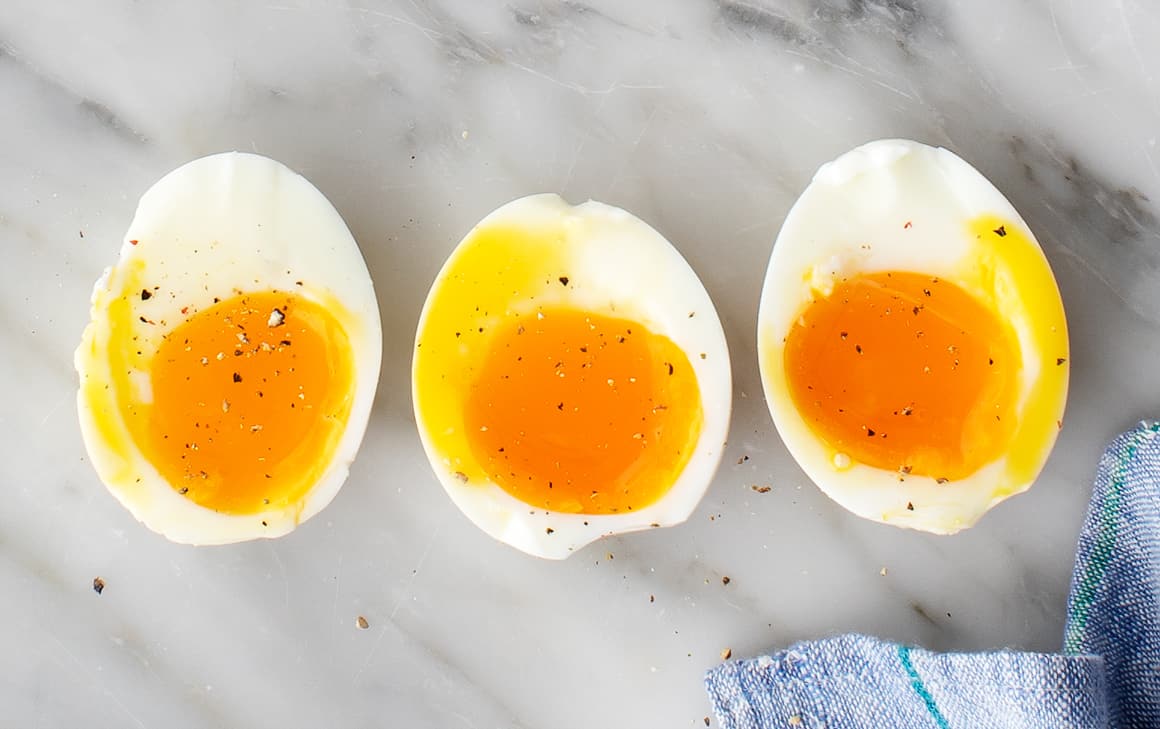
Pregnancy has a way of making even the simplest foods feel complicated — and soft-boiled eggs are a perfect example. One source tells you they’re fine, another says avoid them completely, and suddenly a breakfast you’ve eaten your entire life feels like a minefield.
Here’s the good news: you don’t have to guess. The answer to whether you can eat soft-boiled eggs while pregnant is clear, well-researched, and — for most people — more reassuring than you might expect. It just comes down to how you prepare them and which eggs you’re using.
In this guide, you’ll find everything you need to make a confident, informed decision — from the core safety rules to a trimester-by-trimester breakdown, a quick reference chart, and answers to the questions most pregnant women actually ask.
Key Insight: The biggest risk with soft-boiled eggs during pregnancy isn’t eggs themselves — it’s Salmonella bacteria in undercooked yolks. The good news is that this risk is highly manageable with the right egg choice and preparation method.
The Short Answer
Yes — with conditions. Pregnancy comes with a real list of foods to navigate carefully, but soft-boiled eggs don’t have to be on the “avoid completely” list for most pregnant women.
In the U.S.: Eggs are safe to eat during pregnancy as long as they’re pasteurized and cooked. The key is safe preparation. For soft-boiled eggs specifically, that means using pasteurized shell eggs — which are available at many grocery stores — or cooking your egg until the white is fully set and the yolk has begun to thicken.
In the UK: Eggs with a red lion logo stamped on their shell are produced under the British Lion Code. Pregnant women can eat these raw or partially cooked — for example, soft-boiled eggs.
If you’re using standard, non-pasteurized eggs from an unknown source, the safer move is to cook them fully — firm white, firm yolk — until all safety concerns are eliminated.
Why It’s a Concern
The worry behind soft-boiled eggs during pregnancy comes down to one thing: Salmonella. Fresh eggs, even those with clean, uncracked shells, may contain bacteria called Salmonella that can cause foodborne illness, often called “food poisoning.”
Normally, a healthy adult can fight off a mild Salmonella infection without serious consequences. But pregnancy changes that equation. Immune system changes in pregnant women place the women themselves, their unborn children, and their newborns at increased risk of foodborne illness. These illnesses can be worse during pregnancy and may lead to miscarriage or premature delivery.
The indirect risk matters too. Although it’s not certain whether Salmonella can actually affect your unborn baby directly, it can do so indirectly because you can become so ill — it’s a risk because it can make you very dehydrated and unable to eat the nutrients your baby needs.
Soft-boiled eggs are a concern specifically because a runny or partially set yolk means the egg hasn’t reached the internal temperature needed to reliably destroy Salmonella bacteria. Signs of a thoroughly cooked egg include a firm yolk and firm egg white — no runny center.
Important Note: Salmonella risk doesn’t mean eggs are dangerous — it means preparation method matters. Pasteurized eggs and properly cooked eggs are both safe options during pregnancy.
What the Research Actually Says
The science on this topic has evolved significantly over the past decade, and the current picture is more nuanced — and more reassuring — than older blanket warnings suggested.
In the United States, estimates of the frequency of infected eggs range from approximately 1 in 30,000 to 1 in 10,000. For context, the U.S. Centers for Disease Control and Prevention estimate that one egg in 20,000 may be contaminated. Although the number of eggs affected is small, there have been cases of foodborne illness caused by contaminated eggs.
The research also shows that the egg supply has become safer over time. Today, a lot fewer egg-laying hens have this problem than during the 1980s and 1990s, so eggs are safer.
In the UK, a landmark safety review changed official guidance entirely. After a year-long review by the Advisory Committee on the Microbiological Safety of Food, the Food Standards Agency (FSA) declared British Lion Eggs safe to eat, even when raw, by pregnant women and young children. This is due to increased hygiene, transportation practices, and a vaccination programme for British hens.
The nutritional case for eating eggs during pregnancy is also compelling. Eggs provide eight essential nutrients, including those that are critical during pregnancy like high-quality protein, Vitamin B12, iodine, and choline. Choline plays a vital role in brain health throughout our lives but is especially important for pregnant and breastfeeding women — during pregnancy, choline helps the baby’s brain and spinal cord develop properly and helps to prevent birth defects.
Eggs contain high amounts of choline, a nutrient that plays an important role in brain and spinal cord development during pregnancy. In addition to taking folic acid supplements, consuming choline during pregnancy may reduce the risk of neural tube defects. Choline is rarely found in pregnancy multi-vitamins, so it is important to consume choline-containing foods, such as eggs, regularly. That’s a compelling reason not to cut eggs out of your diet unnecessarily. Learn more about foods that support brain health and development.
Eggs contain 17 different vitamins and nutrients including omega-3 fats and antioxidants and are a rich source of quality protein, which are essential for the healthy development of the baby. Just one serve of eggs provides 90% of the additional protein requirements women need during pregnancy.
Pro Tip: Because research has demonstrated that higher maternal choline intake during pregnancy can improve an infant’s cognitive function — with impacts that may extend into a child’s school-age years — and one large egg has 150 mg of choline, which is 100% of an infant’s daily needs, avoiding eggs entirely during pregnancy means missing one of the most efficient choline sources available.
How to Do It Safely
The good news is that eating soft-boiled eggs safely during pregnancy is very achievable — it just requires a bit of intentionality about your egg source and cooking method. Here’s how to do it right.
Step 1: Choose the Right Eggs
Your egg choice is the most important factor. You have two safe options:
- Pasteurized shell eggs (U.S.): Purchase pasteurized eggs. These eggs can be found in some supermarkets and are labeled “pasteurized.” Pasteurization destroys Salmonella but does not cook the eggs or affect their color, flavor, nutritional value, or use.
- British Lion eggs (UK): Eggs with the Red Lion mark have been laid by hens vaccinated against Salmonella. That means there’s no need to cut out runny, fried, or soft-boiled hen eggs from your diet when you’re pregnant.
- Standard eggs (any country): Cook fully until both the white and yolk are firm. This remains the safest choice when egg source is uncertain.
Step 2: Cook Them Correctly
If you’re using pasteurized eggs or Lion-marked eggs, a traditional soft-boil is fine. If you’re using standard eggs, follow these cooking guidelines:
- For boiled eggs, a medium-sized egg should be boiled for at least 7 minutes.
- The New South Wales government advises women can eat eggs if they have been cooked thoroughly to at least 71°C (160°F).
- Always cook eggs until the yolks and whites are firm. When cooking egg dishes, make sure the internal temperature reaches 160 degrees Fahrenheit.
- It usually takes 10 to 12 minutes to fully boil an egg.
Step 3: Handle and Store Eggs Safely
Safe cooking starts before the egg even hits the pot. Follow these food-handling habits consistently:
- Avoid eggs with cracked or dirty shells.
- Store your eggs in the fridge, inside the carton you bought them in.
- Eat hard-boiled eggs within three days of boiling.
- Eat other leftover egg dishes within 24 hours of cooking.
- Wash your hands thoroughly after handling raw eggs.
Trimester Considerations
The safety rules for soft-boiled eggs don’t change dramatically by trimester — the core guidance (pasteurized or fully cooked) applies throughout your pregnancy. However, your nutritional needs do shift:
| Trimester | Egg Safety Rule | Key Nutritional Benefit |
|---|---|---|
| First Trimester | Pasteurized or fully cooked only | Choline and folate support early neural tube development |
| Second Trimester | Pasteurized or fully cooked only | Phosphorus and Vitamin D support skeletal health as baby starts developing bones and muscles. |
| Third Trimester | Pasteurized or fully cooked only | Protein supports rapid growth; iron supports oxygen delivery to baby |
Many doctors recommend consuming 1–2 eggs daily. That’s your safe range depending on your overall diet and cholesterol levels. If you have gestational diabetes or elevated cholesterol, check with your provider — the Heart Foundation recommends limiting egg intake to 7 eggs per week in those cases.
Pro Tip: Eggs are also rich in protein, iodine, Vitamin B12, and carotenoids lutein and zeaxanthin — essential for eye health. Many of these nutrients are found in the yolk, so eating the whole egg is important for the health of both you and your baby. Don’t skip the yolk. See other foods that support healthy eyesight.
What About Eating Out?
Restaurants are where the rules get trickier. If you’re eating out and you can’t guarantee the eggs you’re eating are Lion-marked (UK) or pasteurized, it’s best to avoid dishes with soft-cooked or raw eggs. In the U.S., order your eggs fully cooked when dining out unless the restaurant can confirm they use pasteurized eggs.
Also be mindful of hidden egg ingredients. Avoid eating or tasting foods that may contain raw or lightly-cooked eggs, such as raw batter, filling, or cookie dough made with raw eggs, and eggnog or other egg-fortified beverages that are not thoroughly cooked. Commercial mayonnaise, dressing, and sauces contain pasteurized eggs and are safe to eat.
When to Avoid It Completely
There are specific situations where soft-boiled eggs — even with precautions — are better skipped entirely. Here’s when to err firmly on the side of caution:
- You’re using non-pasteurized, non-Lion-marked eggs and can’t fully cook them. If you can’t confirm the egg source and you’re not cooking to a firm yolk, the risk isn’t worth it.
- You’re eating at a restaurant or event with unknown egg sourcing. If you’re eating out and aren’t sure where the eggs come from, it’s safest to choose fully cooked eggs.
- The eggs are past their best-before date. Check the use-by date to make sure food is safe to eat — do not eat food after the use-by date even if it looks and smells OK.
- You have a high-risk pregnancy. If your OB or midwife has flagged you as high-risk for any reason, follow their specific guidance over general guidelines.
- The egg shell is cracked or dirty. Avoid eggs with cracked or dirty shells — bacteria can enter through cracks and contaminate the interior.
- Duck, goose, or quail eggs. All other types of eggs — including duck, goose, and quail eggs — should be cooked thoroughly until both the whites and yolks are solid.
Common Mistake: Many pregnant women assume that buying organic or free-range eggs automatically makes them safe for soft-boiling. It doesn’t. The safety factor is pasteurization or vaccination status — not the farming method. Always check the label.
Some foodborne illnesses, such as Listeria and Toxoplasma gondii, can infect the fetus even if the mother does not feel sick. This is why being consistent with your egg safety habits throughout all nine months matters — not just when you feel unwell. For a broader look at pregnancy nutrition safety, this guide to foods and beverages to avoid during pregnancy covers the full picture.
Quick Reference Chart
Use this at-a-glance chart whenever you’re unsure about a specific egg preparation or situation. This covers the most common scenarios pregnant women encounter.
| Egg Type / Situation | Safety Status | Notes |
|---|---|---|
| Soft-boiled egg (pasteurized shell egg, U.S.) | ✅ Safe | Pasteurization destroys Salmonella; runny yolk is fine |
| Soft-boiled egg (British Lion mark, UK) | ✅ Safe | Hens vaccinated against Salmonella; NHS-approved |
| Hard-boiled egg (any source) | ✅ Safe | Firm yolk and white = fully cooked = no Salmonella risk |
| Scrambled eggs (fully cooked, no sliminess) | ✅ Safe | Cook until no longer moist or slimy |
| Fried egg (over-hard) | ✅ Safe | Both sides fully cooked, yolk firm |
| Soft-boiled egg (standard, non-pasteurized) | ⚠️ Use Caution | Runny yolk poses Salmonella risk; cook fully to be safe |
| Sunny-side up (non-pasteurized egg) | ⚠️ Use Caution | Yolk is uncooked; switch to pasteurized eggs or cook through |
| Soft-boiled egg (restaurant, unknown source) | ⚠️ Use Caution | Can’t verify pasteurization; order fully cooked instead |
| Raw egg (any form) | ❌ Avoid | No cooking = no Salmonella kill step |
| Homemade mayo, aioli, mousse with raw eggs | ❌ Avoid | Use pasteurized eggs or buy commercially made versions |
| Duck, goose, or quail eggs (soft-cooked) | ❌ Avoid | Must be fully cooked regardless of source |
| Store-bought mayo, dressings, aioli | ✅ Safe | Commercially made with pasteurized eggs |
| Cracked or dirty-shelled eggs | ❌ Avoid | Bacteria can enter through shell cracks |
For a broader look at nutritious foods that support your pregnancy, whole plant-based foods and heart-healthy superfoods are worth adding to your meal rotation alongside eggs. You might also find it helpful to explore what whole eggs offer nutritionally as a complete food.
Frequently Asked Questions
Can I eat soft-boiled eggs in the first trimester?
Yes, with the same conditions that apply throughout pregnancy. You can have boiled eggs during the first trimester of pregnancy as long as they are fully cooked — meaning no runny yolks or unset whites — unless you’re using pasteurized eggs, in which case a soft yolk is fine. The first trimester is when choline is especially critical for neural tube development, so eggs are actually a great food to keep in your diet.
What happens if I accidentally eat a soft-boiled egg while pregnant?
Don’t panic. In the United States, estimates of the frequency of infected eggs range from approximately 1 in 30,000 to 1 in 10,000 — meaning the odds of a single egg being contaminated are very low. Monitor yourself for symptoms of food poisoning (nausea, vomiting, diarrhea, fever) in the 12–72 hours after eating. If symptoms appear, contact your healthcare provider and stay well hydrated. If you are concerned you’re suffering from food poisoning, visit your GP or doctor and drink lots of fluids, as dehydration is one of the biggest problems.
Are store-bought pasteurized eggs the same as regular eggs?
Pasteurization destroys Salmonella but does not cook the eggs or affect their color, flavor, nutritional value, or use. They look and taste the same. In the U.S., after pasteurization, eggs are coated with food-grade wax to maintain freshness and prevent environmental contamination, and stamped with a blue or red “P” in a circle to distinguish them from unpasteurized eggs. Look for that marking on the shell or “pasteurized” on the carton label.
Can I eat eggs benedict or hollandaise sauce while pregnant?
Traditional hollandaise sauce is made with raw egg yolks, which makes it a risk. However, you can use pasteurized eggs to make foods that contain raw or lightly cooked eggs, such as hollandaise sauce, Caesar salad dressing, and tiramisu. If a restaurant confirms they use pasteurized eggs in their hollandaise, it’s safe. When in doubt, skip it or ask your server. Similarly, seafood choices during pregnancy require the same kind of source-aware thinking.
How many eggs can I eat per day during pregnancy?
Pregnant women can enjoy eggs daily as part of a healthy, balanced diet that also includes plenty of vegetables, fruit, wholegrains, and a variety of protein-rich foods like eggs, lean meat, chicken, fish, legumes, nuts, and seeds, as well as healthy fats such as avocados and olives. Most guidelines suggest 1–2 eggs per day is appropriate for most pregnant women. If you have gestational diabetes or high LDL cholesterol, talk to your provider about the right amount for you.
Is it safe to eat eggs from backyard chickens while pregnant?
Backyard chickens are not subject to the same vaccination, testing, and safety standards as commercial egg producers. Unbroken, clean, fresh shell eggs may contain Salmonella Enteritidis bacteria that can cause foodborne illness. If you’re eating eggs from backyard chickens during pregnancy, cook them fully — firm white and firm yolk — every time. Don’t soft-boil them unless you can confirm the hens have been vaccinated against Salmonella.
What’s the safest egg dish to eat during pregnancy?
Hard-boiled eggs are the most reliably safe option — thoroughly check a hard-boiled egg before eating by cutting it in half to ensure a cooked center. It usually takes 10 to 12 minutes to fully boil an egg. Scrambled eggs cooked until completely firm and fried eggs cooked over-hard are also excellent choices. All of these deliver the same nutritional benefits as soft-boiled eggs. Explore other nutrient-dense foods that support your body during pregnancy. For more pregnancy nutrition support, powerful nutrients found in whole foods can complement your egg-forward diet beautifully.