
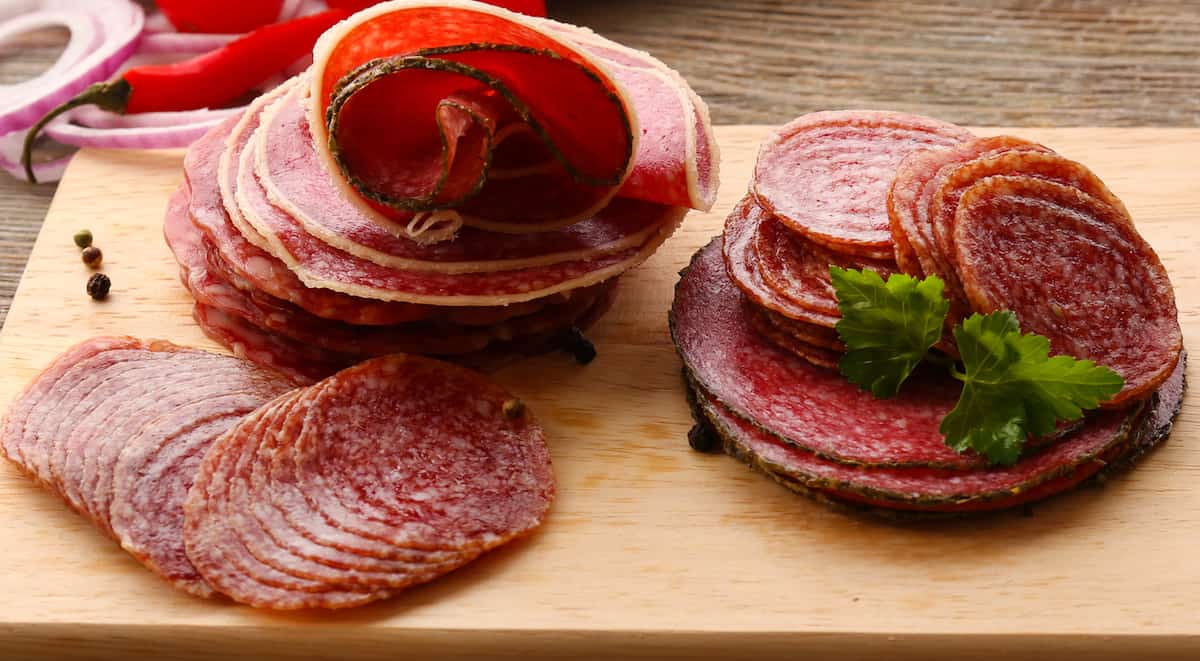
You’re pregnant, you’re craving a salami sandwich, and now you’re staring at the package wondering if it’s actually safe. You’re not alone — this is one of the most common food questions during pregnancy, and the answer isn’t a flat-out no.
The truth is that salami during pregnancy sits in a “use caution” zone rather than a hard “never” category. Whether you can safely enjoy it depends on how it’s prepared, how it’s stored, and what trimester you’re in. This guide walks you through exactly what the risks are, what the research says, and how to make the smartest call for you and your baby — without unnecessary panic.
Important Note: This article is for educational purposes only and is not intended as medical advice. Always consult with your OB-GYN or a registered dietitian before making decisions about your pregnancy diet.
The Short Answer
It’s best to avoid deli meats like salami during pregnancy to prevent the risk of contracting a foodborne pathogen. That’s the official guidance — but it comes with an important caveat.
If you must eat salami, make sure it’s thoroughly heated to prevent the risk of contracting a foodborne pathogen. Salami can very safely be eaten during pregnancy when heated to 165°F. There is a slightly increased food safety risk when consuming it cold versus heated.
So the short answer is: cold salami straight from the package — avoid it. Heated salami cooked until steaming hot — acceptable with care. Knowing why this distinction matters is what empowers you to make the right call every time.
Why It’s a Concern
Salami is a fermented, air-dried, and cured sausage — essentially raw meat that’s been processed. While salami is not raw meat, it is not cooked in a traditional sense. Instead of being heated to a temperature high enough to kill bacteria, it is slowly dried in a temperature-controlled environment to promote fermentation. That process doesn’t guarantee the elimination of harmful pathogens.
There are four main concerns when it comes to salami and pregnancy:
- Listeria: Listeriosis is the most often cited concern when consuming deli meats while pregnant. It’s caused by Listeria monocytogenes, a type of bacteria found in water and soil that can become a foodborne pathogen if produce is grown in contaminated soil or tainted foods are given to animals.
- Toxoplasmosis: Undercooked salami has also been found to be a source of toxoplasma infection. This infection can be passed from mother to fetus and could cause the baby to be visually impaired, develop a learning disability after birth, or even die.
- Nitrates: According to the CDC, high exposure to environmental nitrates during pregnancy can increase the risk of anemia, preterm labor, and pre-eclampsia. The CDC recommends that pregnant women limit their intake of meats that contain nitrates and nitrites.
- Sodium: Salami is very high in salt or sodium content, which is harmful for both mom and baby. The high salt content in deli meats can cause hypertension and swelling.
The biggest issue by far is Listeria. Pregnancy reduces the immune system’s capacity to fight off infections, increasing the risk of a woman contracting listeriosis. The bacteria can cross the placental barrier, infecting the uterus. According to the American College of Obstetricians and Gynecologists (ACOG), when you’re pregnant, your risk of not only contracting listeriosis but also experiencing some of its more damaging side effects is 10 times greater than that of the general population.
Key Insight: Some foodborne illnesses, such as Listeria and Toxoplasma gondii, can infect the fetus even if the mother does not feel sick. This is why doctors take the risk seriously even when you feel completely fine.
You can learn more about the full list of foods and beverages to avoid during pregnancy to stay informed throughout all three trimesters.
What the Research Actually Says
Here’s where things get more nuanced — and honestly, a little reassuring. The risk of Listeria from deli meat is real, but the absolute numbers are lower than many people assume.
A model estimates 1 case of listeriosis in 83,000 servings of deli meat consumed by pregnant women, which is a minimal risk. Despite the increased relative risk for pregnant women contracting Listeria, the absolute risk is extremely low, and avoiding deli meats altogether does appear to be rather punitive.
That said, the consequences when Listeria does occur during pregnancy are severe. Listeria infection during pregnancy can lead to miscarriage, stillbirth, premature delivery, or life-threatening infection of the newborn. In 2014, there were 96 reported listeria cases among pregnant women. While the number of actual cases is relatively low, 30% of cases resulted in fetal or infant death.
Although listeriosis can be very serious when contracted during pregnancy, it’s also overall rare. Furthermore, other foods that are actually encouraged to be eaten during pregnancy, like lettuce, actually show up on outbreak lists more often.
The research conclusion? Pregnant women should be informed of the nature and magnitude of the risks. They should: limit the amount and frequency of consumption; limit the duration of storage by choosing the freshest foods; and ensure that these foods are kept at the correct temperature at all times.
On the nitrate question, the primary concerns raised about processed meats involve perceived associations between processed meats and cancer and nitrates as preservatives. However, in regards to cancer risk, there are no significant associations between red and processed meat intake and increased risk of any cause of death. For a broader look at how certain foods are linked to cancer risk, the picture is more complex than headlines suggest.
Pro Tip: Uncured salami has still undergone preservation methods, but it is often from salt rather than nitrates. On the other hand, cured salami often contains nitrates and nitrites as a form of preservation. If you’re going to eat salami while pregnant, look for uncured or nitrate-free options on the label.
How to Eat Salami Safely During Pregnancy
If you decide to include salami in your pregnancy diet, these steps significantly reduce your risk. The key rule: never eat it cold.
Heat It Properly
Thoroughly cooking salami before eating makes it safe to enjoy during pregnancy. Cooking salami kills and reduces the risk of potential pathogens, making it a safer option. Ensure that your salami is “steaming hot” or cooked to an internal temperature of at least 165°F (74°C) to destroy any harmful bacteria that might be present.
Zap it in the microwave or cook it in the oven — like you would with salami on a pizza — so that it’s fully heated to the point that it’s steaming. Listeria can grow at cold temperatures in refrigerators, but it is easily killed by heat.
Store It Correctly
- Store salami in the refrigerator at or below 40°F (4°C) to deter bacterial growth.
- Check expiration dates and consume meats within three to five days of opening.
- Only heat up the amount of salami you want to eat in one serving. If you have any leftover, it’s best to throw it away to reduce your risk of illness.
- Wash your hands, utensils, and surfaces thoroughly before and after handling food.
Choose Wisely at the Store
- Opt for salami from reputable sources that prioritize safety and quality. Trusted brands that adhere to food safety standards can reduce potential risks. Read labels and ideally choose an option free from added sugars as well as added nitrates and nitrites.
- During pregnancy, be cautious about where you get your deli meats, opting for those from reputable providers with high standards of food safety.
- Avoid deli-sliced salami from open deli counters — pre-packaged options with intact seals are generally lower-risk.
Trimester Considerations
Most reported cases of listeria in pregnancy are from women in their third trimester. However, this may be related to under-reported or undiagnosed listeria in early pregnancy. You can reduce your risk of foodborne illness during your first trimester by heating the deli meat to an internal temperature of 165°F or until steaming hot.
The safest approach is to apply the same heating rule across all three trimesters. Your immune system is suppressed throughout pregnancy — not just in the final weeks.
Pro Tip: Salami on homemade pizza is one of the safest ways to enjoy it during pregnancy — oven heat easily brings it to the required 165°F. Just make sure it’s not added as a cold topping after baking.
For a broader look at how your nutritional choices affect your health during this time, explore these powerful nutrients and foods that support your body’s defenses, as well as superfoods for a healthy heart that can round out a balanced pregnancy diet.
When to Avoid It Completely
Even with precautions, there are specific situations where skipping salami entirely is the right call. Don’t eat salami during pregnancy if:
- You have a compromised immune system beyond normal pregnancy suppression (such as from HIV, cancer treatment, or autoimmune conditions). Listeria is especially harmful to people with weakened immune systems because it is more likely to spread beyond the gut to other parts of the body, resulting in a severe condition known as invasive listeriosis.
- The salami is homemade or from an unknown source. Salami could be home to harmful bacteria called Listeria, especially if the salami is homemade.
- It’s been sitting out at room temperature. Pregnant women should always avoid eating deli meats that have been left at room temperature for too long.
- It has been recalled. Even when there are no ongoing Listeria outbreaks, women who are pregnant should avoid deli meat or reheat it to an internal temperature of 165°F or until steaming hot to kill any germs. During an active recall, avoid the product entirely.
- You’re eating at a restaurant or deli counter where you cannot confirm heating practices or storage temperatures.
- You’re experiencing pregnancy complications such as cervical incompetence, a history of preterm labor, or other high-risk factors — in these cases, talk to your doctor before eating any deli meats.
Important Note: Pregnant people typically experience only fever, fatigue, and muscle aches from Listeria. However, Listeria infection during pregnancy can lead to miscarriage, stillbirth, premature delivery, or life-threatening infection of the newborn. If you develop any of these symptoms after eating salami, contact your OB-GYN immediately.
If you accidentally ate cold salami before reading this, stay calm. An occasional slip is unlikely to cause harm, especially if the salami was stored and handled properly. Monitor yourself for symptoms — symptoms usually start within 2 weeks after eating food contaminated with Listeria but may start as early as the same day or as late as 10 weeks after.
Quick Reference Chart
| Salami Type / Situation | Safety Status | Reason |
|---|---|---|
| Cold salami, straight from the package | ⚠️ Avoid | High Listeria risk; bacteria not killed |
| Salami heated to 165°F / steaming hot | ✅ Generally Safe | Heat kills Listeria and other pathogens |
| Salami on cooked pizza (oven-baked) | ✅ Generally Safe | Oven heat reaches required temperature |
| Uncured / nitrate-free salami (heated) | ✅ Safer Choice | Lower nitrate exposure; still must be heated |
| Cured salami with nitrates (heated) | ⚠️ With Caution | Nitrate concern; limit frequency |
| Homemade salami | 🚫 Avoid | No safety controls; higher contamination risk |
| Deli-counter sliced salami (cold) | 🚫 Avoid | Cross-contamination risk from shared slicers |
| Salami left at room temperature | 🚫 Avoid | Bacteria multiply rapidly at room temp |
| Recalled salami products | 🚫 Avoid | Known contamination risk |
| Salami during any trimester (heated) | ⚠️ With Caution | Immune suppression throughout all trimesters |
For a comprehensive overview of other foods that warrant caution during pregnancy, the types of food preservatives found in processed meats is a helpful read — especially when evaluating labels. You might also find it useful to explore the pros and cons of eating seafood during pregnancy, another common area of confusion.
Frequently Asked Questions
Can I eat salami in the first trimester?
The same rules apply in the first trimester as in any other: avoid it cold, and only eat it if it’s been heated to 165°F or until steaming hot. Some sources suggest extra caution in the first trimester since fetal organ development is most active, but the heating rule makes it manageable at any stage.
Is pepperoni the same as salami during pregnancy?
Yes — pepperoni is a type of salami and carries the same risks. Deli meats that are high-risk for Listeria infection include salami, pepperoni, dry sausages, and other fermented or dry-cured meats. The same heating-to-165°F rule applies to pepperoni. Pepperoni on a hot pizza is generally considered safe; cold pepperoni on a charcuterie board is not.
What about salami on a charcuterie board?
Cold charcuterie is one of the highest-risk ways to eat salami during pregnancy. The meat has not been heated, it may have been sitting at room temperature, and it’s often served alongside other high-risk items like soft cheeses and cured meats. It’s best to skip the charcuterie board during pregnancy — or build your own with fully cooked, pregnancy-safe alternatives.
Can I eat salami if I cook it myself?
Thoroughly cooking salami before eating makes it safe to enjoy during pregnancy. Cooking salami kills and reduces the risk of potential pathogens. Ensure that your salami is “steaming hot” or cooked to an internal temperature of at least 165°F (74°C) to destroy any harmful bacteria effectively. Yes — as long as you’re the one controlling the heat and you’ve reached that threshold, it’s a much safer option.
What other deli meats should I avoid?
You can eat other types of deli meats during pregnancy, as long as they are cooked properly. Some other options include ham, turkey, and roast beef. The rule is universal across all deli meats: cold is risky, heated to steaming is safer. For other foods to be mindful of, see this guide to foods and beverages to avoid during pregnancy.
What are the symptoms of Listeria in pregnancy?
Pregnant women with Listeria typically experience fever, muscle aches, and tiredness. The illness may be mild, but Listeria can cause pregnancy loss or premature birth. Symptoms usually start within 2 weeks after eating contaminated food but may start as early as the same day or as late as 10 weeks after. Contact your doctor immediately if you develop any of these symptoms after eating deli meat. For further reading on building an immune-supportive pregnancy diet, check out these foods that boost brain health and whole plant-based foods that support overall wellness during pregnancy.
What can I eat instead of salami?
If you’d rather skip the guesswork entirely, there are plenty of satisfying alternatives. Greek yogurt, cheese sticks, and hard-boiled eggs are examples of other quick protein options. If you’re craving salami but want to avoid the risks, opt for cooked turkey breast, grilled chicken, or tofu. These options provide a safer way to enjoy similar flavors and textures while ensuring a pregnancy-safe choice. You can also explore nutrient-dense foods that support hormonal and reproductive health during pregnancy.