Raw Fish During Pregnancy: What’s Actually Safe and What to Avoid

April 3, 2026
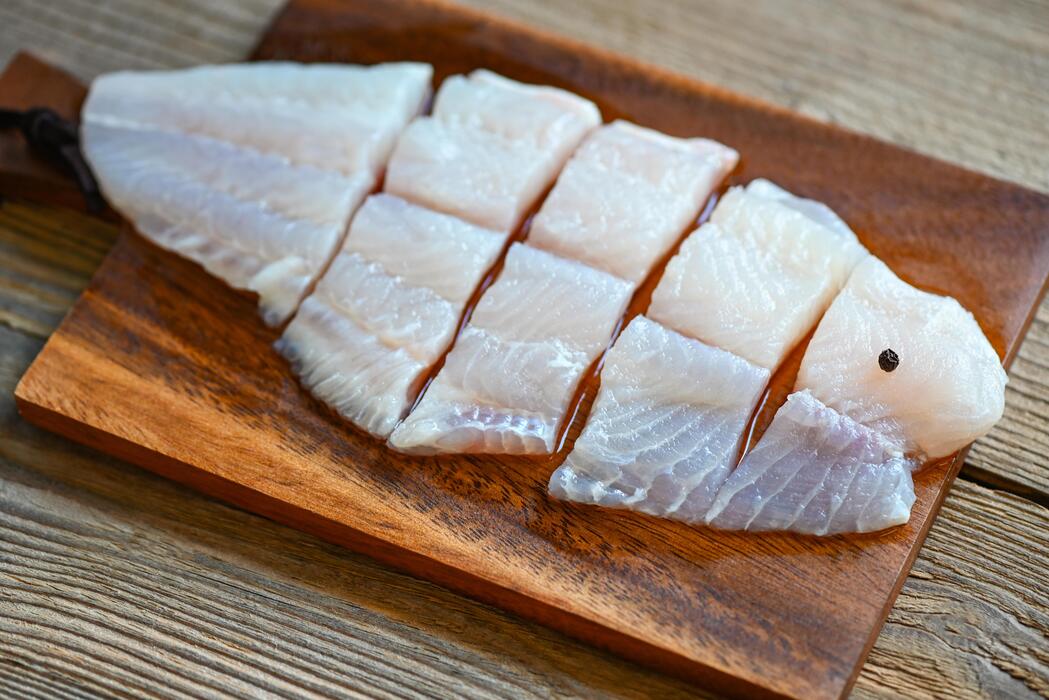
If you’ve been craving sushi since you saw those two pink lines, you’re not alone — and the question of whether you can eat raw fish while pregnant is one of the most common food safety concerns expecting moms face. The short answer matters here, but so does the why behind it.
Understanding exactly what the risks are, which trimesters are most vulnerable, and what you can eat instead will help you feel confident at every meal — not anxious. Let’s walk through everything you need to know, backed by current guidance from the FDA, ACOG, and leading health experts.
The Short Answer
No — raw fish is not safe to eat during pregnancy. This applies across all three trimesters, from the moment you find out you’re expecting. You should avoid all raw or undercooked fish when you’re pregnant, though many types of fish are safe to eat when fully cooked.
That said, this doesn’t mean fish is off the table entirely — far from it. Yes, you can eat seafood while pregnant, but you should only eat fish and other seafood that’s fully cooked and low in mercury. The goal is to protect you and your baby from specific, preventable risks while still getting the incredible nutritional benefits that fish provides.
Important Note: The no-raw-fish rule applies to all three trimesters — not just the first. The no-undercooked-or-raw-fish rule applies to all three trimesters. Even if you’re feeling great in your second or third trimester, the risks don’t go away.
Why It’s a Concern
Your body goes through significant immune system changes during pregnancy, and that’s exactly what makes raw fish risky. During pregnancy, your immune system is lowered since you’re sharing it with a growing fetus. When you have a weakened immune system, you’re more susceptible to bacteria or parasites that could be present in raw or improperly handled fish.
There are two primary concerns when it comes to raw fish and pregnancy:
- Bacteria and parasites — Raw fish, including sushi and sashimi, are more likely to contain parasites or bacteria than fully cooked fish. These include dangerous pathogens like Listeria, Salmonella, and toxoplasmosis.
- Mercury exposure — Raw fish can result in increased mercury exposure to your baby. When a pregnant woman is exposed to high levels of mercury, the health of the baby and mom are threatened. High levels of mercury can cause brain damage, hearing, and vision problems in the baby.
Listeria is a particularly serious threat. The Centers for Disease Control and Prevention notes that pregnant women are 10 times more likely than the general population to get listeriosis. What makes it especially dangerous is that Listeria can cross the placental barrier, meaning the baby is at risk even if the mother’s symptoms are mild.
Beyond listeria, fresh fish and seafood eaten raw or undercooked may pose a risk for Norovirus, Hepatitis A Virus, Listeria monocytogenes, Campylobacter, Salmonella, and Escherichia coli. That’s a wide range of pathogens, all of which are far easier to contract when your immune defenses are naturally suppressed during pregnancy. You can learn more about foods and beverages to avoid during pregnancy for a broader picture of what to watch out for.
Common Mistake: Many people assume “sushi-grade” fish is safe during pregnancy. However, “sushi-grade” is a marketing term, not a regulatory standard. There is no official UK or US government definition of what makes fish “sushi-grade.” Even premium raw fish carries the same risks.
What the Research Actually Says
Major health organizations are in agreement on this topic. The Dietary Guidelines for Americans and FDA recommend that those who are pregnant should only eat foods with fish that have been cooked to safe internal temperatures. This includes not eating raw fish, like that found in some sushi or sashimi. Those who are pregnant often have weaker immune systems and are more at risk for foodborne illnesses.
The American College of Obstetricians and Gynecologists (ACOG) echoes this stance directly. If a contaminated raw fish product reaches you, if the food is contaminated with bacteria or parasites and a person who is pregnant becomes infected, there can be other risks to a pregnancy, including preterm delivery or pregnancy loss.
Research also highlights longer-term risks beyond the immediate pregnancy. Toxoplasmosis infections can cause long-term problems for the baby, such as vision loss, hearing loss, or developmental delays. Many infected infants will have no problems at birth, but symptoms of congenital toxoplasmosis can happen months or even years after birth.
On the mercury side, the science is equally clear. If you regularly eat fish high in mercury, mercury can build up in your bloodstream over time. Too much mercury in your bloodstream could damage your baby’s developing brain and nervous system. Importantly, raw fish can contain parasitic anisakid nematodes, which are not killed by cold curing but can be killed by freezing or cooking. This is why even freezing alone isn’t enough — while freezing fish before eating raw or uncooked fish does kill parasites, it does not kill all pathogenic bacteria.
There’s also a compelling positive argument for eating cooked fish during pregnancy. Fish intake during pregnancy is recommended because moderate scientific evidence shows it can help your baby’s cognitive development. The key is preparation, not avoidance of fish altogether. You can explore the broader pros and cons of eating seafood to understand the full picture.
How to Do It Safely
The good news: you don’t have to give up seafood, sushi restaurants, or the nutrients fish provides. You simply need to make smart choices about preparation and species selection.
Safe Amounts
The FDA, the EPA, and the Dietary Guidelines for Americans recommend that, in a week, pregnant people eat at least 8 ounces and up to 12 ounces of a variety of seafood lower in mercury. That works out to 2–3 servings per week, with one serving being 4 ounces.
Safe Fish Species During Pregnancy
Stick to low-mercury species that are fully cooked. The following are considered best choices by the FDA:
- Salmon — Cooked salmon is considered one of the best choices of fish to eat when pregnant.
- Shrimp — Fully cooked shrimp is considered safe to eat during pregnancy. Be sure your shrimp is heated to an internal temperature of at least 145 degrees Fahrenheit and is not see-through in color.
- Cod — You can eat cod while pregnant. As long as it’s fully cooked and flaky, you can safely eat two to three servings of cod a week.
- Catfish — A lower-mercury option safe in moderation, about 8 to 12 ounces a week.
- Canned light tuna — Canned light tuna is one of the best fish options for pregnancy. It’s also easier to prepare since it comes pre-cooked.
- Crab (fully cooked) — Safe at 8–12 ounces per week.
Cooking Guidelines
Proper cooking eliminates the bacteria and parasites that make raw fish dangerous. Most seafood should be cooked to an internal temperature of 145 degrees Fahrenheit (63 degrees Celsius). Fish is done when it separates into flakes and appears milky white throughout.
For shellfish specifically: cook shrimp, lobster and scallops until they’re milky white. Cook clams, mussels and oysters until their shells open. Throw away any that don’t open.
Safe Food Prep Tips
When preparing fish while pregnant, wash your hands and the cooking surface before preparing any seafood, use a cutting board dedicated to seafood prep, cook raw or refrigerated seafood until the internal temperature reaches 145 degrees Fahrenheit, and use or freeze fresh seafood within one to two days after preparing.
What About Smoked Fish?
Refrigerated smoked seafood labeled nova style, lox, kippered, smoked, or jerky should be avoided. It’s OK to eat smoked seafood if it’s in a casserole or other cooked dish. Canned and shelf-stable versions also are safe.
Pro Tip: When eating out at a sushi restaurant, you can absolutely enjoy the experience — just order cooked rolls. Dragon rolls with cooked shrimp or eel, vegetable rolls, and California rolls with imitation crab are all pregnancy-friendly options. Cross-contamination with raw fish can be an issue, so if they prep a veggie roll on the same surface where they prep raw fish rolls, you could get exposed to exactly what you’re trying to avoid. Don’t hesitate to ask the restaurant about their prep practices.
When to Avoid It Completely
Beyond the blanket rule on raw fish, there are specific situations and species you need to steer completely clear of during pregnancy — no exceptions.
High-Mercury Fish to Always Avoid
The bigger and older the fish, the more mercury it’s likely to contain. The FDA says not to eat the following while pregnant: Bigeye tuna, King mackerel, and Orange roughy. Shark, swordfish, and tilefish are also on the FDA’s “choices to avoid” list.
Raw and Undercooked Preparations to Skip
Don’t eat raw fish and shellfish. Examples of raw or undercooked foods to avoid include sushi, sashimi, ceviche and raw oysters, scallops or clams. Don’t eat uncooked seafood that’s refrigerated.
When You’re at Higher Risk
You should be especially vigilant in the first trimester. During the first trimester, several significant developments are happening, so it’s crucial to abstain as soon as you know you’re pregnant. During weeks 1 to 8, the brain and spinal cord begin to form. This is also the time that the tissues that form the heart begin to beat and the eyes, ears, and nose develop. All of your baby’s major organs will develop and function by the end of the first trimester. It’s during these first 12 weeks that the fetus is most vulnerable and susceptible to damage and harm from exposure to toxic substances.
Also avoid raw fish if you have any history of immune compromise, or if you’re eating fish from local waters without confirmed safety advisories. Reviewing a full list of foods to avoid during pregnancy can help you feel fully prepared.
What to Do Instead
Giving up raw fish doesn’t mean giving up the nutrients your baby needs most. Here are satisfying, pregnancy-safe alternatives that cover all the same nutritional ground.
Get Your Omega-3s from Cooked Fish
Eating fish during pregnancy is one of the best ways to get brain-boosting nutrients to your growing baby. Cooked salmon, sardines, and trout are all rich in DHA and EPA. Developing human infants cannot make enough DHA to meet their developmental requirements for optimal brain, eye, and nervous system development. Instead, infants get DHA from their mothers.
Check out this guide to foods that boost brain health and function for more ideas on getting those essential nutrients. You’ll also find helpful ideas in this overview of powerful nutrients found in whole foods.
Plant-Based Omega-3 Sources
If you’d rather reduce fish consumption altogether, beyond seafood, other sources of omega-3 fatty acids include flaxseed — ground seeds or oil — canola oil, walnuts, sunflower seeds, and soybeans (also called edamame). These are excellent additions to your daily meals.
Explore whole plant-based foods for a deeper look at nutrient-dense alternatives that support a healthy pregnancy. For heart health during this period, the guide on superfoods for a healthy heart is also worth a read.
Supplements
The American Pregnancy Association recommends that women who are pregnant or breastfeeding take a daily fish oil supplement containing a minimum of 300mg DHA with some EPA omega-3 fatty acids. However, fish liver oils like cod liver oil should be avoided in pregnancy because they can cause dangerous levels of Vitamin A in your body. Always confirm supplement choices with your healthcare provider first.
Key Insight: Unlike with fish consumption, the Agency for Healthcare Research and Quality determined there is no consistent evidence that taking omega-3 dietary supplements during pregnancy benefits neurocognitive development. The reason for this distinction is not fully understood — it’s postulated that other nutrients in fish, not just omega-3 fatty acids in isolation, contribute to neurocognitive benefits. In other words, cooked fish is still your best option over supplements alone.
Pregnancy-Safe Sushi Options
You don’t have to skip the sushi restaurant entirely. These cooked and vegetarian options are safe and satisfying:
- California rolls (imitation crab — fully cooked pollock)
- Cooked shrimp rolls (ebi nigiri)
- Eel rolls (unagi — always cooked)
- Avocado, cucumber, and sweet potato rolls
- Edamame and miso soup on the side
- Cooked salmon nigiri (fully cooked, confirmed with staff)
Your baby will benefit from the omega-3s in cooked salmon, the iodine in seaweed, and the protein in edamame — all while you enjoy a cuisine you love.
Quick Reference Chart
| Food / Preparation | Status During Pregnancy | Notes |
|---|---|---|
| Raw sushi / sashimi | ❌ Avoid | Risk of Listeria, parasites, mercury |
| Ceviche | ❌ Avoid | Acid does not kill all bacteria/parasites |
| Raw oysters, clams, scallops | ❌ Avoid | High bacterial contamination risk |
| Refrigerated smoked salmon (lox, nova) | ❌ Avoid | Listeria risk; shelf-stable versions are OK |
| Shark, swordfish, king mackerel, bigeye tuna | ❌ Avoid (even cooked) | High mercury — FDA “choices to avoid” list |
| Cooked salmon | ✅ Safe (2–3 servings/week) | Excellent DHA source; best choice per FDA |
| Cooked shrimp | ✅ Safe (8–12 oz/week) | Low mercury; cook until milky white |
| Cooked cod, catfish, tilapia | ✅ Safe (8–12 oz/week) | Low mercury; fully cook to 145°F |
| Canned light tuna | ✅ Safe (2–3 servings/week) | Lower mercury than albacore; pre-cooked |
| Albacore / white tuna | ⚠️ With Caution | Limit to 6 oz/week; higher mercury than light tuna |
| Cooked crab / imitation crab | ✅ Safe (8–12 oz/week) | Confirm fully cooked; imitation crab is low-mercury pollock |
| Cooked eel (unagi) | ✅ Safe | Always served cooked in sushi restaurants |
| Vegetable sushi rolls | ✅ Safe | Avocado, cucumber, sweet potato — all fine |
| Fish roe (ikura, tobiko) | ❌ Avoid | Typically raw; cross-contamination risk |
| Cooked mussels, oysters, clams | ✅ Safe (when shells open during cooking) | Discard any that don’t open |
Frequently Asked Questions
What happens if I accidentally ate raw fish before I knew I was pregnant?
If you consumed raw sushi before realizing you were pregnant, do not panic. A single exposure doesn’t guarantee illness. Monitor for symptoms like fever, nausea, vomiting, or unusual stomach pain, and contact your OB or midwife if anything concerns you. Most exposures don’t result in infection.
Is “sushi-grade” fish safe during pregnancy?
No. As noted above, “sushi-grade” suppliers may freeze fish to temperatures that kill parasites, but this does not eliminate bacteria like Listeria or Salmonella, and freezing protocols are not always verified at the restaurant level. The only way to make fish safe during pregnancy is to cook it thoroughly.
Can I eat cooked sushi while pregnant?
Yes! Cooked sushi is completely fine. Rolls made with cooked shrimp, eel, crab, or imitation crab, as well as vegetarian rolls, are all safe options. Cooked sushi is what many OB-GYNs usually recommend. Just confirm with your server that nothing raw has been added or that prep surfaces are kept separate.
Does the trimester matter when it comes to raw fish safety?
All three trimesters carry risk, but the first trimester is the most critical window. During weeks 1 to 8, the brain and spinal cord begin to form. This is also the time the tissues that form the heart begin to beat and the eyes, ears, and nose develop. All of your baby’s major organs will develop and function by the end of the first trimester. That said, Listeria and mercury are dangerous throughout the entire pregnancy.
How much cooked fish can I eat per week while pregnant?
For pregnancy and breastfeeding, eat 2 to 3 servings a week from the “Best Choices” list, with one serving being 4 ounces, or 1 serving from the “Good Choices” list. Variety is also key — eating a mix of different low-mercury species gives you a broader nutrient profile without overexposure to any single contaminant.
What if I don’t like fish? Can my baby still get enough omega-3s?
You can have a healthy baby even if you don’t eat fish. A healthy eating pattern consists of choices across all food groups — vegetables, fruits, grains, dairy, and protein foods which can include nutritious options other than fish. Plant-based omega-3 sources like flaxseed, walnuts, and edamame can help, and a prenatal vitamin with DHA is a smart backup. Talk to your healthcare provider about the right supplement for your needs. You can also explore nutrient-rich foods that support hormonal health and foods that support liver function to round out your pregnancy nutrition plan.
Is it safe to eat fish from a local lake or river while pregnant?
If you eat fish from local waters, pay attention to local advisories. If advice isn’t available, limit fish from local waters to 6 ounces (170 grams) a week. Locally caught fish can have higher contamination levels depending on the body of water, so always check with your local health department before eating recreationally caught fish during pregnancy.
This information is for educational purposes only and is not intended as medical advice. Always consult with a qualified healthcare professional before making health decisions during pregnancy.