Can You Eat Pepperoni While Pregnant? Yes — But Only If You Do This First

April 3, 2026
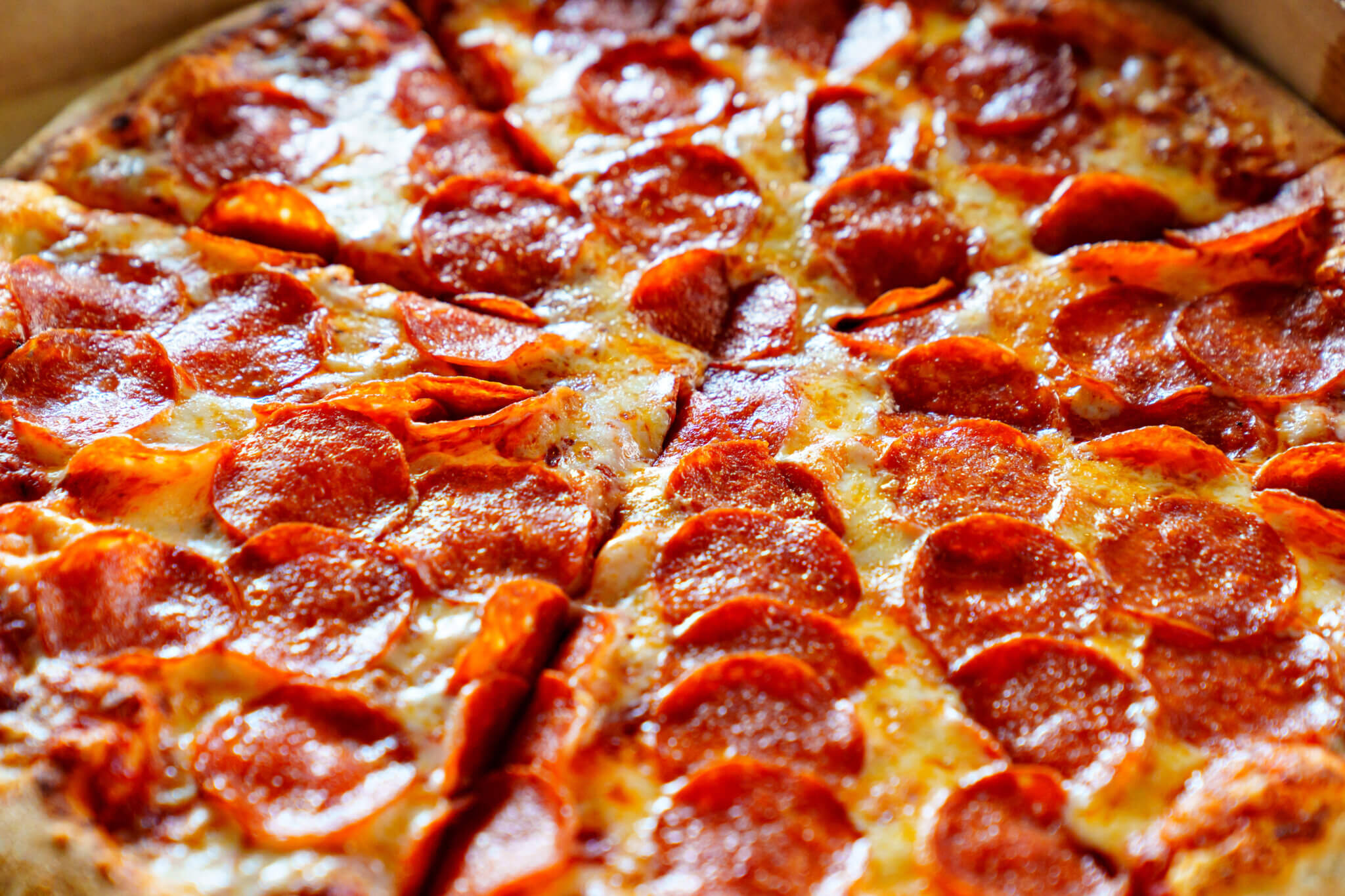
That pepperoni pizza craving hits hard during pregnancy — and the good news is, you probably don’t have to skip it. Whether you’re eyeing a slice at your favorite restaurant or snacking straight from a pack of deli slices, the answer to whether pepperoni is safe during pregnancy isn’t a flat yes or no. It depends almost entirely on one thing: how it’s prepared.
Understanding the difference between cooked and cold pepperoni — and knowing what risks are actually involved — gives you the confidence to make smart choices without obsessing over every bite. Here’s everything you need to know, trimester by trimester, craving by craving.
Medical Disclaimer: This information is for educational purposes only and is not intended as medical advice. Always consult with a qualified healthcare professional before making health decisions during pregnancy.
The Short Answer
Yes, you can eat pepperoni while pregnant — as long as it is fully cooked. Eating raw or cold pepperoni is not recommended due to the risk of harmful bacteria. That distinction — cooked versus cold — is the most important thing to understand about pepperoni and pregnancy.
Pregnant pizza lovers can rejoice: pepperoni topping a hot, freshly baked pizza is typically fine. The problem isn’t the pepperoni itself — it’s eating it cold, straight from the package or off a charcuterie board. Some pepperoni is fermented and cured rather than heat-cooked, and even when a product is labeled “ready-to-eat,” pregnancy guidance still recommends heating it to 165°F (steaming hot) because Listeria can grow during storage and slicing.
So if you’re craving that pepperoni pizza — order it, enjoy it, and don’t stress. Just know the rules before you reach for a cold slice from the fridge.
Why It’s a Concern
Pepperoni belongs to a category of food that requires extra caution during pregnancy: cured and processed meats. The concerns aren’t invented — they’re grounded in real biology, and they’re worth understanding so you can navigate them confidently.
Listeria
As a cured deli meat, pepperoni is technically uncooked. Uncooked meats can harbor bacteria and parasites like Listeria and Toxoplasma, respectively. When someone who isn’t pregnant consumes foods contaminated with these pathogens, they’re typically unaffected. But a pregnant person has a weakened immune system and is more likely to get sick with food poisoning, like listeriosis or toxoplasmosis.
Listeria has the ability to thrive even in refrigerator conditions, which is why cold pepperoni is not considered safe. This is what makes cold deli-style pepperoni risky even when it looks and smells completely normal.
Toxoplasmosis
Raw pepperoni poses the risk of toxoplasmosis, which is usually associated with raw meat. Toxoplasmosis could increase the risk of preterm labor, stillbirth, and miscarriage, and cause congenital disabilities in babies. While this risk is relatively rare, it’s serious enough to take seriously throughout all three trimesters.
Nitrates and Nitrites
Another thing to consider is the nitrates and nitrites often used to preserve pepperoni. While the jury is out on whether these are truly problematic, many pregnant people prefer to avoid them. Nitrates in preserved meat products can be harmful to you and the fetus, which is more susceptible to the effects of nitrosamines.
High Sodium and Saturated Fat
Pepperoni is high in saturated fat and sodium, which, when consumed in excess, can contribute to high blood pressure and increase the risk of complications like preeclampsia. U.S. Dietary Guidelines advise adults, including pregnant ones, to limit sodium to no more than 2,300 mg per day and to limit saturated fat. Pepperoni eaten regularly can push you past those thresholds quickly.
Key Insight: The biggest risk with pepperoni during pregnancy isn’t the meat itself — it’s the temperature at which you eat it. Heat kills the dangerous bacteria. Cold doesn’t.
What the Research Actually Says
The science on pepperoni and pregnancy comes down to a few well-established findings from food safety and maternal health research. Here’s what the evidence actually supports — without the guesswork.
Pepperoni is a type of cured meat typically made from a mixture of pork and beef, seasoned with spices, and then dried. While the curing process helps to preserve the meat, it doesn’t fully eliminate the risk of harmful bacteria, such as Listeria or Toxoplasma gondii, which can lead to infections dangerous for pregnant women and their babies.
On the Listeria risk specifically, research cited by the CDC and FDA points to deli and cured meats as a known source of exposure during pregnancy. Deli meats, including fermented and dry sausages, can carry Listeria, which causes severe food poisoning in pregnancy. During early pregnancy, listeriosis has been linked to miscarriage. Later on, it can lead to preterm birth or newborn infection. The overall risk exists throughout pregnancy, so safe food handling matters in every trimester.
On the nitrate question, uncured meats are cured with natural products such as celery powder rather than nitrates, but there is no evidence to say that uncured meat is safer than cured meat. In other words, “nitrate-free” labeling doesn’t automatically mean risk-free — it just means the source of nitrates is different.
The research consensus is clear: cooking pepperoni to an internal temperature of 165°F (74°C) kills any harmful bacteria that may be present, making it safe to eat. That’s the scientific bottom line — heat is the solution.
Important Note: The CDC specifically advises pregnant people to avoid cold deli and cured meats or to reheat them to 165°F (steaming hot) just before eating. This applies to pepperoni in every form — sticks, slices, or toppings.
How to Do It Safely
You don’t have to give up pepperoni during pregnancy. You just need to follow a few straightforward rules. Here’s how to enjoy it safely, with guidance for different situations and all three trimesters.
The Golden Rule: Heat It to 165°F
Even when a product is “ready-to-eat,” pregnancy guidance still recommends heating deli and sausage meats to 165°F (steaming hot) because Listeria can grow during storage and slicing. That means the pepperoni should be visibly steaming — not just warm.
Safe Preparation Methods
- Pizza (freshly baked): Pepperoni on a freshly baked pizza served piping hot is generally fine — the heating step is what makes it safer. The key is that the topping should be steaming hot at serving, and leftovers should be reheated to 165°F.
- Microwave or pan-fry: Heating pepperoni until it is very hot, either in the oven, pan, or microwave, will destroy the harmful bacteria.
- Toasted sandwiches and paninis: Salami or pepperoni in a toasted or grilled sandwich, panini, or on toast where the meat has been microwaved or otherwise cooked until steaming hot — not just warmed — is considered safe during pregnancy.
- Soups and stews: Pepperoni added to a hot soup or stew and simmered through is a safe way to enjoy the flavor without any cold-meat concerns.
Serving Size and Frequency
Pregnant women can consume small amounts of pepperoni, ideally about 28 grams (1 oz) per serving, which is roughly 2–3 slices. Enjoying pepperoni pizza in moderation — ideally once a week — keeps it safely within a balanced diet.
Smarter Brand Choices
Read labels attentively and buy low-sodium, nitrate-free options where possible. A safer alternative for pepperoni during pregnancy is to choose those made of turkey and other lean meats. Turkey pepperoni tends to be lower in saturated fat, though it still needs to be cooked thoroughly.
Trimester-by-Trimester Guidance
You can eat pepperoni during the first trimester — just ensure it’s cooked thoroughly to kill any bacteria. You can enjoy pepperoni during the second trimester as well; ensure it’s cooked properly and opt for lower-fat varieties. Eating pepperoni in the third trimester is safe if it’s cooked thoroughly, and it can be part of a balanced diet offering protein and flavor. The cooking rule applies equally in all three trimesters — there’s no trimester where cold pepperoni becomes safe.
One Thing to Watch on Pizza
Be careful of pizza toppings that are added after the pizza comes out of the oven, and also if the pepperoni is in a folded pizza (calzone), as it’s harder to tell if the pepperoni has been heated through. When in doubt, ask your server or cut into the center to check.
Pro Tip: Pair your pepperoni pizza with a side salad loaded with leafy greens, or explore whole plant-based foods to round out your nutritional intake and offset pepperoni’s high sodium content.
When to Avoid It Completely
Even with the “cook it first” rule in place, there are specific situations where it’s best to skip pepperoni altogether during pregnancy. Being aware of these helps you protect both yourself and your baby without any second-guessing.
- Cold, straight from the package: Like other cured salamis, pepperoni is a raw food. Whether from the deli counter or out of the bag, you should avoid eating it cold because it can harbor bacteria that can harm your developing baby.
- Charcuterie boards and party platters: Cold, ready-to-eat pepperoni — including sliced sticks, deli-counter slices, and charcuterie boards — should be avoided or reheated to 165°F right before eating.
- Cold leftover pizza: Reheating leftover pizza until it’s steaming hot is essential. Never eat cold pepperoni pizza straight from the fridge.
- Buffets and long-sitting spreads: When in doubt at buffets or potlucks, follow the USDA’s two-hour rule and skip foods that have been sitting out for two hours or longer.
- If you have high blood pressure or preeclampsia: Pepperoni is high in saturated fat and sodium, which, when consumed in excess, can contribute to high blood pressure and increase the risk of complications like preeclampsia. If you’ve been diagnosed with either condition, it’s best to avoid it entirely or only eat it very occasionally under your doctor’s guidance.
- If you accidentally ate cold pepperoni: If you accidentally eat pepperoni during pregnancy, check whether it was well cooked or raw and monitor for any unusual symptoms. If it was raw or cold, contact your healthcare provider. Don’t panic if you unknowingly ate cold deli meat — statistically, serious infection is rare, but it’s always worth a call to your doctor for peace of mind.
Common Mistake: Many people assume that because pepperoni is “cured” or “ready to eat” on the label, it’s automatically safe during pregnancy. It’s not — those labels apply to food safety for the general population, not for pregnant women with lowered immune function.
Quick Reference Chart
Use this chart to quickly identify what’s safe, what needs caution, and what to avoid entirely when it comes to pepperoni during pregnancy. For a broader look at foods and beverages to avoid during pregnancy, that resource covers many other categories worth knowing.
| Pepperoni Type / Scenario | Safety Status | Key Condition |
|---|---|---|
| Freshly baked pizza (piping hot) | ✅ Safe | Must be steaming hot at serving |
| Pan-fried or microwaved pepperoni | ✅ Safe | Heat to 165°F / visibly steaming |
| Toasted sandwich or panini with pepperoni | ✅ Safe | Meat must be cooked through, not just warm |
| Pepperoni in hot soup or stew | ✅ Safe | Fully simmered/heated through |
| Turkey pepperoni (cooked) | ✅ Safe | Lower fat option; still must be cooked |
| Reheated leftover pepperoni pizza | ⚠️ With Caution | Must be reheated to 165°F — not just warm |
| Nitrate-free or “uncured” pepperoni (cooked) | ⚠️ With Caution | Still needs to be fully heated; not automatically safer |
| Calzone or folded pizza with pepperoni | ⚠️ With Caution | Hard to verify internal temp — check before eating |
| Cold pepperoni from the fridge/package | ❌ Unsafe | Listeria risk; do not eat cold |
| Deli-counter sliced pepperoni (cold) | ❌ Unsafe | High cross-contamination and Listeria risk |
| Charcuterie board pepperoni | ❌ Unsafe | Room temperature; not safe without reheating |
| Pepperoni if you have preeclampsia/high BP | ❌ Avoid | High sodium worsens blood pressure complications |
Frequently Asked Questions
Here are honest answers to the questions pregnant women most commonly ask about pepperoni — no fluff, no alarm, just clarity.
Can I eat pepperoni pizza while pregnant?
Yes, pregnant women can safely enjoy pepperoni pizza as long as the pepperoni is fully cooked. When pizza is baked, the high heat ensures that the pepperoni reaches a safe temperature, eliminating any potential bacteria. When ordering pizza, make sure it is served hot and that the pepperoni has been cooked thoroughly.
Is cold pepperoni safe during pregnancy?
It’s not recommended to eat cold pepperoni during pregnancy. Cold meats, especially deli or cured meats like pepperoni, can carry a higher risk of bacterial contamination. Pregnant women are at greater risk for infections from Listeria or Toxoplasma, which can survive in cold temperatures.
What happens if I accidentally ate cold pepperoni while pregnant?
First, don’t panic. If you accidentally eat pepperoni during pregnancy, check whether it was well cooked or raw and monitor for any unusual symptoms. If you have eaten raw pepperoni, it is best to contact your healthcare provider for advice. Serious illness from a single exposure is statistically uncommon, but it’s always better to check in with your doctor.
Is pepperoni safe in the first trimester?
You can eat pepperoni during the first trimester — just ensure it’s cooked thoroughly to kill any bacteria. Choose quality brands and pair it with nutritious foods like whole grains or vegetables for a balanced snack or meal. You may also want to explore foods that support brain health to prioritize nutrients that matter most in early development.
Is turkey pepperoni safer than regular pepperoni during pregnancy?
Turkey pepperoni is often considered a healthier choice than traditional pork or beef pepperoni because it contains less fat. Nevertheless, it is still processed meat, undergoing curing, seasoning, and the addition of preservatives like nitrates or nitrites. It is advisable for pregnant women to consume processed meats, including turkey pepperoni, in moderation and ensure they are thoroughly cooked or heated to reduce the risk of bacterial contamination.
Can pepperoni cause a miscarriage?
Eating cold or raw pepperoni carries a risk of Listeria infection, which in serious cases has been linked to pregnancy complications. Listeria infections can cause severe complications during pregnancy, including miscarriage, stillbirth, or preterm labor. However, properly cooked pepperoni eliminates this risk. The key is always temperature — hot is safe, cold is not.
How much pepperoni can I eat while pregnant?
Pregnant women can consume small amounts of pepperoni, ideally about 28 grams (1 oz) per serving, which is roughly 2–3 slices. Pepperoni is a very high-sodium food, which can also be irritating during pregnancy when hydration and fluid balance are already a concern. It’s best as a once-in-a-while option on a pizza rather than a staple food. For ideas on building a more nutrient-rich plate, take a look at these powerful nutrients and foods worth incorporating during pregnancy.
Are there healthier alternatives to pepperoni during pregnancy?
Yes — and they’re worth knowing. A safer alternative for pepperoni during pregnancy is to choose those made of turkey and other lean meats. You can also explore heart-healthy superfoods that deliver satisfying flavor and protein without the high sodium load. Nutrient-dense whole foods are another great way to satisfy cravings while keeping your pregnancy diet balanced. For a broader look at how food preservatives like nitrates work and what to watch for on labels, that’s a helpful resource too.
Is Hormel pepperoni safe during pregnancy?
Hormel pepperoni contains nitrite preservatives, high saturated fats, added sugars, and high sodium content. Therefore, it is good to avoid it for your overall health during pregnancy. If you do eat Hormel or similar conventional brands, make sure it’s fully cooked to steaming hot temperature and consumed only occasionally.
Navigating food choices during pregnancy doesn’t have to feel overwhelming. With pepperoni, the rule is refreshingly simple: hot is safe, cold is not. Cook it thoroughly, enjoy it in moderation, and keep the rest of your plate as nourishing as possible — and that pepperoni pizza craving is absolutely one you can satisfy.