Can You Eat Lobster While Pregnant? What Doctors and the FDA Actually Say

April 4, 2026
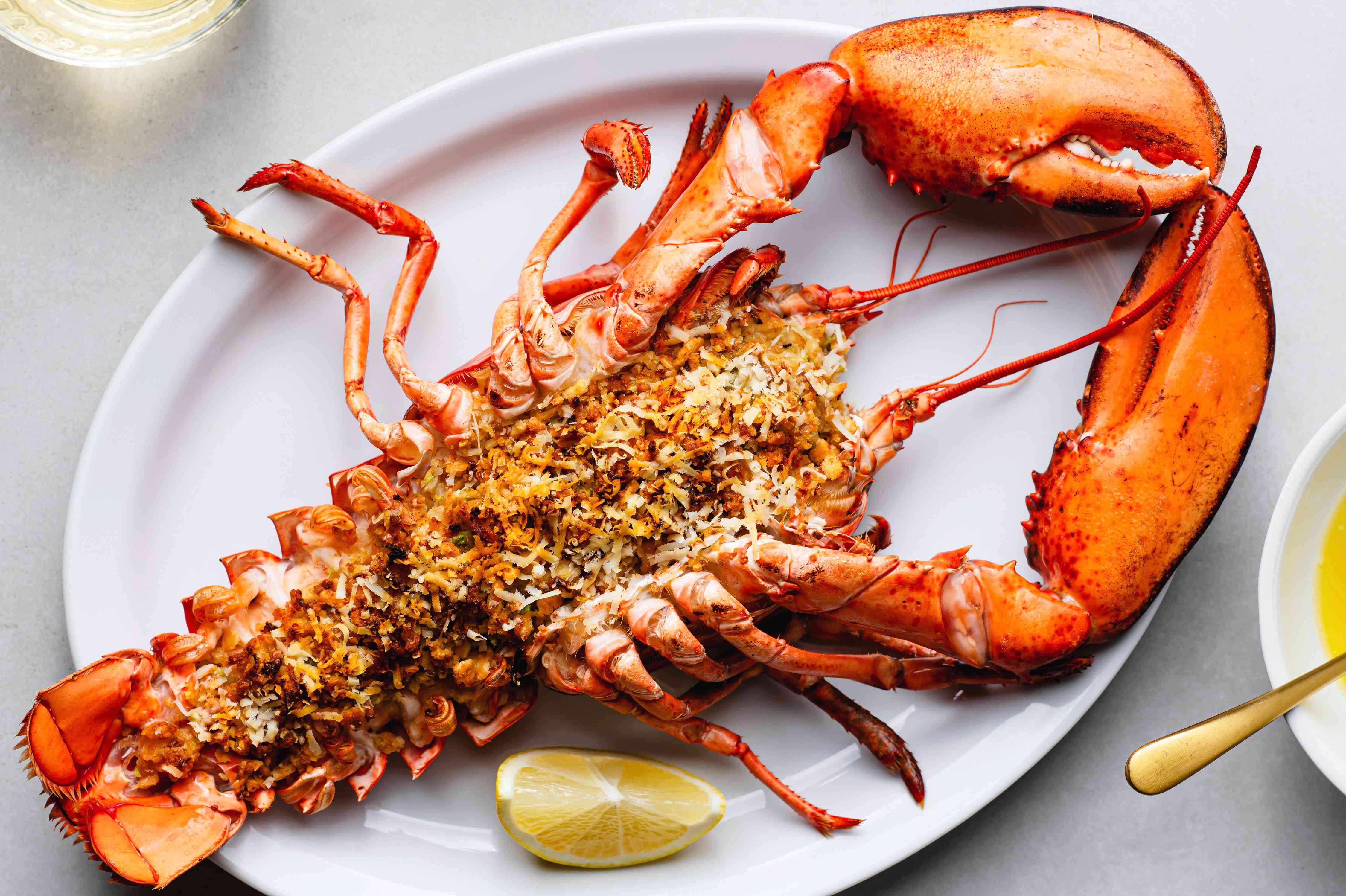
If you’ve been eyeing that lobster roll and wondering whether you have to skip it for the next nine months, here’s some genuinely good news: you probably don’t.
Lobster is one of the foods that causes a lot of unnecessary anxiety during pregnancy — mostly because seafood in general gets lumped into a single “be careful” category. But not all seafood carries the same risks, and lobster is a very different story from, say, swordfish or raw oysters. Once you understand what the research and major health organizations actually say, you can enjoy it with confidence — and even feel good about the nutrients you’re getting.
Pro Tip: Bookmark this page for your third-trimester restaurant outings. The rules don’t change by trimester — what matters most is always how the lobster is prepared.
The Short Answer
“It is safe for pregnant women to eat lobster and other shellfish in pregnancy, as long as it is thoroughly cooked to the correct internal temperature,” says Dr. Renita White, OB-GYN. That’s the bottom line. You don’t need to avoid lobster during pregnancy — you just need to make sure it’s fully cooked and consumed in reasonable amounts.
Lobster is low in mercury and high in nutrients, and it is safe to eat throughout your pregnancy. The Environmental Protection Agency lists American and spiny lobster as a “best choice” for seafood. That’s the highest possible rating from one of the country’s top environmental health agencies — not just a green light, but an actual endorsement.
Lobster is a low-mercury seafood, so it’s fine to consume on a regular basis — or at least up to two or three times per week. So go ahead and make that dinner reservation.
Why It’s Safe
The main worry with seafood during pregnancy is mercury — a heavy metal that, in high amounts, can affect a developing baby’s nervous system. But lobster simply doesn’t carry that risk at concerning levels.
Some seafood, especially larger fish like tuna, contain too much mercury for pregnant women to consume regularly or in large amounts, but lobster falls on the “safe list.” The reason comes down to how mercury accumulates in the food chain — larger, predatory fish that eat smaller fish build up far more mercury over their lifespans than crustaceans like lobster.
Beyond being low in mercury, lobster is also genuinely nutritious for you and your baby during pregnancy:
- High-quality protein: Lobster provides high-quality protein, essential for the growth and repair of tissues, making it beneficial during pregnancy when protein needs are higher.
- Omega-3 fatty acids: “Seafood, like lobster, can also be a great source of omega-3 fatty acids that support the development of a baby’s brain and eyes.”
- Copper: Lobster is particularly rich in copper, a trace mineral that plays a vital role in the formation of red blood cells, absorption and utilization of iron, and the maintenance of nerve cells and the immune system.
- Lean and low-calorie: Just three-and-a-half ounces of lobster has 89 calories, 19 grams of protein, and less than one gram of fat — making it a lean, low-calorie source of protein.
- Vitamin B12: Lobster contains important omega-3 fatty acids and vitamin B12, both of which protect against a plethora of health issues.
You can read more about the pros and cons of eating seafood to get a fuller picture of how shellfish fits into a balanced diet — including during pregnancy.
Key Insight: The nutrients in lobster — especially DHA, protein, and copper — directly support fetal brain development, tissue growth, and your immune system. Eating it isn’t just safe; it can actively benefit your pregnancy.
What the Research Actually Says
This isn’t just anecdotal reassurance — the research backing lobster’s safety during pregnancy is solid and comes from multiple major health institutions.
The FDA, the EPA, and the Dietary Guidelines for Americans recommend that pregnant people eat at least 8 ounces and up to 12 ounces of a variety of seafood lower in mercury per week — that’s about 2 to 3 servings. Lobster fits squarely within that guidance.
Fish intake during pregnancy is recommended because moderate scientific evidence shows it can help your baby’s cognitive development. That’s not just permission to eat seafood — it’s a reason to actively include it.
The mental health angle is worth noting, too. In one study, women who ate less omega-3 fatty acids from seafood had a higher chance of becoming depressed during pregnancy and postpartum — leading researchers to conclude that eating seafood during pregnancy could improve pregnant women’s mental health.
Eating average amounts of seafood containing low levels of mercury during pregnancy hasn’t been shown to cause problems. And the omega-3 fatty acids in many types of fish can promote a baby’s healthy brain development.
For a broader look at how foods support brain health and development, including the role omega-3s play throughout life stages, that resource is worth a read.
Key Insight: Several studies have shown that the benefits of eating seafood low in mercury while pregnant outweigh the risks. The conversation isn’t just “is it safe?” — it’s that skipping it entirely may mean missing out on meaningful nutritional benefits.
How to Do It Safely
The green light on lobster comes with one non-negotiable condition: it must be fully cooked. Here’s exactly what that looks like in practice.
Serving Size and Frequency
Pregnant women can safely consume lobster as part of their 2–3 servings (8–12 ounces) of low-mercury seafood per week. Lobster servings for pregnant women range from eight to 12 ounces per week, along with other protein sources. Keep in mind that this total includes all seafood — not just lobster — so factor in any other fish or shellfish you’re eating that week.
How to Know It’s Fully Cooked
All seafood should be cooked to at least 145 degrees Fahrenheit. For lobster specifically, the visual cues are your best guide:
- Cook shrimp and lobster until the flesh is pearly and milky white.
- The shell should turn bright red during cooking.
- The meat should be firm and opaque all the way through — no translucent or jelly-like sections.
- Avoid any lobster that looks undercooked, gray, or mushy inside.
Safe Handling and Storage
Keep lobster refrigerated or frozen and follow proper handling practices to prevent contamination. Always thaw lobster in the refrigerator or under cold running water, not at room temperature.
To prevent cross-contamination in the kitchen: use separate cutting boards and utensils when prepping seafood, keep the seafood chilled and separate until ready to prepare, and make sure you thoroughly wash your hands and all surfaces the seafood touched.
Where You Source It Matters
The FDA suggests consuming properly cooked lobster meat in moderation. It’s also important to check local advisories to be sure your freshly caught lobster is safe to eat. If you want to take shellfish from public waters, it is important that you check local notices or with your local authority that it is safe to eat shellfish from that area.
Important Note: Lobster bisque, lobster mac and cheese, and lobster rolls made with warm, cooked meat are all fine. The one version to avoid? Lobster served chilled or cold straight from the refrigerator without being reheated — like some pre-made cold lobster salads. These fall into the “refrigerated seafood” category that carries a higher listeria risk.
Trimester Differences
Good news here: the guidelines don’t change by trimester. You can safely eat properly cooked lobster in the first, second, and third trimesters — the same serving limits and preparation rules apply throughout your entire pregnancy. Lobster is low in mercury and high in nutrients and is safe to eat throughout your pregnancy.
If first-trimester nausea is making seafood unappealing, that’s completely normal — just return to it when you feel ready. Your body will tell you. For more on foods and beverages to avoid during pregnancy across all trimesters, that guide covers the full picture.
When to Avoid It Completely
While lobster itself is safe, there are specific situations where you should skip it entirely — regardless of how much you’re craving it.
If You Have a Shellfish Allergy
This one is obvious but worth stating clearly: if you’re allergic to shellfish, lobster is off the table during pregnancy (and at all other times). Allergic reactions during pregnancy can be more serious and harder to manage, so don’t test your limits.
If It’s Raw or Undercooked
When you’re pregnant, your immune system changes, making you and your baby more susceptible to bacteria and parasites in raw or undercooked seafood. During pregnancy, these illnesses can be worse and can cause miscarriage or preterm delivery.
There are some foodborne illnesses, including Listeria and Toxoplasma gondii, that can infect your baby even if you don’t feel sick. That’s what makes this rule non-negotiable — you might feel fine and still pass something dangerous to your baby.
If It’s from Waters Under an Advisory
Every state and territory in the U.S. issues warnings about fish caught in local waters that may be contaminated with pollutants or mercury. These warnings tell you which fish you can safely eat, based on the levels of five toxins that may be present in lakes, rivers, and coastal waters. Always check your state’s current advisory before eating locally caught lobster.
If It’s Refrigerated and Pre-Made Without Reheating
Cold lobster salads, refrigerated lobster spreads, or pre-packaged lobster dishes that won’t be cooked again fall into a higher-risk category. Don’t eat uncooked seafood that’s refrigerated — this includes seafood labeled nova style, lox, kippered, smoked, or jerky. The same caution applies to cold, pre-made lobster dishes from a deli counter or grocery store that you won’t be reheating to a safe temperature.
Common Mistake: Assuming all restaurant lobster is safe. Always confirm that the lobster in your dish was cooked fresh and is served hot. If you’re unsure, ask your server. It’s not an odd question — it’s a smart one.
For a broader understanding of which foods and beverages to avoid during pregnancy, including other seafood risks and non-seafood hazards, that resource covers everything in one place.
Quick Reference Chart
| Lobster Type / Situation | Safety Status | Notes |
|---|---|---|
| Fully cooked lobster (steamed, boiled, grilled) | ✅ Safe | Flesh must be pearly white and firm; internal temp 145°F |
| Lobster bisque (hot, restaurant-prepared) | ✅ Safe | Ensure it’s served piping hot |
| Lobster roll (with warm, cooked meat) | ✅ Safe | Confirm meat is freshly cooked and served hot or warm |
| Lobster mac and cheese (hot) | ✅ Safe | Great way to enjoy lobster safely |
| Lobster in sushi / raw preparations | ❌ Avoid | Risk of Listeria and foodborne illness |
| Cold pre-made lobster salad (deli-style) | ⚠️ Caution | High listeria risk unless reheated to 165°F |
| Refrigerated smoked or cured lobster | ❌ Avoid | Safe only if canned/shelf-stable or cooked into a hot dish |
| Locally caught lobster (no advisory checked) | ⚠️ Caution | Check your state’s fish advisory before eating |
| Lobster if you have a shellfish allergy | ❌ Avoid | No exceptions — allergic reactions are more dangerous during pregnancy |
| More than 12 oz of lobster per week | ⚠️ Caution | Stay within the 8–12 oz/week total seafood guideline |
For a full list of seafood and other foods to avoid during pregnancy, including high-mercury fish, unpasteurized products, and more, that guide is a helpful companion to keep on hand.
You might also find it useful to explore whole plant-based foods that pair well with a pregnancy diet, or learn about superfoods for a healthy heart — many of which overlap with pregnancy nutrition recommendations.
Frequently Asked Questions
Can I eat lobster in my first trimester?
Yes. Lobster is low in mercury and high in nutrients and is safe to eat throughout your pregnancy — including the first trimester. The same cooking and serving rules apply. If nausea is making seafood unappealing right now, simply wait until it passes.
Is the butter on lobster safe during pregnancy?
Yes, butter is safe during pregnancy in normal amounts. The concern with lobster is always about how the meat is cooked and handled — not the butter it’s served with. Enjoy your drawn butter without worry.
What about lobster bisque from a restaurant?
As long as it’s served hot and made with fully cooked lobster meat, lobster bisque is safe. The heat of the soup itself provides an additional layer of safety. Just avoid versions that are lukewarm or have been sitting out.
Can I eat a cold lobster roll while pregnant?
This depends on how it’s prepared. A lobster roll made with freshly cooked, hot lobster meat that’s then chilled briefly is generally lower risk than a pre-made deli lobster salad that’s been sitting refrigerated for days. When in doubt, ask when it was made and opt for a freshly prepared version.
How much lobster can I eat per week during pregnancy?
The FDA, EPA, and Dietary Guidelines for Americans recommend that pregnant people eat at least 8 ounces and up to 12 ounces of a variety of seafood lower in mercury per week. Lobster counts toward that total. If you’re also eating shrimp, salmon, or other seafood that week, factor all of it together.
Is lobster safe if I accidentally ate it undercooked?
Monitor yourself for any symptoms including nausea, vomiting, or fever, and contact your healthcare provider immediately. Don’t wait to see if symptoms develop — call your OB or midwife right away so they can advise you based on your specific situation.
Are other shellfish as safe as lobster during pregnancy?
Cooked shellfish like shrimp, lobster, and crab can be part of a healthy pregnancy diet. The same rules apply across the board: fully cooked, properly handled, and within the weekly seafood limit. Raw shellfish like oysters, however, should be avoided entirely. You can explore more about the pros and cons of eating seafood to compare your options.
Does lobster have any nutrients that are especially good during pregnancy?
Yes — several. Seafood is low in saturated fat and a good source of high-quality protein and micronutrients including vitamin B12, vitamin D, calcium, iron, and zinc. It is also an important dietary source of polyunsaturated omega-3 fatty acids such as EPA and DHA. Lobster specifically is a strong source of protein, copper, B12, and omega-3s — all of which play important roles in fetal development. For more on powerful nutrients and the foods that contain them, that resource breaks down the science in an accessible way.