Can You Eat Canned Tuna While Pregnant? What the FDA Actually Says

April 3, 2026
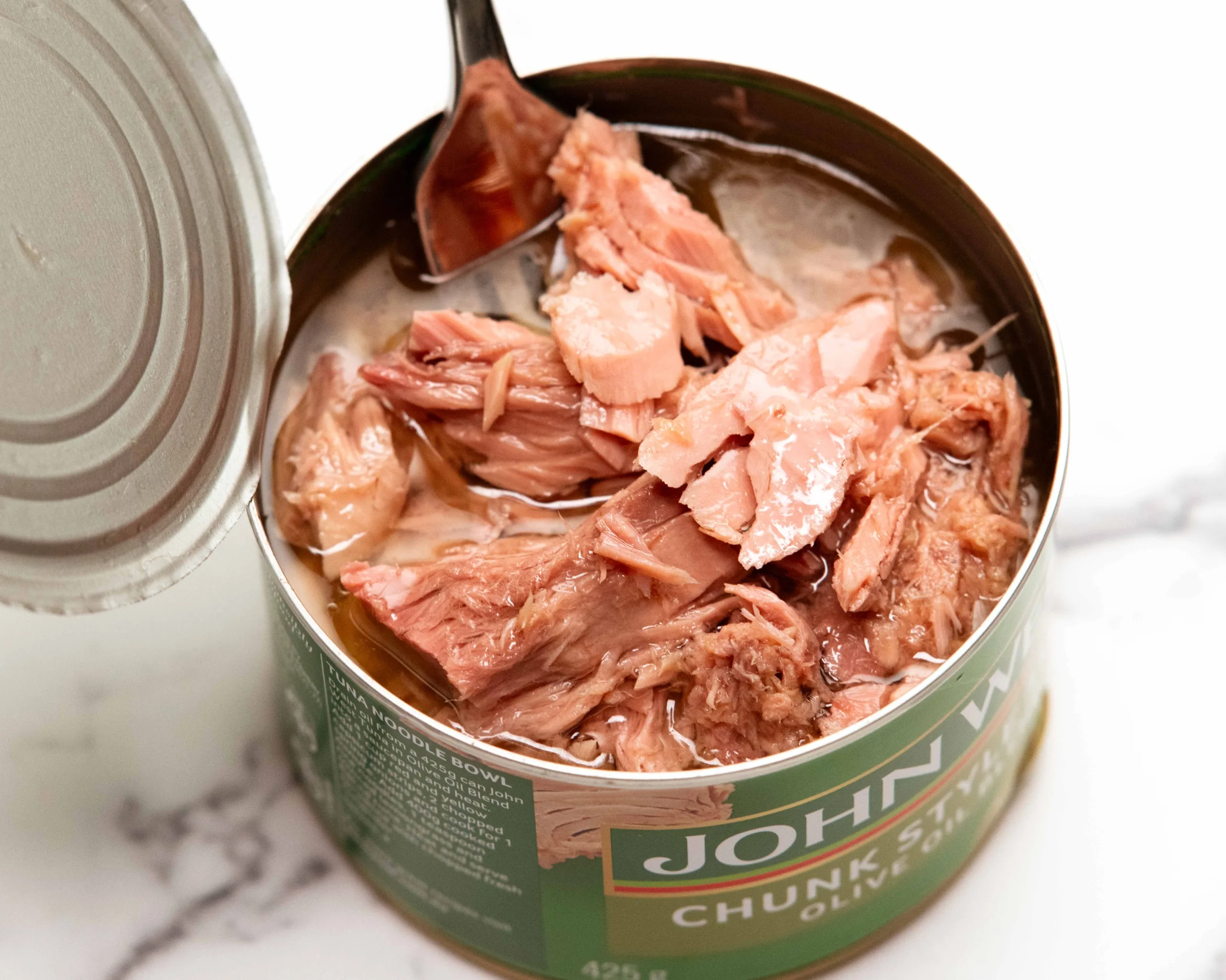
You’re pregnant, you’re hungry, and there’s a can of tuna in the pantry. Before you reach for the can opener, you want to make sure you’re making the right call — and that’s a smart instinct.
The good news is that canned tuna doesn’t have to come off the menu entirely. But the type you choose and how much you eat each week genuinely matters for your baby’s health. Here’s everything you need to know — no confusing jargon, no unnecessary fear — just clear, research-backed guidance so you can eat with confidence.
The Short Answer
Yes, you can eat canned tuna while pregnant — but with important caveats. You can eat canned tuna during pregnancy, but it’s important to choose the right type. Canned light tuna is considered a low-mercury option and is safe to eat. This type of tuna includes varieties like skipjack, which has lower mercury levels compared to other types of tuna.
On the other hand, canned albacore (white) tuna contains higher levels of mercury and should be limited to no more than 4 ounces (about one serving) per week. So the can of “chunk white” tuna sitting in your pantry is a different story than a can of light tuna — and that distinction is everything.
Key Insight: Not all canned tuna is created equal. The label matters more than the can. “Light” tuna = lower mercury. “White” or “albacore” tuna = higher mercury. Always check before you eat.
The bottom line: canned light tuna is a pregnancy-friendly food when eaten in moderation. Canned white/albacore tuna is an occasional option in small amounts. And some tuna varieties should be avoided completely — more on that below.
Why It’s a Concern
Tuna is one of the most nutritious foods you can eat. Tuna is considered a great source of nutrients, many of which are especially important during pregnancy. It’s packed with protein, omega-3 fatty acids, iron, vitamin B12, and vitamin D — all things your growing baby needs.
So why the hesitation? The concern comes down to one word: mercury.
Mercury is a naturally occurring heavy metal that enters our waterways through industrial pollution and natural processes. Fish absorb mercury from the water and their food sources, and larger, longer-lived predatory fish — like certain tuna species — accumulate higher concentrations over time.
During pregnancy, mercury can cross the placental barrier and affect your baby’s developing nervous system. Research published in the Journal of Preventive Medicine and Public Health has associated prenatal mercury exposure with subtle effects on cognitive development, memory, and attention in children. However, these effects are primarily seen at high exposure levels, not from moderate fish consumption within recommended guidelines.
If you regularly eat fish high in mercury, mercury can build up in your bloodstream over time. Too much mercury in your bloodstream could damage your baby’s developing brain and nervous system.
Important Note: Mercury doesn’t flush out of your body overnight. Mercury in fish can accumulate in your body over time. While mercury is removed from the body naturally, the process can take several months. So following this advice before pregnancy can benefit the developing child, especially during the important first trimester.
There’s also the sodium factor worth mentioning. Not overdoing canned tuna during pregnancy is also recommended because of the significant amount of salt that characterizes this product. Getting carried away in this respect means increasing the risk of water retention and cardiovascular problems. Checking labels for sodium content is always a good idea, especially if you’re watching your salt intake.
What the Research Actually Says
Here’s where things get nuanced — and empowering. The science doesn’t say “avoid all tuna.” It says “choose wisely and stay within limits.” That’s a very different message.
The key insight from decades of research is this: the nutritional benefits of fish often outweigh the risks when you choose lower-mercury varieties and stay within serving limits. A 2024 systematic review in Nutrients found that pregnant women who consumed 2–3 servings of low-mercury fish weekly had babies with better neurodevelopmental outcomes than those who avoided fish entirely.
Fish intake during pregnancy is recommended because moderate evidence shows it can help the baby’s cognitive development. The FDA, EPA, and major health organizations around the world all agree on this point.
What about the debate over canned tuna specifically? When it comes to whether it’s safe to eat tuna during pregnancy, there are differing opinions. Consumer Reports unequivocally recommends pregnant women steer clear of all tuna fish, including canned, because of concerns over mercury. While Health Canada and the US Food and Drug Administration recommend avoiding fresh and frozen tuna during pregnancy because of its high mercury levels, light canned tuna has been deemed by both a safe bet when eaten once or twice a week.
Being exposed to large amounts of mercury while pregnant may cause permanent brain damage in the baby, the National Institutes of Health notes. Consumer Reports tested samples and found variations in mercury from can to can, noting spikes in mercury levels from one can to another. This variability is the core of Consumer Reports’ concern — you can’t tell by looking at a can whether it’s on the higher or lower end of the mercury range.
That said, critics of those studies say that mercury poisoning from canned tuna could only come from frequent and prolonged exposure. Unless you’re eating it every day, you just aren’t likely to get that level of consistent exposure from canned tuna.
The takeaway from the research: mainstream health authorities including the FDA and Mayo Clinic support eating canned light tuna in moderation during pregnancy. Consumer Reports takes a more conservative stance. Both perspectives are worth knowing — and both are grounded in genuine concern for your baby’s health. You can also explore the pros and cons of eating seafood more broadly to make a fully informed choice.
How to Do It Safely
If you’re going to enjoy canned tuna during pregnancy — and you absolutely can — here’s how to do it in a way that keeps both you and your baby safe.
Choose the Right Type
According to the FDA, canned light tuna is in the “Best Choices” category, albacore (or white) tuna and yellowfin tuna are in the “Good Choices” category, and bigeye tuna is in the “Choices to Avoid” category. That hierarchy is your shopping guide in a nutshell.
The Environmental Defense Fund reports that skipjack tuna — the most common fish in canned light tuna — typically contains three times less mercury than yellowfin varieties, making it a preferred choice during pregnancy.
Know Your Weekly Limits
The FDA, the EPA, and the Dietary Guidelines for Americans recommend that pregnant people eat at least 8 ounces (224 grams) and up to 12 ounces (340 grams) of a variety of seafood lower in mercury per week. Here’s how that breaks down specifically for tuna:
- Canned light tuna (skipjack): Up to 12 ounces (340 grams) per week
- Albacore (white) tuna: Limit to no more than 4 ounces per week due to its higher mercury content
- Yellowfin tuna: Treat like albacore — up to 4 ounces per week, no other fish that week
- Bigeye (ahi) tuna: Avoid entirely during pregnancy
Pro Tip: When considering these serving sizes, remember that 4 ounces is the amount in a 5-ounce can of tuna; the remaining ounce is water or oil. So one standard can of albacore tuna is essentially your full weekly limit if you’re choosing white tuna.
Watch What’s in the Can
Non-light varieties can have additive ingredients, like sunflower oil or brine, which can increase fat and sodium intake. “Check the labels and be mindful of balancing your sodium intake with the other foods you consume during the day,” advises certified professional midwife Rebekah Mustaleski.
If you want extra peace of mind, look for brands that test every individual fish for mercury content before canning. There is a canned tuna called Safe Catch Elite that is made for pregnant women and children. Safe Catch invented new technology to become the only brand that tests every fish for its mercury level.
Trimester Considerations
The same mercury guidelines apply across all three trimesters, but the first trimester deserves particular attention. Your baby’s nervous system is developing rapidly in those early weeks, making it the most sensitive window for mercury exposure. Sticking firmly to canned light tuna — and keeping to the recommended limits — is especially important in the first trimester. In the second and third trimesters, the same rules apply; consistency matters more than perfection on any single day.
Also remember: the amount of tuna you consume must be adjusted based on whether you have any other seafood during the same week. Tuna counts toward your total weekly seafood budget, not in addition to it. You can learn more about foods and beverages to avoid during pregnancy to keep your full diet on track.
Never Eat Raw Tuna While Pregnant
Pregnant women should avoid raw or undercooked tuna, including in sushi. Raw fish can carry harmful bacteria and parasites, such as Listeria and Toxoplasma gondii, which can lead to foodborne illnesses that are particularly dangerous during pregnancy. Canned tuna is always cooked during processing, so this concern doesn’t apply to the pantry staple — but it’s worth knowing if you’re also a sushi fan.
When to Avoid It Completely
There are specific situations where skipping canned tuna entirely is the wisest choice.
Avoid These Tuna Varieties Entirely
The types of tuna with the highest mercury levels are bigeye (ahi) tuna and albacore white tuna. These should be avoided during pregnancy or eaten in very low moderation. Bigeye tuna — commonly served as ahi in sushi restaurants and as sashimi — is on the FDA’s “Choices to Avoid” list for pregnant women.
Large, predatory fish such as shark, swordfish, king mackerel, and tilefish should also be avoided entirely. These are not tuna, but if you’re a seafood lover, knowing this full list matters. Check out this guide on foods to avoid during pregnancy for the complete picture.
If You Have Mercury Sensitivity or a High-Risk Pregnancy
If your OB or midwife has flagged any concerns about your specific health situation — including kidney function, certain autoimmune conditions, or a history of high mercury exposure — follow their personalized guidance over general guidelines. General recommendations are designed for the average healthy pregnancy; your provider knows your full picture.
If You’ve Already Eaten Too Much This Week
If you’ve already had your weekly allotment of seafood, skip the tuna for the rest of that week. Tuna is not recommended for daily consumption during pregnancy. Even with canned light tuna, daily consumption could exceed weekly mercury limits.
Common Mistake: Thinking that because canned light tuna is “safe,” you can eat it every day. You can’t — the weekly limit still applies. Spread your servings across the week and vary your protein sources.
Quick Reference Chart
| Tuna Type | Mercury Level | Pregnancy Status | Max Per Week |
|---|---|---|---|
| Canned light tuna (skipjack) | Low (~0.128 ppm) | ✅ Safe | Up to 12 oz (3 servings) |
| Canned albacore (white) tuna | Medium (~0.350 ppm) | ⚠️ With Caution | Up to 4 oz (1 serving) |
| Yellowfin tuna (canned) | Medium (~0.354 ppm) | ⚠️ With Caution | Up to 4 oz (1 serving) |
| Bigeye (ahi) tuna | High (~0.689 ppm) | ❌ Avoid | None |
| Raw tuna / sushi | Variable + bacteria risk | ❌ Avoid | None |
| Bluefin tuna | High | ❌ Avoid | None |
Additional Safe Seafood Options: If you want to reduce your tuna intake while still getting omega-3s and protein, excellent low-mercury options high in omega-3 fatty acids include salmon, anchovies, herring, and sardines. You may also wish to try other affordable fish in the “Best Choices” category such as canned salmon or sardines, or frozen fish. These are all great for supporting your baby’s brain development and your own heart health.
Pro Tip: Canned light tuna and salmon are both low-mercury fish. Having both in one day is perfectly safe — what matters is your weekly total, not daily intake. Mix and match your low-mercury seafood choices throughout the week for the best nutritional variety.
Frequently Asked Questions
How much canned tuna can I eat per week while pregnant?
As an adult who is pregnant or might become pregnant, you should eat 2 to 3 servings a week of fish in the “Best Choices” category, based on a serving size of four ounces. You can eat 1 serving a week of fish in the “Good Choices” category, but no other fish that week. For canned light tuna specifically, that means up to 12 ounces per week. For albacore, no more than 4 ounces per week. These amounts count toward your total weekly seafood intake.
Is canned tuna safe in the first trimester?
Yes, canned light tuna is safe in the first trimester when you stay within the recommended limits. The first trimester is the most sensitive period for fetal brain development, so this is the time to be especially consistent about choosing low-mercury options like skipjack/light tuna and avoiding higher-mercury varieties like albacore and bigeye entirely. If you haven’t started following fish guidelines yet, the first trimester is the best time to begin.
What’s the difference between canned light tuna and albacore?
Canned chunk white tuna — also called albacore tuna — may be higher in mercury than canned light tuna. Light tuna is typically made from skipjack, a smaller species that accumulates less mercury. Albacore is a larger, longer-lived fish that sits higher on the food chain. The Environmental Defense Fund reports that skipjack tuna typically contains three times less mercury than yellowfin varieties. When in doubt, reach for the can labeled “light.”
Can I eat tuna salad from a restaurant or deli while pregnant?
It depends on what type of tuna is used and how it’s prepared. Most deli-style tuna salad is made with canned tuna — typically albacore — mixed with mayonnaise. The tuna itself is safe in small amounts (remember the 4-oz albacore limit), but watch for freshness and food safety. Deli foods that have been sitting out for extended periods carry a higher risk of bacterial contamination. When in doubt, make your tuna salad at home with canned light tuna. You might also want to review this full list of foods to avoid during pregnancy for more guidance on prepared foods.
Is canned tuna good for my baby’s development?
Yes — within the right limits. EPA and DHA omega-3s are crucial for a baby’s eye and brain development. Long-chain omega-3s may also reduce the risk of preterm birth, poor fetal growth, maternal depression, and childhood allergies. One 3.5-ounce (100-gram) portion of light canned tuna provides around 32% of the Reference Daily Intake for protein, 9% of the Daily Value for iron, and 107% of the DV for vitamin B12. Those are impressive numbers for a convenient pantry staple. Explore more powerful nutrients from food that support your overall health during pregnancy.
What if I accidentally ate too much tuna before I knew I was pregnant?
Don’t panic. A few extra servings of tuna before you knew you were pregnant is very unlikely to cause harm. Mercury can harm a developing baby’s brain. But eating average amounts of seafood containing low levels of mercury during pregnancy hasn’t been shown to cause problems. Harm from mercury is associated with consistently high intake over time, not an occasional extra serving. Talk to your OB if you’re concerned — they can put your specific situation in context. Going forward, simply follow the guidelines and enjoy a varied, balanced diet. You can also find helpful guidance on healing and nourishing foods and whole plant-based foods to round out your pregnancy nutrition.
Are there better alternatives to canned tuna during pregnancy?
You can get omega-3 fatty acids from other seafood that are low in mercury, such as oysters, salmon, and sardines. Those are particularly high in omega-3s, but other low-mercury fish — scallops, shrimp, squid, and tilapia — supply some as well. You can also get healthful fatty acids from other foods, including omega-3 enriched eggs, flax seeds, walnuts, and soybean oil. These are great options to rotate into your weekly meals alongside — or instead of — canned tuna. For a broader look at seafood choices, see this overview of the pros and cons of eating seafood, and for skin and eye health benefits from fish-rich diets, check out guides on foods for healthy skin and foods that promote healthy eyesight.
This information is for educational purposes only and is not intended as medical advice. Always consult with a qualified healthcare professional before making health decisions during pregnancy.