Can You Eat Blue Cheese While Pregnant? Yes — But Only If You Follow These Rules

April 6, 2026
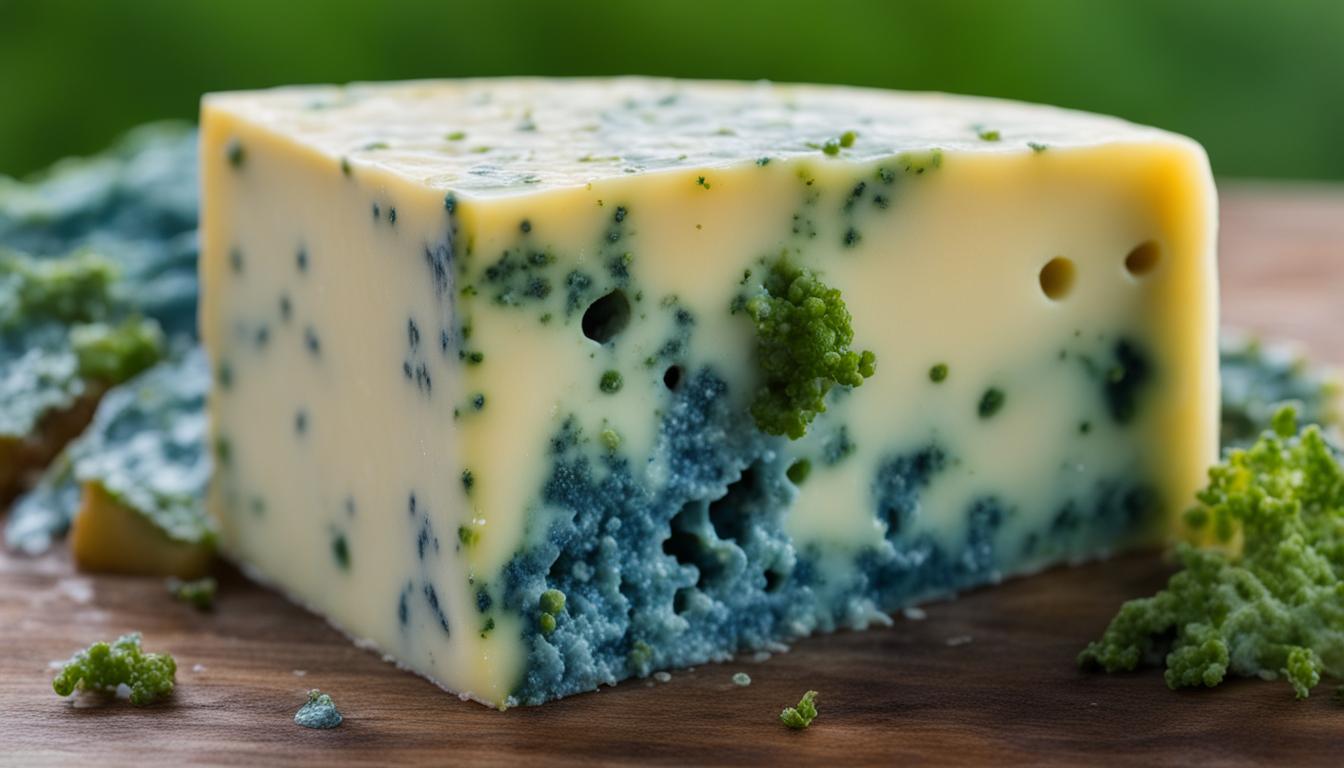
Blue cheese is one of those pregnancy cravings that can send you straight to the internet in a mild panic. You love it, you want it, and now you’re not sure if it’s off-limits for the next nine months. The good news? It doesn’t have to be.
The answer isn’t a flat-out no — but it’s not a simple yes, either. Whether blue cheese is safe during pregnancy comes down to two things: how it was made and how it’s being served. Get those two details right, and you can enjoy that bold, tangy flavor without putting yourself or your baby at risk.
This guide breaks down exactly what the research says, which types are safe, which ones to skip, and how to make smart choices at the grocery store, at restaurants, and in your own kitchen. No fluff, just the facts you actually need — so you can eat with confidence.
Pro Tip: Bookmark this page for easy reference when you’re grocery shopping or ordering at a restaurant and need a quick answer on blue cheese safety.
The Short Answer
Yes, you can eat blue cheese while pregnant — but only if it’s made from pasteurized milk or has been thoroughly cooked. You can eat blue cheese while pregnant if it’s made from pasteurized milk. Pasteurized blue cheese is much safer and still provides the same rich flavor without the risk of bacterial contamination.
What makes blue cheese unsafe is if it’s made with unpasteurized milk. Pasteurization, a standardized heating process, rids harmful bacteria in many fresh foods. The mold itself — those distinctive blue-green veins — is not the problem. It’s the milk source that matters most.
The short answer is: it depends on how the cheese is made. Most health authorities, including the FDA and the NHS, advise pregnant women to avoid soft blue-veined cheeses unless they are cooked thoroughly. So the bottom line is this: pasteurized or fully cooked = generally safe. Raw, unpasteurized, and uncooked = avoid it.
Key Insight: The mold in blue cheese (Penicillium roqueforti) is not harmful to pregnant women. The real concern is the potential for Listeria bacteria in unpasteurized milk.
Why It’s a Concern
Blue cheese sits in a higher-risk category during pregnancy for one primary reason: because most blue cheese is made with unpasteurized milk, it carries a higher risk of contamination with Listeria monocytogenes — a bacterium that can cause listeriosis, a foodborne illness that presents much like the flu or stomach bug.
What makes listeria particularly dangerous in pregnancy is your body’s natural response to carrying a baby. During pregnancy, your immune system is naturally suppressed to prevent your body from rejecting your baby. This suppression, however, makes you more susceptible to foodborne illnesses like listeriosis.
Listeriosis is pretty rare among the general population, but pregnant women are 20 times more likely to catch this foodborne illness. That’s a significant difference — and it explains why healthcare providers are so cautious about soft cheeses during pregnancy.
The moisture content of soft blue cheeses is also a factor. Soft cheeses are less acidic than hard cheeses and contain more moisture, which means they can be an ideal environment for harmful bacteria, such as listeria, to grow in. This is why many foods and beverages are flagged for avoidance during pregnancy — the risk isn’t always obvious from looking at the food itself.
Some of the most common listeriosis symptoms in pregnant women are fever, aches and pains, digestive upset, and headaches. More severe symptoms include stiff neck, confusion, convulsions, and loss of balance. These may be a sign that Listeria has entered into the mother’s nervous system, where it can cause bacterial meningitis, or inflammation around the brain and spinal cord.
Important Note: Listeriosis symptoms are often mild — or even absent — in pregnant women. That’s what makes it especially dangerous, because the infection can still reach your baby even when you feel fine.
Listeria can cross the placenta and may be fatal to your unborn baby. While listeriosis is rare, it can have serious consequences for pregnant women, including miscarriage, premature birth, or even stillbirth. These outcomes are serious enough to warrant caution — which is exactly why knowing the rules matters so much.
What the Research Actually Says
The science here is fairly well-established, and the consensus among major health authorities is consistent. Soft blue cheese is a bit more controversial, and where some countries’ guidelines disagree. However, in the United States, the recommendation is that all types of soft cheese, including soft blue cheeses, brie, camembert, and mould-ripened soft cheeses, are safe as long as they are pasteurized.
The UK’s NHS takes a more cautious position. The NHS advises avoiding all mould-ripened soft cheeses with a white coating on the outside, such as brie, camembert and chèvre, as well as blue cheeses like Danish Blue, Gorgonzola and Roquefort — unless cooked until steaming hot. This means that even pasteurized blue cheeses fall under caution in UK guidelines unless they’ve been cooked.
The aging question is also worth understanding. While most blue cheeses are made with unpasteurized dairy, they avoid any bans through the aging process. The FDA deems any raw cheeses aged over 60 days as safe, since aging kills off bacteria. However, medical experts recommend pregnant women abstain from eating unpasteurized cheese, regardless of whether it’s fresh or aged, to avoid potential exposure to listeria infection — a type of bacteria that poses the most risk to pregnant women because it can cross through the placenta.
Interestingly, the risks of eating blue cheese during pregnancy have nothing to do with the fact that this dairy product is manufactured using mold, as these specific molds are safe to consume. This is one of the most common misconceptions worth clearing up. The mold is fine. The unpasteurized milk is not.
Cooking, however, changes the equation significantly. Keep in mind that cooking can kill Listeria. As such, thoroughly cooked dishes, such as pizza with blue cheese, are likely safe to eat while pregnant. One study using raw milk showed that temperatures of 131°F (55°C) significantly reduced the activity of Listeria. You can explore more about how food preparation affects safety with various high-risk foods to build a broader understanding of food safety during pregnancy.
It’s also worth noting that if the cheese has gone through pasteurization, then any increased risk for bacteria or other pathogens is very small, and the product isn’t considered to increase risks if eaten during pregnancy. The key is always verifying that pasteurization actually took place.
How to Do It Safely
If you want to include blue cheese in your pregnancy diet, you absolutely can — you just need to be strategic about it. Here’s how to do it right, across every situation you might encounter.
Step 1: Always Check the Label First
Not all blue cheese is pasteurized. Some varieties, especially artisanal or imported blue cheeses, are often made from raw (unpasteurized) milk. To ensure the blue cheese you’re consuming is safe during pregnancy, always check the label.
Unpasteurized dairy products are required by law to have a disclosure in most U.S. states. If you don’t see “made with pasteurized milk” on the packaging, treat it as unpasteurized and either skip it or cook it thoroughly.
Step 2: Know Which Varieties Are Higher Risk
Blue cheese and queso fresco are often of concern. Some types and brands are specifically made with unpasteurized milk — blue cheese, for example: Roquefort and Gorgonzola are usually made with unpasteurized milk. Traditional imported varieties like authentic French Roquefort and Italian Gorgonzola are more likely to be made from raw milk, so extra caution applies.
Popular pasteurized options include some brands of Gorgonzola and Roquefort — look for domestic or supermarket versions that specifically state pasteurization on the label. When in doubt, contact the brand directly or choose a different variety.
Step 3: Cook It When You’re Unsure
If you’re unsure whether the blue cheese is pasteurized, cooking it until it’s steaming hot can kill any bacteria, making it safe to eat. Baked dishes that include blue cheese, such as quiches or pizzas, are safe as long as the cheese is fully heated.
Heating the cheese to at least 165°F will kill off any harmful bacteria. A food thermometer takes the guesswork out entirely — it’s a worthwhile investment during pregnancy. Think blue cheese sauce on a steak, a hot blue cheese burger, or a baked pasta dish. All of these are great ways to enjoy the flavor safely.
Step 4: Handle and Store It Properly
If you choose to buy and eat blue cheese while pregnant, cut down any potential listeria growth by storing your blue cheese at antibacterial temperatures — at most 40°F (4°C) in refrigerators or 0°F (-18°C) in freezers.
Practice good food hygiene — make sure to store your blue cheese properly in the fridge, and avoid cross-contamination by using separate cutting boards and utensils for raw meats and cheeses. Also pay attention to expiration dates: that “Eat By” label is there for a reason. After a certain date, not all mold on that blue cheese is safe. It’s better to consume food products by their expiration date, particularly sensitive ones like blue cheese.
Step 5: Ask Questions When Dining Out
If you’re dining out or ordering dishes that include blue cheese, don’t hesitate to ask the server if the cheese is pasteurized. If the restaurant cannot confirm, it’s best to avoid it. Most kitchen staff can find out quickly — and it’s always worth asking rather than guessing.
This is especially important with blue cheese dressings, which often combine blue cheese with mayonnaise, buttermilk, sour cream, vinegar, milk, and onion and garlic powder. The milk and blue cheese in this dressing may be at risk of Listeria contamination. Blue cheese dressing may or may not be made using pasteurized ingredients.
Pro Tip: Commercial blue cheese dressings are typically made with pasteurized ingredients and are considered safe. However, homemade versions or restaurant offerings may use unpasteurized blue cheese. When in doubt, ask about ingredients or choose another dressing option.
Trimester-by-Trimester Notes
The same rules apply across all three trimesters — pasteurized is safe, unpasteurized is not. You can enjoy blue cheese during the first trimester, but ensure it’s made from pasteurized milk. Pasteurization kills harmful bacteria that can cause infections. Always check labels and opt for pasteurized varieties to keep you and your baby safe.
You can eat blue cheese in the third trimester if it’s pasteurized. Pasteurized blue cheese is safe and poses no listeria risk. Always confirm that the cheese is pasteurized, especially when dining out, to ensure safety. The rules don’t change as your pregnancy progresses — consistency is key throughout. You can also explore powerful nutrients found in whole foods for additional guidance on building a nutrient-rich pregnancy diet.
When to Avoid It Completely
There are clear situations where blue cheese should be off the table entirely — no exceptions. Knowing these helps you make confident decisions without second-guessing yourself.
- Unpasteurized blue cheese, served cold or at room temperature. Some traditional blue cheeses are made with raw or unpasteurized milk, which can harbour various harmful bacteria beyond just Listeria. These should definitely be avoided during pregnancy.
- Artisanal or imported varieties with no label. If you can’t confirm whether the cheese is pasteurized, it’s best to avoid it. No label means no confirmation — and that’s not a risk worth taking.
- Blue cheese from farmer’s markets or local stands. FoodSafety.gov urges pregnant people to be especially mindful of soft cheese from farmer’s markets, roadside stands and other local sources since you may need to seek additional information to confirm that the products were pasteurized.
- Restaurant blue cheese when pasteurization can’t be confirmed. If the server doesn’t know and can’t find out, skip it. Your baby’s safety is worth choosing a different topping.
- Blue cheese past its expiration date. Even pasteurized cheese becomes higher-risk once it’s expired. Always check the date before eating.
- If you have a high-risk pregnancy. If you’ve been flagged as high-risk by your healthcare provider, it’s best to follow their specific guidance rather than general guidelines. When in doubt, ask your OB or midwife directly.
Common Mistake: Assuming that because blue cheese is sold in a regular grocery store, it must be pasteurized. Always verify — some specialty and imported varieties on regular store shelves are still made from raw milk.
It’s also worth being aware that the molds in blue cheese might trigger allergic reactions or respiratory issues in some pregnant women. Blue cheese is also high in salt, potentially contributing to increased blood pressure during pregnancy. Even when it’s technically safe, moderation is smart. Staying informed about heart-healthy foods can help you balance sodium-rich choices like blue cheese throughout pregnancy.
What to Do Instead
If you’re not comfortable navigating the pasteurized/unpasteurized question — or if your healthcare provider has advised you to be extra cautious — there are plenty of delicious alternatives that give you similar satisfaction without the worry.
Safe Cheese Swaps
All hard cheeses such as cheddar, Parmesan, or Gruyere are safe. Pasteurized semi-hard and soft cheeses, such as cottage cheese, mozzarella, feta, paneer, ricotta, halloumi, cream cheese, cheese spreads, or goat’s cheese without a white coating on the outside are also safe choices. These options give you the calcium and protein benefits of cheese without the listeria risk. You can learn more about nutrient-dense whole foods to round out your pregnancy diet alongside safe dairy choices.
If you’re avoiding blue cheese due to pregnancy safety concerns, opt for feta or cottage cheese, as they have higher digestibility and provide similar benefits. Feta made from pasteurized milk is widely available in most supermarkets and makes an excellent substitute in salads, wraps, and grain bowls.
Nutritional Alternatives
Blue cheese does offer real nutritional value. Key benefits of eating blue cheese include: calcium to support strong bone development in the baby, protein to help with maternal tissue growth and repair, vitamin B12 which aids in the formation of healthy red blood cells, and zinc that supports the immune system’s function.
You can get all of these nutrients from safer sources too. Hard cheeses like cheddar and parmesan deliver calcium and protein without the risk. Greek yogurt is an excellent source of both calcium and probiotics. Eggs provide B12 and protein. Legumes and lean meats cover your zinc and protein needs beautifully. Explore foods that support hormonal and reproductive health for more ideas on building a balanced pregnancy diet.
Flavor Alternatives for Blue Cheese Lovers
If it’s the bold, tangy flavor of blue cheese you’re craving, try these pregnancy-safe options:
- Pasteurized feta — sharp, salty, and crumbles beautifully on salads
- Aged cheddar — sharp and satisfying, universally safe during pregnancy
- Parmesan — intense, umami-rich flavor that holds up in sauces and pasta
- Goat cheese (pasteurized, no rind) — tangy and creamy, great for spreads and salads
- Pasteurized blue cheese, cooked — if you truly love blue cheese, use a verified pasteurized variety in a hot dish for maximum safety and full flavor
Exploring naturally blue-colored foods and blue savory foods can also open up interesting, pregnancy-safe flavor adventures if you’re drawn to that bold, distinctive taste profile.
Quick Reference Chart
| Blue Cheese Type / Situation | Safety Status | Notes |
|---|---|---|
| Pasteurized blue cheese (cold, from package) | ✅ Safe | Always verify “pasteurized milk” on label |
| Pasteurized blue cheese (fully cooked, steaming hot) | ✅ Safe | Pizza, quiche, baked dishes — heat kills any residual bacteria |
| Unpasteurized blue cheese (fully cooked, steaming hot, 165°F+) | ⚠️ With Caution | Cooking kills Listeria; NHS still recommends caution — confirm fully cooked |
| Unpasteurized blue cheese (cold or room temp) | ❌ Avoid | High Listeria risk; avoid regardless of aging |
| Imported/artisanal blue cheese (no label) | ❌ Avoid | Cannot confirm pasteurization — not worth the risk |
| Blue cheese from farmer’s market or local stand | ❌ Avoid | FDA and food safety authorities flag these as higher risk |
| Commercial blue cheese dressing (bottled) | ✅ Safe | Typically pasteurized — check label to confirm |
| Homemade or restaurant blue cheese dressing | ⚠️ With Caution | Ask about ingredients; skip if pasteurization can’t be confirmed |
| Roquefort or Gorgonzola (traditional/imported) | ⚠️ With Caution | Often unpasteurized; check label carefully or cook thoroughly |
| Blue cheese past expiration date | ❌ Avoid | Increased bacterial risk regardless of pasteurization |
Key Insight: When in doubt, cook it out. Any blue cheese — pasteurized or not — becomes significantly safer when heated to 165°F (74°C) and served steaming hot.
For a broader look at which foods and beverages to sidestep during pregnancy, visit this helpful guide on foods and beverages to avoid during pregnancy — it covers far more than just cheese and gives you a comprehensive picture of pregnancy-safe eating. You can also check out resources on foods that support brain health and foods for healthy skin to keep your overall nutrition strong during pregnancy.
Frequently Asked Questions
Can I eat blue cheese in the first trimester?
Yes, with the same rules that apply throughout your pregnancy. You can enjoy blue cheese during the first trimester, but ensure it’s made from pasteurized milk. Pasteurization kills harmful bacteria that can cause infections. The first trimester is actually when many women experience the most food aversions, so if blue cheese doesn’t appeal right now, that’s your body’s way of making the decision for you.
What if I accidentally ate unpasteurized blue cheese while pregnant?
Don’t panic. The chances of contracting listeriosis are relatively low. Monitor yourself for any symptoms like fever, muscle aches, or digestive issues, and contact your healthcare provider if you develop these symptoms or have concerns. If you have eaten unpasteurized blue cheese while pregnant, the best course of action is to monitor your symptoms and call your healthcare provider if you’re concerned.
Is blue cheese dressing safe during pregnancy?
Commercial blue cheese dressings are typically made with pasteurized ingredients and are considered safe. However, homemade versions or restaurant offerings may use unpasteurized blue cheese. When in doubt, ask about ingredients or choose another dressing option. Bottled dressings from the supermarket are your safest bet.
Can I eat blue cheese on pizza or in cooked dishes?
Yes. Cooking can kill Listeria. As such, thoroughly cooked dishes, such as pizza with blue cheese, are likely safe to eat while pregnant. Make sure the cheese is fully melted and the dish is served hot — not just warm. Heating the cheese to at least 165°F will kill off any harmful bacteria.
Is Gorgonzola safe during pregnancy?
It depends on the variety. Gorgonzola is usually made with unpasteurized milk. Traditional imported Gorgonzola should be treated with caution unless you can confirm pasteurization or cook it thoroughly. Some domestic brands do produce pasteurized Gorgonzola — always check the label. When in doubt, choose a verified pasteurized alternative or use it in a hot, cooked dish.
Are there any nutritional benefits to eating blue cheese during pregnancy?
Yes — while blue cheese is low in carbohydrates, it is rich in calcium and provides a good source of protein, which is essential for your growing baby. Soft cheeses can offer nutritional benefits. They’re a good source of calcium, which is essential for both the mother and baby’s bone development, as well as protein and other essential nutrients. Just make sure any blue cheese you eat is pasteurized so you get the benefits without the risks. Pairing cheese with other nutrient-rich foods supports overall wellness — explore foods that support liver function and foods that promote healthy eyesight to build a well-rounded pregnancy nutrition plan.
Does the NHS recommend avoiding all blue cheese in pregnancy?
The NHS advises avoiding blue cheeses like Danish Blue, Gorgonzola, and Roquefort unless cooked until steaming hot. This is a stricter guideline than the US FDA, which permits pasteurized soft cheeses. If you’re in the UK or prefer to follow the more cautious approach, stick to cooked blue cheese only. If you’re in the US, pasteurized blue cheese served cold is generally considered acceptable by most health authorities.
This information is for educational purposes only and is not intended as medical advice. Always consult with a qualified healthcare professional before making dietary decisions during pregnancy.