Can You Eat Beef Jerky While Pregnant? Here’s What You Actually Need to Know

April 6, 2026
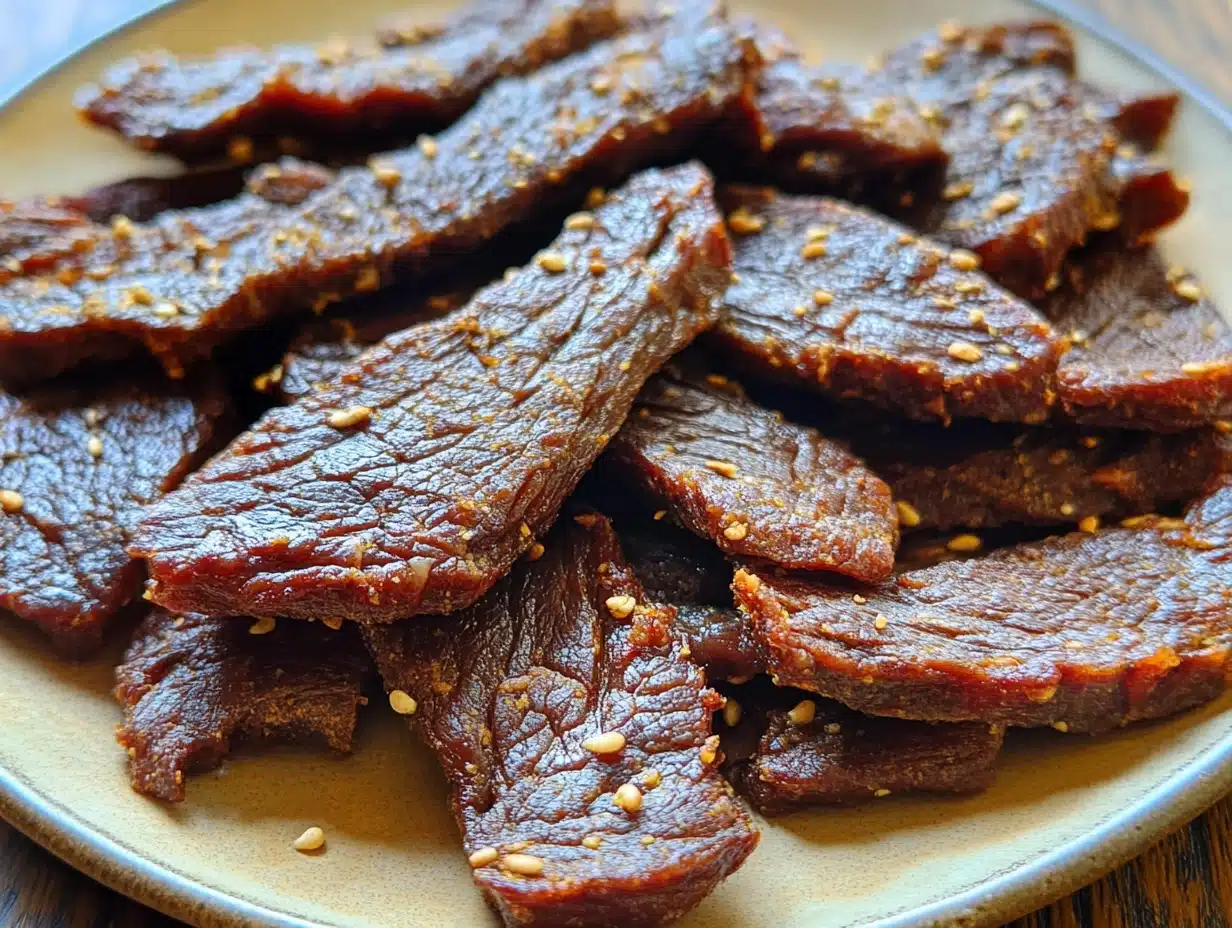
That salty, chewy craving hits at the worst time — you’re pregnant, you want beef jerky, and suddenly every food label feels like a pop quiz. You’re not alone in wondering whether this popular snack is safe to reach for during pregnancy.
The honest answer is nuanced, but it’s not scary once you understand the key distinctions. Whether you’re in your first trimester or counting down the weeks, knowing exactly what makes one bag of jerky safe and another a risk will give you the confidence to make the right call for you and your baby.
The Short Answer
Consuming beef jerky while pregnant can be perfectly safe when the jerky is prepared in a USDA-inspected facility, fully cooked, and packaged to be shelf-stable. That’s the headline.
However, not all beef jerky is created equal, and the type you choose matters enormously during pregnancy. Eating beef jerky during pregnancy isn’t a definitive yes or no — it depends on the type of jerky. Some jerkies are fully dried and sold as shelf-stable, while other varieties might be sold in the refrigerated section of the grocery store. Those that are sold in the deli section are an easy no, because even though the meats are cooked and/or cured, the risk of bad bacteria growing on them is increased.
Pro Tip: When in doubt at the store, check the label. If a jerky product needs to be refrigerated before opening, skip it during pregnancy. Shelf-stable, sealed packaging is your green light.
The bottom line: commercially produced, shelf-stable beef jerky = generally safe in moderation. Homemade, refrigerated, or deli-style jerky = avoid. Keep reading to understand exactly why — and how to do this safely.
Why It’s a Concern
Beef jerky sits in a food safety gray zone that’s worth understanding. You might think: beef jerky isn’t raw, so what’s the big deal? While it’s true that jerky isn’t raw, it’s also not cooked in the traditional sense. Cooking meat at a high temperature helps kill bacteria that can make you sick. Jerky is dried meat, and the reality is, drying meat might not kill all bacteria.
During pregnancy, your immune system is naturally suppressed to protect the developing baby — which means your body is less equipped to fight off foodborne pathogens. For a fertilized egg to implant into the uterus, the body releases hormones and experiences changes to the immune system — that reduces the immune system’s ability to fight off certain infections, including listeriosis. The bacteria can also cross the fetal-placental barrier, which protects the unborn baby.
There are three main concerns with beef jerky during pregnancy:
- Bacterial risk: Beef jerky is typically dried, but not all types are cooked to temperatures that kill harmful bacteria unless specifically heat-treated or pasteurized. That leaves it vulnerable to harmful bacteria like Listeria, Salmonella, and Toxoplasma gondii — all known to cause foodborne illness in pregnant women. These microbes can lead to serious risks such as miscarriage, low birth weight, or infection in the developing baby.
- High sodium: One downside of beef jerky is sodium. Many products contain 400–600 mg of sodium per ounce. During pregnancy, excessive sodium can raise blood pressure and lead to water retention.
- Preservatives and nitrates: Many jerky products use nitrates, nitrites, or artificial flavor enhancers. These additives may not be ideal during pregnancy and can contribute unnecessary stress on the body. Reading labels carefully helps avoid overconsumption of such ingredients.
Pregnant women are 10 times more likely to get a Listeria infection than the general population, according to the CDC — which is why this craving deserves a closer look before you dig in.
What the Research Actually Says
The science on beef jerky and pregnancy is more reassuring than alarming — with important caveats. The USDA conducted microbiological analysis in ready-to-eat meat and poultry products at production facilities and reported only four of 770 beef jerky samples contaminated with L. monocytogenes over a 10-year period. That’s a relatively low contamination rate in properly regulated commercial facilities.
A peer-reviewed study published in PMC further found that barriers such as temperature (82.2°C for approximately 3 hours), marination, and reduction of water activity ensured a final product with satisfactory sanitary quality and safety for the consumer. In other words, well-run commercial facilities using proper heat and drying protocols produce a safe product.
That said, the manufacturing process provides barriers to microbial growth, but foodborne outbreaks have been epidemiologically related with beef jerky consumption — linked to Escherichia coli O157:H7, Listeria monocytogenes, Staphylococcus aureus, and several Salmonella serotypes. These outbreaks are rare, but they’re real.
Key Insight: The risk isn’t that all beef jerky is dangerous — it’s that improperly prepared or stored jerky can be. Commercial products from USDA-inspected facilities have strong safety records. Homemade and refrigerated deli jerky carry significantly higher risk.
Due to the natural changes in their immune systems, pregnant women are more vulnerable to foodborne illnesses. A study published in the American Journal of Reproductive Immunology indicates that pregnant women’s immune systems may not return to normal for 3 or 4 months postpartum. This is the biological reason why food safety rules during pregnancy are stricter — and worth taking seriously.
On the nutritional side, unlike sugary treats that cause energy crashes, beef jerky provides steady fuel that supports daily routines. It also offers valuable iron, zinc, and B vitamins, which are important during pregnancy for energy and development. You can also explore a broader range of nutrient-dense foods that support overall health during this time.
How to Do It Safely
You can eat beef jerky during pregnancy — so long as it’s reached an internal temperature of at least 160 degrees Fahrenheit and you monitor how much you consume to keep your sodium intake in check. Here’s how to make it work safely.
Choose the Right Type of Jerky
When beef jerky is properly prepared in a USDA facility under strict regulations, this jerky is completely safe to consume while pregnant. Look for these indicators on the label:
- Shelf-stable packaging (does not require refrigeration before opening)
- Made in a USDA-inspected or FDA-inspected facility
- Fully cooked or hot-smoked (not just dehydrated)
- Vacuum-sealed packaging with no damage or swelling
- Low-sodium options when available
Some jerky brands contain nitrates, nitrites, and other preservatives, which may pose potential health concerns during pregnancy. Many “nitrate-free” or “nitrite-free” products still use celery powder or celery juice, which naturally contain nitrates. While these are considered more natural, they can still convert to nitrites during digestion. Although the risks from occasional consumption are likely low, it’s wise to moderate your intake and opt for products that clearly state no added nitrates or nitrites.
Watch Your Portion Size
Stick to 1–2 ounces of jerky per day, especially if you’re watching your sodium intake. The standard recommendation for pregnant women is the same as for the general population: under 2,300 milligrams of sodium per day.
Since jerky is salty, drink plenty of water to help balance your sodium levels and stay hydrated. Dehydration is already a concern during pregnancy, and high-sodium snacks can compound it.
Important Note: If you have gestational hypertension, preeclampsia, or have been advised to limit sodium, limiting high-sodium foods like jerky may be especially important. Choosing lower-sodium varieties can help reduce this risk.
Trimester Considerations
Eating beef jerky is safe during the second trimester if you choose quality products. Opt for brands that ensure proper drying and cooking processes. Always balance it with other nutritious foods and stay hydrated, as pregnancy increases your need for fluids.
You can enjoy beef jerky in the third trimester too. Just make sure it’s fully cooked and stored well to prevent any foodborne illnesses. Keep portions in check and complement your diet with fresh fruits and vegetables for balanced nutrition.
In the first trimester, when nausea is common and the embryo is in its most critical development stage, you may want to be extra cautious and stick to the most reputable commercial brands only, or opt for safer alternatives (see below). Always review the full list of foods to avoid during pregnancy so you have the complete picture.
Homemade Jerky: A Higher Bar
When contemplating homemade beef jerky during pregnancy, meticulous attention to hygiene and proper preparation is paramount. Individuals preparing jerky at home should follow strict food safety guidelines, including using fresh, high-quality meat, maintaining a clean cooking environment, and thoroughly dehydrating the meat to remove moisture. Homemade jerky would be considered a higher-risk choice from a food safety perspective than commercial jerky.
If you do make it at home, use a meat thermometer and follow USDA guidelines for safe cooking — the internal temperature must reach at least 160°F before dehydrating begins.
When to Avoid It Completely
There are specific situations where beef jerky should be off the table entirely during pregnancy. Knowing these clearly will help you make fast, confident decisions in any snacking scenario.
| Situation | Why to Avoid |
|---|---|
| Refrigerated or deli-counter jerky | Refrigerator or deli jerky is not safe during pregnancy because it is stored at a temperature regarded as the “danger zone” where bacteria can easily thrive. |
| Homemade jerky (unverified temperature) | Homemade jerky may not reach 160°F internal temperature, allowing bacteria to survive. |
| Damaged or expired packaging | Damaged packaging or expired jerky may allow bacteria to grow. These products lose freshness and carry unnecessary risks. Pregnant women should only consume jerky within its shelf life and from intact packaging. |
| You have gestational hypertension or preeclampsia | High sodium content can worsen blood pressure complications and increase risk to both mother and baby. |
| Small-batch or artisan jerky (unknown processing) | Homemade or local small-batch jerky that hasn’t been hot-smoked or cooked to proper temperatures may carry dangerous bacteria. Likewise, jerky stored in the fridge that hasn’t been fully dried could be risky. During pregnancy, it’s best to stick with properly labeled, fully cooked, and shelf-stable products. |
| After symptoms of foodborne illness | If nausea, stomach cramps, or diarrhea occur after eating jerky, avoid further consumption. These could signal foodborne illness. Consult a doctor immediately to ensure safety for both mother and baby. |
It’s also worth knowing what listeriosis can do in pregnancy. In pregnant women, a Listeria infection can cause miscarriages, stillbirths, premature delivery, or life-threatening infection of the newborn. These outcomes are rare, but they underscore why being selective about your jerky source matters so much.
For a broader look at how food preservatives work and what’s actually in your packaged snacks, that background knowledge can help you read labels with more confidence.
Quick Reference Chart
Use this at a glance when you’re standing in the snack aisle or evaluating what’s already in your pantry.
| Jerky Type | Safety Status | Notes |
|---|---|---|
| Commercially produced, shelf-stable, USDA-inspected | ✅ Generally Safe | Limit to 1–2 oz/day; choose low-sodium options |
| Hot-smoked commercial jerky (cooked to 160°F+) | ✅ Generally Safe | Verify on label; vacuum-sealed preferred |
| Nitrate-free or grass-fed commercial jerky | ✅ Safer Choice | Still check for USDA inspection and shelf-stable status |
| Plant-based jerky (mushroom, soy, jackfruit) | ✅ Safe | Usually fully cooked and pathogen-free, with less sodium. Still check sodium content. |
| Refrigerated / deli-counter jerky | 🚫 Avoid | Falls in bacterial “danger zone” temperature range |
| Homemade jerky (temperature unverified) | 🚫 Avoid | Cannot confirm safe internal temperature was reached |
| Homemade jerky (verified to 160°F+ before dehydrating) | ⚠️ Use Caution | Safer if USDA protocols followed; still higher risk than commercial |
| Artisan / small-batch jerky (processing unknown) | ⚠️ Use Caution | Ask about processing method and temperature before eating |
| Expired or damaged-packaging jerky | 🚫 Avoid | No exceptions — bacteria risk too high regardless of brand |
Common Mistake: Many pregnant women assume “nitrate-free” on the label means the jerky is automatically pregnancy-safe. It doesn’t. The more important factors are whether it’s shelf-stable, USDA-inspected, and fully cooked to a safe internal temperature.
Pair your jerky snack with a complex carbohydrate or heart-healthy food to balance blood sugar and support overall cardiovascular health during pregnancy. For more on building a nutrient-rich pregnancy diet, explore whole plant-based foods that complement your protein intake beautifully.
Frequently Asked Questions
Is store-bought beef jerky safe during pregnancy?
Commercially processed beef jerky from reputable brands is generally safer because it follows USDA food safety guidelines. Many brands also use additional pasteurization steps to eliminate bacteria. Stick to shelf-stable, sealed products and limit your portions.
Can beef jerky cause a miscarriage?
Listeria can cross the placental barrier, potentially causing miscarriage, stillbirth, or severe illness in newborns. Toxoplasma gondii may lead to toxoplasmosis, which can result in birth defects or pregnancy complications. This risk is primarily associated with improperly prepared or stored jerky, not well-regulated commercial products.
How much beef jerky can I eat while pregnant?
During pregnancy, you can consume about 1 ounce (28 grams) of beef jerky per day. This keeps sodium intake manageable and reduces your overall exposure to any residual risk. Always pair it with plenty of water.
Is homemade beef jerky safe during pregnancy?
Individuals preparing jerky at home should follow strict food safety guidelines, including using fresh, high-quality meat, maintaining a clean cooking environment, and thoroughly dehydrating the meat to remove moisture. Homemade jerky would be considered a higher-risk choice from a food safety perspective than commercial jerky. If you make it at home, use a meat thermometer and confirm the meat hits at least 160°F before dehydrating.
What bacteria are in beef jerky that’s dangerous during pregnancy?
The main pathogens of concern are Listeria, Salmonella, and Toxoplasma gondii — all known to cause foodborne illness in pregnant women. Listeria monocytogenes is particularly concerning because it can grow at refrigerator temperatures where most other foodborne bacteria do not.
Can I eat turkey jerky or chicken jerky while pregnant?
Yes — the same rules apply. Turkey jerky or chicken jerky are similar to beef jerky but offer slightly different tastes. They are a fine alternative. The information about risk and personal comfort level applies to these options, too. Always confirm they’re shelf-stable and made in a USDA-inspected facility.
What should I do if I ate beef jerky and I’m worried?
If you ate a small amount of commercially produced, shelf-stable beef jerky, there’s likely no cause for immediate concern. If nausea, stomach cramps, or diarrhea occur after eating jerky, avoid further consumption. These could signal foodborne illness. Consult a doctor immediately to ensure safety for both mother and baby.
Understanding what’s safe to eat is one of the most empowering things you can do during pregnancy. For a comprehensive overview of foods and beverages to avoid during pregnancy, that resource covers everything from deli meats to certain fish. You might also find it helpful to explore fibroid-healing foods and brain-boosting foods as you build a well-rounded pregnancy diet that supports both you and your baby.
The takeaway? Beef jerky doesn’t have to disappear from your life for nine months. Choose wisely, portion mindfully, stay hydrated, and when in doubt, ask your healthcare provider. You’ve got this.
This information is for educational purposes only and is not intended as medical advice. Always consult with a qualified healthcare professional before making health decisions during pregnancy.