Is Sparkling Water Safe During Pregnancy? What You Actually Need to Know

Maryjane C. Chiedozi
March 31, 2026
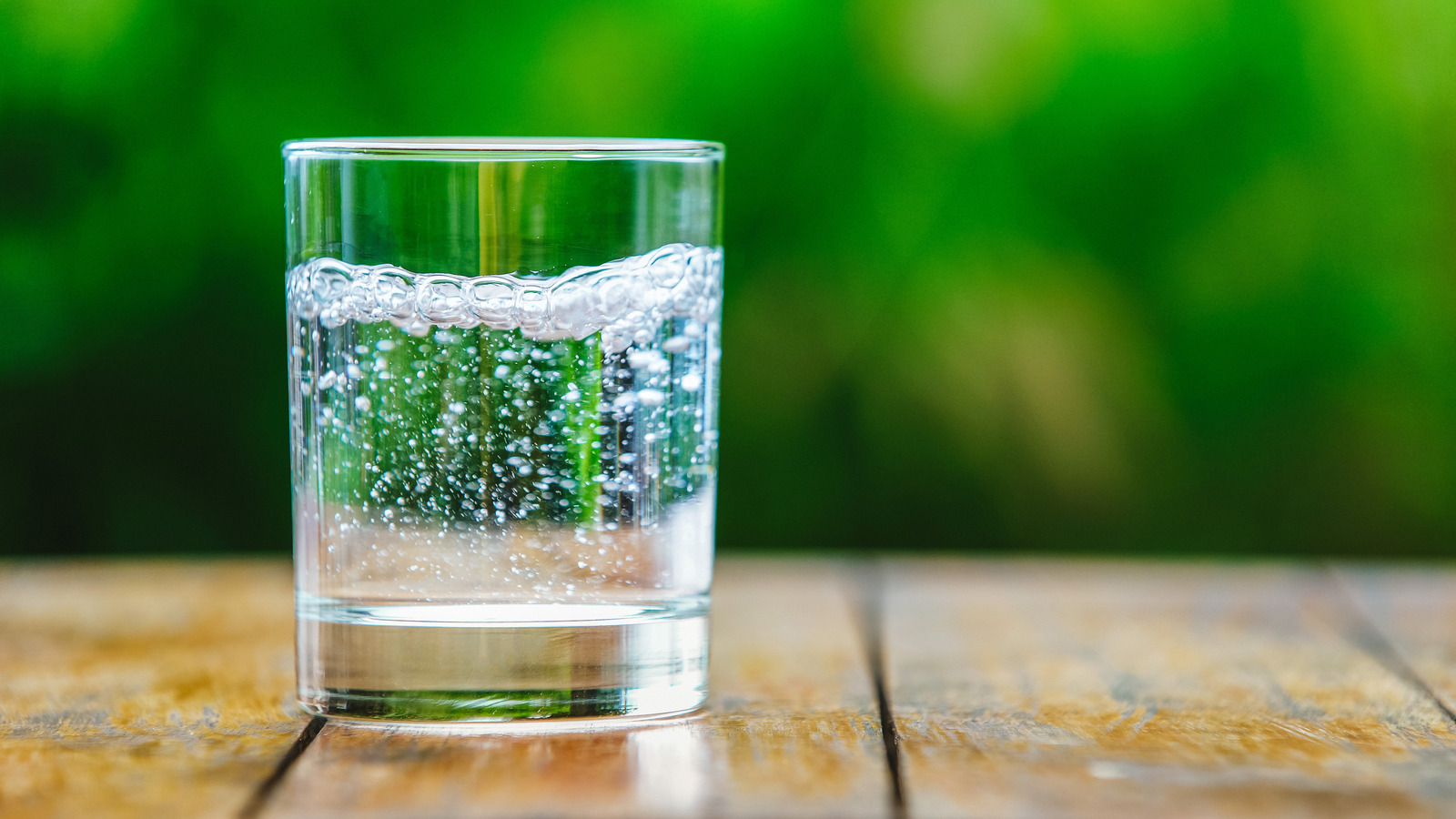
You’re standing in front of the fridge, sparkling water in hand, and suddenly you second-guess everything. Is the fizz okay for the baby? Could the carbonation cause problems? It’s one of those pregnancy questions that feels simple but somehow spirals fast.
Here’s the reassuring truth: sparkling water is generally safe during pregnancy, and for most moms-to-be, it can actually be a helpful addition to your daily hydration routine. That said, not all sparkling waters are created equal — and a few specific situations do call for caution. This guide walks you through everything you need to know, trimester by trimester, label by label.
Key Insight: Staying well-hydrated during pregnancy supports amniotic fluid production, digestion, nutrient circulation, and waste elimination — making your daily fluid intake one of the most important habits you can build.
The Short Answer
Yes — sparkling water is generally considered safe for pregnant women. However, this applies mainly to plain sparkling water that doesn’t contain additives such as sugar or artificial flavors.
The standard formula for sparkling water is simple: it’s still water that’s pressurized and infused with CO2 (carbon dioxide), which gives it its signature effervescence. That’s it. No alcohol, no caffeine, no mystery ingredients — just water and bubbles. It’s safe for pregnant women to drink carbonated or sparkling water.
The nuance comes in when you start looking at flavored varieties, sodium content, and how your body personally responds to carbonation. Keep reading — those details matter, and they’re easier to navigate than you think.
Why It’s Safe
Seltzers and sparkling water are excellent zero- or low-calorie alternatives to sugary sodas, juices, and alcoholic beverages. Many are also flavored for extra enjoyment — and there’s no evidence to suggest they produce negative health effects, pregnant or not.
Beyond being harmless, plain sparkling water can actually work in your favor during pregnancy. Apart from being generally considered safe, sparkling water can even be beneficial to pregnant women. Better hydration is one key benefit — dehydration in pregnancy can cause discomfort and create significant risks for the baby, and it’s crucial that pregnant women consume more water than non-pregnant women to support the healthy development of the baby.
Here are the main reasons sparkling water earns a green light:
- Hydration support: Sparkling water causes dehydration — that’s a myth. It’s just as hydrating as still water. If you find plain water boring, sparkling water helps you hit your daily fluid goals without reaching for something sugary.
- Nausea relief: Carbonated water is safe to drink during pregnancy, and some pregnant people find that the bubbles can help with nausea in the first trimester.
- Digestive support: Some studies show that moderate consumption of sparkling water can support digestive health. In particular, it can improve the process of gastric emptying and reduce constipation, which is a common issue in pregnancy.
- Zero calories and sugar: Unsweetened sparkling water has zero calories, making it a healthy beverage choice — especially when pregnancy cravings tempt you toward sugary drinks.
- A great mocktail base: For those missing happy hour, sparkling water can be an excellent alternative to alcohol — or an excellent base for top-tier mocktails. With its explosive popularity in recent years, there are countless flavor profiles to explore and enjoy.
One more myth worth busting: some believe sparkling water leaches calcium from bones, which isn’t true. Plain sparkling water does not pose a risk to your bone health or your baby’s development.
Pro Tip: If plain water feels unappealing during your first trimester, a glass of cold sparkling water can be a game-changer for both hydration and nausea. Try it before reaching for ginger ale, which is often high in sugar.
What the Research Actually Says
There’s no major clinical study that flags plain sparkling water as harmful during pregnancy. The consensus across OB-GYNs, registered nutritionists, and health organizations is consistently supportive. The best things for pregnant women to drink during pregnancy include water — and this includes tap water and bottled still or sparkling water.
On the nausea front, the science is encouraging. Some pregnant women find mineral water and other carbonated beverages are good morning sickness remedies. The carbonation can help reduce the total acidity of the stomach, making nausea dissipate.
When it comes to hydration targets, the American College of Obstetricians and Gynecologists recommends people consume between 64 and 96 oz. of water daily during pregnancy. If you’re bored of still tap water, you can count on sparkling to help you meet your hydration needs. You can read more about why drinking enough water each day matters for your overall health, too.
The main research-backed caution relates not to sparkling water itself, but to what’s added to it. Commercial flavored waters can be high in sugar, artificial sweeteners, and chemicals. The CO2 carbonation process is benign — it’s the ingredient list that deserves your attention.
Regarding mineral water specifically: mineral water might seem like the best option to drink during pregnancy, but it shouldn’t be your main source of water daily. Some mineral waters can be high in sodium, which, in excess, can lead to swelling and impact blood pressure regulation.
Important Note: Tonic water is NOT the same as sparkling water. Tonic water is one you may want to reconsider drinking during pregnancy due to the fact that it contains quinine, the ingredient that gives it that uniquely bitter taste. Always check that your sparkling water is quinine-free.
How to Do It Safely
The good news: drinking sparkling water safely during pregnancy doesn’t require a complicated rulebook. A few smart habits go a long way.
Choose the Right Type
Plain, unsweetened sparkling water is the safest choice during pregnancy. Always check the label for added sugars, flavors, or caffeine. Mineral and flavored waters can be consumed in moderation if they’re free from artificial additives.
Watch out specifically for:
- High sodium: Some sparkling waters contain added sodium, which could elevate blood pressure if consumed excessively. Club soda in particular tends to be higher in sodium than plain seltzer.
- Artificial sweeteners: Flavored sparkling waters may contain artificial sweeteners, which some prefer to avoid during pregnancy.
- Quinine: Some other carbonated drinks might contain quinine, such as flavored waters. Check the label if you’re unsure.
- Caffeine: Some energy-style sparkling waters contain caffeine — a key ingredient to monitor carefully during pregnancy.
How Much Can You Drink?
There is no specific limit on how much sparkling water you can drink as long as it’s free of harmful additives and consumed as part of a balanced hydration strategy. The general guideline for pregnant women is to aim for about 2–3 liters of fluids per day, depending on individual health needs and environmental factors. Sparkling water can count toward that total.
Understanding the best times to drink water throughout the day can also help you space your fluid intake more effectively during pregnancy.
Trimester Considerations
- First trimester: You can drink sparkling water during the first trimester. It’s a safe choice to stay hydrated — just ensure it’s plain and without added sugars or artificial flavors. Sparkling water can help with nausea, making it a comforting option for many moms-to-be.
- Second trimester: As morning sickness typically eases, plain sparkling water continues to be a safe hydration option. Watch sodium levels if you’re experiencing any swelling.
- Third trimester: Acid reflux is a common discomfort during pregnancy. While sparkling water can be a refreshing choice, it’s worth noting its acidity. For some expectant mothers, this may aggravate symptoms of acid reflux or heartburn, which are frequent in pregnancy. As your baby grows, pressure on your stomach can lead to stomach acid rising into your esophagus, causing that familiar burning sensation. If this is you, scale back or switch to still water.
Make It More Enjoyable
If plain sparkling water feels too bland, you can create your own flavored version by adding lemon, ginger, cucumber, or mint. Add slices of lemon, lime, strawberry, or cucumber for a refreshing twist. Incorporate a sprig of mint or basil for a subtle herbal flavor. You can even freeze small pieces of fruit or edible flowers in ice cubes and use them in your sparkling water for added flavor and visual appeal.
This approach gives you a naturally flavored drink without the artificial additives found in many commercial flavored sparkling waters. It’s also a great way to build healthy hydration habits that benefit both you and your baby. You can also explore the benefits of lemon water as a pregnancy-friendly flavor boost.
Pro Tip: Sip sparkling water slowly rather than gulping it. Carbonation can lead to feeling fullness more quickly than other beverages, so you should sip slowly and pay attention to any unpleasant side effects like bloating.
When to Avoid It Completely
For most pregnant women, plain sparkling water is a non-issue. But there are specific situations where you should set it aside — or at least check in with your doctor first.
Skip sparkling water (or limit it significantly) if you:
- Have chronic heartburn or acid reflux: Heartburn and acid reflux are rather common in pregnancy. Sparkling water can worsen them because of adding pressure in the stomach, which can potentially push up stomach acid. If you have issues with acid reflux or heartburn, you may want to avoid carbonated beverages.
- Experience significant bloating or gas: In moderate amounts, carbonated water is known to support digestion. However, it can have the opposite effect in some individuals and cause digestive discomfort. Carbon dioxide contained in this water can get trapped in the stomach, making excess gas build up and causing bloating.
- Have blood pressure concerns: Some types of sparkling water (such as club soda) are much higher in sodium than others, which can be a concern if you’re managing blood pressure during pregnancy.
- Are drinking tonic water: Tonic water contains quinine and should be avoided or limited during pregnancy — it is not the same as plain sparkling water.
- Notice dental sensitivity: Some sparkling waters are slightly more acidic than still water, which might contribute to dental erosion over time. It’s a good practice to rinse your mouth with plain water after drinking acidic beverages.
Most often, side effects appear because of individual sensitivities and may not be visible in all pregnant women who drink carbonated water. So, if you decide to drink sparkling water during pregnancy, it’s important to monitor your body’s reaction and stop consumption if you notice any discomfort or adverse effects.
Always check with your healthcare provider if you’re unsure whether sparkling water is right for your specific pregnancy situation. You might also want to review a broader list of foods and beverages to avoid during pregnancy to keep your diet on track.
Quick Reference Chart
| Type of Sparkling Water | Safety During Pregnancy | Notes |
|---|---|---|
| Plain / unflavored sparkling water (seltzer) | ✅ Safe | Best choice; just CO2 + water, no additives |
| Naturally flavored sparkling water (no sweeteners) | ✅ Safe | Check label; ensure no artificial sweeteners or quinine |
| Sparkling mineral water (low sodium) | ✅ Safe in moderation | Don’t make it your only water source; watch sodium |
| Club soda | ⚠️ With Caution | Higher sodium content; limit if managing blood pressure or swelling |
| Flavored sparkling water with artificial sweeteners | ⚠️ With Caution | Read labels carefully; avoid saccharin; limit aspartame |
| Sparkling water with added sugar | ⚠️ With Caution | Limit; excess sugar during pregnancy has known risks |
| Tonic water | ⚠️ With Caution / Avoid | Contains quinine; not the same as sparkling water; limit or skip |
| Caffeinated sparkling water / energy water | ❌ Avoid or strictly limit | Caffeine must be tracked; keep total pregnancy caffeine under 200mg/day |
| Sparkling water with alcohol | ❌ Avoid completely | No safe level of alcohol during pregnancy |
| Any sparkling water (if you have heartburn/acid reflux) | ❌ Avoid or limit | Carbonation can worsen symptoms, especially in the third trimester |
Common Mistake: Confusing tonic water with sparkling water or seltzer. They look similar but tonic water contains quinine, which is why it tastes bitter. Always check the label before you sip.
Frequently Asked Questions
Can sparkling water harm my baby?
One myth is that sparkling water can harm the baby — that’s false. Plain sparkling water without harmful additives poses no known risk to fetal development. The CO2 carbonation does not pass through to your baby in any harmful way.
Can I drink sparkling water in my first trimester?
Yes — and it may actually help. Sparkling water is a good alternative to sugary drinks and can be enjoyed throughout pregnancy, especially during the first trimester when it may help with nausea. Stick to plain or naturally flavored varieties without artificial additives.
Is sparkling water the same as soda water, seltzer, and club soda?
Carbonated water — which is the same as soda water, sparkling water, and seltzer — is simply water that has been pressurized to make it fizzy. Club soda is slightly different as it typically contains added minerals and sodium, so check the label. Tonic water is entirely different and contains quinine.
Does sparkling water count toward my daily water intake?
Yes, it does. Sparkling water is healthy for pregnancy when consumed plain. It provides the same hydration as regular water. It counts toward your recommended daily fluid intake just like still water does. You can also learn more about why drinking less water is a common mistake many people make — pregnant or not.
Can I drink flavored sparkling water while pregnant?
Flavored sparkling water can also be safe. However, it’s important to read labels and keep an eye on any additives that might be harmful to pregnant women. Your safest bet is to make your own flavored version at home with fresh fruit and herbs — no label-reading required.
What should I drink instead of soda during pregnancy?
Plain sparkling water is one of the best swaps. Sparkling water can be a safe and enjoyable choice for pregnant women looking for a change from plain water. It’s an excellent alternative to sugary drinks and can help in meeting the increased hydration needs during pregnancy without adding extra calories or sugars. Other great options include herbal teas, coconut water, and milk. Check out this guide on coconut water and other hydrating drinks for more ideas, or explore the benefits of watermelon juice as a refreshing pregnancy-friendly alternative.
Is it safe to drink cold sparkling water during pregnancy?
Cold sparkling water is generally fine for most pregnant women. However, if you’re experiencing nausea or digestive sensitivity, you may find that drinking fluids at room temperature, rather than ice cold, helps. Listen to your body and adjust accordingly. You can also read more about drinking cold water and how temperature affects your hydration.
This information is for educational purposes only and is not intended as medical advice. Always consult with a qualified healthcare professional before making health decisions during pregnancy.