Can You Drink Soda While Pregnant? Here’s What Doctors Actually Say

April 2, 2026
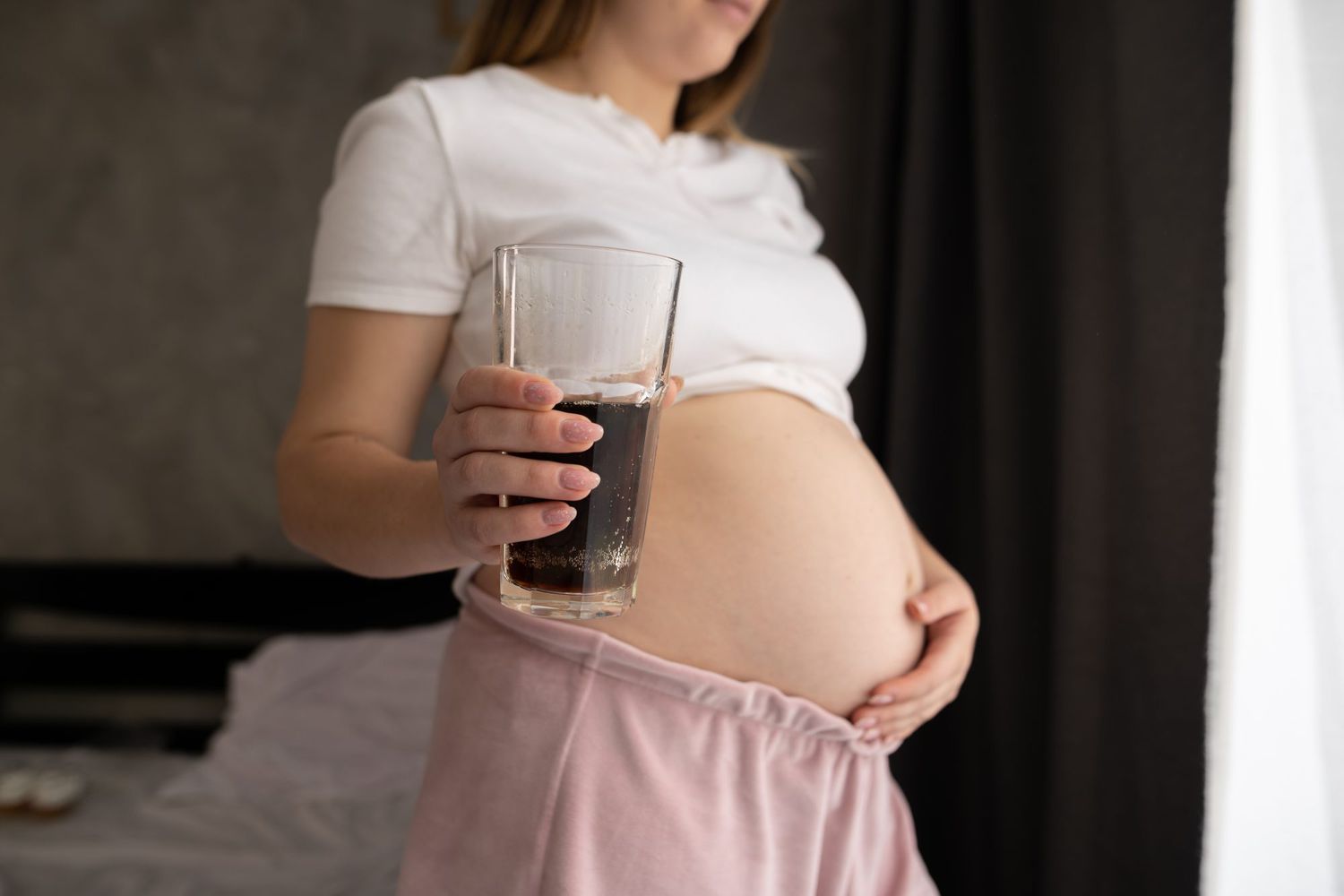
You’re pregnant, you’re thirsty, and someone just walked by with an ice-cold Coke — and now you’re wondering if you’re allowed to have one. It’s a question that comes up constantly, and yet the answers you find online range from “absolutely fine” to “never touch it again.” That whiplash is exhausting, especially when you’re already managing a long list of dos and don’ts.
Here’s the good news: the answer is not as scary as you might think. Whether you’re craving a regular Coke, a diet soda, or a ginger ale to calm your nausea, this guide breaks down exactly what the research says, what OB-GYNs recommend, and how to make smart choices for you and your baby — without unnecessary guilt.
Medical Disclaimer: This information is for educational purposes only and is not intended as medical advice. Always consult with a qualified healthcare professional before making health decisions during pregnancy.
The Short Answer
Yes, you can drink soda while pregnant — but with some important caveats. Some soda is fine, confirms Kecia Gaither, MD, MPH, ob-gyn and director of perinatal services/maternal fetal medicine at NYC Health and Hospitals/Lincoln in the Bronx. The key word here is moderation. During pregnancy, it is safe to drink one or less than one serving (1 serving = 330 ml) of soda or diet soda per day.
That said, soda isn’t a health drink — pregnant or not. It’s recommended that you try to drink soda in moderation because sodas “often contain sugars, caffeine, artificial sweeteners, and other chemicals and have no nutritional value.” The occasional can isn’t going to harm your baby. Drinking it daily in large amounts is where real concerns begin to emerge.
Key Insight: One can of soda now and then is very different from drinking several cans a day. The risks discussed in this article are almost always tied to frequent, heavy consumption — not the occasional treat.
Why It’s a Concern
Soda isn’t a single ingredient — it’s a cocktail of components that each carry their own considerations during pregnancy. Understanding what’s actually in your drink helps you make confident, informed choices rather than just feeling anxious about every sip.
Caffeine
Caffeine crosses the placenta, and your baby processes it more slowly than you do. Most health authorities recommend keeping total caffeine to 200 milligrams per day in pregnancy. That includes coffee, tea, soda, energy drinks, and even chocolate. Many people forget caffeine is also in some sodas — for instance, a 12-ounce can of Coke has 34 mg. It’s easy to hit that 200 mg limit faster than you realize when you’re adding soda to an already caffeinated day.
Sugar
Consuming sodas regularly during pregnancy can lead to excessive sugar intake, posing challenges in weight control and elevating the likelihood of gestational diabetes and hypertension. A single 12-ounce soda contains between 35 to 45 grams of sugar, which can surpass your daily recommended sugar intake. You can read more about foods and beverages to avoid during pregnancy for a broader picture of what to watch out for.
Artificial Sweeteners
Saccharin (in Sweet ‘N Low) isn’t recommended because it crosses the placenta and there isn’t enough research to show how it affects a growing baby. However, most artificial sweeteners approved by the FDA, including aspartame, acesulfame-K, and sucralose (Splenda), are generally considered acceptable in moderation. If you have a rare condition called phenylketonuria, you must avoid food and beverages containing aspartame, as it may pose a risk to the baby.
Phosphoric and Citric Acids
Phosphoric and citric acids are two chemicals known to erode tooth enamel. Pregnant people already have an increased risk of cavities and gingivitis due to elevated hormones, so they might want to avoid these. This doesn’t mean one soda ruins your teeth — but it’s worth being aware of, especially if you’re already dealing with pregnancy-related dental sensitivity.
Carbonation
Even plain soda during pregnancy should be consumed in moderation as too much carbonation can lead to bloating or discomfort. If you’re already dealing with pregnancy heartburn or gas, carbonated drinks may make things worse.
What the Research Actually Says
The science on soda during pregnancy is real — but it’s also frequently misrepresented. Here’s what the studies actually show, and what they don’t.
On Caffeine and Birth Weight
Most studies suggest that moderate amounts of caffeine (less than 200 milligrams per day) won’t harm your pregnancy, but the research isn’t definitive. Excessive caffeine intake can increase the risk of complications, such as low birth weight or preterm birth. The emphasis here is on “excessive” — occasional soda consumption that keeps you well under 200 mg daily is not what these studies are flagging.
On Sugar and Child Development
Research from 2018 found that those who consumed a lot of sugar, especially from sugar-sweetened sodas, had babies who grew up to have poorer nonverbal problem-solving abilities and verbal memory. Results from a 2017 study suggest that sugary drinks consumed in pregnancy could affect kids’ chances of developing asthma by age 8. These are associations worth knowing about — but it’s important to understand they involve high levels of consumption, not an occasional drink.
On ADHD Risk
In a large pregnancy cohort with offspring followed until 8 years of age, researchers found an association between maternal daily intake of sweetened carbonated beverages and offspring ADHD symptoms, suggesting a weak positive relationship between prenatal exposure and offspring ADHD. Again, “daily intake” is the operative phrase — and this is a correlation, not a proven cause.
On Diet Soda Specifically
Drinking diet soda during pregnancy was linked to poorer fine motor, visual, spatial, and visual motor abilities in early childhood (around age 3). By mid-childhood (age 7), kids whose moms drank diet sodas while pregnant had poorer verbal abilities. However, these studies only found an association and could not prove a cause-and-effect link. Dr. Mitchell Kramer, chairman of obstetrics and gynecology at Huntington Hospital in New York, said women shouldn’t panic. “This study shows an association. It’s not definitive that kids will have any issues,” Kramer explained, and most women likely have sodas only occasionally. “It’s the chronic intake that’s concerning.”
Important Note: Most studies showing negative effects involve high, frequent consumption — not occasional treats. An association in research does not automatically mean causation. Always discuss your specific situation with your OB-GYN.
How to Do It Safely
You don’t have to swear off soda entirely to have a healthy pregnancy. Here’s how to enjoy it without going overboard — broken down by what to track and when to be extra careful.
Know Your Caffeine Budget
Most health authorities recommend having no more than 200 mg of caffeine per day during pregnancy. One serving of soda has between 32–42 mg of caffeine. That means a single can of caffeinated soda uses up roughly 15–20% of your daily limit. If you’ve already had a cup of coffee or tea, factor that in before cracking open a can. You can learn more about the importance of staying well-hydrated and why water should remain your primary beverage.
Watch Your Sugar Intake
It’s advisable to keep added sugars below 10% of your total daily calorie consumption. For those with gestational diabetes or at risk, it’s wise to avoid sugary beverages altogether. If you’re going to have soda, make it a small portion and pair it with a nutrient-dense meal rather than drinking it on an empty stomach.
Choose Wisely by Soda Type
- Regular cola (Coke, Pepsi): Contains sugar and caffeine. A 12-ounce can of Coke has 34 mg of caffeine. Fine occasionally — just count it toward your 200 mg daily limit.
- Diet soda: The verdict is mixed on diet soda in pregnancy, but it’s most likely fine in moderation. Just read the label to check for caffeine, phosphoric acid, and artificial sweetener, and consider limiting how much you drink. Moderate amounts should be okay.
- Ginger ale: The ginger in ginger ale tends to be artificial and lacking in health benefits. Plus, ginger ale is high in sugar and its carbonation could worsen bloating or gas. That said, if it settles your tummy, go for it. It’s not proven to be beneficial, but it’s safe in moderation.
- Caffeine-free soda: Caffeine-free sodas don’t carry the caffeine concern, but they can still be high in added sugar or contain artificial sweeteners. A better choice than caffeinated varieties, but still best in moderation.
- Sparkling water / seltzer: Since seltzer doesn’t contain sugar, artificial sweeteners, or caffeine, it’s a safe alternative to soda. This is your best bet if you love the fizz but want to skip the concerns.
Trimester Considerations
One must be extra careful when consuming soda during pregnancy’s first trimester. During the first trimester, your baby’s organs are forming rapidly, making it the most sensitive window. Drinking soda in the third trimester is fine, but limit your consumption. High sugar and caffeine levels can contribute to unwanted weight gain and disrupt sleep. Choose caffeine-free or low-sugar varieties to manage these issues.
Pro Tip: If you’re craving the fizz more than the flavor, swap to plain sparkling water with a squeeze of lemon or lime. You get the bubbles without the sugar, caffeine, or artificial sweeteners — and it counts toward your daily hydration goal.
When to Avoid It Completely
For most healthy pregnancies, occasional soda is not a dealbreaker. But there are specific situations where skipping it entirely is the smarter choice.
- You have gestational diabetes: For those with gestational diabetes or at risk, it’s wise to avoid sugary beverages altogether. Even diet sodas can affect blood sugar regulation in ways that matter when you’re managing GDM.
- You have phenylketonuria (PKU): If you have a rare condition called phenylketonuria, you must avoid food and beverages containing aspartame, as it may pose a risk to the baby. Check labels carefully, as aspartame is in many diet sodas.
- You’re already at your caffeine limit: If you’ve had coffee, tea, chocolate, or other caffeinated foods, adding a caffeinated soda could push you over the 200 mg daily threshold. On high-caffeine days, choose caffeine-free options or skip soda entirely.
- You’re experiencing severe heartburn or bloating: Too much carbonation can lead to bloating or discomfort. If these symptoms are already affecting you, carbonated drinks of any kind may make things worse.
- You’re drinking it daily in large amounts: Drinking a glass of soda once in a while during pregnancy is unlikely to harm you or your baby. However, its frequent consumption could be a cause for concern.
Common Mistake: Assuming diet soda is automatically “safe” because it has no sugar. Diet sodas still contain caffeine (in many varieties), artificial sweeteners, and acids that carry their own considerations. Read the label every time.
What to Do Instead
If you want to cut back on soda but still crave something more exciting than plain water, you have plenty of satisfying options. During pregnancy, it’s really important that you stay hydrated. It’s generally advised that you drink 8 to 12 cups of water per day, with the amount increasing each trimester as you add calories to your diet. Making most of those cups count nutritionally is the goal.
Here are some pregnancy-friendly swaps that actually satisfy:
- Sparkling water with fruit: Add slices of lemon, cucumber, lime, or berries to plain sparkling water. You get the fizz without a single gram of added sugar. Try infusing it overnight for stronger flavor.
- Herbal teas (pregnancy-safe varieties): Herbal tea such as ginger tea or peppermint tea can provide a soothing and hydrating option without the added sugars or caffeine. Ginger tea, in particular, is a well-known remedy for pregnancy nausea — and unlike ginger ale, it actually contains real ginger.
- Diluted fruit juice: Mix one part 100% fruit juice with three parts water for a lightly sweet, flavorful drink that’s far lower in sugar than straight juice or soda.
- Milk or plant-based milk: Milk or plant-based milk options provide calcium and other essential nutrients that support the baby’s development. These are especially valuable in the second and third trimesters when your baby’s bone development accelerates.
- Smoothies: Smoothies can be a great way to incorporate additional vitamins and minerals into your diet. Blend with whole fruits, leafy greens, and yogurt for a satisfying, nutrient-dense drink. Explore more ideas in this guide to whole plant-based foods that support a healthy pregnancy diet.
- Coconut water: Naturally hydrating with electrolytes, coconut water is a great alternative when you need something with a little more flavor than plain water. Check the label for added sugars.
For more on building a nourishing pregnancy diet, check out these resources on food and drink and superfoods for a healthy heart — many of which double as excellent pregnancy nutrition choices.
Pro Tip: Keep a large water bottle with you at all times. When a soda craving hits, drink a full glass of water first. Many cravings are actually thirst in disguise — and if you still want the soda after that, you can make a more conscious, smaller choice.
Quick Reference Chart
Not sure where your favorite soda falls? Use this at-a-glance chart to quickly check what’s safe, what requires caution, and what to skip during pregnancy.
| Drink | Status | Key Concern | Recommendation |
|---|---|---|---|
| Regular cola (Coke, Pepsi) | ⚠️ With Caution | Caffeine + high sugar | Occasional, small serving; count caffeine toward 200 mg daily limit |
| Diet cola (Diet Coke, Diet Pepsi) | ⚠️ With Caution | Caffeine + artificial sweeteners | Occasional; avoid saccharin; check label for caffeine |
| Caffeine-free soda | ⚠️ With Caution | High sugar or artificial sweeteners | Better than caffeinated; still limit sugar intake |
| Ginger ale | ⚠️ With Caution | High sugar; artificial ginger | Okay occasionally; little real benefit for nausea |
| Mountain Dew | ⚠️ With Caution | High caffeine (54 mg/12 oz) + sugar | Limit carefully; one of the higher-caffeine sodas |
| Root beer | ⚠️ With Caution | High sugar; sometimes caffeine | Safe in moderation; check for caffeine on label |
| Energy drinks | ❌ Avoid | Very high caffeine + stimulants | Avoid entirely during pregnancy |
| Sodas with saccharin (Sweet ‘N Low) | ❌ Avoid | Crosses placenta; insufficient safety data | Avoid during pregnancy |
| Plain sparkling water / seltzer | ✅ Safe | None (no sugar, caffeine, or sweeteners) | Great fizzy alternative; drink freely |
| Fruit-infused sparkling water | ✅ Safe | None (if no added sugar) | Excellent soda substitute; check labels for additives |
| Herbal tea (ginger, peppermint) | ✅ Safe | None (pregnancy-safe varieties) | Hydrating and soothing; great for nausea |
For a more complete guide to what to eat and drink during pregnancy, visit this detailed resource on foods and beverages to avoid during pregnancy. You may also want to review the difference between baking soda and baking powder if you’re baking during pregnancy — they’re not the same thing, and knowing which is which matters in the kitchen.
Frequently Asked Questions
Can drinking soda cause a miscarriage?
Caffeine-free sodas don’t carry the caffeine concern, but they can still be high in added sugar or contain artificial sweeteners. There is no strong evidence that occasional soda consumption causes miscarriage. The concern around caffeine and miscarriage risk is tied to high daily intake — well above what you’d get from a single can.
Is diet soda safer than regular soda during pregnancy?
Not necessarily. Drinking diet soda, contrary to popular belief, is as harmful as drinking regular soda during pregnancy. Both carry their own risks — regular soda has high sugar, while diet soda contains artificial sweeteners and often still has caffeine. Neither is a health drink, and both are best consumed occasionally.
Can I drink cold soda while pregnant?
You can drink cold soda while pregnant, but moderation is important. Cold temperature doesn’t affect the safety, but it’s still vital to monitor sugar and caffeine levels. Temperature is not the issue — the ingredients are.
Can soda help with pregnancy nausea?
Consuming soda may help relieve nausea. Carbonated drinks can ease morning sickness for some. However, if nausea relief is your goal, plain sparkling water or real ginger tea is a better choice — you get the same benefit without the sugar or caffeine. “Carbonated water is safe to drink during pregnancy, and some pregnant people find that the bubbles can help with nausea in the first trimester.”
How much soda is too much during pregnancy?
Drinking soda more than one cup a day during pregnancy can increase the risk of premature delivery. Most experts agree that one small serving occasionally is unlikely to cause harm, but daily consumption — especially of caffeinated or high-sugar varieties — is where risks begin to compound. Track your total caffeine from all sources and keep it under 200 mg per day.
Are there any sodas that are completely safe during pregnancy?
Caffeine-free and low-sugar sodas are safer options during pregnancy. Plain sparkling water is the safest “soda-like” option because it contains no caffeine, sugar, or artificial sweeteners. If you want actual soda, a small caffeine-free, low-sugar option consumed occasionally is your best bet. You can also explore refreshing drink alternatives that may satisfy your craving while offering more nutritional value. For more guidance on building a healthy diet, check out this guide to foods that boost brain health — great for supporting both you and your developing baby.
The bottom line is this: pregnancy comes with enough stress without adding guilt over an occasional soda. Make informed choices, keep your caffeine well below 200 mg per day, limit added sugar, and talk to your doctor about anything specific to your health history. You’re doing great — one sip at a time.

Emmanuella Oluwafemi is a sociologist, anthropologist, fashion model, and senior writer at Krafty Sprouts Media, LLC. She is also the founder of Freelance Space