Can You Drink Lemon Water While Pregnant? Yes — With These Simple Rules

Adeleye Adeniyi
March 31, 2026
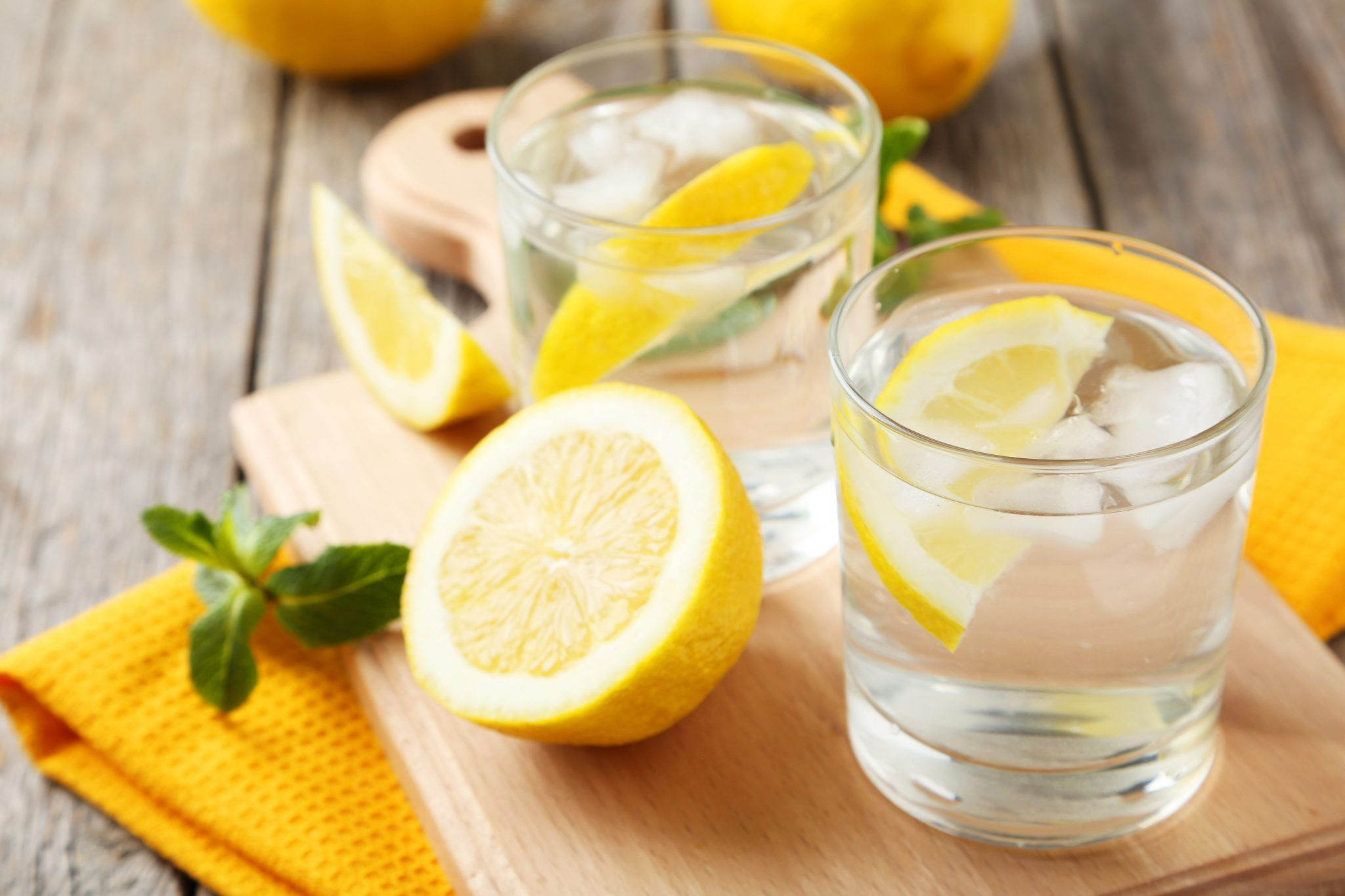
You’re pregnant, you’re nauseous, and someone just told you that a glass of warm lemon water could help. But now you’re second-guessing everything — because that’s what pregnancy does to you. Every sip feels like a decision.
Here’s the good news: lemon water is one of the safer choices you can make during pregnancy, and for most women, it comes with real benefits. Lemon consumption can help relieve nausea and vomiting during pregnancy and is generally a safe option. The key is knowing how much, when, and how to prepare it — which is exactly what this guide covers, trimester by trimester.
The Short Answer
Yes, lemon water is generally safe for pregnant women when consumed in moderation. The recommended amount is 1–2 cups daily, using ¼ to ½ lemon per cup of water. That’s it — no dramatic caveats, no scary warnings for the average healthy pregnancy.
The nuance comes in how you drink it. Plain water with a squeeze of fresh lemon is very different from bottled lemonade loaded with sugar. Fresh lemon or diluted lemon water in moderate amounts is safe. Avoid processed lemon drinks that have added sugar or preservatives.
Pro Tip: Use fresh lemons rather than bottled lemon juice when possible. Fresh lemons give you more control over the amount of citric acid and contain no added preservatives or sugars.
The bottom line: if you enjoy lemon water and your body tolerates it well, you can keep drinking it throughout your pregnancy. If you have heartburn, acid reflux, or dental concerns, there are some smart adjustments to make — and this guide walks you through all of them.
Why It’s Safe
Lemon water isn’t just harmless — it can actually work in your favor during pregnancy. Lemon water can aid in various health benefits during pregnancy, such as hydration, morning sickness, blood pressure regulation, immunity, constipation relief, digestion, and reducing swollen feet.
Let’s break down the main reasons it earns a spot in your pregnancy routine:
- Vitamin C boost: Half a cup (106 grams) of lemon (without peel) provides 56.2 mg of vitamin C, an essential nutrient for both the mother and the fetus. Several studies have shown that even a mild deficiency of vitamin C in mothers can hinder fetal brain development, particularly in the hippocampus, the brain region responsible for memory.
- Morning sickness relief: Lemons can help subside the nauseous sensations experienced by pregnant women that accompany morning sickness, especially during the first trimester.
- Better hydration: If a person likes the flavor of lemon drinks, it can provide motivation to drink more and stay hydrated. And staying hydrated matters more than ever — pregnant women need approximately 3,300 ml of water daily, according to studies on hydration needs during pregnancy. Check out our guide on why drinking enough water each day is so important for your overall health.
- Iron absorption: If lemon juice is consumed after meals or before iron-containing foods, the body will be able to absorb higher levels of iron, essential for preventing anaemia during pregnancy.
- Bone and baby development: Lemon water contains magnesium and calcium, both of which help with bone health and development. It also contains potassium which nourishes brain cells, nerves, and helps with fetal bone development.
- Folate content: Folate, another vital nutrient in lemons, plays a critical role in reducing the risk of neural tube defects such as spina bifida and anencephaly. (Note: lemon alone won’t meet your full folate needs — learn more about lemon water’s full nutritional profile.)
- Swelling relief: Swelling of the feet, known as edema, is fairly common among pregnant women. Lemon water can help ease the pain of edema and reduce the symptoms.
Key Insight: Lemon water won’t replace your prenatal vitamin, but it can complement your nutrition by making plain water more appealing, supporting iron absorption, and delivering a small but meaningful dose of vitamin C and folate.
What the Research Actually Says
You deserve an honest picture — not just reassurance. Here’s what the science actually supports and where it’s still limited.
The clearest evidence is around nausea relief. There is data to suggest that diffusing lemon essential oil may provide relief. A randomized clinical trial in pregnant women concluded that inhaling lemon essential oil is a safe and effective method for reducing nausea and vomiting during pregnancy. However, there is little to no research to prove that consuming lemon is effective in reducing nausea during pregnancy — so the nausea benefit from drinking it may be more anecdotal than proven.
On the safety side, there is limited research on the safety of consuming large amounts of lemon during pregnancy. While drinking lemon water or adding a small amount of fresh lemon juice to your salad is considered safe and beneficial, consuming large quantities of lemon or lemon-flavored additives, supplements, and products should be discussed with your doctor or midwife.
The dental concern, on the other hand, is well-documented. Over time, regular consumption of acidic foods and beverages can erode tooth enamel, making your teeth weaker and more sensitive. Pregnant women are already at a higher risk of dental problems, so excessive lemon intake may worsen these issues. Some studies have shown that lemon juice has a greater erosive effect on teeth than regular cola beverages.
One more nuance worth knowing: mixing 1 teaspoon of lemon juice with 8 ounces (227 ml) of water may help alkalize stomach acid and alleviate heartburn symptoms. While unproven, this combination is thought to reduce acid irritation. So a very diluted version may actually be gentler on your digestive system than drinking straight lemon juice.
Important Note: This information is for educational purposes only and is not intended as medical advice. Always consult with a qualified healthcare professional before making changes to your pregnancy diet.
How to Do It Safely
Knowing lemon water is generally safe is one thing — drinking it smartly is another. Here’s exactly how to get the benefits without the drawbacks, broken down by what matters most.
Safe Daily Amounts
It is safe to have juice of 1–2 lemons per day. In practice, that means 1–2 cups of lemon water per day, using about ¼ to ½ a lemon per cup. This equates to using about half a lemon per 8 ounces of water. Stay within this range and you’ll get the benefits without overloading on citric acid. For more on how to build good hydration habits, see our article on the best times to drink water throughout the day.
Preparation Tips
- Organic lemons are ideal to minimize pesticide exposure. Ensure lemons are washed well before use, and opt for pasteurized lemon juice to avoid any potential bacterial risks.
- To avoid the possibility of consuming harmful bacteria, buy fresh lemons and wash them first. Cut it in half and squeeze the half into a glass by hand or using a citrus juice extractor. Add warm, cold, or hot water. Drink your lemon water immediately after making it.
- Cold lemon water can occasionally lead to a cough or cold. Be sure you drink it at room temperature or slightly warmer, particularly during the winter months.
- Avoid consuming store-bought lemonade or bottled lemon juice during pregnancy, as these drinks usually contain added sugars.
Protecting Your Teeth
Use a straw to minimize contact with teeth, rinse your mouth with plain water afterward, and wait 30 minutes before brushing your teeth. Do not brush your teeth right after having lemon water. Brushing immediately after acid exposure can actually accelerate enamel erosion — waiting gives your saliva time to neutralize the acid first.
Trimester-by-Trimester Guide
Your needs — and your body’s tolerance — shift across the three trimesters. Here’s how to adjust:
| Trimester | Key Benefit | What to Watch For | Recommendation |
|---|---|---|---|
| First Trimester | Morning sickness relief, hydration motivation | Reflux if stomach is empty | Lemon water may relieve nausea and morning sickness. It is best taken diluted in water. |
| Second Trimester | Iron absorption, digestion, energy | Heartburn beginning to increase | Drinking lemon in the second trimester is safe and can be beneficial. It aids digestion and keeps you hydrated. |
| Third Trimester | Hydration, bloating relief, vitamin C | Heartburn most likely now | Lemon water during the third trimester has to be taken with caution, as heartburn is more likely. It is recommended to take diluted lemon water during the day and not in the evening. |
You can read more about the benefits of starting your morning with lemon water that apply beyond pregnancy too, and how to make it a lasting habit.
Pro Tip: In the third trimester, switch to drinking your lemon water in the morning rather than the evening, and always have it well-diluted. This helps you enjoy the hydration benefits while reducing the chance of nighttime heartburn.
When to Avoid It Completely
For most pregnant women, lemon water is a green light. But there are specific situations where you should pause or stop entirely.
Stop drinking lemon water if you experience:
- Persistent heartburn or acid reflux: Lemons contain high levels of citric acid, which may exacerbate heartburn symptoms in some pregnant women. The acidity of lemon water can aggravate or trigger symptoms of heartburn that you may already be experiencing. Avoid lemons until these symptoms subside.
- Noticeable tooth sensitivity or discoloration: The citric acid in lemons can damage the enamel of your teeth, causing dental problems. If you notice your teeth changing in color or feeling, avoid lemon water or drink through a straw.
- Stomach irritation or nausea worsening: Excessive lemon juice intake can irritate the stomach lining. If your nausea gets worse rather than better after drinking lemon water, your body is telling you something. Listen to it.
- Known citrus allergy: Some may experience allergic reactions to lemons, causing skin rashes or digestive discomfort. If you’ve ever reacted to citrus before, check with your OB before adding lemon water to your routine.
- Blood pressure medication interactions: High lemon intake might interact with medications, affecting blood pressure stability. If you’re managing blood pressure during pregnancy, talk to your doctor first.
You should also steer clear of lemon essential oil taken internally. While lemon water is generally safe during pregnancy, lemon essential oil is a different story. Essential oils are highly concentrated and can be harmful if not used properly. It’s best to avoid using lemon essential oil internally during pregnancy unless a qualified healthcare provider specifically advises it.
And avoid Med-Lemon (a medicated lemon-flavored cold remedy). Med-lemon is a flavored medication that may combat colds and flu. It cannot be taken during pregnancy, especially in your first and third trimesters, except under the supervision of your gynecologist.
For a broader look at what to skip during pregnancy, our article on foods and beverages to avoid during pregnancy is a helpful companion read.
Common Mistake: Assuming all lemon products are the same. Fresh-squeezed lemon water, bottled lemonade, lemon soda, lemon essential oil, and medicated lemon drinks are all very different. Only plain, diluted, fresh lemon water earns the “generally safe” label during pregnancy.
Quick Reference Chart
Not sure where a specific lemon product or habit falls? Use this at-a-glance guide:
| Item / Habit | Status | Notes |
|---|---|---|
| Fresh lemon water (diluted, 1–2 cups/day) | ✅ Safe | The standard — fine for all trimesters in moderation |
| Warm lemon water in the morning | ✅ Safe | Great for digestion and hydration; best time of day to drink it. See our guide on drinking water on an empty stomach every morning |
| Lemon water with iron-rich meals | ✅ Safe | Boosts non-heme iron absorption — a smart pairing |
| Lemon + ginger water | ✅ Safe | A popular combo for nausea; both are generally pregnancy-safe. Learn more about the benefits of ginger and lemon tea |
| Lemon water through a straw | ✅ Best Practice | Protects tooth enamel; recommended especially in 2nd and 3rd trimesters |
| Store-bought lemonade | ⚠️ With Caution | Lemonade or flavoured drinks in packs may have added sugar or preservatives, which one should avoid, especially during pregnancy. |
| Lemon water in the third trimester (evening) | ⚠️ With Caution | Higher risk of nighttime heartburn; drink earlier in the day instead |
| Lemon water with active heartburn | ⚠️ With Caution | May worsen symptoms; reduce or pause until symptoms settle |
| Lemon soda / carbonated lemon drinks | ⚠️ With Caution | Lemon soda drinks often contain added caffeine and sweeteners, both not good when taken in excess amounts. Artificially sweetened drinks may also raise the risk of preterm labor. |
| Lemon essential oil (internal use) | ❌ Avoid | Highly concentrated; safety during pregnancy is unproven |
| Med-Lemon (medicated) | ❌ Avoid | Not safe in first and third trimesters without medical supervision |
| Excessive lemon juice (more than 2 lemons/day) | ❌ Avoid | Risk of enamel erosion, heartburn, and stomach irritation increases significantly |
Staying hydrated in general is one of the most important things you can do during pregnancy. If lemon water helps you drink more, that’s a genuine win. Our article on how water benefits your body explains the full picture of why hydration matters so much. You might also enjoy watermelon juice as another refreshing, pregnancy-friendly hydration option.
Frequently Asked Questions
Can lemon water help with morning sickness during pregnancy?
Many women find it helpful, and it’s commonly recommended as a natural remedy. While there is no concrete scientific evidence, lemons have been shown to reduce the nauseous feelings experienced during the first trimester of pregnancy. It acts as a freshener for your mouth as well, which can help with being nauseated. If straight water makes you feel worse, a lightly lemony version is worth trying.
Is it safe to drink lemon water every day while pregnant?
Yes, in moderate amounts. When diluted and taken in moderation, lemon water is harmless and can provide hydration and relief from nausea. A daily intake of one to two lemons is usually okay; do not take too much to avoid irritating your stomach or eroding enamel.
Can lemon water cause a miscarriage?
No. There is no scientific evidence linking moderate lemon water consumption to miscarriage. A common myth is that lemon can induce labor, but there’s no scientific evidence supporting this. Another is that lemon is harmful in pregnancy, which is untrue when consumed moderately. If you have specific concerns, always speak with your OB or midwife.
What’s the best time of day to drink lemon water during pregnancy?
Morning is generally the best time. It is recommended to take diluted lemon water during the day and not in the evening. Drinking it in the morning supports digestion, helps you start your hydration early, and reduces the risk of nighttime heartburn — especially important in the second and third trimesters. Learn more in our guide on the best times to drink water.
Can I drink lemon water on an empty stomach while pregnant?
It depends on how your body reacts. Some women find it settles their morning nausea beautifully; others find the acidity on an empty stomach makes things worse. Start with a very diluted version and see how you feel. If you experience discomfort, drink it alongside a small snack instead. Our article on drinking water on an empty stomach covers this topic in more depth.
Is hot lemon water safe during pregnancy?
Yes. Warm or hot lemon water is actually the preferred form for many pregnant women. Some people mix freshly squeezed lemon juice with water and drink it warm. Warm water is easier on the digestive system and may be more soothing for nausea than cold versions.
Does lemon water count toward my daily fluid intake during pregnancy?
Absolutely. Lemon water can contribute to daily hydration needs and provide a natural source of vitamin C. However, it should be considered a supplement to, not a replacement for, a balanced pregnancy diet and proper hydration with plain water. Plain water is a good choice, but all non-alcoholic drinks can count towards your fluid intake, including milk, fruit and vegetable juices, smoothies, and hot drinks. For more on hitting your daily hydration goals, see our article on why drinking less water is a mistake.
Are there other healthy drinks I can have during pregnancy?
Yes — variety is great. Coconut water is naturally full of electrolytes and can be a refreshing change from plain water. If plain water isn’t cutting it, try infusing it with fruits, herbs, or even veggies — lemon, mint, and cucumber are popular choices. You can also explore our guide on coconut water and other hydrating fruit drinks for more ideas that are pregnancy-friendly.