Drinking Alcohol While Pregnant: What Every Expectant Mom Needs to Know

April 2, 2026
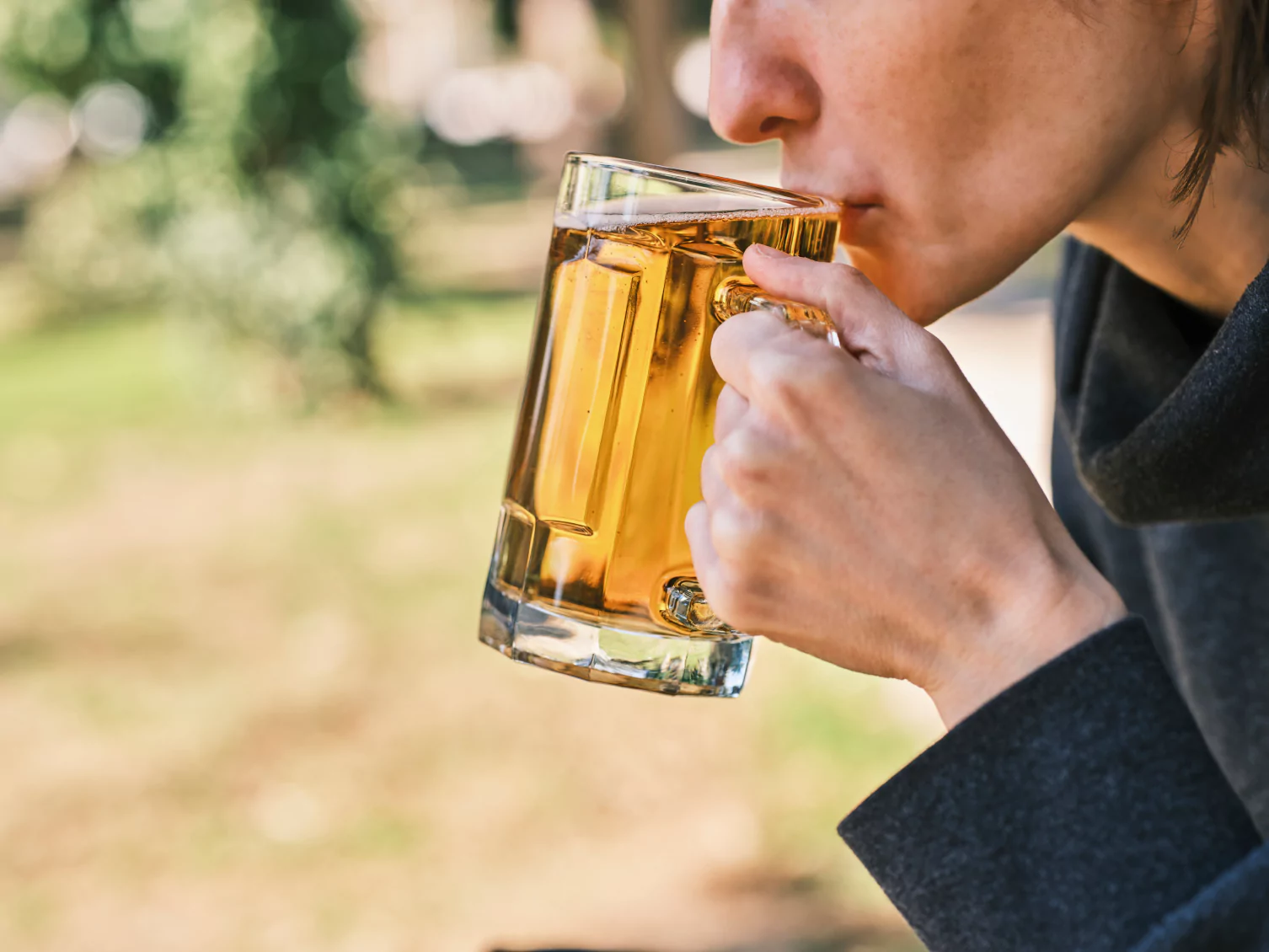
You’re pregnant, someone hands you a glass of wine at a celebration, and suddenly every person in the room has an opinion. It’s one of the most emotionally charged questions in pregnancy: Can you drink alcohol while pregnant? You deserve a straight, research-backed answer — not a lecture, not vague reassurances, and not unnecessary fear.
The science on this topic is both clear in some areas and genuinely uncertain in others. This guide walks you through exactly what health organizations say, what the research actually shows, when the risk is highest, and what you can enjoy instead — so you can make an informed decision with confidence.
Medical Disclaimer: This article is for educational purposes only and is not intended as medical advice. Always consult with your OB-GYN or a qualified healthcare professional before making decisions about alcohol or any substance during pregnancy.
The Short Answer
No — the current consensus from every major health organization is that no amount of alcohol has been proven safe during pregnancy. There is no known safe amount of alcohol use during pregnancy, and there is also no safe time for alcohol use during pregnancy.
That said, the picture is more nuanced than a simple yes or no. While the research on heavy drinking during pregnancy is clear, the effect of small quantities on a baby’s development remains unknown. The honest answer is: the risk exists at every level, it cannot be precisely quantified for any individual pregnancy, and the safest path is complete abstinence.
Key Insight: The official stance from the CDC, ACOG, the American Academy of Pediatrics, and the NHS is unified — avoid all alcohol throughout pregnancy. This recommendation exists not because every sip is guaranteed to cause harm, but because no safe threshold has ever been scientifically established.
Why It’s a Concern
Alcohol doesn’t stay in your body when you drink during pregnancy — it travels directly to your baby. When a pregnant woman drinks alcohol, the alcohol travels through her blood and into the baby’s blood, tissues, and organs. Alcohol breaks down much more slowly in the baby’s body than in an adult, meaning the baby’s blood alcohol level remains elevated longer than the mother’s — and this can sometimes lead to lifelong damage.
Your baby’s liver is simply not equipped to handle it. When you drink, alcohol passes from your blood through the placenta to your baby and can seriously affect its development. Your baby does not have a fully developed liver and cannot process alcohol.
The risks aren’t limited to one trimester or one type of alcohol. All types of alcohol can be harmful, including red or white wine, beer, and liquor. Alcohol use during pregnancy is associated with an increased risk of miscarriage, preterm birth, stillbirth, and sudden infant death syndrome (SIDS). You can also explore the full list of foods and beverages to avoid during pregnancy for a broader picture of dietary safety during this time.
One of the most serious consequences is fetal alcohol spectrum disorder (FASD). Using alcohol during pregnancy is the leading preventable cause of birth defects. Alcohol can act as a teratogen — any agent that causes fetal abnormality during pregnancy — and its use during any stage of pregnancy is associated with an increased risk of birth defects and developmental problems, collectively referred to as fetal alcohol spectrum disorders (FASDs).
Alcohol use in the first 3 months of pregnancy can cause the baby to have abnormal facial features. Growth and central nervous system problems — such as low birthweight and behavioral problems — can occur from alcohol use anytime during pregnancy. The baby’s brain is developing throughout pregnancy and can be affected by exposure to alcohol at any time.
Important Note: Binge drinking (5 or more drinks in one sitting) greatly increases a baby’s risk of developing alcohol-related damage. But the concern doesn’t stop at binge drinking — even moderate amounts carry documented risks.
What the Research Actually Says
This is where the conversation gets more layered — and where you may have heard conflicting things from friends, family, or even different doctors.
The official position from organizations like the CDC and ACOG is unambiguous. “The general guideline of national organizations like the CDC and the American College of Obstetrics and Gynecology is that there is no safe limit,” says Dr. Vidya Rajagopalan of Children’s Hospital Los Angeles. “There is no accepted scientific evidence showing that low levels of drinking are safe.”
Some studies have examined low-level drinking with less alarming findings. Minimal alcohol use during the first trimester doesn’t appear to increase the risk for high blood pressure complications, or premature birth or low birth weights, according to findings published in the journal Obstetrics. Similarly, a 2012 Danish study found that low to moderate alcohol consumption during pregnancy did not affect executive functioning among 5-year-olds.
However, researchers are careful not to interpret these findings as a green light. Since it’s not clear how much alcohol it takes to cause problems, the best advice remains the same: women should avoid alcohol if they are pregnant or might become pregnant.
Some clinicians take a more individualized approach. One UT Southwestern OB-GYN tells patients that one to two drinks a week is unlikely to be harmful — but emphasizes that she can’t guarantee there are no possible risks. This reflects the genuine tension in the medical community: the evidence against heavy drinking is ironclad, while the evidence about very occasional, light drinking is incomplete.
Pregnant patients who choose to drink should understand that any alcohol consumption — not just binge drinking — increases specific risks during pregnancy. Two studies from 2021 support the idea that alcohol consumption during pregnancy isn’t a good idea, both for the overall outcome of the pregnancy and for fetal neurodevelopment. Increased risk of miscarriage is associated with any alcohol use in the first trimester.
One important finding worth knowing: it is never too late to stop alcohol use during pregnancy — stopping will improve the baby’s health and well-being. If you drank before you knew you were pregnant, that’s an incredibly common situation. Women who find out they’re pregnant after already having drunk in early pregnancy should avoid further drinking for the rest of their pregnancy. They should not worry unnecessarily, as the risks of their baby being affected are likely to be low.
For broader context on how alcohol affects the body’s nutritional health, see this in-depth look at how alcohol can cause poor appetite and malnutrition.
How to Do It Safely (If Applicable)
Here’s the honest answer: there is no established “safe” method, amount, or trimester for drinking alcohol during pregnancy. No health organization — not the CDC, ACOG, NHS, or March of Dimes — has defined a safe dose. Because of this, the guidance below is not a recommendation to drink. It is information for those who want to fully understand the risk landscape.
What “Low Risk” Looks Like in Clinical Context
Some clinicians, when patients ask directly, will acknowledge that an occasional drink — such as one glass of wine at a special occasion — is unlikely to cause the severe outcomes associated with heavy or binge drinking. For women who do not have an unhealthy relationship with alcohol and who want to have a drink on a special occasion, they shouldn’t fear being judged or have others make that decision for them. That said, this is a personal medical conversation — not general permission.
If your doctor has discussed alcohol with you and given you specific guidance, that individual conversation is what matters most. A pregnant mother should understand all of the risks before deciding whether or not to drink. “We don’t have a scientific way of proving that one glass of wine is OK,” notes Dr. Rajagopalan. “I encourage women to discuss the risks with their provider and hold their provider responsible for giving them reliable information.”
Trimester Differences
While no trimester is “safe,” the first trimester carries particularly heightened concern. Babies are much more vulnerable to alcohol’s harmful effects because they’re so small and still developing, especially during the first 3 months of pregnancy — the first trimester.
Alcohol use in the first 3 months of pregnancy can specifically cause the baby to have abnormal facial features. The second and third trimesters are not risk-free either — the brain continues developing throughout all nine months, and growth and central nervous system problems can occur from alcohol use anytime during pregnancy, as the baby’s brain is developing throughout and can be affected by exposure at any time.
Common Mistake: Assuming the second trimester is the “safe window” for an occasional drink. There is no safe trimester — fetal brain development is continuous throughout all three.
When to Avoid It Completely
While the general guidance is to avoid alcohol entirely throughout pregnancy, there are specific situations where avoidance is especially critical and non-negotiable.
- First trimester: Increased risk of miscarriage is associated with any alcohol use in the first trimester.
- If you have a history of pregnancy complications: Preterm birth, prior miscarriage, or fetal growth issues increase your baby’s vulnerability to any additional risk factors.
- If you have a personal or family history of alcohol use disorder: There are certainly women who truly have a problem with alcohol and whose drinking puts their babies at risk. Identifying those women early and getting them help is critical.
- If you are trying to conceive: If you’re pregnant, trying to get pregnant, or think you may be pregnant, do not drink alcohol. Alcohol can affect early fetal development before you even know you’re pregnant.
- If you are breastfeeding: The AAP says that alcohol not only becomes concentrated in breast milk, it also stops your body from making milk.
- Binge drinking at any stage: Binge drinking — 5 or more drinks in one sitting — greatly increases a baby’s risk of developing alcohol-related damage.
If you are pregnant or trying to get pregnant and cannot stop drinking, get help. This is not a judgment — it’s a health reality. Your provider can connect you with support that is confidential and non-judgmental.
You may also want to review this guide on cancer-causing foods and substances to avoid, as some of the same cellular-damage mechanisms apply to alcohol’s effects on developing tissue.
What to Do Instead
Skipping alcohol during pregnancy doesn’t mean skipping out on social occasions, celebrations, or the simple pleasure of a great-tasting drink. The non-alcoholic beverage world has genuinely transformed in recent years, and your options are better than ever.
Mocktails and Zero-Proof Cocktails
While there isn’t a single must-try drink, many delicious and safe options are available that can satisfy your cravings during pregnancy. Non-alcoholic cocktails, or mocktails, are a delicious way to celebrate with zero alcohol. Homemade mocktails give you full control over ingredients and can be customized to your taste preferences and cravings.
For festive inspiration, explore these non-alcoholic drinks for Thanksgiving and non-alcoholic German drinks — both packed with ideas that feel special and celebratory without the alcohol.
Non-Alcoholic Beer and Wine — Read Labels Carefully
This category requires some caution. According to FDA regulations, non-alcoholic drinks may contain up to 0.5% alcohol by volume, while alcohol-free drinks have no detectable alcohol. These are two different categories, and the distinction matters during pregnancy.
Such drinks might contain higher ethanol levels than what is indicated on their labels. As there is no known safe level of alcohol intake in pregnancy, abstinence from non-alcoholic beverages would eliminate any risk of fetal alcohol spectrum disorder. A Motherisk study found that certain brands claiming to have alcohol concentrations of 0.0% had levels of up to 1.8%.
The safest approach: choose non-alcoholic drinks with 0.0% ABV. Always check the ABV content, ingredient list, and added sugars to ensure safety. Also, watch for excess caffeine, unpasteurized vinegar, or unusual botanicals in alcohol-free products.
Pro Tip: Certain herbal ingredients sometimes found in “functional drinks” — like ashwagandha, licorice root, pennyroyal, and yarrow — are known to be potentially harmful during pregnancy and should be avoided. Always read the full ingredient list, not just the ABV.
Hydration-First Alternatives
Water is your best friend during pregnancy — and it can be a lot more interesting than plain tap water. Infused waters, sparkling water with fruit, herbal teas (pregnancy-safe varieties), and fresh-squeezed juices are all excellent options. Read more about why drinking 8 cups of water daily matters — especially when you’re growing a baby.
For celebratory moments, consider sparkling grape juice, non-alcoholic Italian aperitivo-style drinks, or a simple elderflower spritz. Find more inspiration in this roundup of non-alcoholic Italian drinks — many of which feel genuinely festive and sophisticated.
Foods That Support a Healthy Pregnancy
While you’re rethinking your drink choices, it’s also worth leaning into nourishing foods that actively support your body and your baby. Check out these superfoods for a healthy heart and powerful nutrients and foods that support cellular health — both relevant during pregnancy when your body’s demands are at their highest.
Quick Reference Chart
Use this at-a-glance chart to quickly assess where different beverages and situations fall when it comes to alcohol and pregnancy.
| Item / Situation | Status | Notes |
|---|---|---|
| Wine (red or white) | ❌ Avoid | No safe amount established; all types carry risk |
| Beer (regular) | ❌ Avoid | Same alcohol content per serving as wine or spirits |
| Liquor / Spirits | ❌ Avoid | Higher ABV increases exposure risk |
| Hard seltzer / cider / alcopops | ❌ Avoid | Contain alcohol regardless of branding or flavoring |
| Binge drinking (5+ drinks) | ❌ Never | Strongly linked to FASD and developmental damage |
| Non-alcoholic beer/wine (0.5% ABV) | ⚠️ With Caution | May contain more alcohol than labeled; consult your doctor |
| Alcohol-free beer/wine (0.0% ABV) | ⚠️ With Caution | Generally lower risk, but check labels for hidden ingredients |
| Homemade mocktails (no alcohol) | ✅ Safe | Excellent option; control ingredients completely |
| Sparkling water / fruit juice | ✅ Safe | Hydrating and festive; great for celebrations |
| Pregnancy-safe herbal teas | ✅ Safe | Avoid herbs like pennyroyal, licorice root, yarrow |
| Occasional drink (1st trimester) | ❌ Avoid | Highest risk window for miscarriage and facial development issues |
| Occasional drink (2nd/3rd trimester) | ⚠️ Not Recommended | Brain development continues — no trimester is risk-free |
| Drinking before knowing you were pregnant | ℹ️ Don’t Panic | Stop now; risks of early light drinking are likely low — talk to your doctor |
| Alcohol while breastfeeding | ⚠️ With Caution | Concentrates in breast milk; timing and amount matter |
For a deeper dive into which everyday foods contain hidden alcohol, it’s worth reviewing that list — some fermented foods and extracts contain trace amounts you may not expect.
Frequently Asked Questions
Is one glass of wine safe during pregnancy?
No major health organization considers any amount of wine safe during pregnancy. There is no known safe amount of alcohol use during pregnancy. Some clinicians note that a single occasional drink is unlikely to cause the severe harm linked to heavy drinking, but they also cannot guarantee zero risk. When in doubt, skip it and talk to your OB-GYN.
What happens if I drank alcohol before I knew I was pregnant?
This is extremely common and you should not panic. Women who find out they’re pregnant after already having drunk in early pregnancy should avoid further drinking for the rest of their pregnancy. They should not worry unnecessarily, as the risks of their baby being affected are likely to be low. Stop drinking as soon as you find out, and let your prenatal provider know so they can monitor accordingly.
Is beer safer than wine or spirits during pregnancy?
Alcohol from all types of beverages — including beer, wine, hard seltzer, hard cider, alcopops, distilled spirits, and mixed drinks — is unsafe for developing babies at every stage of pregnancy. A glass of wine, a can of beer, and a shot of liquor all have about the same amount of alcohol. No type of alcohol is “safer” than another.
Can I drink non-alcoholic beer or wine while pregnant?
Proceed with caution. While research has shown that beverages with 0.5% ABV or less have no physiological effects on the body, the CDC, ACOG, and the American Academy of Pediatrics still agree that zero alcohol should be consumed during pregnancy — including “alcohol-free” beer, wine, and mocktails that contain 0.5% alcohol or less. Additionally, a report in the Canadian Journal of Clinical Pharmacology found that nearly 30% of the 45 “no or low alcohol” drinks examined contained more alcohol than labeled. If you choose to consume these, opt strictly for 0.0% ABV products and check the full ingredient list.
Is any trimester safer than another for drinking?
No. The baby’s brain is developing throughout pregnancy and can be affected by exposure to alcohol at any time. The first trimester carries specific risks for facial development and miscarriage, but the second and third trimesters are not safe windows. Alcohol avoidance applies to all nine months.
What should I drink instead of alcohol at social events?
There are genuinely great options. Mocktails, sparkling water with citrus, alcohol-free sparkling wines, fresh juices, and pregnancy-safe herbal teas all work beautifully at social occasions. Additional options include alcohol-free mocktails, herbal teas, infused water, and fruit juices. Refreshing choices like soda water with pineapple juice or lemonade, cranberry juice mixed with ginger ale, or half Sprite and half orange juice are also festive and enjoyable. Check out this collection of non-alcoholic celebration drinks for ready-to-make ideas.
Can alcohol affect my baby’s eyesight or other sensory development?
Yes. Apart from fetal alcohol syndrome, drinking during pregnancy can cause other fetal conditions such as heart and kidney defects, hearing and sight impairment, cleft lip, and other brain and central nervous system dysfunction. Sensory development — including vision — is among the many systems affected by prenatal alcohol exposure. Learn more about foods that promote healthy eyesight and how nutrition supports overall fetal development.
What if I can’t stop drinking during pregnancy?
Please reach out to your healthcare provider — without shame. If you have a problem with alcohol, don’t be ashamed to ask for help. Addiction is a disease, and most people can’t manage it on their own. Your doctor can refer you to a therapist or program that may be able to help. They will not judge you. The SAMHSA National Helpline (1-800-662-4357) offers free, confidential support 24/7.

Janet has a bachelor's degree in Mass Communication from Benue State University. She was a content writer for the kid's segment of Voice Newspaper. Now, she is a content writer with Krafty Sprouts Media. She writes on different topics ranging from home, garden, food, fashion, and animals. Janet loves reading novels, writing poems, and listening to music.