Can You Eat Prosciutto While Pregnant? What You Need to Know

April 6, 2026
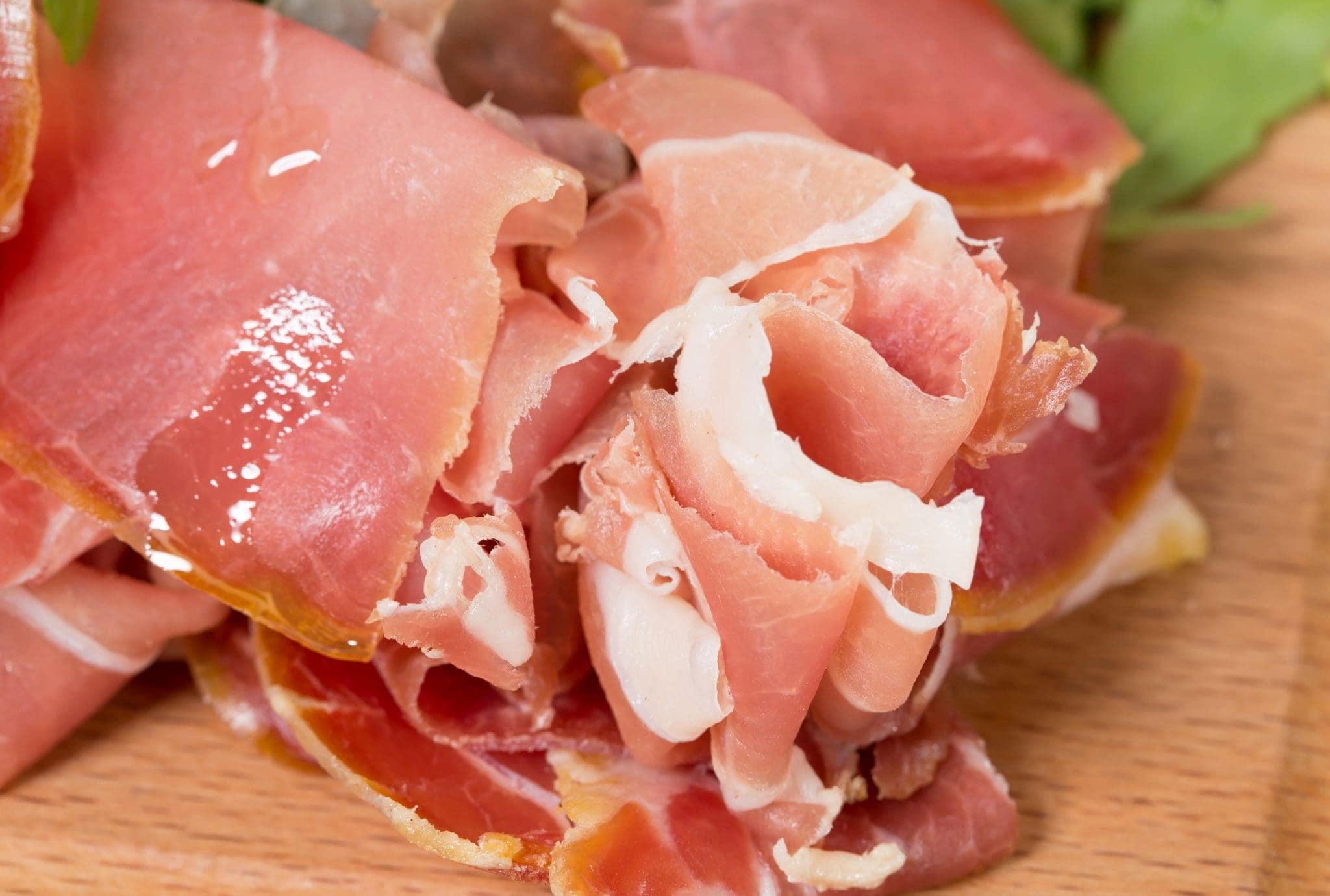
You’re standing in front of a beautiful charcuterie board, and that silky, paper-thin prosciutto is calling your name — but you’re pregnant, and suddenly everything feels like a question mark. It’s one of the most common food dilemmas expectant moms face, and the answer isn’t simply yes or no.
Whether you’re craving it on pizza, wrapped around melon, or draped over a salad, understanding exactly what makes prosciutto risky — and when it’s actually safe — gives you the confidence to make the right call every time. Here’s everything you need to know, trimester by trimester, bite by bite.
The Short Answer
Cold, uncooked prosciutto? Skip it. Thoroughly cooked prosciutto? Generally safe. That’s the bottom line — but the details matter a lot.
You should avoid uncooked prosciutto during pregnancy due to the risk of foodborne illness. However, cooked prosciutto — heated to steaming hot — is generally considered safe. The distinction between raw and cooked is everything when you’re pregnant.
Prosciutto is a type of dry-cured Italian ham typically made from the hind leg of a pig. There are two common varieties: prosciutto crudo, the raw, uncooked version which is aged and air-dried for months (or even years) and served cold in thin slices; and prosciutto cotto, the cooked version that resembles traditional deli ham, which is considered safe in pregnancy when fully heated.
Most of the prosciutto you find on charcuterie boards or in gourmet sandwiches is prosciutto crudo — which is the one to be careful with when you’re expecting. So if you’re at a party eyeing that meat board, now you know which one to pass on.
Pro Tip: When dining out, don’t be shy about asking your server whether the prosciutto on a dish is raw or cooked — and whether it was added before or after the heat source. It’s a quick question that makes a big difference.
Why It’s a Concern
The concern with prosciutto during pregnancy comes down to a few specific pathogens that your immune system is less equipped to fight right now. Pregnancy naturally alters your immune response, which is great for protecting your baby — but it also makes you more vulnerable to certain bacteria and parasites.
Because it’s dry-cured and not cooked, prosciutto can carry harmful bacteria and parasites that your immune system is less equipped to handle during pregnancy. The three main threats are:
- Listeria monocytogenes: A type of bacteria that can thrive in cold environments, including your refrigerator. Even prosciutto stored in the refrigerator may carry risk, as Listeria can grow at low temperatures.
- Toxoplasma gondii: The way prosciutto is prepared doesn’t guarantee it will be free of infection-causing bacteria, like Brucella (which can lead to brucellosis) and Toxoplasma gondii (which causes toxoplasmosis).
- Cross-contamination risks: Cross-contamination with bacteria can occur through cutting boards, utensils, or surfaces shared with raw meat. Buffet-style serving or leaving prosciutto unrefrigerated at parties or picnics can allow bacteria to multiply rapidly. Some delis may slice prosciutto alongside other cold cuts on the same equipment without cleaning in between.
Pregnant women are about 10 times more likely to get listeriosis than other healthy adults. Because immune systems are altered during pregnancy, it is harder for pregnant women to fight off infections.
Listeriosis is a serious infection that can be particularly harmful during pregnancy, as it may lead to miscarriage, stillbirth, or severe illness in a newborn baby. Unlike many other foodborne illnesses, listeriosis can even develop after a pregnant woman has given birth.
Beyond the bacteria, cured meats are very high in salt, which is necessary for the preservation and curing process. High-salt foods should ideally be avoided during pregnancy, especially if you suffer from hypertension (high blood pressure). And excessive sodium consumption can lead to hypertension, a condition that can have serious implications during pregnancy, including preeclampsia, a potentially life-threatening condition characterized by high blood pressure and damage to organs such as the liver and kidneys.
Important Note: Even if prosciutto looks and smells perfectly fine, Listeria produces no visible signs of contamination. You cannot tell by looking whether cold-cured meat is safe — which is exactly why heat is the only reliable safeguard.
What the Research Actually Says
The guidance on prosciutto during pregnancy is consistent across major health organizations — and it aligns with what the research shows about foodborne illness risk in cured meats.
The Centers for Disease Control and Prevention (CDC) strongly recommends that pregnant women should avoid cured meats such as prosciutto unless they have been heated to a steaming hot temperature. The American Pregnancy Association further echoes this advice, providing a comprehensive list of foods to approach with caution during pregnancy, emphasizing that high cooking temperatures can effectively eliminate the risk.
The CDC issued a warning in 2021 that deli meats, including prosciutto, were linked to a listeria infection outbreak. While this is a rare occurrence, it is still a good idea to be aware of the risks involved with eating cold cured meats. In 2021 and 2022, multistate listeria outbreaks were linked to deli meat, including prosciutto. One person in the 2022 outbreaks got sick during pregnancy, resulting in a pregnancy loss.
That said, it’s important to keep the risk in perspective. While foodborne illness is possible from cured meat, it’s still relatively rare. The salt and other processes used to cure the meat usually inhibit bacterial growth. Correctly cured and handled prosciutto carries very low risk of causing foodborne illness, but it is still recommended that pregnant women avoid raw prosciutto.
There is also an interesting nuance from Italy itself: Prosciutto di San Daniele is produced only with selected pork legs and sea salt, and prolonged storage in refrigerated cells at a controlled temperature cancels the action of Toxoplasma. The Italian Istituto Superiore di Sanità declares the wholesomeness and safety of salted and seasoned meats for a period of more than 30 days. However, this refers specifically to one highly regulated PDO product — not the prosciutto you’d typically find at a deli counter in the U.S. or elsewhere outside Italy.
You can explore the broader landscape of foods and beverages to avoid during pregnancy for a full picture of what the research recommends beyond just cured meats.
Key Insight: The risk isn’t just about the prosciutto itself — it’s also about how it was handled, stored, and served. Even a high-quality product can become unsafe through improper handling after packaging.
How to Eat It Safely
Good news: you don’t have to give up prosciutto entirely for nine months. Cooked prosciutto is safe to eat during pregnancy — as long as it’s heated thoroughly. Cooking kills both Listeria and Toxoplasma. The USDA recommends heating meats to an internal temperature of at least 165°F (74°C) to destroy harmful microbes.
Use a reliable food thermometer and ensure it reaches a temperature of 145°F (60–65°C). Steam is a good sign that it reached the correct temperature, but it’s always best to check your temperature with a thermocouple thermometer, which gives a reading within 2–5 seconds and can be used for thin food.
Here are the safest and most delicious ways to enjoy prosciutto while pregnant:
- Baked on pizza: Make sure it is cooked till steaming hot, as some pizza places put warm or cold prosciutto slices on top of a pizza after cooking. Check with the restaurant before ordering.
- Pan-crisped in pasta: Crisp prosciutto in a skillet and toss it with warm noodles or creamy sauces, or try pan-frying prosciutto and adding it to omelets, frittatas, or scrambled eggs.
- Prosciutto chips: Bake thin slices in the oven until crisp — they’re great in salads or on soups.
- Roasted with vegetables: Wrap prosciutto slices around asparagus spears, drizzle with olive oil, and roast in the oven until the asparagus is tender and the prosciutto is crisp.
- Grilled as an appetizer: Wrap prosciutto slices around nectarine halves and grill on a griddle pan until sizzling.
Caution: If you’re eating prosciutto as a topping added after cooking (like on a pizza pulled from the oven), it needs to be reheated again until steaming to ensure safety.
Trimester considerations: The risk is consistent throughout all three trimesters — raw prosciutto is off the table in the first, second, and third trimester alike. The CDC strongly recommends that pregnant women avoid cured meats such as prosciutto unless they have been heated to a steaming hot temperature, because such meats can harbor harmful bacteria like listeria, which has the potential to cause serious infections that may endanger the pregnancy, particularly in the third trimester. Deli meats can be eaten any time during pregnancy provided they are cooked thoroughly.
For broader guidance on how food preservatives and curing agents work, it helps to understand why salt alone isn’t a guarantee of safety.
Common Mistake: Many people assume that pre-packaged, vacuum-sealed prosciutto from the supermarket is safe because it’s sealed for freshness. The meat is still not cooked and is unsafe to eat while pregnant — packaging protects against spoilage, not bacterial contamination.
When to Avoid It Completely
Even cooked prosciutto should be skipped in certain situations. There are specific situations when eating prosciutto — cooked or not — should be off the table.
- At buffets or parties: Buffet-style serving or leaving prosciutto unrefrigerated at parties or picnics can allow bacteria to multiply rapidly. If it’s been sitting out, skip it.
- From deli counters with shared slicers: Pregnant women are advised against eating cold prosciutto, especially from restaurants or deli counters where there may be a higher risk of cross-contamination.
- If you have a compromised immune system: If you have diabetes, HIV, or are on steroid therapy which causes your immune system to be weakened, your risk of infection is even greater. In these cases, even cooked prosciutto warrants extra caution and a conversation with your doctor.
- When you can’t verify how it was cooked: If a restaurant adds prosciutto after cooking and can’t confirm it was reheated thoroughly, it’s not worth the risk.
- If there’s been a recall: Pregnant women should avoid eating deli meats that have been recalled due to listeria contamination. Check the FDA recall database if you’re unsure.
Listeria can cause listeriosis, a serious type of food poisoning that can be especially scary during pregnancy, as it increases the risk of miscarriage, stillbirth, and preterm labor. Some foodborne illnesses, such as Listeria and Toxoplasma gondii, can infect the fetus even if the mother does not feel sick. That last point is particularly important — you may feel completely fine while your baby is being affected.
If you accidentally ate cold prosciutto, don’t panic. If there are no symptoms, you do not need to immediately contact your doctor, but consider informing your healthcare provider at your next prenatal visit. If you do have any symptoms, call your healthcare provider immediately. The common symptoms to look for are vomiting, stomach cramps, nausea, diarrhea, and a fever.
Keeping a well-balanced diet during pregnancy is key, and understanding the role of whole plant-based foods can help you fill nutritional gaps whenever you’re skipping higher-risk options like cured meats.
Quick Reference Chart
| Prosciutto Type / Situation | Safety Status | Notes |
|---|---|---|
| Prosciutto crudo (cold, raw, uncooked) | ❌ Unsafe | Risk of Listeria and Toxoplasma; avoid entirely when cold |
| Prosciutto cotto (cooked ham variety) | ✅ Safe (when hot) | Must be fully heated until steaming; not eaten cold |
| Prosciutto cooked on pizza (baked through) | ✅ Safe | Must be baked on pizza, not added after; verify with restaurant |
| Prosciutto crisped in a pan or oven | ✅ Safe | Heated to 165°F (74°C) internal temp; use food thermometer |
| Pre-packaged, vacuum-sealed prosciutto (cold) | ❌ Unsafe | Packaging does not eliminate bacterial risk; must be cooked first |
| Prosciutto from a deli counter (cold-sliced) | ❌ Unsafe | Higher cross-contamination risk from shared slicers |
| Prosciutto at a buffet or left at room temperature | ❌ Unsafe | Bacteria multiply rapidly at room temperature; skip entirely |
| Prosciutto added cold on top of a hot dish | ⚠️ Caution | Must be reheated again until steaming — residual heat is not enough |
| Any prosciutto if you have a weakened immune system | ⚠️ Caution | Consult your healthcare provider before eating even cooked varieties |
Frequently Asked Questions
What happens if I accidentally ate cold prosciutto while pregnant?
If you accidentally eat uncooked prosciutto while pregnant, rest assured — while foodborne illness is possible from cured meat, it’s still relatively rare. The salt and other processes used to cure the meat usually inhibit bacterial growth. Monitor yourself for symptoms like fever, nausea, stomach cramps, or diarrhea. If there are no symptoms, you do not need to immediately contact your doctor, but consider informing your healthcare provider at your next prenatal visit. If you do have any of the symptoms, call your healthcare provider immediately.
Is prosciutto on pizza safe during pregnancy?
Yes — but only if it was baked on the pizza throughout the cooking process, not added afterward. If you’re eating prosciutto as a topping added after cooking (like on a pizza pulled from the oven), it needs to be reheated again until steaming to ensure safety. Always confirm with the restaurant how it’s prepared.
Can I eat prosciutto in the first trimester?
It’s not safe to eat prosciutto during the first trimester. Prosciutto is a type of cured meat and may contain harmful bacteria like Listeria, which can pose serious risks to both the mother and developing baby. Always prioritize fully cooked meats during pregnancy. The earlier in pregnancy the infection occurs, the more severe the consequences can be.
Is Parma ham the same as prosciutto, and is it also off-limits?
Parma ham may also be used to refer to prosciutto. It is a form of prosciutto crudo and carries the same risks during pregnancy. Raw or dry-cured varieties — Parma ham, Serrano ham, prosciutto, chorizo, bresaola, coppa, pancetta — are particularly notorious when it comes to pregnancy food safety. The same cook-before-eating rule applies.
What are the best pregnancy-safe alternatives to prosciutto?
If you’re missing that distinctive saltiness and umami flavor, you’re not out of options. Bacon offers a similar salty crunch when cooked to a crisp — opt for nitrate-free varieties and always cook until sizzling hot. Turkey bacon is a leaner option with less fat and a similar flavor profile. Ham and other deli meats are fine during pregnancy if heated until steaming — you can microwave them, pan-sear them, or bake them into casseroles or hot sandwiches. Plant-based deli slices made from tofu, tempeh, or wheat protein pose no risk of listeria or toxoplasmosis — look for seasoned varieties that mimic prosciutto or salami flavors.
Does cooking prosciutto change its flavor significantly?
Cooked prosciutto does taste different from the delicate, melt-in-your-mouth raw version — it becomes crispier and more intense, similar to bacon. Many people actually love the crisped version just as much. It may not taste exactly the same as prosciutto crudo, but the peace of mind is well worth it.
Can I eat nitrate-free prosciutto during pregnancy?
Nitrate-free versions are a better choice in general, but they don’t eliminate the Listeria or Toxoplasma risk. The type of preservative used doesn’t affect bacterial survival — only heat does. The risk of foodborne illness decreases when foods are thoroughly cooked, so you might be able to get away with having some crispy prosciutto on your salad or risotto from time to time — and try to opt for nitrite/nitrate-free versions if you can find them.
For more on how your diet impacts your overall health during and beyond pregnancy, explore how foods that support brain health and heart-healthy superfoods can complement a pregnancy-safe eating plan. You might also find it helpful to review the pros and cons of eating seafood during pregnancy and how nutrient-rich foods support reproductive health more broadly.
Key Insight: Pregnancy nutrition doesn’t have to mean deprivation. With a few smart swaps and a reliable food thermometer, you can keep most of your favorite flavors on the menu — safely.
The bottom line is simple: raw, cold prosciutto is a no during pregnancy, but cooked prosciutto — heated until steaming and verified with a thermometer — is a yes. Registered dietitians recommend that pregnant individuals maintain a balanced diet, rich in essential nutrients while being cautious with cured meats like prosciutto. When in doubt, heat it through, ask questions at restaurants, and check in with your healthcare provider if you’re ever unsure. You’ve got this — one well-informed bite at a time.
This information is for educational purposes only and is not intended as medical advice. Always consult with a qualified healthcare professional before making health decisions during pregnancy.