Can You Eat Sushi While Pregnant? What’s Safe, What’s Not, and How to Order Smart

April 4, 2026
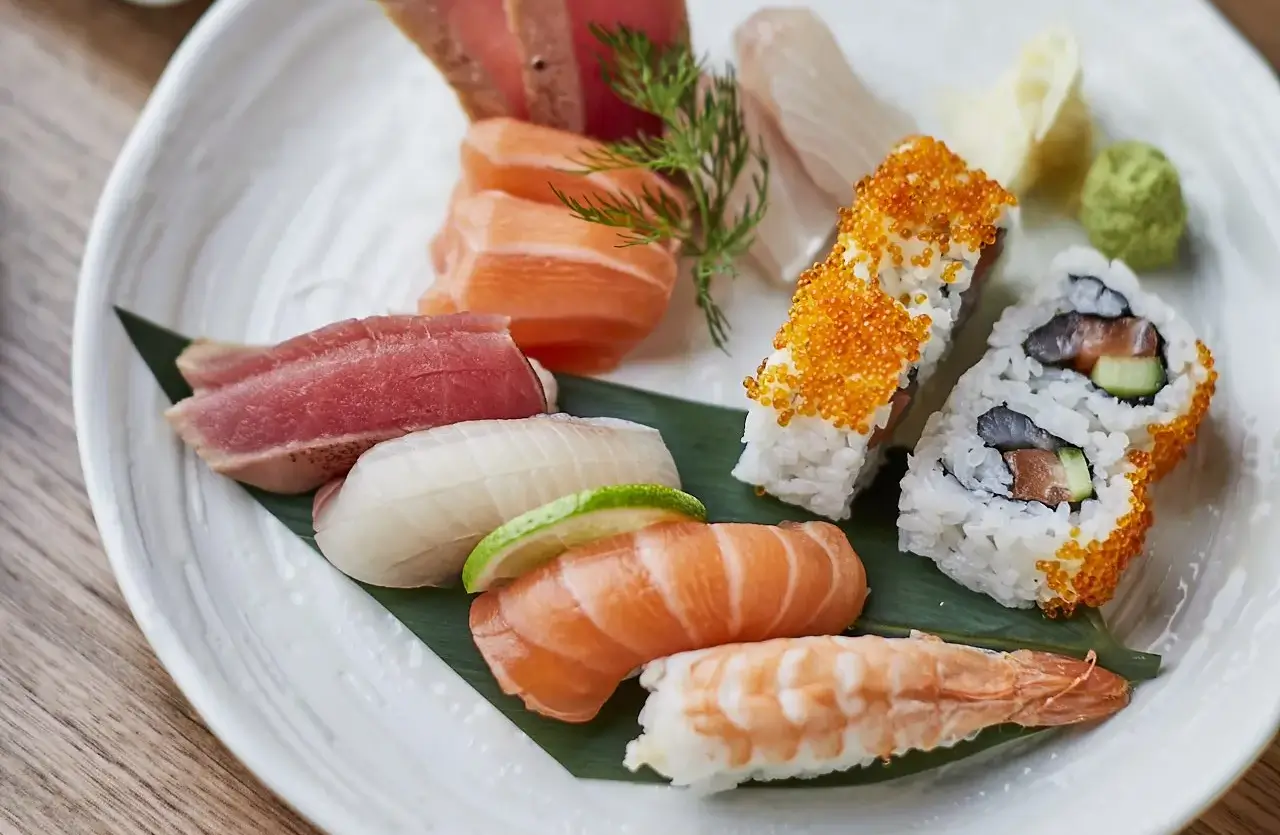
You’re pregnant, you’re craving a spicy tuna roll, and now you’re second-guessing every bite before it even hits your plate. You’re not alone — sushi is one of the most-asked-about foods during pregnancy, and the advice out there can feel maddeningly mixed.
Here’s the truth: sushi isn’t automatically off the table when you’re expecting. But the type of sushi you choose matters enormously. This guide cuts through the confusion with clear, research-backed answers so you can make confident, informed choices — whether you’re at a restaurant, grabbing a grocery store roll, or just trying to survive a craving at 11 p.m.
Key Insight: The real issue during pregnancy isn’t sushi itself — it’s specific ingredients like raw fish, high-mercury seafood, and cross-contamination risks. Remove those, and sushi can absolutely be part of a healthy pregnancy diet.
The Short Answer
Yes, you can eat sushi while pregnant — but the sushi should be cooked and contain low-mercury seafood. The typical raw-fish sushi is, unfortunately, out. That means sashimi, spicy tuna rolls, and raw salmon nigiri are on pause for now.
The main concern isn’t sushi as a category — it’s which type of sushi and how much. Raw fish sushi is risky, while cooked and vegetarian sushi are safe to eat during pregnancy. Think California rolls, shrimp tempura rolls, cucumber rolls, and eel (unagi) — all on the approved list.
The bottom line: the problem isn’t sushi itself — the actual issues are raw fish, bacteria, parasites, and mercury levels. When you remove those risks, sushi becomes a light and satisfying option that pregnant women can enjoy without worry.
Why It’s a Concern
During pregnancy, your immune system naturally becomes more sensitive to protect your developing baby. Unfortunately, this heightened sensitivity also increases your susceptibility to foodborne illness. Raw fish can carry harmful bacteria, parasites, or high levels of mercury — all of which can pose health risks during pregnancy.
There are three specific dangers worth understanding:
- Listeria: Bacteria — especially Listeria — can lead to miscarriage or stillbirth, as well as newborn death due to infection. Babies born with a Listeria infection could experience effects on the brain and liver, which can bring serious consequences.
- Parasites: Some raw fish contains parasites like Anisakis, which can cause severe abdominal pain and digestive issues. A parasitic infection can cause stomach pain, nausea, or vomiting — but is usually treatable.
- Mercury: When a pregnant woman is exposed to high levels of mercury, the health of both the baby and mom are threatened. High levels of mercury can cause brain damage, hearing, and vision problems in the baby.
Raw fish can harbor parasites and bacteria that can weaken a pregnant person’s already more-vulnerable immune system and make you more susceptible to infections. This is why the guidance is more cautious for expectant mothers than for the general population.
You can read more about foods and beverages to avoid during pregnancy for a broader look at what to steer clear of while expecting.
Important Note: Even “sushi-grade” fish isn’t a guarantee of safety during pregnancy. “Sushi-grade” is a marketing term, not a regulatory standard. It signals freshness and freezing practices — but it doesn’t eliminate bacterial risk entirely.
What the Research Actually Says
The medical consensus is consistent and comes from multiple authoritative sources. Raw fish, including sushi and sashimi, are more likely to contain parasites or bacteria than fully cooked fish, according to the American College of Obstetricians and Gynecologists (ACOG).
The Centers for Disease Control and Prevention (CDC) advises pregnant women to avoid raw fish entirely. To avoid harmful bacteria or viruses, pregnant women should not eat fish and shellfish that has not been cooked — and that includes oysters, sushi, sashimi, and refrigerated seafood that hasn’t been cooked, such as smoked salmon labeled lox, kippered, or jerky.
The numbers back this up. Of 606 ACOG members surveyed, 82% indicated that eating raw fish is not safe during pregnancy. However, only 19% knew that thorough freezing kills parasites in fish — a nuance that’s rarely communicated to patients.
That said, the research also makes clear that fish itself is not the enemy. Fish can be a great source of omega-3 fatty acids, which are important for fetal brain development. You don’t have to cut fish entirely from your diet — just eat it safely. Eating average amounts of seafood containing low levels of mercury during pregnancy hasn’t been shown to cause problems. And the omega-3 fatty acids in many types of fish can promote a baby’s healthy brain development — as long as you avoid fish known to be high in mercury or contaminated with pollutants.
Learn more about the pros and cons of eating seafood to get the full picture on fish as part of a healthy diet.
Pro Tip: The NHS and FDA both recommend that pregnant women avoid raw fish not because of certainty of harm, but because the potential consequences are serious and the risk is easily avoided by choosing cooked alternatives. It’s a precautionary approach, not a panic-inducing one.
How to Do It Safely
Good news: with the right choices, you can still enjoy a satisfying sushi experience throughout your pregnancy. Here’s exactly how to do it.
Choose Cooked or Vegetarian Rolls
You can eat some sushi rolls while pregnant. Sushi that is cooked (with seafood) in addition to vegetable rolls are safe for pregnant women to consume. Some great options to order with confidence include:
- California rolls — imitation crab (surimi), avocado, cucumber: Imitation crab is cooked, which is why it falls in the pregnancy-friendly sushi category.
- Shrimp tempura rolls — contain deep-fried shrimp, often with avocado, cucumber, and spicy mayo. The shrimp is fully cooked during frying — safe to eat.
- Vegetable rolls — sweet potato, avocado, cucumber, and carrots are all a go.
- Eel (Unagi) — always served cooked and glazed with sweet sauce. Safe and delicious.
- Tamago (egg omelet) — a sweet, layered Japanese omelet typically served over rice or inside rolls. Because it’s fully cooked, it’s safe for pregnant women. Just make sure the egg is cooked thoroughly, as partially cooked eggs can pose a risk.
- Cooked shrimp rolls — shrimp is low in mercury and high in protein, making it an excellent choice for expectant mothers.
Know Your Mercury Limits
The key is moderation — no more than two to three 4-ounce servings of low-mercury fish per week. Shrimp, crab, imitation crab, salmon, eel, octopus, and certain types of roe (salmon, sea urchin, and flying fish) are all acceptable. You can eat up to 8 to 12 ounces of low-mercury seafood each week.
The U.S. Food and Drug Administration (FDA) classifies fish as “best choice,” “good choice,” and “choices to avoid” when it comes to mercury levels. Checking that list before you order is a quick, smart habit to build.
Watch Out for Cross-Contamination
Even a cooked roll can become a risk if it’s prepared carelessly. Make sure you’re getting your sushi from a reputable restaurant or vendor that follows food safety standards. Cross-contamination with raw fish can be an issue — if they prep a veggie roll on the same surface where they prep raw fish rolls, you could get exposed to exactly what you’re trying to avoid.
When eating out, always ask about the ingredients in a sushi roll, and make sure to specify that you can’t eat any raw fish. Most restaurants are happy to accommodate.
Be Careful with Packaged Sushi
It’s also wise to avoid buffet sushi or rolls that have sat out, as temperature control is crucial to preventing bacterial growth. Be especially careful with packaged sushi from grocery stores, which may have been left at room temperature for an extended period of time.
Trimester Considerations
The risks of raw fish and listeria are present throughout all three trimesters — it’s recommended that women immediately stop eating raw or undercooked fish once they learn they’re pregnant. It’s not a bad idea to adjust if you’re trying to conceive, too. There’s no trimester window where raw sushi becomes safe. The cooked-only approach applies from conception through delivery.
For a deeper look at how nutrition supports your body during this time, explore these powerful nutrients and foods that support overall health and immunity.
Pro Tip: In pregnancy, stick to cooked seafood, veggies, or imitation crab sushi and avoid raw sushi completely. You can spread your servings across the week, enjoying pregnancy-safe sushi once or twice a week without any guilt or health risk.
When to Avoid It Completely
Some sushi situations are a hard no during pregnancy, regardless of how fresh the fish is or how reputable the restaurant seems.
Raw Fish of Any Kind
During pregnancy, it’s best to avoid any sushi with raw or undercooked (seared) fish to limit potential exposure to bacteria and parasites. That includes:
- Sashimi (any variety)
- Raw tuna rolls (spicy tuna, tuna nigiri)
- Raw salmon rolls or nigiri
- Any roll described as “seared” — searing doesn’t fully cook the fish
- Rainbow rolls (raw fish layered on top)
And don’t try to pick the raw fish off a roll. You cannot simply avoid the raw fish on top because the entire roll has been prepared together, and cross-contamination is likely.
High-Mercury Fish (Even When Cooked)
Mercury is a concern whether the fish is raw or cooked. Avoiding mercury in your sushi starts with passing on rolls made from certain types of fish known to have higher levels of mercury. Those tend to be larger, predatory fish that eat smaller fish to accumulate more mercury in their bodies. Avoid these entirely during pregnancy:
- Swordfish
- King mackerel
- Shark
- Tilefish
- Bigeye tuna
To reduce your exposure, avoid or seriously limit sushi containing these types of fish, advises the American Pregnancy Association. Don’t eat more than 6 ounces of albacore tuna per week.
Smoked or Cured Seafood
Cold-smoked salmon is not fully cooked and carries a potential Listeria risk. To avoid harmful bacteria or viruses, don’t eat fish and shellfish that has not been cooked — and that includes refrigerated seafood labeled nova style, lox, kippered, smoked, or jerky.
Sauces Made with Raw Eggs
Spicy mayo or other sauces with raw eggs can be a concern — although most commercial restaurants use pasteurized mayo, homemade versions may contain raw eggs. When in doubt, ask.
Check out this comprehensive guide to foods and beverages to avoid during pregnancy for a complete reference you can bookmark and share.
Common Mistake: Assuming “sushi-grade” means safe for pregnancy. That label refers to freezing standards that reduce (but don’t eliminate) parasites — it says nothing about bacterial risk like Listeria, which is the bigger concern during pregnancy.
Quick Reference Chart
Use this at-a-glance table the next time you’re at a sushi restaurant or scrolling a delivery menu. When in doubt, ask your server — most restaurants are happy to help.
| Sushi Type / Ingredient | Status During Pregnancy | Why |
|---|---|---|
| California roll (imitation crab) | ✅ Safe | Fully cooked, low mercury |
| Shrimp tempura roll | ✅ Safe | Deep-fried, fully cooked, low mercury |
| Vegetable rolls (cucumber, avocado, sweet potato) | ✅ Safe | No fish, no mercury risk |
| Eel (Unagi) roll | ✅ Safe | Always served cooked and glazed |
| Tamago (egg omelet) roll | ✅ Safe | Fully cooked egg, no raw fish |
| Cooked shrimp roll | ✅ Safe | Low mercury, high protein |
| Cooked salmon roll | ✅ Safe | Low mercury, rich in omega-3s when fully cooked |
| Spider roll (soft shell crab tempura) | ✅ Safe | Fully cooked via deep-frying |
| Spicy tuna roll | ❌ Avoid | Raw tuna, high mercury risk |
| Salmon sashimi / nigiri | ❌ Avoid | Raw fish, Listeria and parasite risk |
| Swordfish, king mackerel, shark rolls | ❌ Avoid | Very high mercury — even when cooked |
| Rainbow roll | ❌ Avoid | Raw fish on top; cross-contamination risk throughout |
| Smoked salmon (lox, nova style) | ❌ Avoid | Not fully cooked, Listeria risk |
| Seared tuna or salmon | ❌ Avoid | Not fully cooked internally |
| Albacore (white) tuna roll | ⚠️ With Caution | Higher mercury than light tuna; limit to 6 oz/week |
| Buffet sushi / pre-packaged grocery store sushi | ⚠️ With Caution | Temperature control issues; check ingredients carefully |
| Rolls with house-made spicy mayo | ⚠️ With Caution | May contain raw egg if homemade; ask first |
For more on how seafood fits into a broader healthy diet, this overview of the pros and cons of eating seafood is worth a read. And if you’re thinking about foods that support your baby’s development, check out these foods that boost brain health and function — many of which are safe and beneficial during pregnancy.
Frequently Asked Questions
Can I eat a California roll while pregnant?
Yes. California rolls are made with imitation crab (surimi), which is fully cooked. Imitation crab is cooked, which is why it falls in the pregnancy-friendly sushi category. Just confirm with your server that no raw fish has been added, and that the roll wasn’t prepared on a surface shared with raw fish.
What if I accidentally ate raw sushi before I knew I was pregnant?
First, take a breath. One accidental exposure to raw fish is unlikely to cause harm. Monitor for symptoms like nausea, vomiting, diarrhea, fever, or muscle aches over the next few days, stay hydrated, and contact your midwife or doctor if symptoms develop — especially fever. Don’t panic; inform your provider so they can advise on any testing if needed.
Is sushi safe in the first trimester?
It’s recommended that women immediately stop eating raw or undercooked fish once they learn they’re pregnant. Cooked sushi, however, is safe throughout all three trimesters — including the first. The rules don’t change by trimester; the same guidelines apply from conception onward.
Can I eat sushi from a grocery store while pregnant?
With caution. Check refrigeration (sushi should be stored at 5°C or below), respect use-by dates (sushi has a short shelf life — never eat past the date), read ingredients carefully (“seafood mix” might include raw fish), and stick to cooked options like cooked prawn or chicken sushi. Avoid anything that looks or smells off.
How much sushi can I eat per week while pregnant?
Current guidelines suggest that pregnant women can safely eat three servings a week — up to 12 ounces total — of shrimp, salmon, catfish, and other fatty fish. Stick to cooked seafood, veggie, or imitation crab sushi, and you can enjoy pregnancy-safe sushi once or twice a week without any guilt or health risk.
Is imitation crab (surimi) safe during pregnancy?
Yes. Since imitation crab meat is cooked and made from lower-mercury fish, it’s generally considered safe for a pregnant woman to eat. It’s one of the most reliable sushi ingredients to look for when ordering during pregnancy.
Can I eat sushi if I’m trying to conceive?
It’s recommended that women stop eating raw or undercooked fish once they learn they’re pregnant. It’s not a bad idea to adjust if you’re trying to conceive, too. Switching to cooked sushi options before you conceive is a safe and simple step to take.
For more guidance on nourishing your body well, explore these resources on superfoods for a healthy heart, whole plant-based foods, and fibroid-healing foods — all relevant to building a strong nutritional foundation during and beyond pregnancy.
Important Note: This article is for educational purposes only and is not intended as medical advice. Always consult with your OB-GYN, midwife, or a registered dietitian before making dietary decisions during pregnancy, especially if you have specific health concerns or a high-risk pregnancy.