Can You Eat Runny Eggs While Pregnant? What You Actually Need to Know

April 7, 2026
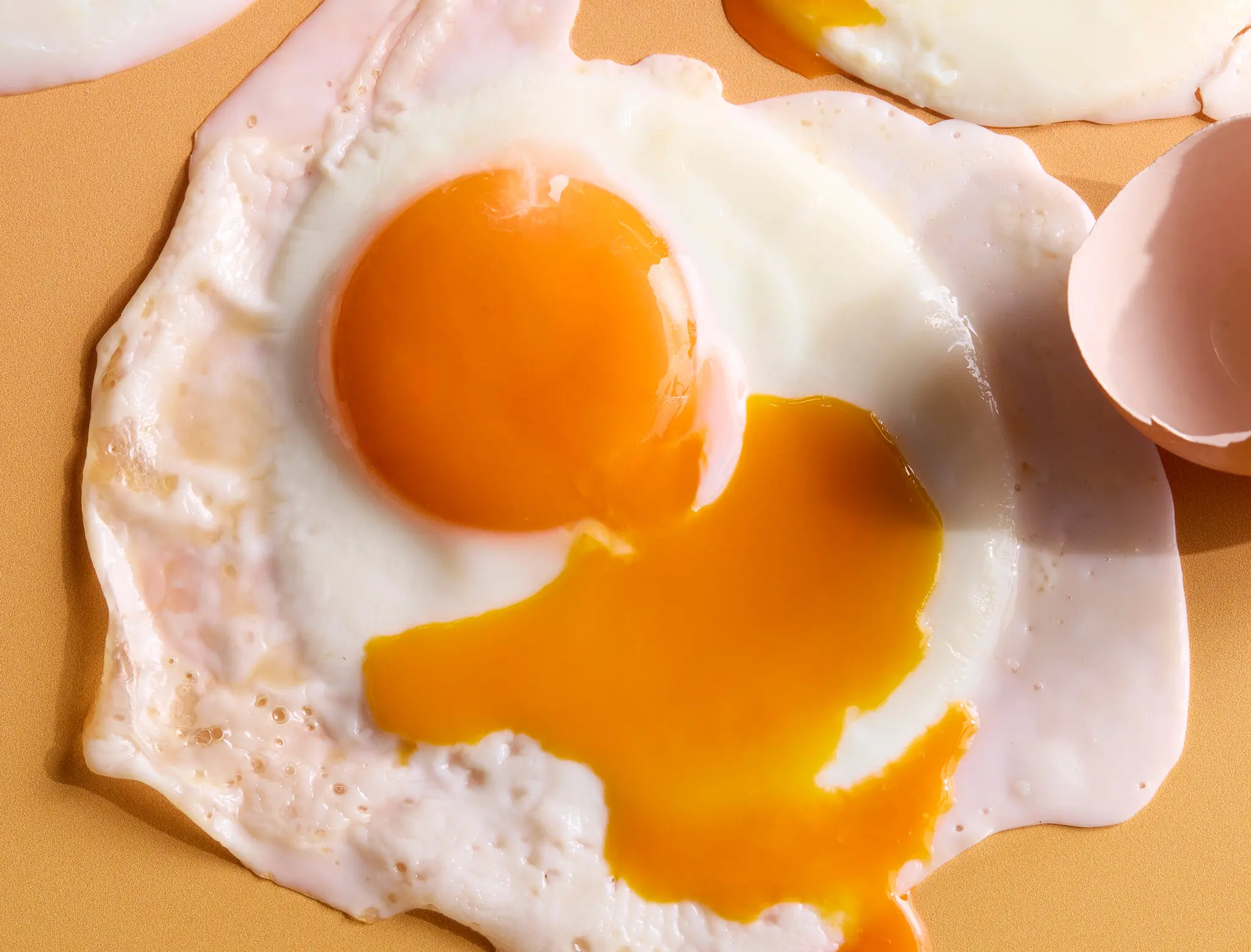
That glossy, golden yolk dripping over toast used to be your go-to breakfast — and now you’re pregnant and wondering whether it’s off the table for the next nine months. You’re not alone in asking this question, and the good news is that the answer isn’t a flat-out no.
Whether you’re in the U.S., the U.K., or anywhere in between, the guidance on runny eggs during pregnancy depends heavily on where your eggs come from, how they’re prepared, and what your individual health picture looks like. This article breaks it all down clearly so you can make a confident, informed decision — no anxiety required.
Key Insight: The answer to “can you eat runny eggs while pregnant?” is nuanced — it depends on egg type, country of origin, and preparation method. Read on for the full picture.
The Short Answer
It depends — but for many pregnant women, runny eggs can be eaten safely with the right precautions in place.
In the United Kingdom, yes, you can eat runny eggs when pregnant. The Food Standards Agency (FSA) says that British Lion eggs can safely be eaten runny or raw in pregnancy. After a year-long review by the Advisory Committee on the Microbiological Safety of Food, the FSA declared British Lion Eggs safe to eat, even when raw, by pregnant women and young children — due to increased hygiene, transportation standards, and a vaccination programme for British hens.
In the United States, the guidance is more cautious. Pregnant people have a weaker immune system, meaning harm could come to you or your baby from consuming unpasteurized or undercooked food. The short answer is yes, eggs are safe to eat during pregnancy — as long as they’re pasteurized and cooked. The key is safe preparation.
So: runny eggs aren’t automatically forbidden during pregnancy, but they do come with conditions. Keep reading — the details matter a lot here.
Why It’s a Concern
The core concern with runny eggs during pregnancy isn’t the egg itself — it’s the bacteria that can survive inside an undercooked one. Understanding the risk helps you put it in proper perspective.
Salmonella: The Main Culprit
The main issue with runny eggs is bacteria that can be present on the shell or inside the egg. If the egg is not cooked enough, those germs can survive. The one that gets mentioned most is Salmonella, a common cause of food poisoning linked to raw or undercooked eggs.
Salmonella is a common cause of food poisoning in the United States. Most people infected with Salmonella develop diarrhea, fever, abdominal cramps, and vomiting 12 to 72 hours after infection. Symptoms usually last 4 to 7 days and most people get better without treatment. However, in some people, the diarrhea may be so severe that they need to be hospitalized.
Why Pregnancy Changes the Risk Equation
Immune system changes in pregnant women place the women themselves, their unborn children, and their newborns at increased risk of foodborne illness. These illnesses can be worse during pregnancy and may lead to miscarriage or premature delivery.
Salmonella can cause diarrhea, fever, stomach cramps, and vomiting. Dehydration can become a bigger deal during pregnancy, since nausea and lower appetite may already be in the mix.
In rare but serious cases, the risks go beyond an upset stomach. In about 4% of cases, Salmonella can cause bacteremia, a condition where bacteria enter the bloodstream and can lead to serious illness or even death in the woman who is pregnant, as well as death of the fetus.
Important Note: Salmonella doesn’t just make you feel miserable — during pregnancy, severe dehydration and infection can affect your baby too. That’s why knowing your egg source matters so much.
You can learn more about which foods and beverages to avoid during pregnancy to keep both you and your baby safe throughout all three trimesters.
What the Research Actually Says
This is where things get genuinely reassuring — especially if you’ve been operating on advice that’s decades out of date.
The Old Guidance vs. The New Reality
At the time of the salmonella and eggs scare in 1988, the Department of Health recommended that recipes for uncooked dishes involving raw eggs should be avoided, and that lightly cooked eggs should not be served to vulnerable groups, including pregnant women. This advice, however, pre-dated the introduction of the British Lion scheme in 1998. The Food Standards Agency reviewed its advice in 2017 and has now confirmed that British Lion eggs can safely be eaten runny, even by pregnant women, babies and elderly people.
Back in 2017, the Food Standards Agency changed its guidance to confirm it is safe for pregnant women to eat raw or runny eggs if they have been produced under the British Lion Code of Practice. In 2021, this guidance extended to eggs produced under the ‘Laid in Britain’ scheme as well.
What U.S. Authorities Say
American guidance takes a more conservative stance. The Centers for Disease Control and Prevention lists undercooked eggs among foods more likely to spread harmful germs during pregnancy. The American College of Obstetricians and Gynecologists also advises avoiding raw and undercooked eggs in its FAQ on Listeria and pregnancy.
The FDA adds important context about egg contamination rates: the issue is Salmonella Enteritidis, a harmful bacterium that can be found in raw eggs. Tasting raw cookie dough or raw cake batter that contains raw eggs is risky. The U.S. Centers for Disease Control and Prevention estimate that one egg in 20,000 may be contaminated. Although the number of eggs affected is small, there have been cases of foodborne illness caused by contaminated eggs.
What Peer-Reviewed Research Adds
A study published in peer-reviewed medical literature offers a more nuanced view. Although heating or cooking food is the best way to inactivate food-borne pathogens, improved standards and surveillance have reduced the prevalence of contaminated foods at grocery stores. Therefore, it is no longer necessary for pregnant women to avoid foods like soft-cooked eggs (associated with Salmonella). The key caveat: eggs must be obtained from reputable sources, stored properly, and consumed within a couple of days of purchase.
Eggs are also genuinely valuable during pregnancy from a nutritional standpoint. Eggs contain 17 different vitamins and nutrients including omega-3 fats and antioxidants, and are a rich source of quality protein. Just one serve of eggs provides 90% of the additional protein requirements women need during pregnancy. That’s a compelling reason not to cut them out unnecessarily.
Explore the broader world of whole egg nutrition to understand just how nutrient-dense eggs are as part of a balanced diet.
How to Eat Runny Eggs Safely During Pregnancy
If you want to enjoy softer-cooked eggs during pregnancy, there are smart, practical ways to reduce your risk significantly. Here’s how to do it right.
Step 1: Choose the Right Eggs
Your egg source is the single most important factor.
- In the U.K.: The current Food Standards Agency advice is that it’s safe to eat raw hen eggs during pregnancy, as long as they bear the British Lion mark. That’s because eggs with the Red Lion mark have been laid by hens which have been vaccinated against salmonella. That means there’s no need to cut out runny, fried or soft-boiled hen eggs from your diet when you’re pregnant.
- In the U.S.: When buying eggs from the supermarket, only purchase eggs that are labeled “pasteurized.” This applies whether you’re purchasing eggs in a carton or powdered egg whites for baking.
- In Australia: It is safe for pregnant women to eat eggs as long as the eggs are completely cooked or pasteurised. The New South Wales government advises women can eat eggs if they have been cooked thoroughly to at least 71°C.
- Avoid non-certified eggs: This safety seal of approval does not extend to other eggs, such as duck, quail, goose or pigeon, which are not considered safe raw or lightly cooked.
Step 2: Cook with Confidence Using These Guidelines
If you’re more comfortable cooking eggs well (or if you don’t have access to certified eggs), follow these guidelines: boiled eggs — a medium-sized egg should be boiled for at least 7 minutes; poached eggs — the egg white should be completely set and opaque and the yolk should be firm, requiring poaching for around 5 minutes for a medium-sized egg.
Cook eggs thoroughly until the yolks and whites are firm. Cook scrambled eggs until they’re firm throughout. Cook fried eggs for 2 to 3 minutes on each side, or cook 4 minutes in a covered pan.
Pro Tip: If you’re using pasteurized eggs in the U.S. and still want a softer yolk, cook the whites fully and keep the yolk slightly runny. Think of it as “lower risk” — not “no risk” — and decide what feels right for you.
Step 3: Handle and Store Eggs Properly
Safe prep goes beyond just cooking time. Avoid eggs with cracked or dirty shells. Store your eggs in the fridge, inside the carton that you bought them. Do not store your eggs in a bowl alongside other foods — keep them separate. Eat hard-boiled eggs within three days of boiling. Eat other leftover egg dishes within 24 hours of cooking.
Step 4: Be Extra Careful When Eating Out
Restaurants add wild cards around food handling and speed. A busy kitchen can do everything right, yet eggs may sit cracked in a container, hit a lukewarm pan during a rush, or share surfaces with raw meat. When in doubt at a restaurant, order your eggs fully cooked.
If you’re eating out and you can’t guarantee the eggs you’re eating are Lion-marked, then it’s best to avoid dishes with soft cooked or raw eggs.
Hidden Sources of Raw Egg to Watch Out For
Runny yolks aren’t the only way undercooked egg sneaks into your diet. Homemade foods that often contain raw eggs include mayonnaise and salad dressings, custards and ice creams, and raw cookie dough and cake batter.
Note: commercial mayonnaise, dressing, and sauces contain pasteurized eggs that are safe to eat. So your store-bought mayo is fine — it’s the homemade versions that carry the risk.
For a broader look at how diet impacts your health during and beyond pregnancy, check out these whole plant-based foods that complement an egg-inclusive pregnancy diet beautifully.
When to Avoid Runny Eggs Completely
Even with all the right precautions in place, there are situations where you should skip the runny yolk entirely — no exceptions.
- You don’t know the egg source. If you’re at a restaurant, a friend’s house, or traveling abroad and can’t confirm the eggs are certified (Lion-marked in the U.K.) or pasteurized (in the U.S.), order them fully cooked.
- The eggs are not from hen (chicken). All other types of eggs — including duck, goose and quail eggs — should be cooked thoroughly until both the whites and yolks are solid.
- You have a compromised immune system or underlying condition. Certain people are at greater risk for severe illness and include children, older adults, pregnant women, and people with weakened immune systems (such as transplant patients and individuals with HIV/AIDS, cancer, and diabetes). If you fall into a higher-risk category, err on the side of fully cooked.
- The eggs have cracked shells or are past their best-before date. Never use an egg which has a cracked or damaged shell.
- You’re preparing homemade dishes with raw egg. Pregnant women should be aware to avoid raw eggs in foods such as aioli, homemade mayonnaise, cake batter or mousse.
Common Mistake: Many pregnant women worry about store-bought mayo but don’t think twice about homemade hollandaise or Caesar dressing at a restaurant. These are far riskier — always ask about the egg source before ordering.
Pair your egg-safe pregnancy diet with an understanding of other pros and cons of eating seafood during pregnancy, another nutrient-rich food category that comes with its own set of guidelines.
It’s also worth building a broader picture of foods that boost brain health, since many of the same nutrients found in eggs — like choline and omega-3s — are critical for your baby’s neurological development.
Quick Reference Chart
Use this at-a-glance guide to quickly assess your egg choices during pregnancy. Keep in mind that U.K. and U.S. guidelines differ — the chart reflects both.
| Egg Type / Situation | U.K. (British Lion / Laid in Britain) | U.S. (Standard Supermarket) | Verdict |
|---|---|---|---|
| Soft-boiled / runny yolk — certified eggs | ✅ Safe | ⚠️ Use pasteurized only | Safe with conditions |
| Fully hard-boiled egg | ✅ Safe | ✅ Safe | Always safe |
| Scrambled eggs (fully cooked, no moist streaks) | ✅ Safe | ✅ Safe | Always safe |
| Fried egg (yolk fully set) | ✅ Safe | ✅ Safe | Always safe |
| Sunny-side up / over-easy (runny yolk, non-certified) | ⚠️ Only if Lion-marked | ❌ Avoid | Avoid unless certified |
| Poached egg (firm white, slightly soft yolk — certified) | ✅ Safe | ⚠️ Use pasteurized only | Safe with conditions |
| Duck, quail, goose, or other non-hen eggs | ❌ Must be fully cooked | ❌ Must be fully cooked | Always fully cook |
| Homemade mayo, hollandaise, mousse (raw egg) | ⚠️ Lion-marked eggs only | ❌ Avoid unless pasteurized egg used | Avoid unless certified/pasteurized |
| Store-bought mayo, dressings, sauces | ✅ Safe (pasteurized) | ✅ Safe (pasteurized) | Always safe |
| Eggs from a restaurant (unknown source) | ⚠️ Order fully cooked | ⚠️ Order fully cooked | Order fully cooked to be safe |
| Backyard / farm eggs (uncertified) | ❌ Must be fully cooked | ❌ Must be fully cooked | Always fully cook |
For a deeper dive into the nutritional power eggs bring to your pregnancy plate, explore this overview of powerful nutrients found in whole foods — many of which overlap with what makes eggs so valuable.
And if you’re thinking beyond eggs and building a full pregnancy-friendly diet, this guide to superfoods for a healthy heart offers excellent ideas for nutrient-dense choices that support both you and your growing baby.
Frequently Asked Questions
Can I eat runny eggs in the first trimester?
The same rules apply throughout all three trimesters — it’s not about timing, it’s about egg certification and preparation method. From the first trimester to the third trimester, eggs serve as a powerful source of strength and development for both mother and baby. If you have certified or pasteurized eggs and prepare them safely, a soft yolk is fine at any stage.
What happens if I accidentally ate a runny egg while pregnant?
Don’t panic. The CDC estimates that one egg in 20,000 may be contaminated. Although the number of eggs affected is small, there have been cases of foodborne illness caused by contaminated eggs. If you feel fine, you’re most likely fine. Watch for symptoms like diarrhea, fever, or stomach cramps over the next 12–72 hours, and contact your healthcare provider if anything develops.
Are pasteurized eggs the same as regular eggs?
Pasteurized eggs have been heated to a high enough temperature for a long enough time to kill Salmonella. You can find fresh, pasteurized eggs in the shell in the refrigerator section, liquid pasteurized egg products in the refrigerator section, and frozen pasteurized egg products in the frozen food section. They look and taste the same as regular eggs but carry a significantly lower risk of bacterial contamination.
Can I eat eggs Benedict or hollandaise sauce while pregnant?
It depends on how they’re made. Restaurant hollandaise sauce is typically made with raw or lightly cooked egg yolks and butter — and you usually can’t verify the egg source. Make sure that foods that contain raw or lightly cooked eggs, such as hollandaise sauce, Caesar salad dressing, and tiramisu, are made only with pasteurized eggs. Ask your server, or enjoy these dishes at home using pasteurized eggs.
How many eggs can I eat per day during pregnancy?
Pregnant women can enjoy eggs daily as part of a healthy, balanced diet that also includes plenty of vegetables, fruit, wholegrains and a variety of protein-rich foods like eggs, lean meat, chicken, fish, legumes, nuts and seeds as well as healthy fats such as avocados and olives. If you have gestational diabetes or high LDL cholesterol levels, the Heart Foundation recommends up to 7 eggs per week. When in doubt, check with your midwife or OB.
Is choline in eggs important during pregnancy?
Very much so. Eggs contain high amounts of choline, a nutrient that, together with other key nutrients, plays an important role in brain and spinal cord development during pregnancy. In addition to taking folic acid supplements, consuming choline during pregnancy may reduce the risk of neural tube defects. Choline, however, is rarely found in pregnancy multi-vitamins, so it is important to be consuming choline-containing foods such as eggs regularly.
What about eating eggs at a buffet or brunch while pregnant?
Buffet-style eggs are a higher-risk scenario — food sits out, temperatures fluctuate, and you can’t verify the source. Never leave cooked eggs or egg dishes out of the refrigerator for more than 2 hours or for more than 1 hour when temperatures are above 90°F. Stick to freshly cooked, fully set eggs when eating out at a buffet during pregnancy.
For more guidance on navigating food choices during pregnancy and beyond, explore our full resource on foods and beverages to avoid during pregnancy, as well as this helpful guide to fibroid healing foods and how nutritional choices shape your long-term reproductive health.
You can also round out your knowledge with this overview of foods that support liver function — an important organ that works overtime during pregnancy — and check out foods for healthy skin to support the many changes your body goes through while carrying your baby.
Bottom line: Runny eggs during pregnancy aren’t automatically off the menu. With the right eggs, the right preparation, and a little awareness of where and how they’re served, you can enjoy them safely — and keep getting all the remarkable nutrition they offer to you and your growing baby.
This information is for educational purposes only and is not intended as medical advice. Always consult with a qualified healthcare professional before making health decisions during pregnancy.