Can You Eat Medium Rare Meat While Pregnant? Safe Temps, Risks, and Better Options

April 6, 2026
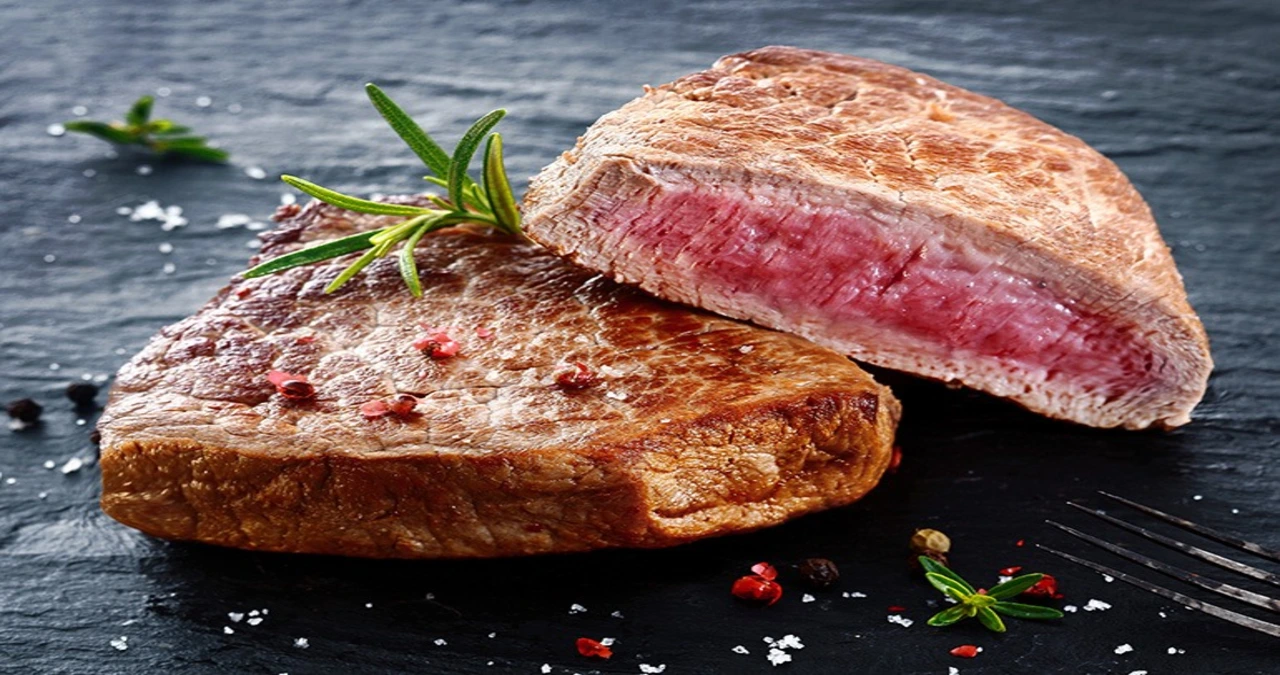
That perfectly pink steak is calling your name — but now that you’re pregnant, you’re second-guessing every bite. You’re not alone. Medium rare meat is one of the most common food questions that comes up during pregnancy, and the answer isn’t quite as simple as a yes or no.
The good news? You don’t have to give up steak entirely. But you do need to understand why the rules around meat doneness change during pregnancy, what the real risks are, and exactly how to enjoy meat safely for the next nine months. This guide gives you all of that — clearly, honestly, and without the scare tactics.
Important Note: This article is for informational purposes only and is not intended as medical advice. Always consult your OB-GYN or midwife with questions about your specific dietary needs during pregnancy.
The Short Answer
No — medium rare meat is not recommended during pregnancy. It’s not recommended to eat medium-rare steak while pregnant. Medium-rare steak is typically cooked to 130–135°F (54–57°C), which is below the USDA-recommended minimum internal temperature of 145°F (63°C). That temperature gap matters more than it might seem.
The nuance here is important, though. Steak is generally safer than other undercooked meats like ground beef, as bacteria are mostly found on the outer surface of the meat. When the steak is seared, those harmful bacteria on the outside are killed. However, for medium rare steaks, the inside remains slightly pink, and if the meat wasn’t handled or cooked properly, there is still a risk.
The bottom line: cook beef, pork, veal, and lamb roasts, steaks, and chops to at least 145°F (63°C), with a 3-minute rest time. That’s the FDA’s official guidance for pregnant women — and it’s there for a very good reason.
Key Insight: Medium rare steak sits at 130–135°F. The FDA-recommended safe minimum for pregnant women is 145°F with a 3-minute rest. That’s the gap you’re trying to close.
Why It’s a Concern
Pregnancy changes your immune system in a significant way. Your immune system is naturally suppressed during pregnancy — it’s busy preventing your body from rejecting your baby as a “foreign object.” This makes you more vulnerable to foodborne illnesses like listeriosis and toxoplasmosis that can live in undercooked meat.
This isn’t just a minor inconvenience. According to the USDA Food Safety and Inspection Service, pregnant women are 10 times more likely to get listeriosis than the general population. That’s a significant increase in risk — and it’s why guidelines that might seem overly cautious are actually well-founded.
Here are the main pathogens to know about when it comes to undercooked meat during pregnancy:
- Listeria monocytogenes: Listeria is especially dangerous during pregnancy, as pregnant women are about ten times more susceptible to infections. It can cross the placenta and may harm the baby even if the mother shows no symptoms.
- Toxoplasma gondii: Toxoplasmosis is a type of foodborne illness caused by the parasite Toxoplasma gondii. This parasite can be found in raw and undercooked meat, as well as dirty cat litter boxes and contaminated water.
- E. coli: Numerous E. coli outbreaks have happened over the last several decades, some attributed to the consumption of undercooked beef. Raw or undercooked steak, as well as ground beef, hamburger meat, and fermented sausages, could potentially carry E. coli.
- Salmonella: Consuming medium rare steak can expose you to harmful parasites and bacteria, such as Toxoplasma gondii, Salmonella, and E. coli.
The consequences of these infections during pregnancy are serious. Toxoplasmosis can be particularly harmful to pregnant women and their unborn babies. Some pregnant women who are infected may not experience any symptoms, while others may experience fever, headache, and muscle pain. As for the unborn baby, toxoplasmosis can lead to preterm birth, stillbirth, and even miscarriage.
You can read more about foods and beverages to avoid during pregnancy for a broader look at what to watch out for across your whole diet.
What the Research Actually Says
The science behind this recommendation is clear and consistent across major health organizations. Health authorities like the Centers for Disease Control and Prevention (CDC) and the National Health Service (NHS) advise expectant mothers to consume only well-cooked meat. This means ensuring that all parts of the steak reach a safe internal temperature, thereby reducing the risk of infections that could harm both the mother and the developing fetus.
Interestingly, guidance has actually become stricter over time, not more relaxed. Although the Department of Health previously advised that it was fine to eat whole cuts of beef and lamb rare, as long as the outside had been properly cooked, this guidance has now been updated after research from a government food committee. The Advisory Committee on the Microbiological Safety of Food states: cook all red meat until no trace of pinkness remains and the juices run clear, and do not taste meat before it is fully cooked.
There’s also an important distinction between whole muscle cuts (like steak) and ground meat. Whole muscle cuts like steak are inherently safer than ground beef. With steak, bacteria only live on the outside surface — when you sear the outside, you’re killing the bacteria where it lives. With ground beef, the contaminated outside surface gets ground up and mixed throughout the meat. This is why ground beef, veal, lamb, and pork must be cooked to at least 160°F (71°C).
One more reassuring data point: many pregnant women have poor knowledge of food safety guidelines during pregnancy, with studies showing that 83% incorrectly identify at least one unsafe food as safe to consume. Knowing the facts puts you ahead of the curve.
Key Insight: Ground beef is riskier than whole-cut steak because bacteria can be distributed throughout the meat. Both still need to reach their respective safe temperatures — 145°F for steaks, 160°F for ground beef.
For more context on how meat consumption during pregnancy fits into your overall diet, that’s a helpful read alongside this one.
How to Do It Safely
You absolutely can still enjoy steak during pregnancy — you just need to cook it properly. Here’s exactly how to do that without sacrificing too much of the flavor you love.
Hit the Right Temperature
The American Pregnancy Association advises cooking your steak to an internal temperature of 145°F (63°C) and allowing it to rest for at least three minutes. At this temperature, you’ll have a medium to medium-well steak — still juicy, still flavorful, just safer.
The only way to make sure that your steak is at a safe temperature to eat is to use a meat thermometer. A good meat thermometer is a great kitchen tool staple. An instant-read thermometer costs around $15 and takes the guesswork out entirely.
Step-by-Step Safe Steak Prep at Home
- Store raw meat safely. At the grocery store and in your fridge, always keep raw meat separate from other food — in the grocery cart, in shopping bags, and in the fridge — to reduce the risk of cross-contamination.
- Use separate cutting boards. If possible, use one cutting board for raw meat, poultry, and seafood and another one for fresh fruits and vegetables.
- Cook to 145°F minimum. Insert your thermometer into the thickest part of the steak. Don’t let it touch the pan on the other side.
- Rest the meat for 3 minutes. Let the steak rest 3 minutes after reaching 145°F — the temperature continues rising during this time.
- Clean all surfaces after cooking. Make sure you thoroughly clean every utensil, surface, and cutting board that the meat comes into contact with.
- Refrigerate marinades. Marinade that’s been used on raw meat may contain harmful bacteria, and bacteria grow rapidly at room temperature. Foods should always be refrigerated while marinating.
Dining Out While Pregnant
There’s nothing wrong with dining out during pregnancy. It’s unrealistic for most people to make every single meal at home for nine months. When you’re at a restaurant, here’s what to do:
- Order medium-well or well-done and specify you need it cooked to 145°F or above
- Inform your waiter or waitress that you’re pregnant and need your meat cooked thoroughly.
- Don’t hesitate to politely ask how they verify steak temperature, as many reputable restaurants use thermometers. If you’re unsure or the steak appears pink in the middle, send it back.
Trimester Differences
The food safety recommendation is consistent across all three trimesters. This recommendation applies regardless of trimester — the pregnancy-induced decrease in cell-mediated immune function makes pregnant women more susceptible throughout the entire pregnancy. Don’t ease up on the rules in the third trimester thinking you’re “almost done” — the risk remains the same until delivery.
Pro Tip: When ordering at a restaurant, simply say: “I’m pregnant and need my steak cooked to at least 145°F — medium-well or well-done, please.” Most kitchens will accommodate this without any issue.
Steak also provides important nutrients you need during pregnancy. Well-cooked meat and beef are an excellent source of important nutrients like heme iron, which is essential for your baby’s healthy development. Eating steak cooked properly provides non-heme iron, protein, and B-vitamins that support both you and your growing baby. So there’s every reason to keep it on the menu — just cooked properly.
For a broader look at heart-healthy superfoods that also benefit pregnancy, or to explore whole plant-based foods that can complement your protein intake, both are worth exploring.
When to Avoid It Completely
Even with the best intentions and a meat thermometer in hand, there are situations where you should skip the meat entirely — or be extra cautious.
Avoid These Completely During Pregnancy
- Raw or rare meat of any kind. Eating rare steak while pregnant is not safe because bacteria like E. coli or Listeria can survive in undercooked meat. Health experts warn that rare steak during pregnancy should be strictly avoided.
- Steak tartare and carpaccio. Avoid consuming steak tartare, carpaccio, or other uncooked meat, rare meat, or raw meat dishes. These types of preparations are not recommended during pregnancy due to the higher risk of foodborne illnesses.
- Undercooked ground beef. Ground meat must reach 160°F — there is no safe version of a pink burger during pregnancy.
- Deli meats and cold cuts (unless heated). Avoid hot dogs and luncheon meats unless they are heated until steaming hot before serving.
- Pre-marinated meats left out at room temperature. Bacteria multiply rapidly in the “danger zone” between 40°F and 140°F.
Situations That Increase Your Risk Further
Pregnancy weakens the immune system, making it harder for your body to fight off infections. When you eat medium-rare steak while pregnant, you are exposed to pathogens that may not affect a healthy adult in the same way. These infections can cross the placenta and affect your baby’s development.
If you have a pre-existing condition that further compromises your immune system — such as gestational diabetes, anemia, or an autoimmune condition — talk to your doctor about any additional precautions you should take with meat and other high-risk foods.
Important Note: If you accidentally ate medium rare or undercooked meat during pregnancy, don’t panic. Most people won’t get sick from a single meal, and the chances of foodborne illness are still relatively low. However, watch for symptoms like fever, nausea, diarrhea, or muscle aches. If you experience any of these symptoms, contact your healthcare provider right away and mention what you ate.
You may also want to review other foods and beverages to avoid during pregnancy to make sure your whole diet is covered — not just your meat choices.
Quick Reference Chart
Use this chart as your go-to guide when you’re unsure about a specific meat or preparation. Bookmark it, screenshot it, or share it with whoever is cooking for you.
| Meat / Preparation | Safe During Pregnancy? | Required Internal Temp | Notes |
|---|---|---|---|
| Well-done steak (whole cut) | ✅ Safe | 160°F+ (71°C+) | No pink, juices run clear |
| Medium-well steak (whole cut) | ✅ Safe | 150–155°F (65–68°C) | Slightly pink center; use thermometer to confirm ≥145°F |
| Medium steak (whole cut) | ⚠️ With Caution | 140–145°F (60–63°C) | Must confirm 145°F with thermometer; rest 3 min |
| Medium rare steak (whole cut) | ❌ Not Recommended | 130–135°F (54–57°C) | Below FDA minimum; risk of Listeria, Toxoplasma |
| Rare steak (whole cut) | ❌ Avoid | 120–125°F (49–52°C) | Raw center; significant pathogen risk |
| Ground beef / burgers | ✅ Safe only when fully cooked | 160°F (71°C) — no pink | Bacteria distributed throughout; higher risk than whole cuts |
| Steak tartare / carpaccio | ❌ Avoid completely | Raw — no cooking | Strictly off-limits during pregnancy |
| Deli meats / cold cuts | ⚠️ With Caution | Steaming hot (165°F+) | Must be reheated; Listeria risk when cold |
| Poultry (all cuts) | ✅ Safe when fully cooked | 165°F (74°C) | No pink anywhere; higher temp required than beef |
| Pork (whole cuts) | ✅ Safe when fully cooked | 145°F (63°C) + 3 min rest | Same minimum as beef whole cuts |
Common Mistake: Judging doneness by color alone. Using a thermometer is the only way to check the doneness of meat — you cannot rely on appearances alone. A steak can look browned on the outside and still be dangerously undercooked inside.
Frequently Asked Questions
I accidentally ate medium rare steak before I knew I was pregnant. Should I be worried?
One medium-rare steak doesn’t mean disaster. The actual risk of foodborne illness from a single serving is quite low, especially if you ate at a reputable restaurant or prepared it at home with proper handling. Monitor yourself for symptoms like fever, nausea, diarrhea, or muscle aches over the next few days, and call your doctor if anything feels off.
Can I eat a medium steak (not medium rare) while pregnant?
A medium steak cooked to exactly 145°F with a 3-minute rest technically meets the FDA minimum. The minimum internal temperature recommendation for steak is 145°F/63°C. The only way to make sure your steak is at a safe temperature is to use a meat thermometer. Without a thermometer, you can’t confirm this, so it’s safer to aim for medium-well.
Is a well-done steak the only safe option?
Not necessarily. A medium-well-done steak will most likely reach above the minimum internal temperature of 145°F. Medium-well is generally a safe and tasty compromise — it retains more moisture than well-done while still meeting safety standards. Use a thermometer to be sure.
Does it matter what trimester I’m in?
No. The food safety rules apply throughout your entire pregnancy. The pregnancy-induced decrease in cell-mediated immune function makes pregnant women more susceptible to these intracellular pathogens — and this recommendation applies regardless of trimester. Don’t relax the rules as you get closer to your due date.
What if I’m craving steak but don’t want it well-done? Are there alternatives that give me the same nutrients?
Yes — you have options. Lean red meat, poultry, and fish are good sources of iron. Other options include iron-fortified breakfast cereals, beans, and vegetables. If you’re craving the flavor of beef specifically, a slow-braised beef dish or a juicy medium-well steak with a good marinade can come surprisingly close to satisfying that craving. You can also explore plant-based whole foods that are rich in iron and protein, or check out brain-boosting foods that deliver key nutrients your baby needs.
Is ground beef safer than steak if I cook it well?
Ground beef cooked to 160°F with no pink inside is safe. But it’s actually riskier than whole-cut steak if undercooked. With ground beef, the contaminated outside surface gets ground up and mixed throughout the meat. That’s why burgers need to be cooked to 160°F with no pink inside — bacteria can be anywhere.
Can I eat other types of meat while pregnant?
Yes, as long as they’re fully cooked. Ground poultry should be cooked to 165°F (74°C), and all poultry should be cooked to a minimal safe internal temperature of 165°F (74°C). For a deeper dive into which proteins are safe and beneficial during pregnancy, check out our full guide to consuming meat safely during pregnancy and our overview of the pros and cons of eating seafood.
What nutrients am I getting from properly cooked beef during pregnancy?
Protein plays a big part in supporting fetal tissue development, especially the brain, and helps maintain muscle mass during pregnancy. Studies show that pregnant women who included beef in their diets had a significantly higher overall protein intake. Iron is essential for making extra blood for both mom and baby. Cooking beef to a safe temperature doesn’t significantly diminish these nutrients — so well-done steak is still a nutritional win. You can also explore fibroid-healing foods and powerful nutrient-dense foods for additional pregnancy-supportive eating ideas.