Can You Eat Deli Meat While Pregnant? What Doctors Actually Say

April 3, 2026
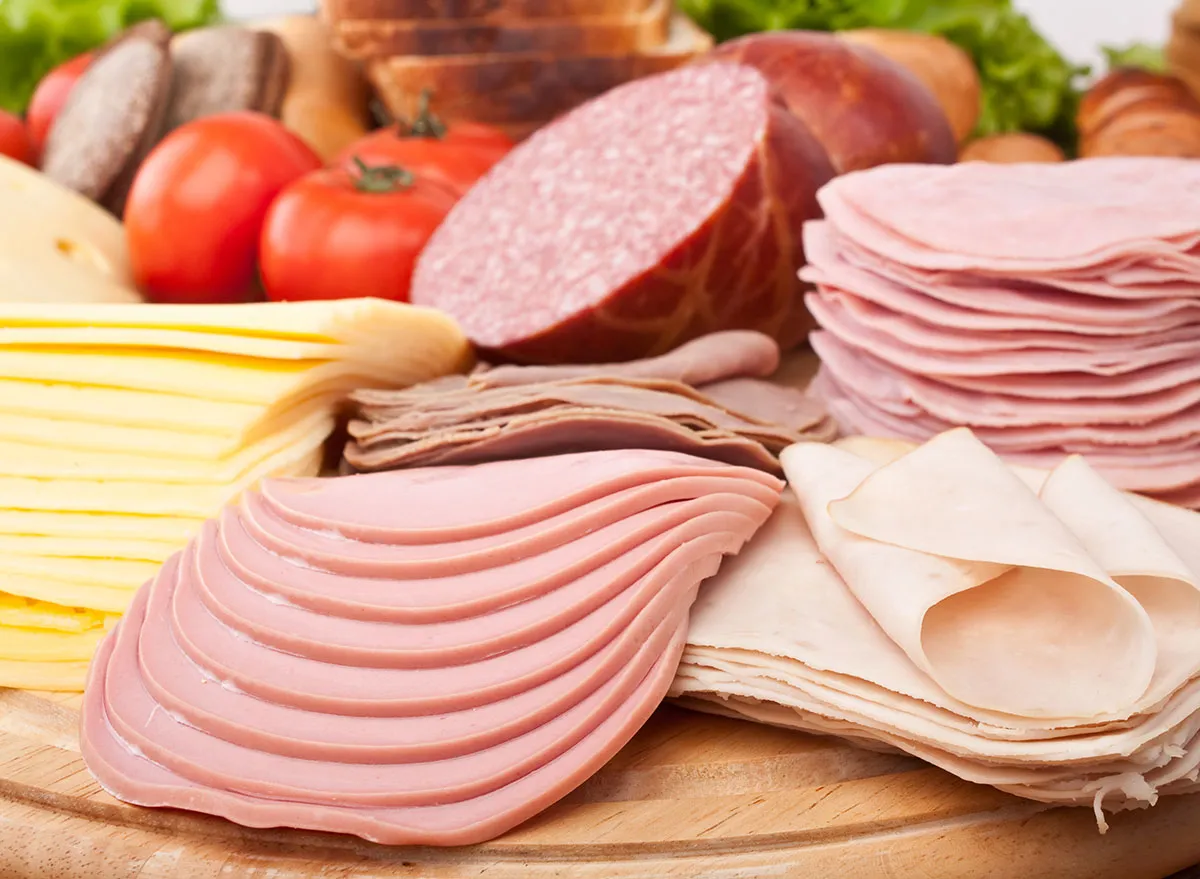
You’re pregnant, you’re hungry, and all you want is a turkey sandwich. Then someone tells you deli meat is off-limits — and suddenly a simple lunch feels like a minefield.
Here’s the thing: the concern about deli meat during pregnancy is real, but it’s also nuanced. Understanding why it’s a risk — and exactly what you can do about it — puts you back in control. This guide walks you through the facts, the science, and the practical steps to keep you and your baby safe without unnecessary panic.
The Short Answer
The official recommendation is to avoid cold deli meat during pregnancy. Pregnant women are advised to avoid processed meats to prevent listeriosis, an illness caused by the bacteria listeria. This guidance comes from major health organizations including the CDC, ACOG, and the USDA.
That said, “avoid” doesn’t always mean “never under any circumstances.” The CDC advises that pregnant women “avoid eating hot dogs, lunch meats, cold cuts, other deli meats (such as bologna), or fermented or dry sausages unless they are heated to an internal temperature of 165°F or until steaming hot just before serving.”
So the bottom line: cold deli meat — no. Heated-until-steaming deli meat — acceptable, but still not ideal. And if you can swap it out altogether, that’s the safest path of all.
Pro Tip: If you’ve already eaten cold deli meat before reading this, don’t panic. You don’t need to panic if you are pregnant and have been eating deli meats. The probabilities are in your favor that nothing has happened.
Why It’s a Concern
The core issue isn’t deli meat itself — it’s a specific bacterium called Listeria monocytogenes. Listeria can live and thrive in the cold, which sets it apart from most other bugs that cause foodborne illness. This is exactly why refrigerating deli meat doesn’t make it safe — the bacteria actually flourishes in those conditions.
Deli or lunch meats have the potential to be a source of listeria. A listeria infection poses serious risks for women and their babies. Listeria is killed during cooking and pasteurization, which is why doctors might say don’t eat deli meat, but cooked meats are fine.
Pregnancy changes your immune system in ways that make you far more vulnerable. Pregnant women are much more likely to get listeriosis compared to the general population, due to the weakened immune systems as their body cares for the developing baby. In fact, pregnant women are about 10 times more likely to get listeriosis compared to the general population.
What makes this especially serious is what can happen to your baby, even when your own symptoms seem mild. Pregnancy reduces the immune system’s capacity to fight off infections, increasing the risk of a woman contracting listeriosis, and the bacteria can cross the placental barrier, infecting the uterus. This can lead to severe and often fatal outcomes for the unborn child, including miscarriage, stillbirth, preterm labor, or neonatal infection.
Beyond listeria, deli meats might also harbor toxoplasma gondii, salmonella, campylobacter, and preservative compounds such as nitrates and nitrites. And many deli meats contain additives such as sodium nitrate or sodium nitrite, which are used to preserve color and prevent bacterial growth. High consumption of these additives has been linked to adverse health effects, including potential harm to the developing fetus. While the risks from nitrates and nitrites are debated and generally low, it’s another factor that makes frequent consumption of lunch meats less advisable during pregnancy.
You can learn more about how meat consumption during pregnancy fits into your overall diet, and which types are considered safe.
Important Note: Pregnant people with listeria infections can pass the infections to their unborn babies. This is a risk even if a pregnant person doesn’t have symptoms of the infection. This is why caution matters even when you feel completely fine.
What the Research Actually Says
The risk is real — but it helps to understand its actual scale. The model estimates 1 case of listeriosis in 83,000 servings of deli meat consumed by pregnant women, which is a minimal risk. That’s a very low absolute risk per serving.
The good news is that the probability of experiencing a problem from deli meats is very unlikely. Approximately 2,500 individuals will become infected with Listeria annually. This means it is extremely rare. According to the CDC, there were 792 listeriosis case reports in 2019, 98 (or 13 percent) of which were pregnancy-associated.
Some researchers and clinicians argue the blanket avoidance recommendation may not be fully evidence-based. A published study in the Canadian Family Physician journal noted that each woman should be informed of the nature and magnitude of the risks associated with the consumption of deli meats and soft cheeses, and advised to: limit the amount and frequency of consumption; limit the duration of storage by choosing the freshest foods; and ensure that these foods are kept at the correct temperature at all times.
One OB-GYN put it plainly: while there’s a slight risk of listeria contamination in deli meats and hot dogs, “so if you have an occasional turkey sandwich or hot dog, I wouldn’t say it’s going to be detrimental.”
Even so, the mainstream medical consensus remains cautious. While overall the risk may be low, the results of listeria infection in pregnancy can be very serious for the mother, fetus, and infant — hence, the reason for so much caution. Low probability doesn’t mean low consequence, and that distinction is what drives the recommendations.
For a broader look at foods and beverages to avoid during pregnancy, understanding the full picture can help you make confident choices at every meal.
Key Insight: The tricky thing about Listeria is its affinity for the placenta. If the bacteria translocates from the gut of a pregnant individual into their bloodstream, it can make its way to the fetus via the placenta — leading to serious complications including preterm birth, miscarriage, or stillbirth.
How to Do It Safely
If you’re not ready to give up deli meat entirely, there are concrete steps you can take to significantly reduce your risk. The key is heat — and getting it right every time.
The Heat Rule
Heating the meat to an internal temperature of 165°F can effectively kill listeria bacteria — this means steaming the meat until it’s hot. Listeria cannot survive when meat is properly heated on the stove or in a microwave.
However, microwaving alone isn’t always reliable. Microwaves don’t heat food evenly, so it’s hard to know if all the meat is heated through completely. A better approach: heat it in a pan on the stove until you see steam rising, or use a food thermometer to confirm 165°F throughout.
Per USDA, these should be eaten soon after heating and should not be allowed to stay at room temperature or returned to refrigeration temperatures. When heating these meat products in the microwave, verify that the products reach this temperature throughout.
Storage and Handling Rules
- Deli meats should be stored in the refrigerator at a temperature of 40°F or colder.
- Use unopened packages within two weeks and opened packages of deli meats within three to five days.
- Always avoid eating deli meats that have been left at room temperature for too long.
- Clean all surfaces that deli meats touch. While you may not be eating those foods, it’s easy to cross-contaminate at family meals or while creating a festive charcuterie board.
- Check expiration dates, consume meats within three to five days of opening, and store cold cuts at or below 40 degrees in the refrigerator.
Smarter Sourcing
Pregnant women should be cautious about where they source their deli meats, opting for those from reputable providers with high standards of food safety. Pre-packaged meats from well-known brands with intact seals are generally lower risk than freshly sliced meats at a deli counter, where cross-contamination between the slicer, surfaces, and other foods is harder to control.
One concern is places that use the same slicers for meats and cheeses. They may not clean them properly — and it’s not easy to clean those things. If the meat and cheese are sliced on the same machine, there’s a risk the deli meat could contaminate your cheese.
Does Trimester Matter?
The risks of eating deli meat are the same no matter what stage of pregnancy you’re in. The guidance to avoid cold deli meat applies throughout the first, second, and third trimesters equally. Sandwiches can generally be safely consumed during the first trimester of pregnancy, but it’s important to heat any deli meats until steaming hot (165°F) to kill potential bacteria like Listeria.
Explore more about types of food preservatives commonly found in processed meats to better understand what’s in the products you’re considering.
Common Mistake: A common myth is that all cold cuts are safe if refrigerated. In truth, listeria can grow even in cold environments. Freezing doesn’t kill Listeria either. The only way to eliminate the bacteria is by cooking the meat until it’s steaming hot.
When to Avoid It Completely
Even with all the precautions above, there are situations where skipping deli meat entirely is the smartest call — no exceptions.
Avoid deli meat completely if any of the following apply:
- You have a high-risk pregnancy or a condition that further suppresses your immune system (such as diabetes, kidney disease, or HIV)
- There is an active listeria recall linked to any deli meat product — state and government agencies monitor potential outbreaks of Listeria and will issue a recall for widespread contamination. If you’re pregnant and think you ate recalled food, contact your doctor as soon as possible.
- The meat is fermented, dry-cured, or uncooked — deli meats that are high-risk for listeria infection include salami, pepperoni, dry sausages, and other fermented or dry-cured meats.
- You’re eating out at a restaurant or deli counter where you have no control over storage, handling, or equipment sanitation
- You’re unsure whether the meat has been properly stored or handled at any point in its journey to your plate
Listeriosis, the illness caused by listeria, can lead to serious complications, including miscarriage, stillbirth, premature delivery, or life-threatening infection of the newborn baby. In these higher-risk scenarios, the peace of mind of simply choosing something else is well worth it.
If you do experience symptoms after eating deli meat — particularly fever, muscle aches, and tiredness — your illness may be mild, but listeria can cause pregnancy loss or premature birth. Contact your healthcare provider right away. The American College of Obstetricians and Gynecologists (ACOG) recommends treatment in pregnant patients who have known listeriosis, who ate a recalled product with no symptoms, or who were presumed to be exposed and have a fever higher than 100.6 degrees F. Standard treatment for pregnant patients is IV penicillin.
For context on other foods that carry similar concerns, see this helpful overview of foods and beverages to avoid during pregnancy.
What to Do Instead
The good news? You don’t have to sacrifice satisfying, protein-rich meals to stay safe. There are plenty of delicious alternatives that give you the same convenience and nutrition without the listeria risk.
Cooked Meat Alternatives
Pregnant women can opt for alternative protein sources, such as cooked chicken or fish. They can choose whole cuts of meat, such as turkey breast or roast beef, that are cooked. Roasting a turkey breast or chicken at home and slicing it thin gives you the same satisfying sandwich experience — without any of the cold-cut concerns.
Consider freshly cooked chicken or turkey that you roast yourself. Slicing it thin makes for perfect sandwich filling. Hard-boiled eggs are another fantastic, protein-packed option, great for egg salad or just sliced.
Plant-Based Proteins
There are also many delicious plant-based protein sources, such as beans or tofu. Plant-forward options like lentils, chickpeas, tofu, edamame, and quinoa add texture and protein, with negligible foodborne risk. Vegetarian deli slices skip both infection risk and excess sodium.
Vegetarian options such as hummus, nut butter, or egg salad can also provide protein without the associated risks. These work especially well as spreads and fillings in wraps and sandwiches.
Safe Seafood Options
Canned tuna or salmon (select low-mercury varieties) are great sandwich options. These fatty acids aid in your baby’s brain and vision development and support your immune system. For more guidance on navigating seafood choices during pregnancy, the pros and cons of eating seafood is a helpful resource.
Quick Swap Ideas
- Instead of turkey cold cuts: Sliced roasted turkey breast you cooked at home
- Instead of ham: Freshly cooked, sliced pork loin or grilled chicken
- Instead of salami or pepperoni: Grilled lean beef or a hearty bean spread
- Instead of bologna: Hard-boiled egg slices with avocado and hummus
- For a nutrient boost: Add heart-healthy superfoods like avocado, spinach, and nuts to your sandwiches and wraps
For even more inspiration, whole plant-based foods offer a wide range of pregnancy-safe protein and nutrient options worth exploring.
Pro Tip: Meal prepping a batch of roasted chicken or turkey at the start of the week means you always have a safe, ready-to-go sandwich filling on hand — no heating required at lunchtime.
Quick Reference Chart
| Deli Meat / Situation | Safety Status | Notes |
|---|---|---|
| Cold deli meat (turkey, ham, roast beef) from deli counter | ⚠️ Avoid | High cross-contamination risk from shared slicers and surfaces |
| Cold pre-packaged deli meat (sealed, refrigerated) | ⚠️ Avoid | Still carries listeria risk; heating required to be safer |
| Deli meat heated to 165°F / steaming hot | ✅ With Caution | Eat immediately after heating; do not re-refrigerate and eat cold |
| Fermented/dry-cured meats (salami, pepperoni, prosciutto) | ❌ Avoid | Higher listeria risk; only safe if fully cooked to steaming |
| Freshly home-cooked turkey, chicken, or beef (sliced) | ✅ Safe | Best alternative; cooked to safe temp, handled at home |
| Recalled deli meat products | ❌ Never | Contact your doctor immediately if already consumed |
| Deli meat from a restaurant (unknown handling) | ❌ Avoid | No control over storage, slicer sanitation, or temperatures |
| Canned meats (tuna, salmon, chicken) | ✅ Safe (in moderation) | Choose low-sodium, low-mercury options; great sandwich filling |
| Hard-boiled eggs, hummus, roasted legumes | ✅ Safe | Excellent protein-rich alternatives with no listeria risk |
| Lunchables (pre-packaged with deli meat) | ⚠️ Avoid | Deli meat not heated to safe temp; cheese/cracker varieties safer |
For a full breakdown of which foods raise red flags during pregnancy, see this comprehensive guide to foods and beverages to avoid during pregnancy. You may also find it useful to explore foods that boost brain health — many of which are excellent additions to a pregnancy diet.
Frequently Asked Questions
Is it okay if I accidentally ate cold deli meat while pregnant?
If you accidentally consumed deli meat while pregnant, the risk of complications is relatively low. It’s worth monitoring for any symptoms like fever or unusual exhaustion in the following weeks. While deli meats can potentially harbor listeria bacteria, which poses risks during pregnancy, most exposures don’t result in illness. For peace of mind, let your doctor know at your next appointment, but try not to worry excessively about a single instance of eating deli meat.
Is deli meat safer in the first trimester versus the third?
The risks of eating deli meat are the same no matter what stage of pregnancy you’re in. The listeria risk is consistent across all three trimesters, so the same precautions apply from week 1 through delivery.
Can I eat pepperoni or salami while pregnant?
Eating pepperoni during pregnancy is generally considered safe if it’s thoroughly heated to kill potentially harmful bacteria like Listeria. According to ACOG, pregnant women should heat deli and processed meats until steaming hot (165°F) to ensure food safety. However, fermented and dry-cured meats like salami carry a higher baseline risk and are best avoided or only eaten fully cooked.
Does freezing deli meat make it safe?
Listeria bacteria can survive refrigeration and even freezing. Listeria can survive refrigeration or freezing but won’t survive at temperatures over 165 degrees. The only reliable way to make deli meat safe is to heat it until steaming hot.
Are organic or “natural” deli meats safer during pregnancy?
A common myth is that organic deli meats are risk-free. Regardless of type, they still pose a listeria risk unless properly heated. The organic label refers to how the animal was raised — not to whether the final product is free of listeria contamination.
What are the symptoms of listeriosis I should watch for?
Listeria infections can cause mild, flu-like symptoms for many women, including fever, chills, muscle aches, and stomach problems. You may also have a stiff neck, headache, confusion, or loss of balance. Even so, many people don’t even know they have a listeria infection because they don’t have symptoms. If you experience any of these after eating deli meat, contact your healthcare provider promptly.
How long after eating contaminated deli meat would symptoms appear?
Symptoms of listeriosis can appear anywhere from a few days to several weeks after consuming contaminated food. The incubation period is quite variable. This long window makes it critical to be vigilant for any potential symptoms, even if they arise some time after the exposure.
Can I eat Lunchables while pregnant?
Most pre-packaged Lunchables contain deli meats that haven’t been heated to kill potential Listeria bacteria, making them a higher-risk food during pregnancy. The cheese and cracker varieties without meat would be a safer choice during pregnancy. But make sure that any cheeses included are made from pasteurized milk.
Staying informed is one of the most powerful things you can do during pregnancy. For more guidance on nourishing yourself and your baby well, explore resources on powerful nutrients in whole foods, fibroid-healing foods, and foods for healthy skin — all of which highlight nutrient-dense choices that support overall wellness during and beyond pregnancy.