Can You Eat Goat Cheese While Pregnant? What You Actually Need to Know

April 7, 2026
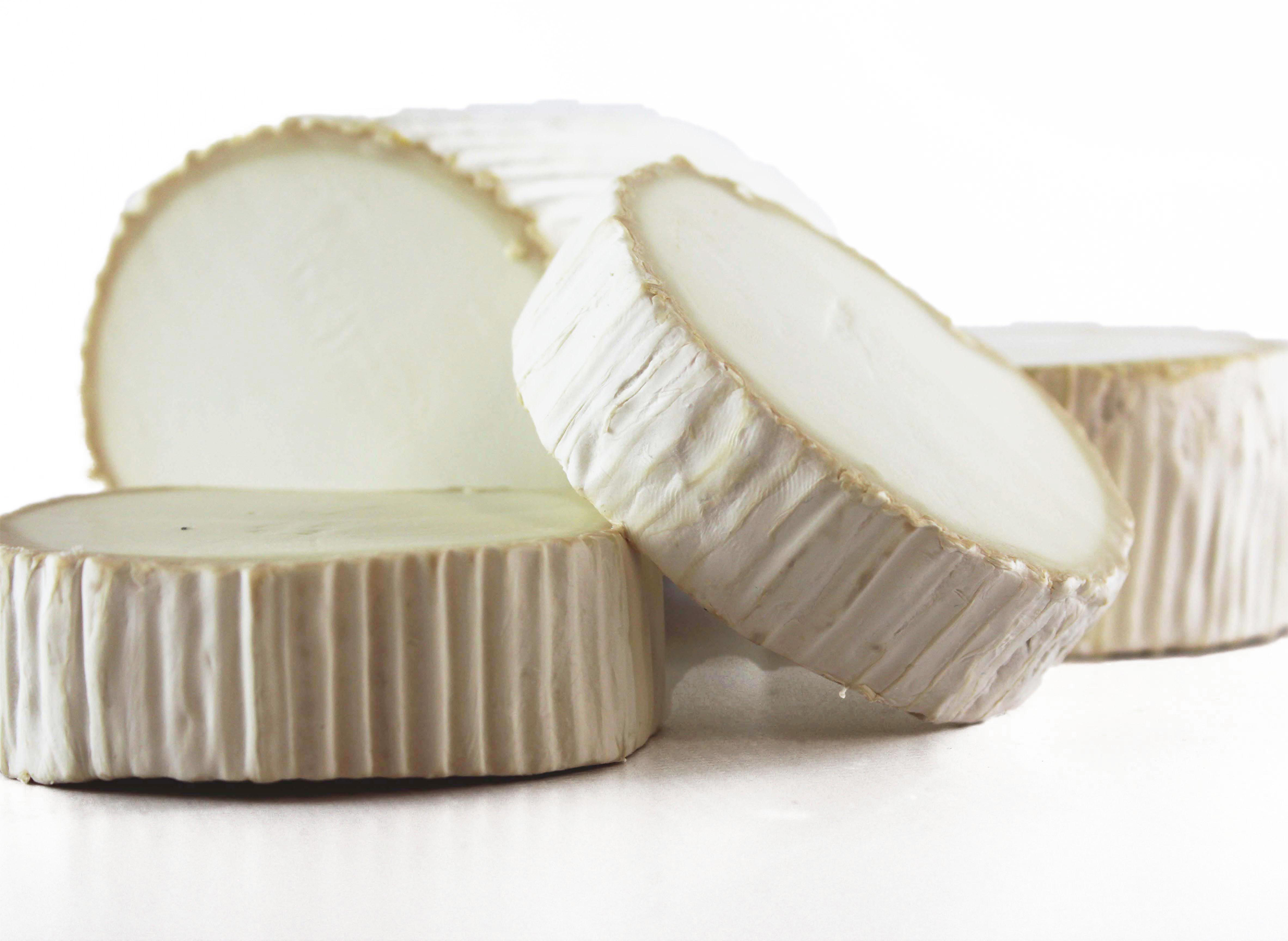
Goat cheese is one of those pregnancy foods that can send you straight to a search bar at 11 p.m. You’ve heard conflicting things — some say it’s fine, others say avoid all soft cheese — and you just want a straight answer before your next meal.
Here’s the good news: you don’t have to give up goat cheese entirely. Whether it’s safe during pregnancy comes down to one key factor — pasteurization — plus the type and texture of the cheese. Once you understand the distinction, you can make confident, informed choices every trimester.
The Short Answer
Yes, you can eat goat cheese while pregnant, as long as it’s made from pasteurized milk. Pasteurized goat cheese is safe, but unpasteurized goat cheese can carry harmful bacteria like Listeria, which can be dangerous during pregnancy.
All pasteurized goat cheeses — except surface-ripened ones — are safe to eat during pregnancy. Hard cheese has a low moisture level, which makes it difficult for harmful bacteria to thrive. So if you’re eyeing that crumbled goat cheese on your salad or a warm goat cheese tart, you likely have a safe option available — you just need to know what to look for on the label.
Pro Tip: In the U.S., most commercially sold cheese is pasteurized. Most commercially sold cheese and other dairy products sold in the US are pasteurized, and therefore safe to eat while you’re pregnant — so as long as you do a quick label scan to confirm, you’ll be okay.
Why It’s a Concern
The concern around goat cheese during pregnancy isn’t about the cheese itself — it’s about what can live inside certain types of it. The main culprit is a bacterium called Listeria monocytogenes, and pregnancy makes you far more vulnerable to it than the average person.
Pregnant women are especially susceptible to food poisoning. They may be 10–20 times likelier to contract listeriosis, a foodborne illness caused by the Listeria monocytogenes bacterium, than the general population.
Some cheeses can contain listeria, a bacteria which can cause listeriosis — a type of food poisoning. Hormonal changes during pregnancy can weaken your immune system, putting you more at risk of developing listeriosis, which can cause serious complications and lead to miscarriage.
The texture and production method of goat cheese also matter. Soft cheese has higher levels of moisture, which is an environment that bacteria love to grow in. That’s why soft, unpasteurized goat cheeses present a higher risk than their hard or aged counterparts. You can also learn more about other foods and beverages to avoid during pregnancy to round out your pregnancy-safe eating plan.
Important Note: Unpasteurized soft goat cheese can harbor Listeria monocytogenes, which may lead to miscarriage, stillbirth, or neonatal infection. This is why the type of goat cheese you choose matters so much.
What the Research Actually Says
The guidance on goat cheese during pregnancy is consistent across major health organizations — and it’s more nuanced than a flat “avoid all soft cheese” rule.
Surface-ripened — also known as mold-ripened — goat cheese is easily recognizable by its soft white rind, similar to those on Brie and Camembert cheeses. The FDA estimates that raw and surface-ripened soft cheeses are 50–160 times likelier to be contaminated with Listeria than pasteurized cheeses, significantly increasing your risk of listeriosis during pregnancy.
On the safer side, hard cheeses get a strong endorsement from health professionals. Hard goat cheese contains a small amount of moisture, making it suitable for pregnant women. Because of the low moisture content in hard cheese, harmful bacteria cannot thrive, and thus there is very little risk of contamination. Hard cheese, made from pasteurized and unpasteurized milk, is considered safe to consume during pregnancy.
The NHS also provides clear guidance: pasteurized soft cheeses — such as goat’s cheese without a white coating on the outside (rind) — are considered safe choices during pregnancy.
And there’s good news when it comes to cooked goat cheese: another way to reduce your chance of contracting a foodborne illness from bacteria in goat cheese is to cook it. Cooking goat cheese — by frying, baking, or grilling — kills harmful bacteria, including Listeria. According to the CDC, cheese should be cooked to an internal temperature of at least 165°F to kill bacteria.
The nutritional case for goat cheese during pregnancy is also strong. It is a good source of protein and calcium, which aids in a healthy pregnancy and fetal development by supporting uterine tissue growth and the baby’s brain and bone development. Pair that with a whole-foods approach to eating and you’re building a solid nutritional foundation for your growing baby.
How to Do It Safely
Enjoying goat cheese during pregnancy isn’t complicated once you know the ground rules. Here’s exactly how to do it safely across all three trimesters.
Step 1: Always Check the Label First
Not all goat cheeses are pasteurized, so it’s essential to check the label or ask when buying cheese. Look for the word “pasteurized” on the packaging — this ensures the cheese has undergone heat treatment to kill harmful bacteria. If the label doesn’t say “pasteurized” or “made with pasteurized milk,” put it back.
Step 2: Choose the Right Texture
Hard or aged pasteurized goat cheeses are the safest, while soft, mold-ripened varieties should be avoided unless heated until piping hot. You can tell the difference easily: hard cheese won’t indent when you press it with your finger, while soft cheese will.
Step 3: Cook It When in Doubt
Cooking kills harmful bacteria, including Listeria. Thus, a sauce or tart containing goat cheese, or a pizza topped with it, are typically safe to eat. Just make sure the cheese is heated all the way through — not just warm on top.
Step 4: Be Extra Careful When Eating Out
When ordering dishes with goat cheese at restaurants, ask the server if the cheese is made from pasteurized milk. Many artisanal or imported goat cheeses are unpasteurized, so it’s best to avoid these unless you’re sure they’ve been pasteurized.
Step 5: Watch Your Portions
Pregnant women can consume about 2.5 servings of cheese daily, which includes goat cheese. This equates to roughly 60–80 grams of goat cheese per day. It’s advisable to start incorporating goat cheese into your diet during any trimester, as it provides essential nutrients.
Pro Tip: FoodSafety.gov urges pregnant people to be especially mindful of soft cheese from farmers’ markets, roadside stands, and other local sources, since you may need to seek additional information to confirm that the products were pasteurized. When in doubt, ask.
Trimester-by-Trimester Safety
You can eat goat cheese in your first trimester of pregnancy only if the cheese is made from pasteurized milk. Pasteurization is an important process of killing the harmful bacteria and making it safe for consumption. In fact, pasteurized goat cheese is safe to consume in all trimesters of pregnancy.
Eating pasteurized goat cheese in the third trimester is safe and nutritious. It supports bone health with its high calcium content. Ensure the cheese is pasteurized to prevent any risk of bacterial infection, which could be harmful during pregnancy. Proper nutrition in every trimester also supports other aspects of your health — including brain health and heart health for both you and your baby.
When to Avoid It Completely
Even with all the green lights around pasteurized goat cheese, there are specific situations where you should skip it entirely — no exceptions.
- Unpasteurized soft goat cheese: Any soft or semi-soft goat cheeses made from raw (unpasteurized) milk should be avoided during pregnancy.
- Mold-ripened or surface-ripened varieties: Pregnant women are advised to avoid consuming white rind cheese — a type of soft goat cheese also known as chèvre. Similar to brie and camembert, which can lead to listeriosis, chèvre is a form of goat cheese that has undergone mold ripening.
- Artisanal and imported cheeses with unclear labels: Always check the label of the goat’s cheese before you buy it, so you know whether it is made from pasteurized or unpasteurized milk. If the label is not clear, it is better to leave the cheese on the shelf and choose another alternative.
- Cold soft goat cheese from delis or restaurants: Soft cheeses from delis have been linked to listeria, as per the CDC. Always ask whether it’s pasteurized before eating.
- If you have a dairy allergy or lactose intolerance: If you have lactose intolerance or a history of allergic reactions to dairy products, it is best to avoid goat cheese.
Common Mistake: A common myth is that all goat cheese is unsafe during pregnancy. In reality, pasteurized goat cheese is safe to eat. Don’t avoid it entirely — just choose wisely.
Beyond cheese, it’s also worth knowing about the pros and cons of eating seafood during pregnancy and other nuanced food safety topics that often come up during these nine months.
Quick Reference Chart
Use this at-a-glance chart when you’re at the grocery store, a restaurant, or building a pregnancy-safe cheese board.
| Goat Cheese Type | Status | Why |
|---|---|---|
| Hard goat cheese (pasteurized or unpasteurized) | ✅ Safe | Low moisture = low bacterial growth risk |
| Pasteurized soft goat cheese (no rind) | ✅ Safe | Pasteurization kills harmful bacteria including Listeria |
| Any goat cheese cooked to 165°F (74°C) | ✅ Safe | Heat destroys Listeria and other pathogens |
| Goat cheese on pizza or in baked dishes | ✅ Safe | High oven temperatures kill bacteria throughout |
| Soft goat cheese (pasteurized, no white rind) | ⚠️ With Caution | Safe if pasteurized; verify label carefully |
| Artisanal/farmers’ market goat cheese | ⚠️ With Caution | May be unpasteurized; always confirm before eating |
| Restaurant goat cheese (unknown source) | ⚠️ With Caution | Ask if pasteurized; imported varieties may not be |
| Surface-ripened / mold-ripened goat cheese (chèvre with white rind) | ❌ Avoid | 50–160x higher Listeria contamination risk |
| Unpasteurized soft goat cheese | ❌ Avoid | High Listeria risk; linked to miscarriage and stillbirth |
| Raw milk goat cheese | ❌ Avoid | No heat treatment; bacteria thrive in moist texture |
Want a broader overview of safe eating during pregnancy? The full guide to foods and beverages to avoid during pregnancy covers everything from deli meats to herbal teas. And if you’re focused on building nutrient-dense meals, exploring powerful nutrients in whole foods can help you maximize every bite.
Frequently Asked Questions
Can I eat goat cheese in my first trimester?
Yes, you can eat goat cheese during the first trimester if it’s made from pasteurized milk. Pasteurization kills harmful bacteria, making it safe for pregnant women. Always check the label to ensure the cheese is pasteurized before consuming.
Is cooked goat cheese safe during pregnancy?
Yes, it is safe to eat cooked and baked goat cheese during pregnancy, as thorough cooking or baking kills harmful bacteria in it, and it becomes safe to consume. Just make sure it reaches an internal temperature of 165°F (74°C) all the way through.
What about goat cheese on pizza?
Eating pizza with cheese as a topping is regarded as safe while expecting, as long as the cheese is thoroughly heated and not merely warm. Pizza consumption is safe during pregnancy because it is served hot straight from the oven.
How much goat cheese can I eat per day while pregnant?
According to the Australian Dietary Guidelines for pregnancy, consuming around two and a half servings of cheese per day is considered safe during pregnancy. However, individual needs may vary, and you should consult a doctor for personalized advice on how much goat cheese you can consume while pregnant. Roughly 60–80 grams per day is a commonly cited guideline.
Is goat cheese safer than cow’s milk cheese during pregnancy?
The safety rules are the same for both: pasteurization and texture are what matter most. Folks with lactose sensitivities may tolerate goat’s milk better — even though it does contain some lactose. Goat cheese has a low lactose content compared to cow milk cheese and hence it is less challenging to digest by women who become sensitive during pregnancy. So if you’ve been experiencing dairy sensitivity, goat cheese may actually be the gentler option — provided it’s pasteurized.
Can I eat goat cheese while breastfeeding?
Goat cheese is considered safe to eat while breastfeeding. Generally, breastfeeding women only have to limit a handful of foods. Once your baby arrives, the strict cheese rules of pregnancy no longer apply.
What are safe alternatives to goat cheese during pregnancy?
Pasteurized goat cheeses, such as feta, gouda, and chèvre, are great options to try during pregnancy. If you want to expand beyond goat cheese altogether, hard cheeses like cheddar, parmesan, and aged gouda are consistently considered safe. You can also explore anti-inflammatory and hormone-supportive foods that complement a pregnancy-safe diet. And for more ideas on building nutritious, balanced meals, check out skin-nourishing foods and liver-supportive foods that double as great pregnancy nutrition choices.
Key Insight: The bottom line is simple — pasteurized goat cheese is your friend during pregnancy. Check the label, avoid the white rind, cook it when you’re unsure, and enjoy it with confidence throughout all three trimesters.