Can You Eat Cream Cheese While Pregnant? What You Actually Need to Know

April 7, 2026
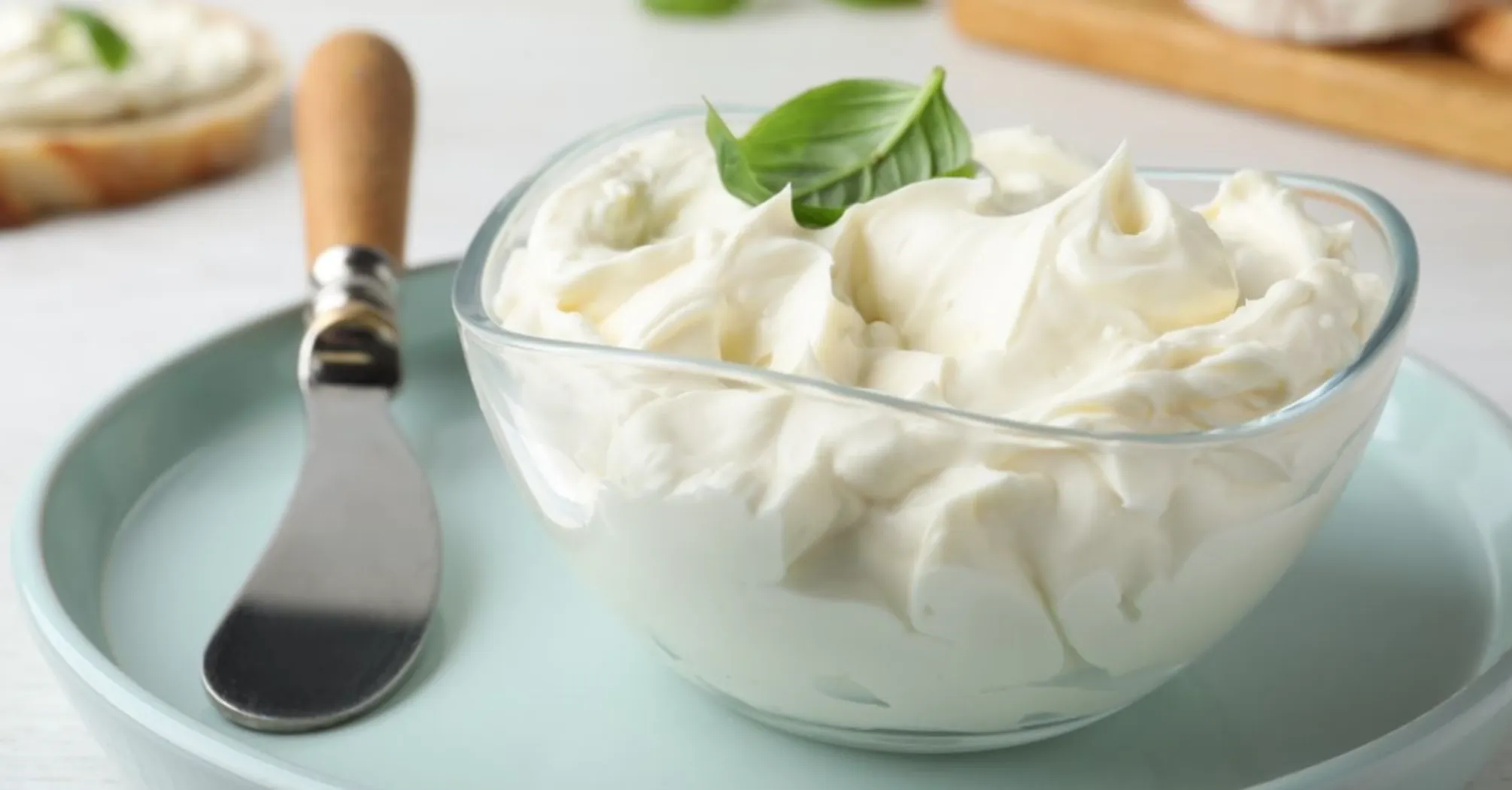
You’re pregnant, you’re staring at a bagel with cream cheese, and suddenly you’re second-guessing everything. Sound familiar? The good news is that cream cheese is one of those foods that gets a lot of unnecessary worry — and the answer is mostly reassuring.
Whether you’re spreading it on toast, swirling it into a cheesecake, or folding it into a pasta dish, understanding exactly when cream cheese is safe — and when it isn’t — gives you the confidence to eat well throughout your pregnancy without unnecessary stress.
Key Insight: This article covers safety by trimester, what the research says, how to handle and store cream cheese properly, and a quick-scan chart so you always know what’s safe at a glance.
The Short Answer
The answer is generally yes — with a few things to keep in mind. Cream cheese isn’t actually a soft cheese in the risky sense — it’s a cheese spread made with pasteurized dairy, and because of this, it’s safe for pregnant people to consume.
You can safely eat cream cheese during pregnancy, provided it is pasteurized. Almost all cream cheese found in supermarkets is made from pasteurized milk, making it safe. However, unpasteurized artisanal cheeses do exist. That one distinction — pasteurized vs. unpasteurized — is really the whole story in a nutshell.
Pasteurized processed cheese slices and spreads such as cream cheese and cottage cheese can also be safely consumed. The most important thing to do is to read the labels. You’ll find more detail on exactly how to do that below.
Pro Tip: When you pick up a tub of cream cheese at the grocery store, flip it over and look for the words “pasteurized milk and cream” in the ingredient list. That’s your green light.
Why It’s Safe
Cream cheese often gets lumped in with “soft cheeses to avoid during pregnancy,” but that category is actually about something very specific. You’ve probably been warned about soft cheese during pregnancy — like Brie, Camembert, chèvre, and others — but the thing is, cream cheese isn’t actually in this category. It’s soft, all right — but that’s because it’s a spread. Cream cheese is usually made from cream, although it can also be made from a cream and milk combo.
The real concern with pregnancy and cheese is a bacterium called Listeria. Mold-ripened cheeses like Brie and Camembert have a specific chemical environment — lower acidity, higher moisture — that allows bacteria like Listeria monocytogenes to grow, even in the fridge. Cream cheese doesn’t share these characteristics.
Although cream cheese has a soft, spreadable texture, the way it’s made is what counts. It is made from a base of cream and milk that goes through the crucial process of pasteurization, which eliminates any harmful bacteria. After being pasteurized, “healthy” lactic acid bacteria are added to curdle the mixture. The curds are then heated and combined with stabilizers to create that smooth, familiar texture. This process makes it fundamentally different from mould-ripened soft cheeses, making it safe to consume.
Beyond safety, cream cheese actually brings some nutritional value to your plate. Cream cheese is a good source of vitamin A, calcium, and phosphorus, making it a healthy addition to a balanced diet when consumed in moderation. It also provides protein for energy — which can be especially welcome during the exhausting first trimester.
What the Research Actually Says
The concern about soft cheese during pregnancy is rooted in real science, even if the application to cream cheese is often misunderstood. Listeriosis is an infection caused by the bacteria Listeria monocytogenes. While rare, it is serious during pregnancy because pregnant women are up to 10 times more likely to get it than the general population due to natural changes in the immune system. Listeriosis can cross the placenta and cause miscarriage, stillbirth, or severe illness in the newborn.
The good news is that pasteurization is highly effective at neutralizing this risk. Pasteurization involves heating the milk to a specific temperature (usually 72°C / 161°F) for at least 15 seconds. This effectively destroys harmful pathogens including Salmonella, E. coli, and Listeria.
Health authorities are clear on where cream cheese falls in this picture. Safe choices in pregnancy include hard and firm cheeses, processed cheese slices and spreads, cream cheese and cottage cheese made from pasteurized milk. According to the US Food and Drug Administration (FDA), low-risk cheese choices in pregnancy include cream, cottage, and ricotta cheese made from pasteurized milk.
A registered dietitian who specializes in pregnancy put it plainly: “Most soft cheese in the US is made with pasteurized milk, which reduces the risk of acquiring a listeria infection. The warning should be, ‘Don’t eat cheese made with unpasteurized milk,’ not avoid soft cheeses altogether.”
It’s also worth knowing that it is extremely rare to find unpasteurized cream cheese in a typical grocery store. Healthline researchers were unable to find a single store-bought cream cheese that contained raw, unpasteurized cream — though such a product might theoretically be out there. Check out our broader guide to foods and beverages to avoid during pregnancy for a full picture of what else to watch out for.
Key Insight: The confusion about cream cheese largely stems from blanket “avoid soft cheeses” advice. Scientifically, cream cheese behaves nothing like mold-ripened soft cheeses — the pasteurization and production process put it in a completely different safety category.
How to Eat It Safely
Knowing cream cheese is generally safe is step one. Knowing how to handle and enjoy it safely throughout all three trimesters is step two. Here’s everything you need to know.
Trimester-by-Trimester Guide
You can eat cream cheese during the first trimester. It is made from pasteurized milk, making it safe for pregnant women. Ensure it’s stored properly and consumed before its expiration date to avoid any risk of bacterial infection. During the first trimester, when nausea is often at its peak, cream cheese on toast or crackers can be a gentle, calorie-dense option that’s easy to get down.
Cream cheese is safe to consume during the second trimester. Its calcium content supports bone health for both you and your baby. Just make sure the cream cheese is fresh and from pasteurized milk. Pair it with whole-grain bread or fresh veggies for a nutritious snack.
You can enjoy cream cheese in the third trimester. It’s a safe and tasty addition to your diet, offering protein and calcium. Choose varieties made from pasteurized milk. Consider combining it with fruits for a delicious and satisfying snack that also helps with digestion.
Safe Handling and Storage
- Check the label first. The most important rule is to ensure the cheese is made from pasteurized milk. This process kills harmful bacteria like Listeria, making the cheese safe for you and your baby. Always check the product label.
- Watch the expiration date. Cream cheese isn’t known for its long shelf life. Pay attention to the expiration date or consume it within 2 weeks of purchase, whichever comes first.
- Avoid double-dipping. Avoid sneaking a taste with your spreading knife and then going back in for more — that introduces bacteria that can grow and thrive, causing microbial contamination and making it go bad even faster.
- Keep it cold. Store cheese in the refrigerator and consume it before its expiration date to prevent bacterial growth. Avoid cheese that has been left out at room temperature for extended periods.
- Look for spoilage signs. Signs of spoilage include pink, green, or black mold spots; a slimy or slick texture; a sour or “yeasty” smell; or significant liquid separation (a little water is normal — a pool is not).
- Heat it when cooking. If using cream cheese in cooked dishes, ensure it’s thoroughly heated to eliminate any potential bacteria, enhancing safety for pregnant consumption.
Smart Serving Ideas
Eating cream cheese safely doesn’t mean eating it plain on a bagel every day. There are plenty of nutritious, pregnancy-friendly ways to enjoy it. Try it as a veggie dip mixed with dill and lemon juice, spread on whole-wheat toast topped with fresh berries, or used as a filling in baked pastries. Carrot cake frosting, red velvet cake, and Danish pastries with cream cheese filling are all safe. The high sugar content helps preserve the frosting, and baked pastries have been heat-treated.
What about cream cheese in sushi? A Philadelphia Roll with cooked salmon or crab stick and cream cheese is safe. However, avoid rolls with raw salmon and cream cheese. The cream cheese itself isn’t the concern — it’s the raw fish that poses the risk.
Pro Tip: If you love cream cheese but want to reduce the fat content, many brands offer “whipped” versions. These have more air incorporated into them, giving you the same great flavor with less fat and fewer calories per serving.
You might also enjoy exploring the different types of cream cheese available — from low-fat to flavored varieties — all of which are generally safe during pregnancy as long as they’re pasteurized. And if you’re looking to boost your overall pregnancy diet, our guide to whole plant-based foods and powerful nutrients and foods can help round out your nutrition picture.
When to Avoid It Completely
Even with a food as generally safe as cream cheese, there are specific situations where you should pass entirely.
Unpasteurized Cream Cheese
Consuming cream cheese made from unpasteurized cream or milk isn’t safe if you’re pregnant, period. It can lead to listeriosis, an infection caused by the Listeria monocytogenes bacterium and one that poses serious risks to you and your developing baby.
Where might you encounter unpasteurized cream cheese? It’s more likely at farmers markets, specialty food shops, or abroad. Probably the most notable example is Neufchâtel cheese, which comes from France and is made with unpasteurized milk. So if your friend brings you back French Neufchâtel cheese and a bottle of French wine, you’ll need to take a pass on both — at least until your bun is out of the oven.
FoodSafety.gov urges pregnant people to be especially mindful of soft cheese from farmers’ markets, roadside stands and other local sources since you may need to seek additional information to confirm that the products were pasteurized.
Homemade Cream Cheese Using Raw Cream
You may come across recipes for making your own cream cheese using raw cream. Avoid these during pregnancy. Pregnant women run a serious risk of becoming ill from the germ Listeria, which is often found in raw milk and can cause miscarriage, or illness, or death of the newborn baby. If you are pregnant, eating foods made from raw milk can harm your baby even if you don’t feel sick.
Spoiled or Expired Cream Cheese
Even pasteurized cream cheese becomes unsafe if it’s past its prime. Listeria can grow at cold temperatures in refrigerators, but it is easily killed by heat. This means that cream cheese left out too long or kept past its expiration date can still become a risk. When in doubt, throw it out.
When Paired with High-Risk Foods
Sometimes cream cheese itself is safe, but what it’s served with isn’t. You should avoid “lox” (cold smoked salmon) unless it’s in a cooked dish, as cold smoked fish is a listeria risk. The same logic applies to any cream cheese dip or spread served alongside raw or undercooked ingredients. See our full breakdown of the pros and cons of eating seafood for more guidance on navigating fish and shellfish during pregnancy.
Important Note: If you accidentally eat unpasteurized cream cheese, don’t panic immediately. Monitor yourself for any symptoms of listeriosis, such as fever, muscle aches, or gastrointestinal symptoms. If you experience any of these signs, contact your healthcare provider immediately for advice and testing. Most cases of listeriosis during pregnancy are treatable with antibiotics, but early intervention is critical to minimize risks to your baby.
Quick Reference Chart
Use this chart to quickly check any cream cheese situation you might encounter during pregnancy.
| Cream Cheese Type / Situation | Safety Status | Notes |
|---|---|---|
| Store-bought pasteurized cream cheese (e.g., Philadelphia) | ✅ Safe | Philadelphia brand cream cheese is made with pasteurized milk and is safe. This applies to all their varieties, including ‘Light’ and flavored options. |
| Low-fat / whipped cream cheese (pasteurized) | ✅ Safe | Lower fat content; same safety rules apply — check label for pasteurization |
| Flavored cream cheese (pasteurized) | ✅ Safe | Flavored cream cheeses are generally safe, as long as they’re pasteurized. Always store in the refrigerator. |
| Cream cheese in baked goods (cheesecake, pastries) | ✅ Safe | Heat treatment during baking adds an additional safety layer |
| Cream cheese on a bagel (restaurant / café) | ✅ Safe | The cream cheese scooped from big tubs at cafés and delis is pasteurized. Ask for your bagel toasted for extra peace of mind |
| Cream cheese in a Philadelphia sushi roll (cooked fish) | ✅ Safe | Safe when paired with cooked fish or crab stick; avoid raw fish |
| Cream cheese left at room temperature for 2+ hours | ⚠️ Use Caution | Bacteria can multiply; discard if left out too long |
| Cream cheese approaching or past expiration date | ⚠️ Use Caution | Consume within 2 weeks of opening; check for spoilage signs before eating |
| Artisanal / farmers market cream cheese | ⚠️ Use Caution | Confirm pasteurization explicitly; don’t assume |
| French Neufchâtel cheese | ❌ Avoid | Made from unpasteurized milk; unsafe during pregnancy |
| Homemade cream cheese using raw cream | ❌ Avoid | Raw dairy carries Listeria risk; skip until after delivery |
| Unpasteurized cream cheese from international markets | ❌ Avoid | Listeria risk; rules vary by country — don’t take chances |
| Cream cheese served with lox / cold smoked salmon | ❌ Avoid | Cream cheese is fine; the smoked fish is the risk — skip or choose cooked fish |
For a broader overview of what to eat and what to skip during pregnancy, our complete resource on foods and beverages to avoid during pregnancy is a helpful companion guide. You can also explore substitutes for cream cheese if you’re looking for lighter or dairy-free alternatives.
Frequently Asked Questions
Is Philadelphia cream cheese safe during pregnancy?
Yes. Philadelphia brand cream cheese is made with pasteurized milk and is safe to consume. This applies to all their varieties, including the ‘Light’ and flavored options. It’s one of the most widely available and reliably safe choices you can make.
Can I eat cream cheese frosting while pregnant?
Yes. Carrot cake frosting, red velvet cake, and Danish pastries with cream cheese filling are all safe. The high sugar content helps preserve the frosting, and baked pastries have been heat-treated. Just make sure the cream cheese used in the frosting is from pasteurized milk — which it almost certainly is if it’s store-bought or made in a commercial kitchen.
What happens if I accidentally eat unpasteurized cream cheese?
Don’t panic, but do pay attention. If you accidentally eat unpasteurized cheese while pregnant, monitor yourself for any symptoms of listeriosis, such as fever, muscle aches, or gastrointestinal symptoms. If you experience any of these signs, contact your healthcare provider immediately for advice and testing. Symptoms can appear anywhere from 2 to 30 days after exposure.
Is cream cheese safe in all three trimesters?
Yes — pasteurized cream cheese is safe throughout your entire pregnancy. You can enjoy cream cheese during pregnancy, with no specific daily limit. It’s advisable to incorporate it into your diet from the first trimester onwards. The same safety rules apply in every trimester: check the label, store it properly, and consume it before it expires.
How much cream cheese can I eat per day when pregnant?
A typical serving size is about 28 grams (1 ounce), which is roughly the amount you’d spread on a bagel. There’s no hard daily limit for cream cheese specifically, but moderation matters. High-fat content means excessive cream cheese consumption may lead to unhealthy weight gain. Some may also experience allergic reactions to dairy, which can be more pronounced during pregnancy. Cream cheese is often high in sodium, potentially increasing blood pressure. Enjoy it as part of a balanced diet rather than a daily dietary staple.
Are cream cheese alternatives safe during pregnancy?
Many are. Mascarpone is safe — it’s essentially cream coagulated with acid, perfect for tiramisu (if using pasteurized eggs). Ricotta is also safe — it’s a whey cheese that is heated twice. For non-dairy options, modern vegan options — cashew, almond, or soy-based, often fortified with calcium, vitamin D, or B12 — fill the gap without bacterial hazards, provided labels guarantee industrial, pasteurized production. See our full guide to cream cheese substitutes for more ideas.
Can I eat cream cheese if I have gestational diabetes?
Cream cheese is low in carbohydrates, which can actually make it a relatively suitable choice for those managing blood sugar during pregnancy. However, its fat and sodium content still call for moderation. Always work with your healthcare provider or a registered dietitian to tailor your diet to your specific needs. You might also find our guides on superfoods for a healthy heart and foods that boost brain health useful as you build a well-rounded pregnancy diet.
Is cream cheese safe to eat cold straight from the fridge?
Yes — pasteurized cream cheese is safe to eat cold. Pasteurized cream cheeses with no mold rind are generally safe to eat cold. The one caveat is that Listeria can still grow slowly in refrigerated conditions, so always consume it well within its use-by date and look for any signs of spoilage before eating. You can also explore our guide to foods for healthy skin and fibroid healing foods for other nutritional tips relevant to women’s health.
The bottom line: cream cheese is one of the more pregnancy-friendly foods out there. As long as you stick to pasteurized varieties — which covers virtually every tub on supermarket shelves — you can enjoy it freely throughout all three trimesters. Keep it stored properly, use it before it expires, and pair it with other safe foods, and you’ve got nothing to worry about.