Can You Eat Feta While Pregnant? What You Actually Need to Know

April 6, 2026
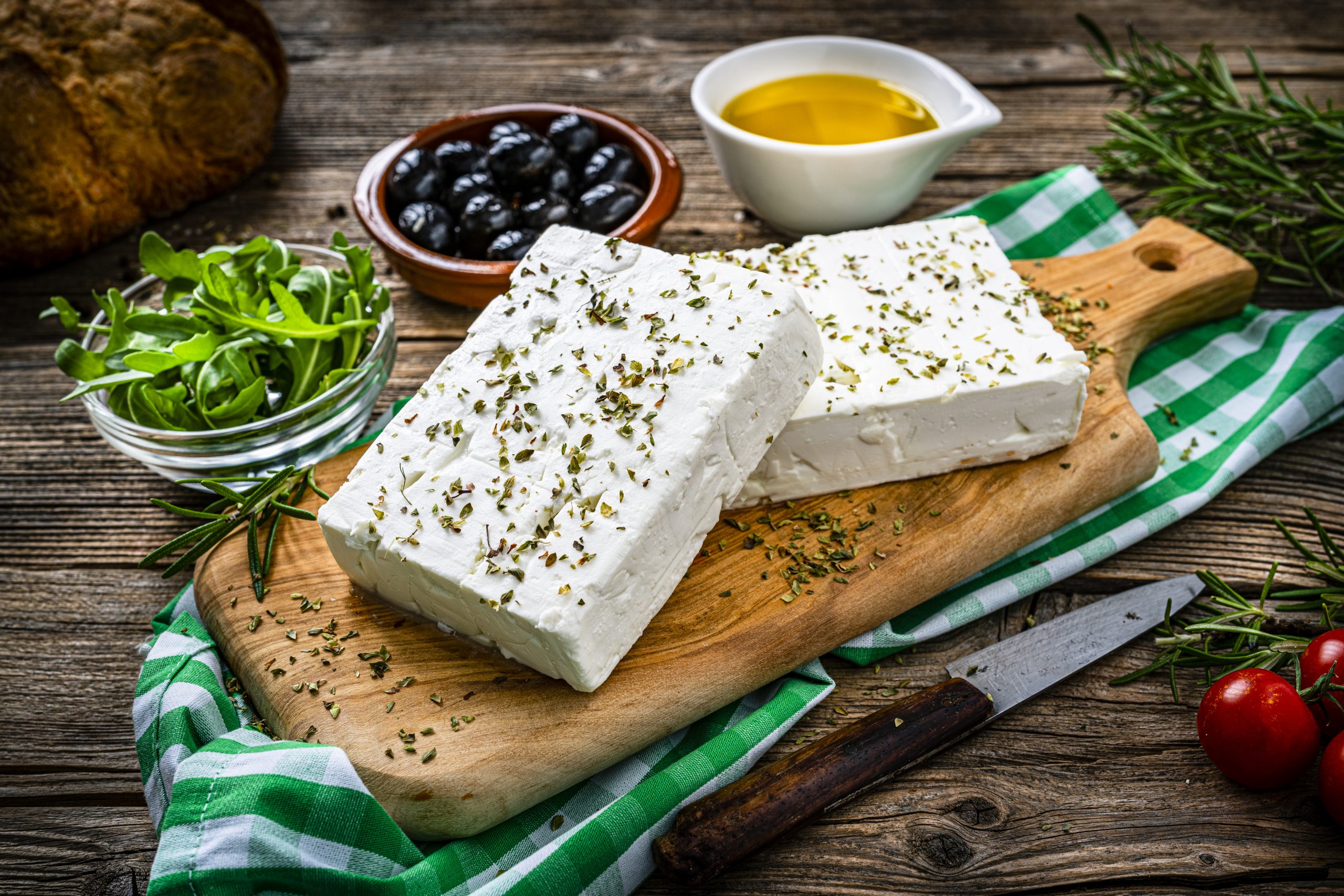
Feta cheese is one of those pregnancy foods that gets a bad reputation — and honestly, it doesn’t fully deserve it. If you’ve been avoiding it entirely out of caution, you might be missing out on a nutritious, flavorful ingredient that’s actually fine to eat during pregnancy under the right conditions.
The key word there is conditions. Whether feta is safe for you and your baby comes down to one critical factor — and once you understand it, you’ll be able to make confident, informed choices every time you sit down to eat. Let’s break it all down clearly, trimester by trimester, situation by situation.
Important Note: This article is for educational purposes only and is not intended as medical advice. Always consult with your OB-GYN or midwife before making changes to your pregnancy diet.
The Short Answer
Yes, you can eat feta cheese while pregnant — but with one important caveat: it must be made from pasteurized milk. That’s the whole ballgame right there.
Pasteurization is a process that kills harmful bacteria like Listeria monocytogenes, which can cause serious pregnancy complications. As long as your feta is pasteurized and stored properly, it’s not just safe — it’s actually a nutritious addition to your pregnancy diet.
Most commercially produced feta cheese in supermarkets is made with pasteurized milk, especially in countries like the US, UK, Australia, and Canada, where food safety regulations are strict. So if you’re buying a standard supermarket block or crumbled container, there’s a good chance you’re already in the clear — you just need to confirm it on the label.
Pro Tip: Look for the exact phrase “made from pasteurized milk” on the packaging. If the label doesn’t specify, treat it as unpasteurized and skip it.
Why It’s a Concern
Feta falls into the “soft cheese” category, and soft cheeses have earned extra scrutiny during pregnancy for good reason. The main risk of eating feta cheese, or any soft cheese during pregnancy, is that it can contain a harmful type of bacteria called Listeria monocytogenes that can be very harmful to your unborn baby.
This is a sneaky bacteria found in a lot of animal and dairy products and thrives at refrigeration temperatures — meaning refrigerating unpasteurized feta can actually make it worse. What makes it particularly dangerous is that cheese may appear and smell completely normal even with the bacteria present, so you’d have no way of knowing if it’s there — and you might not have any symptoms after eating it, either.
Pregnant women are about 10 times more likely to get listeriosis than the general population, and the infection can cross the placenta and affect the developing baby. Symptoms may be mild in the mother — resembling flu-like symptoms — but the consequences for the baby can be severe.
According to the CDC, Hispanic women who are pregnant have a 24 times higher risk of developing illness from Listeria, making awareness especially important across all communities. You can learn more about foods and beverages to avoid during pregnancy to build a fuller picture of safe eating during this time.
What the Research Actually Says
Here’s where things get more nuanced — and more reassuring. The concern around feta isn’t about feta itself; it’s specifically about unpasteurized feta. As OB-GYN Dr. Renita White explains: “As long as the cheese is pasteurized, it is safe for pregnant women to eat feta cheese and other soft cheeses. Unpasteurized cheeses have a risk of contamination with a bacteria called listeria, which can be dangerous to a pregnancy.”
Feta cheese actually has many health benefits, making it one of the best cheese choices in or out of pregnancy. “It contains protein, calcium and vitamin D,” says Dr. White. “Calcium and vitamin D are important for bone health. In addition, getting adequate levels of Vitamin D in your diet decreases the risk of pre-eclampsia and gestational diabetes in pregnancy.”
Pasteurized feta provides valuable nutrients including calcium (which supports the development of the baby’s bones and teeth), protein (important for fetal growth and maternal tissue repair), and vitamins and minerals like vitamin B12, zinc, and phosphorus — all of which contribute to a balanced pregnancy diet.
The CDC still warns there’s always a risk for pregnant women when they eat soft cheeses — even pasteurized products could contain bacteria if the cheese is made in a factory with unsanitary conditions. However, this risk is considered low when you’re purchasing commercially packaged, labeled pasteurized feta from a reputable retailer.
Research on powerful nutrients found in whole foods consistently highlights calcium and B vitamins — both of which feta delivers — as critical for cellular health and development.
Key Insight: The science supports eating pasteurized feta during pregnancy. The concern is real but specific — it applies to unpasteurized feta, not to all feta across the board.
How to Do It Safely
Once you’ve confirmed your feta is pasteurized, a few simple habits will keep you and your baby safe throughout all three trimesters.
Safe Serving Amounts
Pregnant women can enjoy feta cheese in moderation — about 1–2 tablespoons (approximately 28–57 grams) per serving, consumed 2–3 times a week. Feta is naturally salty and flavorful, so a little goes a long way.
Like many types of cheese, feta tends to be high in sodium. Excessive sodium intake during pregnancy can contribute to conditions like high blood pressure and preeclampsia, which can pose risks to both the mother and the developing fetus. Keeping portions moderate helps you enjoy the benefits without overloading on salt.
Trimester-by-Trimester Guidance
- First Trimester: You can eat feta in the first trimester if it’s made from pasteurized milk. Pasteurization kills harmful bacteria, making it safe for you and your baby — just always check the label.
- Second Trimester: It’s actually advisable to start incorporating feta more regularly into your diet during the second trimester, when nutrient needs increase. The calcium and protein support your baby’s growing bones and tissues.
- Third Trimester: You can enjoy feta in the third trimester as long as it’s pasteurized — it offers essential nutrients like calcium, aiding in your baby’s bone development.
Safe Preparation Methods
- Cooked feta: Thoroughly cooking any type of cheese until steaming hot will destroy harmful pathogens that may be present. Most harmful bacteria like Listeria do not survive temperatures above 75°C/165°F. Baked feta pasta, warm feta on pizza, or melted feta in a quiche are all excellent options.
- Cold feta in salads: Safe as long as it’s confirmed pasteurized and freshly opened from sealed packaging.
- Feta from supermarket packages: Generally the safest choice — sealed, labeled, and commercially produced under regulated conditions.
Storage and Handling Tips
- Store feta properly in the refrigerator at or below 40°F (4°C).
- Use feta within the timeframe indicated on the packaging once opened.
- Always double-check the label, ask at restaurants, or confirm with the vendor if the feta is pasteurized.
- Avoid leaving feta at room temperature for extended periods.
For a broader look at how your food choices affect your overall wellbeing, explore these superfoods for a healthy heart and foods that boost brain health — both relevant during pregnancy when supporting your own body matters just as much as supporting your baby’s development.
When to Avoid It Completely
Even with all the good news about pasteurized feta, there are specific situations where you should skip it entirely. Knowing these clearly will help you navigate menus, farmers markets, and grocery stores with confidence.
Skip Feta When You Can’t Confirm Pasteurization
Steer clear of unpasteurized feta, often found in imported, artisanal, or farmer’s market varieties, as it carries a higher risk of listeria contamination. Traditional feta is historically made with a mixture of sheep’s and goat’s milk, and while most commercial versions are pasteurized, traditional feta is made with raw milk.
Avoid Deli Counter and Open-Brine Feta
Avoid “fresh” feta sold in open brine tubs or from delis where pasteurization can’t be guaranteed. Even if the original product was pasteurized, open containers at deli counters carry cross-contamination risks from shared utensils and exposure to other foods.
Use Extra Caution in the First Trimester
While pasteurized feta is considered safe throughout pregnancy, the first trimester is when your immune system is most compromised and your baby is in its most critical developmental stage. If you’re feeling uncertain, waiting until the second trimester to reintroduce feta is a completely valid choice — and one many healthcare providers support.
If You Have Specific Risk Factors
Listeria is most harmful to individuals who are pregnant, over the age of 65, or have compromised immune systems. If you have a weakened immune system due to another health condition, talk to your OB-GYN before eating any soft cheese, pasteurized or not. Don’t be shy about chatting with your OB/GYN if you’re unsure or if you’ve accidentally eaten unpasteurized feta.
Common Mistake: Assuming that because a dish contains feta it must be safe — always ask about the source, especially at restaurants, where chefs may use imported or artisanal varieties without knowing the pasteurization status.
For a comprehensive overview of which foods require extra care during pregnancy, the complete guide to foods and beverages to avoid during pregnancy is a helpful companion resource. You might also find it useful to review the pros and cons of eating seafood during pregnancy, as similar pasteurization and contamination principles apply.
Quick Reference Chart
| Feta Type / Situation | Safety Status | Notes |
|---|---|---|
| Pasteurized feta (supermarket, sealed package) | ✅ Safe | Confirm “pasteurized milk” on label; store below 40°F |
| Pasteurized feta, cooked until steaming hot | ✅ Safe | Cooking to 165°F destroys any remaining bacteria |
| Pasteurized feta in salads or cold dishes | ✅ Safe (with caution) | Must be freshly opened from sealed packaging; confirm pasteurized |
| Unpasteurized feta (artisanal, imported, farmer’s market) | ❌ Avoid | High risk of Listeria contamination |
| Feta from open deli counter / brine tub | ❌ Avoid | Cross-contamination risk; pasteurization status often unknown |
| Restaurant feta (unconfirmed source) | ⚠️ With Caution | Always ask if pasteurized before ordering |
| Traditional Greek PDO feta (imported, raw milk) | ❌ Avoid | Traditionally made from raw milk; avoid unless label confirms pasteurized |
| Any feta — first trimester | ⚠️ With Caution | Extra vigilance recommended; consult your provider if unsure |
| Feta with high sodium intake | ⚠️ With Caution | Limit to 1–2 tbsp per serving, 2–3x per week to manage sodium |
Want to expand your pregnancy-safe eating plan? Explore whole plant-based foods that pair beautifully with feta in salads and grain bowls, and check out these nutrient-dense foods that support hormonal and reproductive health.
Frequently Asked Questions
Can I eat feta in a Greek salad while pregnant?
Yes, you can eat feta in a salad as long as it’s made from pasteurized milk. Be cautious when eating out, and always ask if the feta is pasteurized to ensure its safety. At home, use a sealed, labeled supermarket package and you’re good to go.
What happens if I accidentally ate unpasteurized feta?
Don’t panic. One accidental exposure doesn’t guarantee illness. Monitor yourself for symptoms of listeriosis — which can include fever, muscle aches, chills, nausea, or diarrhea — and contact your healthcare provider right away if you develop any of them. Be aware of the symptoms of listeriosis so you can seek medical treatment if you develop it. Early treatment is very effective.
Is feta on pizza safe during pregnancy?
Yes, if the feta cheese is pasteurized, it’s safe to eat on pizza or any other dish. Cooking feta further reduces the risk of bacteria, but pasteurization is the key to safety. Piping hot baked or melted feta is one of the safest ways to enjoy it.
Is feta safe in all three trimesters?
Yes — pasteurized feta is considered safe throughout all three trimesters. It’s advisable to start incorporating feta into your diet during the second trimester if you want to be extra cautious in the first, but there’s no hard rule against eating pasteurized feta at any stage of pregnancy.
Is the myth true that all feta causes miscarriage?
A common myth is that all feta cheese is unsafe during pregnancy — in reality, pasteurized feta is safe and nutritious. Another myth is that feta causes miscarriages, which is false if you consume pasteurized cheese. The risk comes from the bacteria potentially present in unpasteurized feta, not from feta as an ingredient itself.
How much feta can I eat per week while pregnant?
Pregnant women can enjoy feta cheese in moderation — about 1–2 tablespoons (approximately 28–57 grams) per serving, 2–3 times a week. This gives you the nutritional benefits — calcium, protein, B vitamins — while keeping sodium intake at a reasonable level. Pair it with nutrient-rich whole foods for a well-rounded pregnancy plate.
What cheeses should I completely avoid during pregnancy?
Soft, unpasteurized cheeses like feta, Brie, Camembert, blue-veined cheeses, and goat cheese — as well as ready-to-eat meats like hot dogs and deli meats — may contain Listeria, which can be very dangerous for unborn babies. The unifying rule: always check for pasteurization, regardless of the cheese type. For a full breakdown of what to avoid, see this pregnancy food safety guide.