Can You Eat Steak While Pregnant? What’s Safe, What’s Not, and How to Enjoy It

April 6, 2026
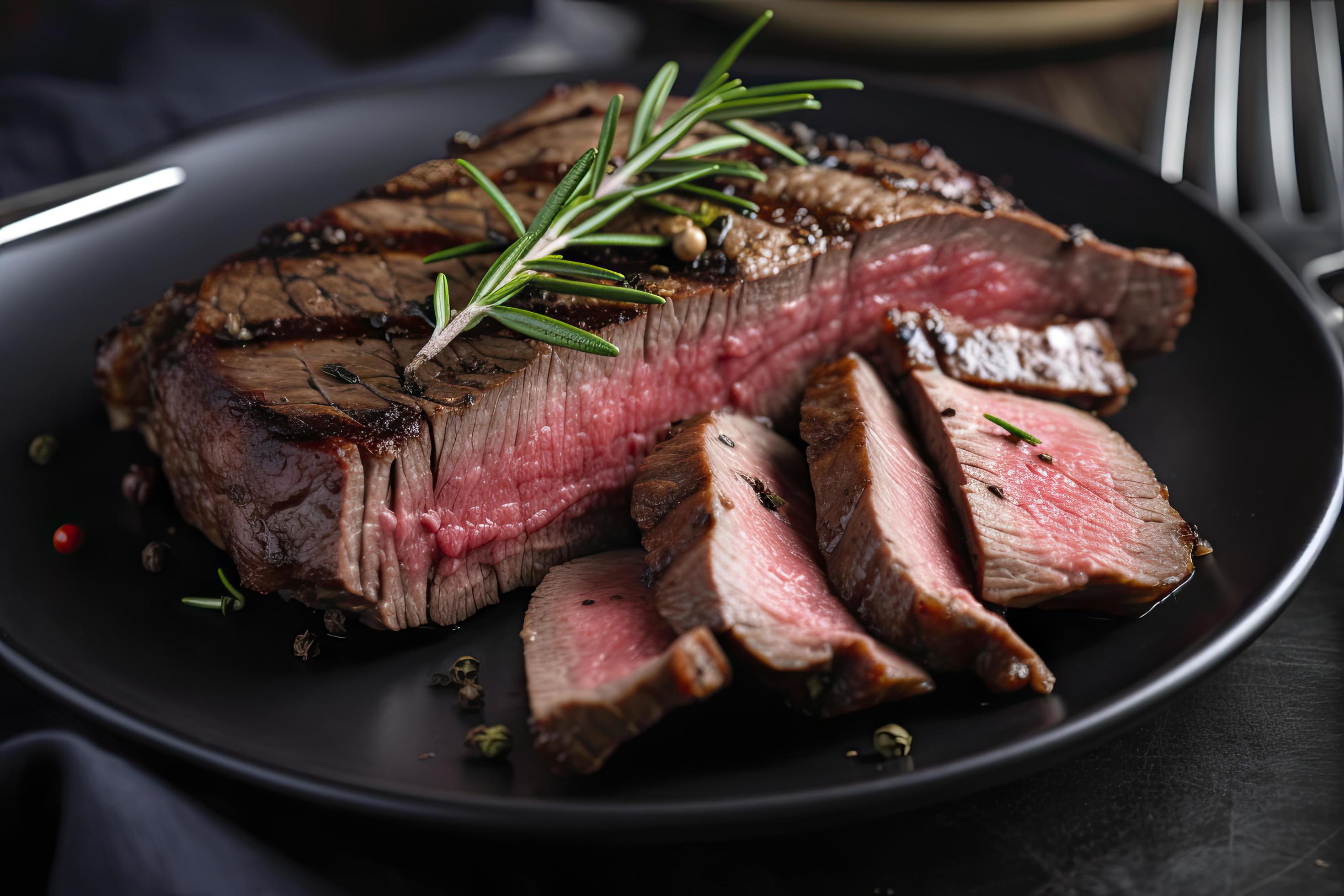
If you’re pregnant and craving a juicy steak, here’s the reassurance you came for: you don’t have to give it up. Steak is absolutely on the table during pregnancy — you just need to know one critical rule before you fire up the grill or sit down at a restaurant.
The good news is that beef is actually one of the most nutrient-dense foods you can eat while pregnant, loaded with the iron, protein, and B vitamins your growing baby needs most. The not-so-good news? How that steak is cooked makes all the difference between a nourishing meal and a real risk to you and your baby.
This guide walks you through everything — the safe temperature to hit, the pathogens to watch out for, what the science says, how to handle steak in each trimester, and a quick-glance chart so you always know exactly where you stand. If you’ve been wondering whether you can eat steak while pregnant, consider this your definitive, no-fluff answer.
The Short Answer
Yes — you can eat steak while pregnant. You can eat steak while pregnant as long as it’s cooked to a safe internal temperature of 145°F (63°C) or higher. That’s it. That’s the rule.
At that temperature, your steak falls somewhere between medium and medium-well — still flavorful, still satisfying, and completely safe for you and your baby. Eating steak during pregnancy is safe and can even be beneficial when cooked properly.
The concern isn’t steak itself. Undercooked steak can pose serious risks due to bacteria and parasites that can harm both mom and baby — the key is to focus on how it’s cooked. Order it right, cook it right, and you’re in the clear.
Pro Tip: Invest in an instant-read meat thermometer. It takes the guesswork out of every steak you cook at home during pregnancy — and it costs less than a restaurant meal.
Why It’s a Concern
Pregnancy changes your immune system in a significant way. Your immune system is naturally suppressed during pregnancy — it’s busy preventing your body from rejecting your baby as a “foreign object.” This makes you more vulnerable to foodborne illnesses like listeriosis and toxoplasmosis that can live in undercooked meat.
That vulnerability isn’t trivial. According to the USDA Food Safety and Inspection Service, pregnant women are 10 times more likely to get listeriosis than the general population. That’s a meaningful increase in risk — which is exactly why cooking temperatures matter so much right now.
There are two main pathogens to know about when it comes to undercooked beef:
- Listeria monocytogenes: Listeria can be found in undercooked meats and unpasteurized dairy products and causes listeriosis, a rare but serious infection. Pregnant women might have mild flu-like symptoms, but the infection can lead to miscarriage, stillbirth, or severe infections in newborns.
- Toxoplasma gondii: Toxoplasmosis is a type of foodborne illness caused by the parasite Toxoplasma gondii, which can be found in raw and undercooked meat. Toxoplasmosis can be particularly harmful to pregnant women and their unborn babies. Some pregnant women who are infected may not experience any symptoms, while others may experience fever, headache, and muscle pain. As for the unborn baby, toxoplasmosis can lead to preterm birth, stillbirth, and even miscarriage.
There’s also an important distinction between steak and ground beef worth knowing. Whole muscle cuts like steak are inherently safer than ground beef. With steak, bacteria only live on the outside surface — when you sear the outside, you’re killing the bacteria where it lives. With ground beef, the contaminated outside surface gets ground up and mixed throughout the meat, which is why burgers need to be cooked to 160°F with no pink inside.
Important Note: The risks above are real but manageable. Hitting 145°F eliminates the danger entirely. You don’t need to avoid steak — you just need to cook it to the right temperature.
What the Research Actually Says
The science here is clear and consistent: properly cooked steak is not just safe during pregnancy — it’s genuinely good for you. When cooked properly, steak can be a nutritional powerhouse. Pregnancy significantly increases your body’s demand for several key nutrients, many of which are found in beef.
Here’s what the research highlights about steak’s nutritional value during pregnancy:
- Protein: Protein plays a big part in supporting fetal tissue development, especially the brain, and helps maintain muscle mass during pregnancy. Studies show that pregnant women who included beef in their diets had a significantly higher overall protein intake and were much less likely to fall short on their protein needs.
- Heme Iron: Iron is essential for making extra blood for both mom and baby. Steak contains heme iron, which is more easily absorbed than plant-based iron. One study showed 21% higher iron intake in beef consumers.
- B Vitamins: Beef is a rich source of B6, B12, riboflavin, niacin, thiamin, and pantothenic acid, which support brain and nervous system development.
On the iron front, the research is especially compelling. When maternal iron intake is insufficient, the fetus primarily uses iron for the synthesis of hemoglobin for its survival, leaving out the development of the central nervous system. This means all neuronal processes, the synthesis of neurotransmitters, myelinated fibers, and glial cells can be dramatically compromised, with permanent damage to the child’s neurocognitive development.
Heme iron — the kind found in beef — is also uniquely bioavailable. The non-heme iron found in plants is not efficiently absorbed by the body. The heme iron of red meat boasts a high percentage of absorption that has no equal, and the simultaneous presence of meat in a meal helps to even increase the absorption of iron from vegetables.
For women who are concerned about foodborne illness risks, a MotherToBaby fact sheet from NCBI confirms that while raw or undercooked meat does carry risk, properly cooked meat at safe temperatures eliminates those pathogens entirely. The risk is real — but entirely preventable.
Key Insight: Iron requirements increase dramatically across pregnancy — from roughly 0.8 mg/day in the first trimester to over 6 mg/day in the third. Steak’s heme iron is one of the most efficient ways to meet that rising demand.
How to Eat Steak Safely During Pregnancy
Eating steak safely while pregnant comes down to a few consistent habits — whether you’re cooking at home or ordering at a restaurant. Here’s exactly what to do.
The Temperature Rule
The FDA recommends cooking beef, pork, veal, and lamb roasts, steaks, and chops to at least 145°F (63°C), with a 3-minute rest time. That rest time matters — the internal temperature continues to rise slightly after you pull the steak off the heat, finishing off any remaining pathogens.
The only way to make sure your steak is at a safe temperature is to use a meat thermometer. Color alone is not a reliable indicator — a steak can look pink and still be at 145°F, or look brown and still be underdone in the center.
Doneness Levels at a Glance
| Doneness Level | Internal Temp | Safe During Pregnancy? |
|---|---|---|
| Blue / Rare | 115–130°F | ❌ Not safe |
| Medium-Rare | 130–135°F | ❌ Not safe |
| Medium | 136–144°F | ⚠️ Below threshold — not recommended |
| Medium-Well | 143–155°F | ✅ Safe if confirmed at 145°F+ with thermometer |
| Well-Done | 155°F+ | ✅ Safe |
Safe Prep at Home
- Use a clean meat thermometer — insert it into the thickest part of the steak, making sure it doesn’t touch the pan.
- Let it rest 3 minutes after reaching 145°F before cutting or eating.
- Wash all surfaces — wash cutting boards, dishes, and utensils (including knives), and countertops with soap and hot water after they come in contact with raw meat.
- Never marinate at room temperature — marinade used on raw meat contains raw juices, which may harbor harmful bacteria, and bacteria grow rapidly at room temperature. Foods should always be refrigerated while marinating.
- Separate raw meat from ready-to-eat foods — separate raw meat, poultry, and seafood from ready-to-eat foods in your grocery shopping cart, refrigerator, and while preparing and handling foods at home.
- Store properly — your refrigerator should register at 40°F (4°C) and the freezer at 0°F (-18°C).
Ordering Steak at a Restaurant
There’s nothing wrong with dining out during pregnancy — it’s unrealistic for most people to make every single meal at home for nine months. When you’re at a restaurant:
- Order medium-well or well-done.
- A medium-well-done steak will most likely reach above the minimum internal temperature of 145°F. If you’re concerned, you can inform your waiter or waitress that you’re pregnant and need your meat cooked thoroughly.
- If you’re unsure, it’s okay to ask the kitchen to use a thermometer.
Trimester Considerations
The safety rule stays the same across all three trimesters — always cook to 145°F. But your nutritional need for steak’s iron actually increases as your pregnancy progresses.
Although iron requirements are reduced in the first trimester because of the absence of menstruation, they rise steadily thereafter. Translated into daily needs, the requirement is approximately 0.8 mg in the first trimester, between 4 and 5 mg in the second trimester, and more than 6 mg in the third trimester.
During the third trimester, baby’s growth accelerates — this is the stage where most of the iron transfer from mom to baby occurs. The body’s iron requirements increase to 3.0–7.5 mg per day, reaching as high as 10 mg per day during the last 6 to 8 weeks of pregnancy. This makes iron-rich foods like steak especially valuable in your third trimester. You can also explore other nutrient-dense foods that support your body’s increasing demands during this time.
If you’re also managing other dietary needs during pregnancy, check out this overview of foods and beverages to avoid during pregnancy for a complete picture of what to steer clear of.
Pro Tip: Pair your well-cooked steak with a vitamin C-rich side — like roasted bell peppers or a tomato salad. Vitamin C enhances the absorption of iron from your meal, making it even more effective for you and your baby.
When to Avoid It Completely
While steak is generally safe when cooked properly, there are specific situations where you should skip it entirely or proceed with extra caution.
- Raw or undercooked steak of any kind — raw or undercooked steak can contain harmful bacteria such as E. coli, Salmonella, and Listeria, which can cause food poisoning and bacterial infections. These conditions can lead to severe complications, such as preterm labor, miscarriage, and stillbirth.
- Steak tartare or carpaccio — these dishes are intentionally raw or barely seared and are never safe during pregnancy.
- Steak from unknown or questionable sources — if you can’t verify how the meat was handled, stored, or cooked, it’s better to skip it.
- Leftover steak that’s been sitting out — food should not be left sitting out on the counter for long periods. No food should be left out for longer than 2 hours, or longer than 1 hour on a hot day.
- Liver and organ meats — liver contains a lot of vitamin A, which in high doses can harm your unborn baby. It’s best to avoid eating liver and all products containing liver like pâté, sausages, or haggis.
- Cold cured beef products — you should be cautious eating any cold cured meat during pregnancy, as they are just cured and fermented rather than cooked, which means they could contain toxoplasmosis-causing parasites.
- If you have a compromised immune system — if you have a condition that further suppresses your immune system on top of pregnancy, speak with your healthcare provider before eating any red meat.
For a broader look at pregnancy food safety, the CDC’s food safety guide for pregnant women is an excellent resource to bookmark. You may also find it helpful to read about the pros and cons of eating seafood during pregnancy, as similar safety principles apply.
Common Mistake: Relying on color to judge doneness. A steak can look brown on the outside and still be dangerously undercooked inside. Always use a thermometer — it’s the only reliable method.
Quick Reference Chart
Use this chart to quickly check whether a steak preparation is safe, unsafe, or requires caution during pregnancy. Save it, screenshot it, or share it with your partner before your next cookout.
| Steak Type / Situation | Safety Status | Notes |
|---|---|---|
| Well-done steak (155°F+) | ✅ Safe | Safest option; no pink, no risk |
| Medium-well steak (confirmed 145°F+ with thermometer) | ✅ Safe | Must verify temperature; don’t guess by color |
| Medium steak (136–144°F) | ⚠️ Use Caution | Below the FDA threshold; not recommended |
| Medium-rare steak (130–135°F) | ❌ Unsafe | Below safe temperature; skip during pregnancy |
| Rare or blue steak (under 130°F) | ❌ Unsafe | Significant pathogen risk; avoid entirely |
| Steak tartare / carpaccio | ❌ Unsafe | Raw preparation; never safe during pregnancy |
| Grilled steak at a restaurant (ordered medium-well or well-done) | ✅ Safe | Communicate your pregnancy needs to your server |
| Leftover steak (reheated to 165°F) | ✅ Safe | Reheat thoroughly; do not eat cold |
| Cold cured beef (e.g., bresaola) | ⚠️ Use Caution | Not cooked; potential parasite risk |
| Beef liver or organ meats | ❌ Avoid | Excess vitamin A can harm fetal development |
| Steak from unknown or questionable source | ⚠️ Use Caution | Verify handling and cooking before eating |
| Steak marinated and cooked at home (145°F+) | ✅ Safe | Follow proper food handling; refrigerate while marinating |
For a complete reference on what to eat and avoid across your entire pregnancy diet, this guide to foods and beverages to avoid during pregnancy covers everything in one place. And if you’re thinking about supporting your overall health through nutrition, these heart-healthy superfoods are worth exploring alongside your protein choices.
Frequently Asked Questions
Can I eat medium-rare steak while pregnant?
No, it’s not recommended to eat medium-rare steak while pregnant. Medium-rare steak is typically cooked to 130–135°F, which is below the USDA-recommended minimum internal temperature of 145°F. The risk isn’t worth it — opt for medium-well or well-done instead.
What temperature does steak need to be for pregnancy?
Pregnant individuals should ensure steak is cooked to at least 145°F (63°C) with a rest time of 3 minutes to reduce infection risk. This is the FDA and USDA standard, and it applies to all whole-muscle beef cuts.
I accidentally ate undercooked steak while pregnant. What should I do?
Don’t panic — one exposure doesn’t guarantee illness. Monitor yourself for symptoms like fever, chills, muscle aches, nausea, vomiting, or diarrhea over the next few days. These infections can cause serious complications including miscarriage, stillbirth, or severe illness in newborns in rare cases, so if you develop any symptoms, contact your healthcare provider promptly. Most people don’t get sick from a single exposure, but it’s always worth checking in with your doctor for peace of mind.
Is steak good for you during pregnancy?
Absolutely. Steak provides high-quality protein, iron, and B vitamins — nutrients that support fetal development and maternal health. The heme iron in beef is particularly valuable because it’s absorbed more efficiently than iron from plant sources, which is critical as your iron needs increase across each trimester. You can learn more about brain-boosting foods that complement steak’s nutritional benefits during pregnancy.
Can I eat steak in the first trimester?
Yes — the same rules apply in every trimester. Cook it to 145°F, rest it for 3 minutes, and handle it safely. The first trimester is actually when toxoplasmosis poses the greatest developmental risk to your baby, so being extra careful about cooking temperatures is especially important early on. Infants born to a person who had toxoplasmosis infection during the first trimester have about a 10–15% chance of being born with the infection themselves, and while transmission increases later in pregnancy, the most observed effects are seen with first trimester infection.
Can I eat steak at a steakhouse while pregnant?
There’s nothing wrong with dining out during pregnancy — it’s unrealistic for most people to make every single meal at home for nine months. Simply order medium-well or well-done, let your server know you’re pregnant if you feel comfortable, and ask them to ensure it’s cooked thoroughly. You can also pair your meal with nutrient-rich sides — check out these skin-healthy foods that make great additions to a balanced pregnancy plate.
Does the cut of steak matter during pregnancy?
Not significantly from a safety standpoint — the temperature rule applies to all whole-muscle beef cuts. However, leaner cuts like sirloin, tenderloin, or eye of round offer more protein relative to fat, which may be worth considering if you’re watching saturated fat intake. The most important factor will always be internal temperature, not the cut itself.
Is it safe to eat steak every day while pregnant?
Steak is nutritious, but variety matters. Most health guidelines recommend a balanced diet that includes a range of protein sources. Eating steak a few times per week is generally well-tolerated and beneficial, especially for iron intake. If you’re curious about building a more varied pregnancy diet, whole plant-based foods can complement your red meat intake beautifully — particularly for fiber, folate, and additional micronutrients.
Steak and pregnancy are genuinely compatible — it just takes a little intention. Hit 145°F, use a thermometer, and handle your meat safely, and there’s no reason you can’t enjoy every bite. For more guidance on building a safe and nourishing pregnancy diet, the FDA’s food safety guide for moms-to-be is one of the most reliable resources available.