Can You Eat Sausage While Pregnant? What’s Safe, What’s Not, and How to Enjoy It Without Worry

April 6, 2026
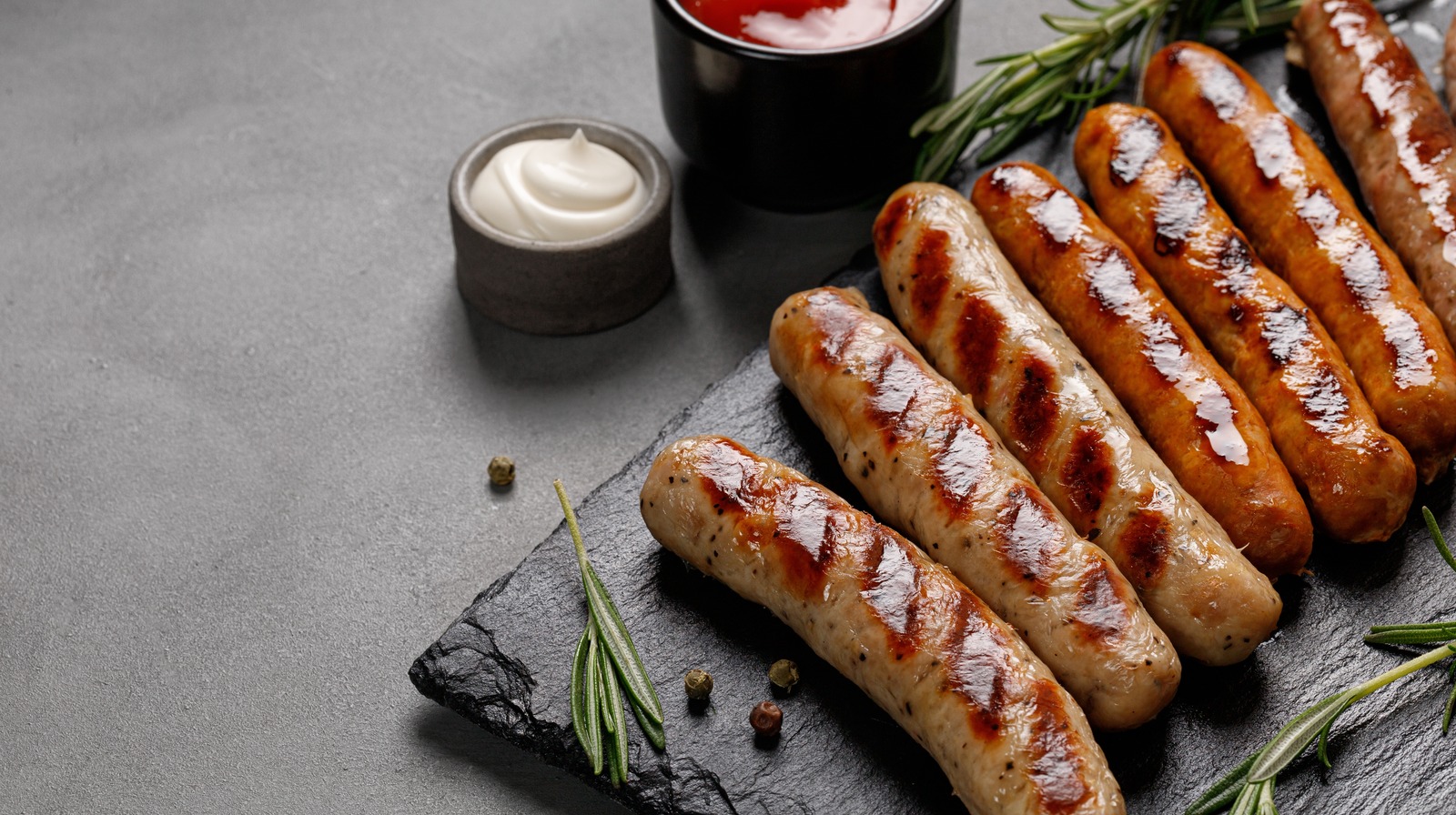
Pregnancy cravings hit at the worst times — and when that craving is for a sizzling breakfast sausage or a grilled bratwurst, the last thing you want is a vague, anxiety-inducing answer. The good news is that sausage doesn’t have to come off the table entirely during pregnancy. The key is knowing which types are safe, how to prepare them, and which ones to skip altogether.
Whether you’re eyeing a plate of scrambled eggs with breakfast links or craving a hearty Italian sausage pasta, this guide walks you through everything you need to know — clearly and confidently — so you can make the right call for you and your baby. You’ll also want to check out this full list of foods and beverages to avoid during pregnancy to stay on top of your prenatal diet beyond just sausage.
Medical Disclaimer: This article is for educational purposes only and is not intended as medical advice. Always consult with your OB-GYN or a registered dietitian before making changes to your pregnancy diet.
The Short Answer
Yes, you can enjoy sausage safely when you’re pregnant. But that “yes” comes with some important conditions attached. There are some food rules you’ll need to follow to ensure you and your baby don’t get sick.
Eating sausage is generally safe during pregnancy as long as it is thoroughly cooked. However, it’s important to avoid raw or undercooked sausage. The type of sausage also matters — fresh and smoked varieties that you cook yourself at home are generally the safest choices, while dry-cured, fermented, or cold deli-style sausages carry more risk.
The bottom line: cooked sausage = mostly safe. Raw, undercooked, or cold sausage = avoid. Keep reading for the full breakdown.
Why It’s a Concern
Sausage lands in a tricky spot during pregnancy for a few specific reasons. It’s not just about the meat itself — it’s about how it’s processed, stored, and prepared. Pregnant women are 10 times more likely to get a Listeria infection than the average healthy adult, which is why food safety rules that might seem overly cautious for everyone else genuinely matter when you’re expecting.
Here are the main concerns with sausage during pregnancy:
- Listeria monocytogenes: Listeria can grow at cold temperatures in refrigerators, but it is easily killed by heat. This means pre-cooked sausages stored cold are still a risk if not reheated properly.
- Toxoplasmosis: Raw or undercooked meat should be avoided during pregnancy due to the risk of toxoplasmosis, an infection with bacteria often found in raw meat.
- Salmonella: Symptoms of being infected with salmonella are severe — nausea, intense stomach ache, followed by diarrhea, vomiting, and frequent dehydration.
- Nitrates and nitrites: Preservatives in sausage can convert to harmful compounds, potentially affecting fetal development.
- High sodium and fat: Eating sausage can lead to excessive sodium, increasing blood pressure and risk of preeclampsia.
Even if you do not feel very sick from listeriosis, you can pass the infection to your fetus. During pregnancy, you are more likely to get listeriosis than the average healthy adult — likely because of changes in the immune system during pregnancy.
Important Note: Listeria symptoms can appear mild in a pregnant person — sometimes just a low fever or mild stomach upset — but the consequences for your baby can be severe. Never dismiss unusual symptoms after eating sausage. Contact your doctor right away.
What the Research Actually Says
Research paints a clear but nuanced picture: sausage is not inherently off-limits during pregnancy, but the way it’s handled makes all the difference. Cases of maternal, fetal, or neonatal listeriosis were more likely to have consumed high-risk dairy products, meat products, or some fruits during pregnancy. Cases of listeriosis were more likely to have consumed foods highlighted in population guidelines to minimize listeriosis.
The CDC and other health authorities consistently point to improper preparation — not sausage itself — as the primary culprit. Cooking and pasteurization are the only ways to kill Listeria. This means that a properly cooked sausage that reaches the right internal temperature eliminates the bacterial risk entirely.
On the nitrate front, research suggests that high levels of sodium nitrate from processed meats can potentially lead to various health concerns, which is essential to note when you’re pregnant. The United States Food and Drug Administration (FDA) limits the amount of sodium nitrate present in meats to no more than 500 parts per million. Eating sausage occasionally within those regulated limits is very different from making it a daily staple.
For a broader look at how certain food additives and preservatives factor into long-term health, see this guide on types of food preservatives and what they mean for your diet. You might also find this resource on cancer-causing foods to avoid helpful for understanding why limiting processed meats matters beyond just pregnancy.
Peer-reviewed research published in PMC also notes that there is an association between consumption of ready-to-eat products or products prepared in commercial establishments and a range of meat products and a higher risk of listeriosis in pregnancy, including uncooked, undercooked, processed, or smoked meats. This is why restaurant sausage requires extra caution — you can’t always verify cooking temperatures when eating out.
Key Insight: The risk from sausage during pregnancy is largely about preparation and type — not sausage in general. Properly cooked sausage at home is very different from cold deli sausage or raw fermented varieties.
How to Eat Sausage Safely During Pregnancy
With the proper precautions, you can eat sausage when pregnant without causing harm to yourself or your baby. Here’s exactly how to do it safely, from shopping to serving.
Step 1: Choose the Right Type
Fully cooked sausages such as chicken, turkey, or low-fat varieties are safer choices during pregnancy. When shopping, look for vacuum-sealed, pre-cooked options over bulk deli counter sausages. Start by choosing pre-cooked varieties (like smoked kielbasa) over raw fresh sausages, which require higher cooking precision.
Always check labels for lower sodium and preservative content to make healthier choices. Opt for nitrate-free or low-sodium versions when available, especially if you’re eating sausage more than once a week.
Step 2: Cook to the Right Temperature
Temperature is everything. Pregnant women can safely eat sausage only when fully cooked to 165°F (74°C), eliminating Listeria risks. Listeria is destroyed at 165°F (74°C), as confirmed by Mayo Clinic. Use a food thermometer to verify — visual cues like color or juices are unreliable.
Sausages made of ground beef, pork, lamb, or veal should reach 165°F. You need to cook the meat until there is no more pink left inside and the juices dry up.
Step 3: Never Eat Pre-Cooked Sausage Cold
This is one of the most common mistakes. Even “fully cooked” sausages must be reheated to 165°F (74°C) until steaming hot throughout. NHS guidelines warn that cold storage allows Listeria growth, which reheating destroys. Never eat pre-cooked sausage cold.
Microwaving may seem like an easy option, but microwaves heat unevenly — always use a thermometer post-heating.
Step 4: Handle and Store Safely
- Separate any raw meats from other ingredients in your refrigerator or when you’re prepping a meal.
- Refrigerate leftover sausage and eat it within two days, but only after reheating it until it is steaming hot.
- Wash your hands for at least 20 seconds before and after touching raw food.
- Wash your utensils, countertops, and cutting boards with soap and hot water after using them.
Sausage Safety by Trimester
You can eat sausage during the first trimester, but ensure it’s thoroughly cooked to avoid harmful bacteria. Choose lower-fat options when possible, and avoid varieties with high sodium levels. Proper cooking and moderation help you enjoy sausage safely during early pregnancy.
Eating sausage during the second trimester is safe if it’s well-cooked and consumed in moderation. Prioritize quality and opt for sausages with fewer additives. Balance your diet with plenty of fruits, vegetables, and whole grains to maintain a healthy pregnancy.
You can enjoy sausage in the third trimester, provided it’s fully cooked. Be cautious about sodium content, as it can contribute to swelling. Pair sausage with nutrient-rich foods and keep portions moderate to support overall health and baby’s development.
For more ideas on building a balanced, nutrient-rich pregnancy diet, explore these whole plant-based foods and powerful nutrient-dense foods that complement a well-rounded eating plan.
Pro Tip: Aim for no more than 1–2 servings of sausage per week during pregnancy, with each serving around 50–100 grams. Pair it with fiber-rich vegetables or whole grains to balance the fat and sodium content.
When to Avoid Sausage Completely
Even with the best intentions, some sausage situations call for a hard pass. Here’s when you should skip it entirely:
- Raw or undercooked sausage: Raw or undercooked sausage can contain harmful bacteria such as Listeria, which can cause serious complications during pregnancy.
- Dry, fermented, or cured sausages: The fermentation process and lack of moisture usually kill pathogenic bacteria in dry sausages. However, it is good to avoid dry sausages when you are pregnant as a few types of bacteria, such as E. coli, can survive the dry fermentation process. This includes pepperoni, summer sausage, and similar varieties.
- Cold deli-style sausage: Cold cuts from delis — even pre-cooked sausages sold refrigerated, like at salad bars — risk Listeria growth. NHS explicitly prohibits these.
- Sausage at restaurants (unless verified): When eating out, skip sausage dishes unless you can confirm cooking temps — most restaurants don’t disclose this.
- If you have heartburn: If heartburn is plaguing your pregnancy, you might want to skip on the sausage, hot dogs, pepperoni, and similar foods. These can be triggers for heartburn, which means they get your stomach acids brewing.
- If you have gestational diabetes: If you’re avoiding sausage due to gestational diabetes, opt for beans or lentils, as they have a lower glycemic index and provide similar benefits.
Common Mistake: Many pregnant women assume that “organic” or “grass-fed” sausage is automatically safer. Farming methods don’t kill pathogens — only proper cooking does, per CDC. Always cook to temperature regardless of the label.
For a complete picture of what to steer clear of throughout your pregnancy, this guide to foods and beverages to avoid during pregnancy is an excellent reference to bookmark. You may also find value in this overview of the pros and cons of eating seafood during pregnancy, since similar food safety principles apply.
Quick Reference Chart
Not sure about a specific type of sausage? Use this chart to make a fast, confident decision.
| Sausage Type | Status | Notes |
|---|---|---|
| Fresh sausage (fully cooked at home to 165°F) | ✅ Safe | Must be cooked thoroughly; no pink remaining; use a thermometer |
| Cooked/smoked sausage (reheated to steaming hot) | ✅ Safe | Must be reheated until 165°F even if labeled “fully cooked” |
| Chicken or turkey sausage (fully cooked) | ✅ Safe | Lower fat; leaner option; still must be cooked to 165°F |
| Plant-based / vegetarian sausage | ✅ Generally Safe | Cook per package instructions; check for raw egg or unpasteurized cheese in ingredients |
| Pre-cooked sausage (reheated at home) | ⚠️ With Caution | Must be reheated to 165°F; never eat cold from the fridge |
| Sausage at a restaurant | ⚠️ With Caution | Only if you can confirm it was cooked to proper temperature; when in doubt, skip it |
| Dry-cured / fermented sausage (pepperoni, salami, summer sausage) | ❌ Avoid | Fermentation doesn’t reliably kill all bacteria including E. coli; skip during pregnancy |
| Cold deli sausage (from a deli counter or salad bar) | ❌ Avoid | Listeria can grow in cold storage; not safe even if labeled “pre-cooked” |
| Raw or undercooked sausage | ❌ Avoid | Listeria, Salmonella, and Toxoplasma risk; never eat undercooked meat during pregnancy |
| Vienna sausage (canned or cold) | ❌ Avoid | High sodium, preservatives, and potential bacterial risk; minimal nutritional value |
Pairing your sausage with nutrient-dense sides is a smart move. These heart-healthy superfoods and fibroid-healing foods offer excellent, pregnancy-friendly accompaniments. For a well-rounded plate, consider adding brain-boosting options from this list of foods that boost brain health — great for both you and your developing baby.
Frequently Asked Questions
Can I eat breakfast sausage while pregnant?
Yes — as long as it’s fully cooked to 165°F with no pink remaining. Sausage is safe to eat during pregnancy if it is completely cooked and eaten hot. Breakfast links or patties cooked fresh at home are generally a fine choice in moderation.
Is it safe to eat sausage from a restaurant while pregnant?
Only if you confirm the internal temperature. Most restaurants don’t measure this, so avoid sausage dishes unless you can request well-done preparation and verify with a thermometer. When in doubt, it’s safer to skip it.
What happens if I accidentally ate undercooked sausage while pregnant?
Don’t panic — one exposure doesn’t guarantee illness. Symptoms of listeriosis can take 2–30 days to manifest (CDC), including fever, muscle aches, or nausea. During pregnancy, it may cause no symptoms in the mother but still lead to miscarriage or stillbirth. Contact your doctor or midwife immediately if you’re concerned.
Can I eat pepperoni or salami while pregnant?
Pepperoni and summer sausage fall under dry and semi-dry sausage varieties. The fermentation process and lack of moisture usually kill pathogenic bacteria, but it is good to avoid dry sausages when you are pregnant, as a few types of bacteria such as E. coli can survive the dry fermentation process. It’s best to skip these entirely or only eat them if cooked on a pizza or in a hot dish where they’ve been heated thoroughly.
How much sausage can I eat per week during pregnancy?
During pregnancy, it’s advisable to consume moderate amounts of sausage, ideally 1–2 servings per week, with each serving being about 50–100 grams. Enjoy your favorite sausages in moderation along with plenty of fresh fruits, vegetables, whole grains, dairy, and other protein-rich foods.
Are there healthier sausage alternatives during pregnancy?
Absolutely. Nutrient-dense alternatives that provide protein, healthy fats, and essential vitamins without pregnancy risks or high-fat content include options like beans, lentils, and lean proteins. Plant-based alternatives like Beyond Sausage are worth considering — they come in several flavors and boast 16 grams of protein per link with less saturated fat than their animal counterparts. You can also explore nutrient-rich foods for healthy skin and foods that support liver function to round out a pregnancy-friendly diet that goes well beyond the sausage question.
Is organic sausage safer during pregnancy?
A common misconception is that “organic or grass-fed sausage is inherently safer.” The reality: farming methods don’t kill pathogens — only proper cooking does, per CDC. Organic sausage still needs to be cooked to 165°F just like any other variety.