Is It Safe to Drink Unpasteurized Milk While Pregnant? Here’s What the Evidence Says

April 7, 2026
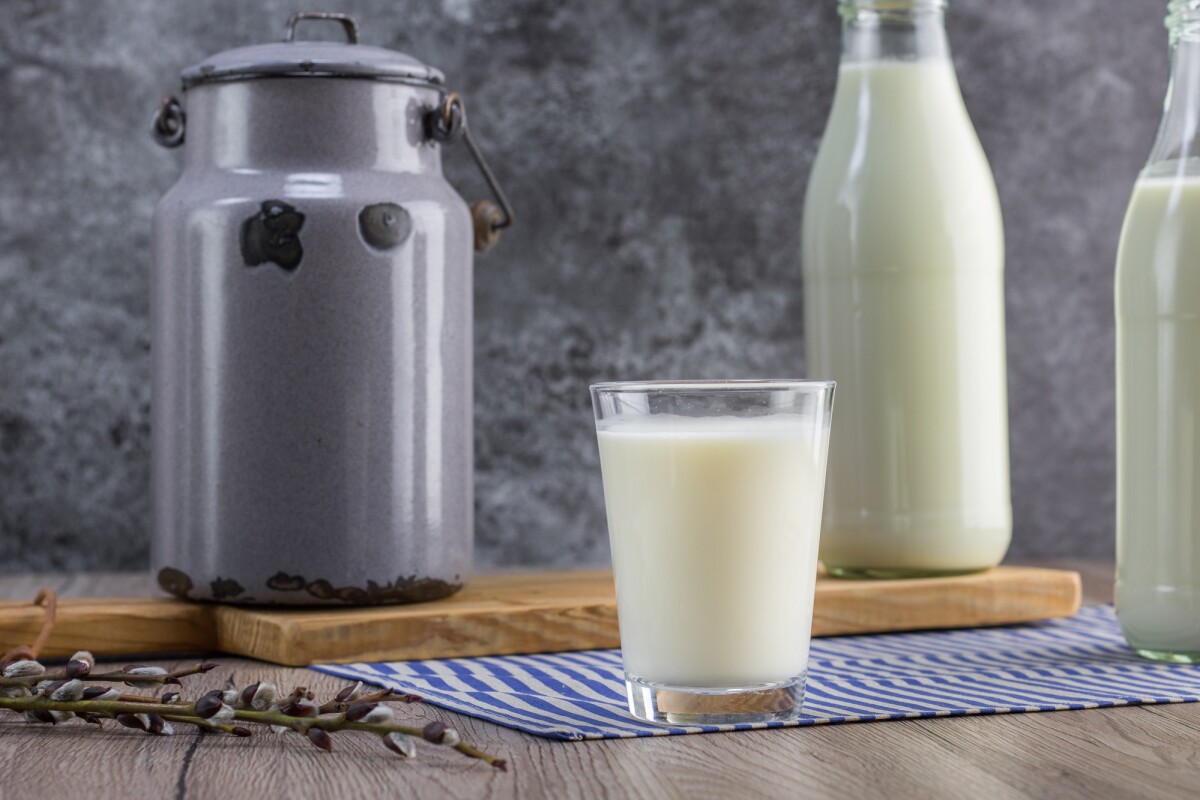
You’ve heard the buzz about raw milk — that it’s more natural, more nutritious, packed with beneficial enzymes that pasteurization supposedly destroys. Maybe a friend swears by it, or you stumbled across a farmers’ market stand selling it in beautiful glass bottles. Now you’re pregnant and wondering: can I drink unpasteurized milk?
Here’s the honest, no-fluff answer you deserve — backed by the most current medical research and every major food safety authority in the country. Because when you’re growing a baby, you need clarity, not conflicting wellness opinions.
Important Note: This information is for educational purposes only and is not intended as medical advice. Always consult with your OB-GYN or midwife before making any dietary decisions during pregnancy.
The Short Answer
No. You should not drink unpasteurized (raw) milk while pregnant. This isn’t a matter of personal preference or nutritional philosophy — it is a clear, unanimous recommendation from every major health authority, including the U.S. Food and Drug Administration (FDA) , the Centers for Disease Control and Prevention (CDC) , the American Academy of Pediatrics (AAP) , and the U.S. Food Safety and Inspection Service .
Pregnant women run a serious risk of becoming ill from the germ Listeria, which is often found in raw milk and can cause miscarriage, illness, or death of the newborn baby. That alone is enough to make this a firm “no” for the duration of your pregnancy — regardless of which trimester you’re in.
The good news? Pasteurized milk offers the same nutritional benefits without the risks of raw milk consumption. You’re not missing out on anything by making the safer choice.
Why It’s a Concern
Pregnancy naturally changes the way your immune system works. Immune system changes in pregnant women place the women themselves, their unborn children, and their newborns at increased risk of foodborne illness. These illnesses can be worse during pregnancy and may lead to miscarriage or premature delivery. Some foodborne illnesses, such as Listeria and Toxoplasma gondii, can infect the fetus even if the mother does not feel sick.
That last point is critical: you could drink contaminated raw milk, feel completely fine, and still pass a dangerous infection to your baby. Raw milk is a well-established vehicle for several serious pathogens.
Drinking or eating products made from raw milk can expose people to germs such as Campylobacter, Cryptosporidium, E. coli, Listeria, Brucella, and Salmonella. These aren’t rare, exotic bacteria — they’re found in raw milk from healthy-looking animals on well-managed farms.
Key Insight: “There have been recent studies demonstrating that even healthy dairy animals in good facilities carry some of these organisms on their udders, or the organisms are somewhere in their environment, and the milk can be contaminated with them.” — Dr. Yvonne Maldonado, Stanford University School of Medicine
Your elevated risk isn’t just slightly higher than the general population. Pregnant women face a 13- to 17-fold increased risk of invasive Listeria monocytogenes infection compared to the general population. That’s a dramatic difference — and it’s why the guidance for pregnant women is so much stricter than it is for everyone else.
Beyond Listeria, raw milk can contain numerous disease-causing germs, including Listeria, which can cause miscarriage, stillbirth, preterm birth, or fatal infection in newborns. Consuming raw milk products can also expose people to other pathogens, including avian influenza, Brucella, Tuberculosis, Salmonella, Campylobacter, Cryptosporidium, and E. coli.
You can also find a broader list of foods and beverages to avoid during pregnancy to make sure your entire diet is as safe as possible for you and your baby.
What the Research Actually Says
The raw milk debate has been going on for years, and proponents often argue that raw milk contains beneficial enzymes and nutrients that pasteurization destroys. Let’s look at what the research actually shows — not what wellness blogs claim.
Studies have shown repeatedly that raw milk and pasteurized milk contain equivalent levels of nutrients, such as proteins, carbohydrates, calcium, vitamins and enzymes. The nutritional case for raw milk simply doesn’t hold up under scientific scrutiny.
The benefits of these natural factors have not been clearly demonstrated in evidence-based studies and, therefore, do not outweigh the risks of raw milk consumption. Substantial data suggest that pasteurized milk confers equivalent health benefits compared with raw milk, without the additional risk of bacterial infections.
The outbreak data is equally sobering. According to the Centers for Disease Control and Prevention, from 1998 through 2018, there were 202 outbreaks linked to drinking raw milk. These outbreaks caused 2,645 illnesses and 228 hospitalizations. And that’s almost certainly an undercount — CDC points out that most foodborne illnesses are not a part of recognized outbreaks, and for every illness reported, many others occur.
Pro Tip: “We have no scientific evidence that consuming raw milk provides any advantages over pasteurized milk and milk products. But relative to the amount of raw-milk products on the market, we do see a disproportionately large number of diseases and illnesses from raw milk.” — Dr. Yvonne Maldonado, infectious disease expert, Stanford
The AAP’s policy statement on raw milk , which was reaffirmed as recently as June 2025, reflects the same conclusion. In issuing its statement, the academy takes a position in line with that of the American Medical Association, the American Veterinary Medical Association, the International Association for Food Protection, the National Environmental Health Association, the U.S. Food and Drug Administration, and the World Health Organization.
Real-world consequences back this up. The New Mexico Department of Health issued a warning against raw dairy products following the death of a newborn from Listeria infection. Health officials believe the most likely source of infection was unpasteurized milk the infant’s mother drank during pregnancy.
If you’re also curious about how specific foods affect your health more broadly, our guide on cancer-causing foods to avoid and powerful nutrients that fight cancer offer more insight into making informed food choices.
How to Handle It If You’ve Already Had Some
If you’ve already consumed unpasteurized milk before reading this — take a breath. One exposure doesn’t guarantee illness. But it does mean you should take a few practical steps right away.
- Monitor your symptoms closely for the next 1–4 weeks. Listeria symptoms can be delayed.
- Watch for fever (above 100.6°F / 38.1°C), muscle aches, nausea, vomiting, or diarrhea.
- Contact your OB-GYN or midwife and let them know what you consumed and when.
- Don’t panic if you feel fine — but don’t wait if symptoms develop.
Important Note: If you are pregnant, drinking raw milk — or eating foods made from raw milk — can harm your baby even if you don’t feel sick. When in doubt, call your care provider. It’s always better to check.
If you drank unpasteurized milk before realizing the risk — monitor for fever, muscle aches, or gastrointestinal upset, and consult your care provider. A single exposure can be enough to trigger infection, so don’t dismiss symptoms as ordinary pregnancy discomfort.
When to Avoid It Completely
The straightforward answer is: avoid unpasteurized milk throughout your entire pregnancy — all three trimesters, without exception. There is no “safe window” during pregnancy when raw milk becomes acceptable.
You should be especially vigilant in these situations:
- At farmers’ markets or roadside stands: Don’t buy milk or milk products at farmers’ markets or roadside stands unless you can confirm that they have been pasteurized.
- When the label is unclear: Safe milk will have the word “pasteurized” on the label. If the word “pasteurized” does not appear on a product’s label, it may contain raw milk.
- When eating soft cheeses: Many soft cheeses — including some feta, brie, queso fresco, and camembert — may be made with raw milk. Pick cheese made with pasteurized milk or hard cheeses like cheddar, instead of soft ones, like feta or brie.
- When dining out or at events: When dining out, ask directly: “Is this cheese made with pasteurized milk?” Don’t assume menu descriptors like “local” or “artisanal” imply safety.
- If you believe freezing or boiling makes it safe: Avoid the pitfall of believing that freezing or home boiling makes raw milk safe. Freezing doesn’t kill Listeria, and improper heating may not eliminate all pathogens.
Common Mistake: Assuming that “organic,” “grass-fed,” or “farm-fresh” raw milk is safer than conventional raw milk. Do not assume “natural” or “organic” raw milk is safer — the purported health benefits of raw milk have not been demonstrated in evidence-based studies and do not outweigh the serious infection risks.
Also remember that this extends beyond a glass of milk. Raw milk cheeses, raw milk yogurt, raw milk kefir, and any food made with unpasteurized dairy carry the same risks. Choosing pasteurized milk and dairy products is the best way to safely enjoy the nutritional benefits of milk.
For a broader look at what to avoid, explore our comprehensive resource on foods and beverages to avoid during pregnancy.
What to Do Instead
Here’s the great news: you don’t have to give up dairy — or the nutrients you need — just because raw milk is off the table. Pasteurized dairy gives you everything raw milk does, without the risk. Pasteurization doesn’t strip nutrients meaningfully. Calcium, protein, and vitamin D levels remain largely unchanged. What it does remove are dangerous microorganisms.
Here are your best, pregnancy-safe dairy options:
- Pasteurized whole, low-fat, or skim cow’s milk — the most direct substitute with full nutritional equivalence
- Pasteurized goat’s milk — a good option if you prefer it, as long as it’s labeled pasteurized
- Greek yogurt (pasteurized) — excellent protein source, great for gut health
- Pasteurized hard cheeses — cheddar, parmesan, Swiss, and gouda are all safe choices
- Pasteurized soft cheeses — cottage cheese, cream cheese, and mozzarella made with pasteurized milk are safe
- Fortified plant-based milks — consider fortified alternatives: soy, oat, or almond drinks that are unsweetened and calcium-fortified
Pro Tip: To avoid foodborne illnesses, only consume pasteurized milk and milk products, including yogurt and ice cream. Yes — that means pasteurized ice cream is fair game during pregnancy. Enjoy it.
If you’re wondering whether you’re getting enough fluids overall during pregnancy, our guide on drinking 8 cups of water a day is a helpful complement to your prenatal nutrition plan. Staying hydrated is just as important as eating well.
You might also find our article on superfoods for a healthy heart useful as you build out a pregnancy-safe diet that supports your long-term wellbeing too.
And if you’re curious about how dairy fits into a bigger picture of whole nutrition, take a look at our guide on whole plant-based foods for additional pregnancy-friendly ideas.
Quick Reference Chart
Use this at-a-glance guide to know exactly what’s safe, what’s risky, and what to avoid entirely during pregnancy.
| Item | Status During Pregnancy | Notes |
|---|---|---|
| Pasteurized whole/low-fat/skim milk | ✅ Safe | Best choice — nutritionally equivalent to raw milk with no risk |
| Ultra-pasteurized milk (UHT) | ✅ Safe | Even greater safety margin; same nutrients |
| Pasteurized Greek yogurt | ✅ Safe | Excellent protein and probiotic source |
| Pasteurized hard cheeses (cheddar, parmesan, Swiss) | ✅ Safe | Low moisture reduces bacterial risk; safe if pasteurized |
| Pasteurized soft cheeses (cottage cheese, cream cheese, mozzarella) | ✅ Safe | Must be made with pasteurized milk — check label |
| Fortified plant-based milks (soy, oat, almond) | ✅ Safe | Choose unsweetened, calcium-fortified versions |
| Pasteurized ice cream | ✅ Safe | Fine in moderation |
| Soft cheeses labeled “raw milk” or “unpasteurized” (feta, brie, queso fresco) | ⚠️ With Caution / Avoid | Safe ONLY if heated to 165°F until steaming; otherwise avoid |
| Aged raw milk cheeses (60+ days) | ⚠️ With Caution | E. coli can survive 60-day aging; still a risk — best avoided |
| Unpasteurized (raw) milk — cow, goat, sheep | ❌ Unsafe | Avoid completely — all trimesters, no exceptions |
| Raw milk yogurt or kefir | ❌ Unsafe | Same risks as raw milk; avoid entirely |
| “Farm-fresh,” “organic,” or “grass-fed” raw milk | ❌ Unsafe | Marketing terms do not indicate safety — still unpasteurized |
| Frozen raw milk | ❌ Unsafe | Freezing does NOT kill Listeria |
| Raw milk marketed for pets | ❌ Unsafe | Not safe for human consumption under any circumstances |
For more food safety guidance during pregnancy, explore our article on food and drink to stay informed across all areas of your prenatal diet.
Frequently Asked Questions
Can I drink raw milk if I boil it at home first?
Boiling raw milk at home can reduce — but not reliably eliminate — all pathogens if done improperly. The issue is that reaching and sustaining a consistent temperature throughout the milk requires precision. The modern pasteurization process raises milk temperature to at least 161°F for more than 15 seconds, followed by rapid cooling. Home boiling is inconsistent and can’t replicate this. Your safest option is always to buy commercially pasteurized milk.
Is raw milk from goats or sheep safer than cow’s milk during pregnancy?
No. Whether from cows, goats, or sheep, raw milk and milk products are a continuing source of bacterial infections that are especially dangerous to pregnant women, fetuses, the elderly, young children, and people with compromised immune systems. The animal source doesn’t change the risk — pasteurization status does.
What if I drank raw milk before I knew I was pregnant?
Don’t panic, but do act. Monitor for symptoms like fever, chills, muscle aches, nausea, or diarrhea. If you are pregnant and think you may have consumed contaminated raw milk or cheese, see a healthcare professional immediately. Your doctor may recommend monitoring or testing depending on your symptoms.
Does pasteurization destroy the nutrients in milk?
This is one of the most common myths about raw milk — and it’s not supported by evidence. Pasteurization does NOT reduce milk’s nutritional value. You get the same calcium, protein, vitamin D, and B vitamins from pasteurized milk as you would from raw milk — without the bacterial risk.
Are raw milk cheeses safe during pregnancy?
Most are not. Soft raw milk cheeses (brie, camembert, queso fresco) should be avoided or only consumed if heated to 165°F. Scientific evidence shows that Escherichia coli O157, a pathogenic strain that can cause severe symptoms and in some cases liver failure, can survive in raw-milk cheese even after 60 days of aging. When in doubt, choose cheeses made with pasteurized milk.
Is raw milk legal to buy during pregnancy?
Sales of raw or unpasteurized milk and milk products are still legal in at least 30 states in the United States. However, legality and safety are two completely different things. Just because something is sold legally doesn’t mean it’s safe for pregnant women.
Can raw milk cause miscarriage?
Yes, it can. Raw milk and milk products from cows, goats, and sheep continue to be a source of bacterial infections attributable to a number of virulent pathogens, including Listeria monocytogenes, Campylobacter jejuni, Salmonella species, Brucella species, and Escherichia coli O157. These infections can occur in pregnant women and their unborn fetuses, in whom life-threatening infections and fetal miscarriage can occur.
For more on building a nutrient-rich, pregnancy-safe diet, check out our resources on foods that boost brain health and foods for healthy skin — both of which include pregnancy-friendly options. And if you’re managing any underlying health conditions alongside your pregnancy, our guide on fibroid healing foods may also be a helpful read.