Arizona Apartment Costs: What You’ll Pay by City, Size, and Neighborhood

April 4, 2026
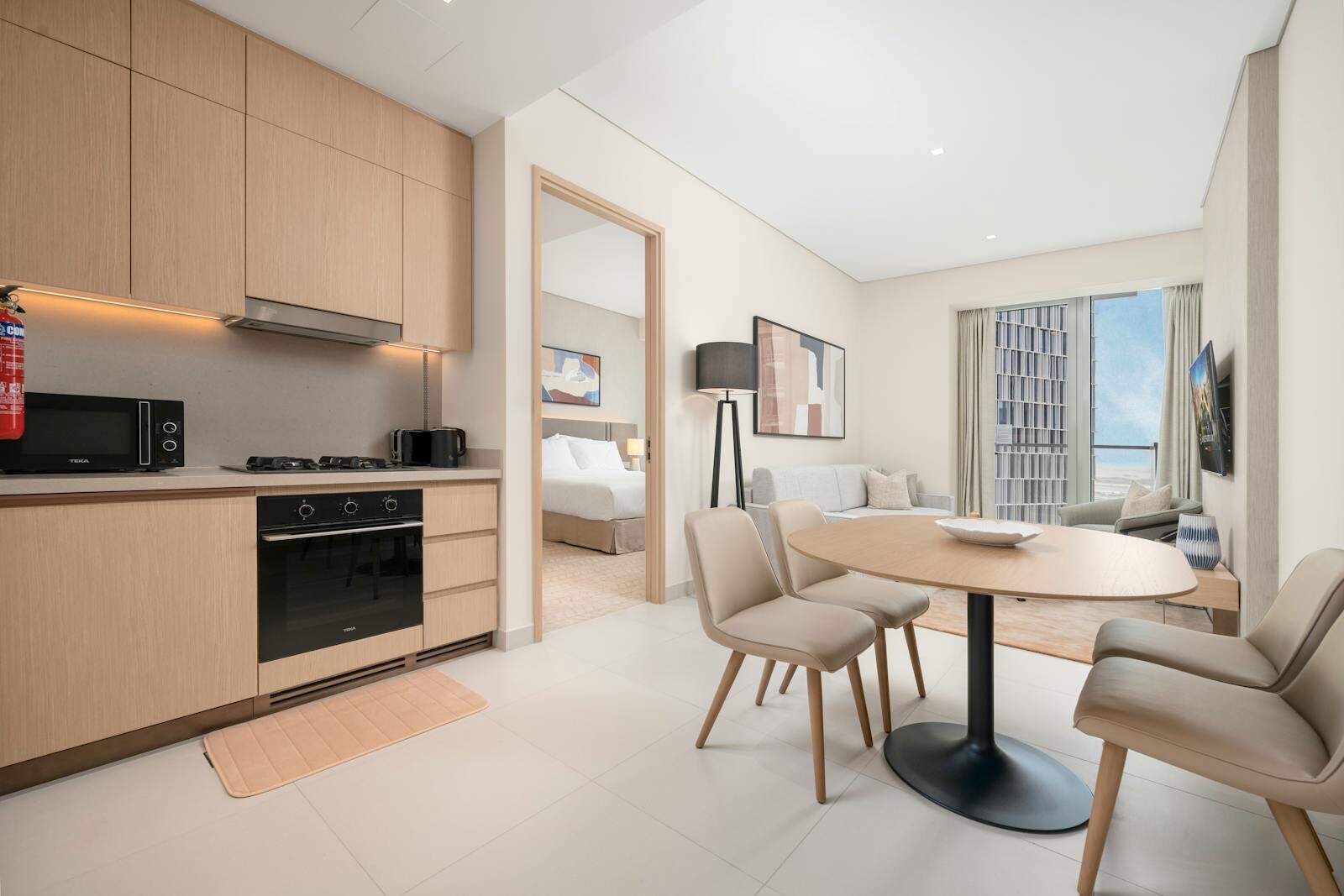
Arizona has become one of the most searched relocation destinations in the country, drawing renters and buyers from California, Seattle, and beyond with its sunshine, job growth, and relatively accessible housing costs. But “relatively affordable” covers a wide range — a studio in Glendale and a two-bedroom in Scottsdale exist in entirely different financial universes.
Whether you’re moving to Phoenix for a new job, downsizing in Tucson, or simply trying to figure out what your budget can realistically get you in the Grand Canyon State, this guide breaks down exactly how much an apartment costs in Arizona — by size, city, neighborhood, and housing type — so you can plan with confidence.
Average Rent in Arizona by Apartment Size
Across the entire state, Arizona rental prices vary significantly depending on the number of bedrooms you need. As of 2025, the overall average fair market rent for a residential rental property in Arizona is $1,691, with studios averaging $1,155, one-bedrooms at $1,275, two-bedrooms at $1,544, three-bedrooms at $2,084, and four-bedrooms at $2,400.
If you’re focused specifically on apartment-style units rather than all residential property types, the numbers look a bit different. In general, you can expect to pay about $1,104 per month for a studio, $1,341 for a one-bedroom apartment, and around $1,629 for a two-bedroom apartment in Arizona. If you opt for a three-bedroom rental, you could pay $2,112 or more.
| Apartment Size | Statewide Avg. Rent (Fair Market) | Apartments.com Estimate |
|---|---|---|
| Studio | $1,155 | $1,104 |
| 1 Bedroom | $1,275 | $1,341 |
| 2 Bedroom | $1,544 | $1,629 |
| 3 Bedroom | $2,084 | $2,112 |
| 4 Bedroom | $2,400 | — |
Rents vary significantly depending on which city you’re targeting. In Arizona’s larger metropolitan areas such as Phoenix, the average rent prices tend to be higher, while in less dense areas such as Tucson, more affordable options can be found. Here’s a quick snapshot of average one-bedroom rents by major city:
- Phoenix: ~$1,321/month (Apartments.com)
- Scottsdale: ~$1,457/month
- Mesa: ~$1,187/month
- Tucson: ~$903/month, offering the most affordable option among major Arizona cities
- Flagstaff: ~$1,740/month, the most expensive city for one-bedrooms
- Glendale: ~$1,030/month, ranking as the most affordable city in the Phoenix metro for one-bedrooms
Pro Tip: If you’re flexible on location, targeting cities like Glendale, Casa Grande, or Tucson instead of Phoenix or Scottsdale can save you $300–$500 per month on rent without a dramatic sacrifice in amenities.
For a broader look at different types of apartments and how unit style affects what you’ll pay, it’s worth understanding how studios, lofts, and garden-style units are priced differently even within the same city.
Average Apartment Purchase Price in Arizona
If you’re considering buying instead of renting, Arizona’s purchase market tells its own story. In February 2026, home prices in Arizona were down 1.7% compared to last year, selling for a median price of $446,500. That figure covers all property types, but condo and apartment-style units typically come in below the statewide median.
The average cost of a home in Arizona typically ranges from $278,000 for condos to $485,000 for single-family homes, depending on location, size, and market conditions. This makes condos and attached units the most accessible entry point for buyers who want to own rather than rent.
City-by-city purchase prices vary dramatically:
| City | Median Home/Condo Sale Price |
|---|---|
| Arizona (Statewide) | ~$446,500 |
| Phoenix | ~$449,990 |
| Mesa | ~$473,000 |
| Tucson | ~$322,505 |
| Scottsdale | ~$860,000 |
| Sedona | ~$1,202,000 |
Arizona’s median sale price is $447,000 according to Redfin’s monthly housing market data, representing growth of about 0.5% since last year. However, median prices in larger cities like Phoenix, at nearly $449,990, and Mesa, at $473,000, are overall higher than the state average, while prices have skyrocketed in cities like Scottsdale ($860,000) and Sedona ($1,202,000).
Key Insight: Tucson stands out as the most accessible market for buyers. According to Zillow, the median home value in Tucson is around $322,505, with a year-over-year change of –3.6% — meaning prices have softened, giving buyers more negotiating room.
On the supply side, one big change in the Arizona housing market is the increase in housing supply. In June 2025, there were 48,344 homes for sale in Arizona — a 24.7% increase compared to last year. More inventory means more options and less pressure to overbid.
Cost of Renting vs. Buying in Arizona
The rent-versus-buy question in Arizona hinges on where you live, how long you plan to stay, and what mortgage rates are doing. Right now, the math favors renting in high-cost cities like Scottsdale, while buying makes more sense in affordable markets like Tucson or Yuma.
Let’s look at a practical comparison for Phoenix. As of August 2025, the average rent in Phoenix, AZ is $1,321 per month — 19% lower than the national average rent of $1,637/month, making renting in Phoenix more affordable than most cities in the US. On the buying side, a $449,990 home with a 20% down payment at a 6.5% mortgage rate would put your monthly payment around $2,275 — nearly double the average rent.
However, buying builds equity over time. According to various forecasts, the 30-year fixed mortgage rate will end 2025 between 6.0 and 6.5 percent, which could provide some relief to buyers and potentially stimulate the market. If rates drop meaningfully, the monthly cost gap between renting and owning narrows.
| Factor | Renting | Buying |
|---|---|---|
| Avg. Monthly Cost (Phoenix) | ~$1,321 | ~$2,200–$2,500+ |
| Upfront Cost | 1–2 months deposit | 10–20% down payment |
| Flexibility | High (12-month leases) | Low (long-term commitment) |
| Equity Building | None | Yes, over time |
| Maintenance Costs | Landlord’s responsibility | Owner’s responsibility |
| Best For | Short-term stays, flexibility | Long-term stability, investment |
Important Note: When planning a budget while renting an apartment, following the 30% rule can be a helpful guideline. For example, in Tucson, Arizona, you would need an annual income of at least $72,581 — or $6,048.42 per month — to live comfortably. Apply the same 30% rule to any mortgage payment you’re considering to avoid being house-poor.
For renters who want to understand how budgeting strategies work across different housing costs, this guide to cutting everyday costs can help you free up more of your income for housing without sacrificing quality of life. You might also find it useful to explore urban living essentials that make apartment life more efficient and cost-effective.
Cheapest and Most Expensive Neighborhoods in Arizona
Within Arizona’s major cities, neighborhood-level pricing can swing by hundreds of dollars per month. Knowing where the affordable pockets are — and which areas command a premium — is essential before you start apartment hunting.
Most Affordable Neighborhoods
The most affordable neighborhoods in Phoenix include Greenway Manor, where the average one-bedroom apartment rent goes for $900, Encanto at $944 on average, and North Mountain at $962. South Phoenix and South Mountain also offer one-bedroom apartments for around $964.
Based on current rent prices, Stardust Skies, Northern Village, and Elm Acres are among the most affordable neighborhoods in Phoenix.
Outside of Phoenix, with one-bedroom apartments averaging $1,010 and two-bedroom apartments at $1,270, Yuma remains one of the most affordable cities when considering the cost of living in Arizona.
Most Expensive Neighborhoods
Based on current rent prices, Cimarron, Knoell Garden Groves, and Squaw Peak Vista are among the most expensive neighborhoods in Phoenix.
The most expensive neighborhood in Phoenix is Kierland, where the average rent for a one-bedroom apartment reaches $5,062. This is a luxury outlier — most upscale Phoenix neighborhoods fall in the $2,000–$3,000 range.
At the city level, the most expensive cities in Arizona to live are Paradise Valley, Scottsdale, and Flagstaff. Flagstaff, known for its scenic beauty and outdoor lifestyle, comes with a higher price tag than many other parts of Arizona. The average rent for a one-bedroom apartment is about $1,745, and a two-bedroom averages $2,002, both of which are well above the state’s average. This is likely due to Flagstaff’s desirable location near national parks, its cooler climate, and the proximity to Northern Arizona University.
Common Mistake: Many renters focus solely on rent price without factoring in utility costs. The average monthly cost of utilities in Arizona is $248.44, including electricity, fuel, and water. However, depending on where you live in Arizona, utility costs will vary — Tucson’s average cost for basic utilities is $299.96, while the average monthly cost in Scottsdale is $284.44. Always budget for utilities on top of your base rent.
If you’re open to sharing space to reduce costs, check out what apartment-friendly living arrangements look like in practice, or browse our breakdown of apartment types to find the style that fits your budget and lifestyle.
What Affects Apartment Prices in Arizona
Arizona apartment prices aren’t random — they’re driven by a predictable set of factors. Understanding these variables helps you negotiate better, time your search strategically, and avoid overpaying.
Location and Proximity to Employment
Apartments near major employment hubs like downtown Phoenix, the Scottsdale Airpark, or the University of Arizona in Tucson consistently command higher rents. The state’s favorable climate, lifestyle, and sunny desert neighborhoods have attracted movement into Phoenix and other Arizona cities from more expensive cities like Seattle, Los Angeles, and San Francisco, which has increased demand — and prices — in desirable urban neighborhoods.
Population Growth and Migration
Arizona has been a popular destination for people moving from other states, especially from California. According to recent data, Phoenix is the second most popular destination for people moving from other metro areas, with a net inflow of 6,300 between May and July 2025. This consistent migration pressure keeps demand elevated, particularly in Phoenix and its suburbs.
Climate and Seasonal Demand
When considering the cost of living in Arizona, utilities are an important factor to budget for. With the state’s hot desert climate, air conditioning is a necessity for much of the year, often making electricity one of the higher utility costs. In cities like Flagstaff, the cooler mountain climate and access to outdoor recreation add a premium to rents year-round.
Apartment Type and Amenities
Newer construction with resort-style amenities — pools, fitness centers, co-working spaces — will always cost more than older garden-style complexes. The largest share of rentals in Phoenix (47%) fall between $1,001–$1,500 per month, suggesting that most renters successfully find suitable apartments within this price range without needing luxury features.
Housing Supply
When inventory rises, rents soften. The average rent for an apartment in Phoenix is $1,476, a 2.25% decrease compared to the previous year, when the average rent was $1,510 — a direct result of new apartment construction adding supply to the market. Additionally, many homeowners invest in solar panels to offset electricity costs, which can be a savvy move in this sun-soaked state — and some landlords pass these savings along to tenants through lower utility bills.
Before you sign a lease, it’s also worth being aware of Arizona’s unique desert environment — especially if you’re considering ground-floor units or properties with landscaped outdoor spaces.
Is Arizona Affordable Compared to the Rest of the US?
The short answer: yes, but the gap is narrowing. With its growing popularity, the cost of living in Arizona has crept up in major metro areas over the past few years. Still, when you stack Arizona against coastal states and other Sun Belt metros, it holds up reasonably well.
Arizona vs. National Average Rent
As of 2025, the overall average fair market rent for a residential rental property in Arizona is $1,691. Comparatively, this figure is above the national average rent of $1,274, in which Arizona ranks as the 17th highest rent among all 51 states. So while Arizona isn’t the cheapest state, it’s far from the most expensive.
Within that context, as of August 2025, the average rent in Phoenix is $1,321 per month — 19% lower than the national average rent of $1,637/month, making renting in Phoenix more affordable than most cities in the US.
Arizona vs. Neighboring States
The comparison with California is particularly stark. Arizona is cheaper than California. A one-bedroom apartment in Tucson costs $903, while a one-bedroom in San Diego costs $1,962 and one in Los Angeles costs $1,853. Even Scottsdale’s one-bedroom average of $1,457 undercuts both California cities.
| Location | Avg. 1-Bedroom Rent |
|---|---|
| Tucson, AZ | $903 |
| Phoenix, AZ | ~$1,321 |
| Scottsdale, AZ | $1,457 |
| San Diego, CA | $1,962 |
| Los Angeles, CA | $1,853 |
Income vs. Housing Costs
According to U.S. Census Bureau data, the median income in Arizona is $72,581 per year, or approximately $5,515.50 per month. With Phoenix’s average one-bedroom rent at $1,321, a median-income earner spends roughly 24% of their gross income on rent — comfortably under the 30% guideline. That said, with the average rent for a two-bedroom apartment in cities like Phoenix hovering around $1,600 per month, you’ll need to earn approximately $64,000 annually to meet this guideline. However, if you plan to live in more expensive areas like Scottsdale or Flagstaff, where rent can be significantly higher, your required income may increase to $90,000 or more.
For a comparison of how Arizona apartment costs stack up against international markets, see our breakdown of apartment costs in Kathmandu — a useful perspective on just how much housing costs vary globally.
Tips for Finding an Apartment in Arizona
Armed with the right strategy, you can find a quality apartment in Arizona without stretching your budget to its limits. Here are the most practical steps to take before and during your search.
1. Set a Realistic Budget Using the 30% Rule
Because the average rent in Phoenix is $1,321, you’ll want to make about $4,403 per month or $52,836 per year. The general guideline is to pay no more than 30 percent of your monthly income on rent. Calculate your number before you start browsing listings — it keeps you anchored when you encounter tempting luxury units above your range.
2. Target Off-Peak Seasons
Arizona’s rental market follows seasonal patterns. Winter months bring an influx of snowbirds and seasonal renters, which can temporarily tighten inventory and push prices up in cities like Scottsdale and Tucson. Typically, from August to December is the best time to buy when supply is high and demand is low — the same logic applies to renting, as landlords are more willing to negotiate during slower periods.
3. Explore Adjacent Neighborhoods
If your target neighborhood is priced out of reach, look one or two zip codes over. The most affordable neighborhoods in Phoenix include Greenway Manor ($900 for a one-bedroom), Encanto ($944), and North Mountain ($962) — all significantly below the Phoenix average of $1,120. A short commute can save you hundreds of dollars monthly.
4. Factor in All Costs, Not Just Rent
Monthly rent is only part of your housing cost. Budget separately for utilities, renter’s insurance, parking, and pet fees. In Phoenix, you can expect to pay 3.0% more for groceries, 7.4% more for utilities, and 5.3% more for transportation compared to the national average — so build those line items into your monthly budget from the start.
Pro Tip: Always ask whether utilities are included in the rent before signing. In Arizona’s summer heat, air conditioning costs alone can add $150–$300 to your monthly expenses — a detail that can make a “cheaper” unit more expensive than it appears.
5. Use Multiple Platforms and Act Fast
Use Apartments.com, Zillow, Zumper, and RentCafe simultaneously to compare listings across platforms — prices and availability can differ. More homes on the market mean buyers have more options, which can lead to less competition and more negotiating power — the same dynamic applies to renters in a well-supplied market. When you find a unit that fits your budget and needs, move quickly: desirable units in Phoenix and Tucson typically go within days of listing.
6. Negotiate Your Lease Terms
In a softening market, landlords are increasingly open to negotiation. In the past year, rent in Phoenix has decreased by 2.7%, which averages out to $36 less per month. That downward trend gives you leverage — ask for one month free, reduced security deposits, or locked-in rent for a two-year lease term.
7. Check What’s Included in the Unit
Apartment features like in-unit laundry, assigned parking, and pet policies vary widely and affect your total cost of living. Before committing, review our guide to urban living essentials to make sure your next apartment has everything you actually need. If you’re moving with pets, also check out which pets are best suited for apartment living in Arizona’s climate.
Key Insight: Overall, Arizona’s cost of living remains more affordable compared to many other states, making it a great option for many renters. The key is matching your city, neighborhood, and unit type to your actual financial situation — not just the headline average.
Arizona’s apartment market in 2025 rewards renters who do their homework. Rents have eased slightly from their post-pandemic peaks, inventory is growing, and there are genuinely affordable options in every major metro — if you know where to look. Whether you’re targeting a budget-friendly studio in Glendale or a two-bedroom in a walkable Phoenix neighborhood, the data is on your side. Use the numbers in this guide as your baseline, set your budget before you browse, and don’t overlook the smaller cities and neighborhoods where your dollar stretches furthest.