Can You Drink Coffee While Pregnant? What Every Expecting Mom Needs to Know

April 7, 2026
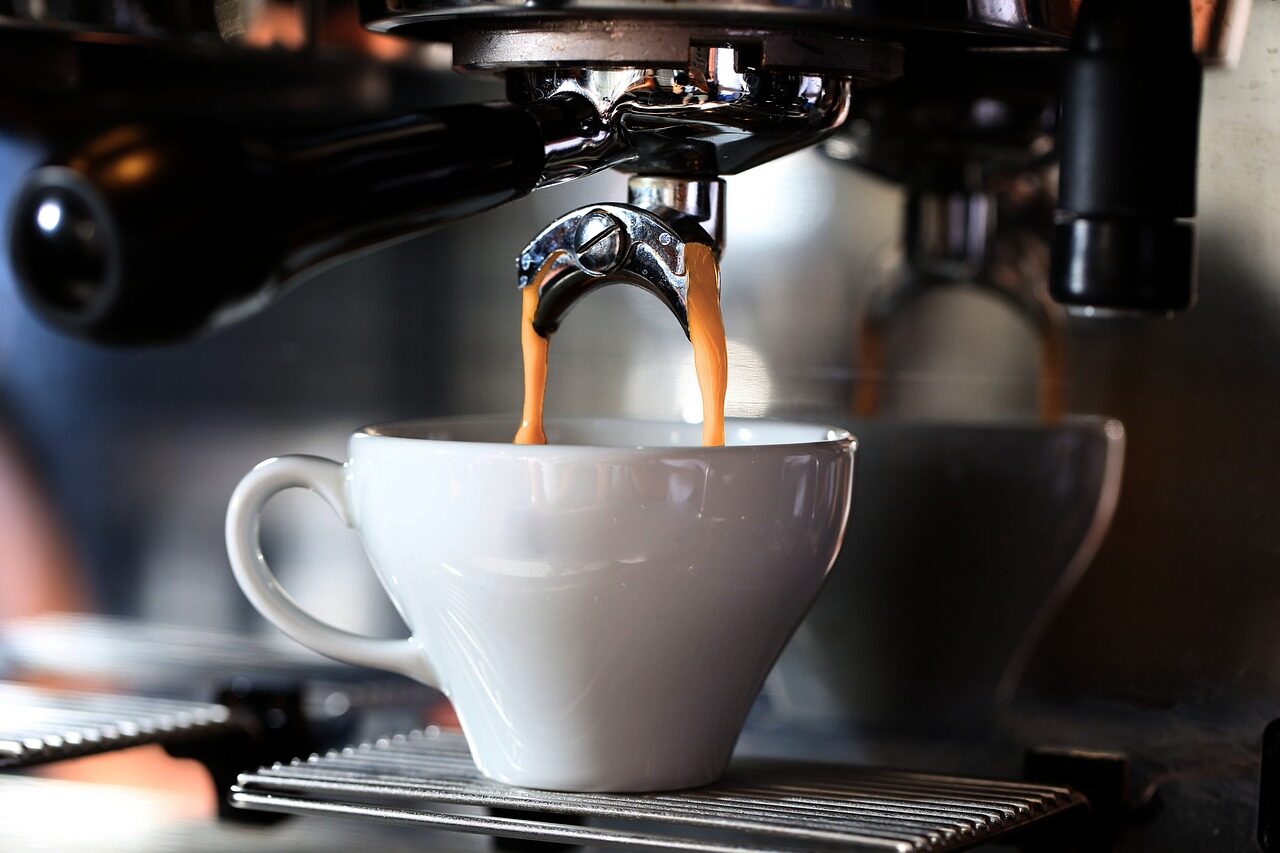
If your first thought after seeing a positive pregnancy test was “Wait — does this mean no more coffee?” — you are absolutely not alone. Coffee is one of the most common concerns that comes up in those early weeks, and the internet does not make it easier to sort out the real answer from the noise.
The good news? You do not have to go cold turkey. But there are some important limits to understand, because what you eat and drink during pregnancy has a direct impact on your baby’s development. This guide gives you the clear, honest answers you need — backed by current research — so you can make confident choices every single day.
The Short Answer
Yes, you can drink coffee while pregnant — as long as you stay within the recommended limits. According to maternal-fetal medicine specialist Dr. Cara Dolin, “YES, you can drink coffee while you’re pregnant — if it’s limited,” because too much caffeine can lead to potentially adverse pregnancy outcomes.
Both the American College of Obstetricians and Gynecologists (ACOG) and the American Pregnancy Organization recommend limiting your caffeine intake to 200 milligrams (mg) per day. One cup of average brewed coffee is about 137 milligrams of caffeine, so if you have just one cup of brewed coffee a day, you should be within the recommended limit.
That is the headline. Now let’s get into what it actually means for your daily cup — and when you need to be more careful.
Pro Tip: The 200 mg daily limit is a total — not just from coffee. Tea, chocolate, soda, and even some medications count toward it. Track everything, not just your morning mug.
Why It’s a Concern
Caffeine is not just a pick-me-up for you — it reaches your baby too. When you have caffeine during pregnancy, it passes through the placenta to your baby — the organ that grows in your uterus and supplies the baby with food and oxygen through the umbilical cord.
As licensed midwife Shar La Porte explains, caffeine crosses the placenta and has been found in amniotic fluid and fetal blood samples. Because baby’s liver is not fully developed yet, the jolt to their system is greater than it is to yours, and it takes longer for the caffeine to leave their system.
During pregnancy, it can take longer for your body to metabolize caffeine, meaning it stays in your bloodstream longer than usual. Providers refer to the time it takes for caffeine to leave your bloodstream as “caffeine clearance” — the slower your caffeine clearance, the longer you will feel its effects.
There are also a few specific physical side effects worth knowing about. Caffeine slightly increases your blood pressure, heart rate, and the amount of urine your body makes. It may cause you to feel jittery, have indigestion, or have trouble sleeping — and during pregnancy, you may be especially sensitive to caffeine because it may take you longer to clear it from your body. It may also make you feel nauseous or lightheaded.
Coffee can also affect your iron levels. Decaf and regular coffee may interfere with iron absorption, which is vital during pregnancy. If you are already managing low iron, this is especially worth discussing with your provider. For a broader look at nutrients that support your health, understanding key food-based nutrients can be a helpful starting point.
Important Note: Caffeine’s diuretic effect means it pulls fluid from your body. Since caffeine can be a diuretic that expels water through urine, this can make you more dehydrated — especially during pregnancy. Make sure you drink plenty of water, especially alongside coffee.
What the Research Actually Says
The science on caffeine and pregnancy is more nuanced than most headlines suggest — and it is worth understanding why.
ACOG’s official position is that research suggests moderate caffeine consumption — less than 200 milligrams per day — does not cause miscarriage or preterm birth. That is the amount in one 12-ounce cup of coffee.
But not every researcher agrees. One review, based on 48 studies over 20 years, concluded that even minimal caffeine intake raised the risk of miscarriage, stillbirth, or low birth weight — though experts said the warnings were alarmist and flew in the face of studies showing moderate amounts were safe.
Part of the challenge is that the data is genuinely complicated. Women who drink a lot of coffee in pregnancy are often different in other ways — in one large Norwegian study, higher caffeine intake was linked to being older than 30, having had more than one baby, eating more calories, and being more likely to smoke. Women with very high caffeine intake were also more likely to have low education, have been obese before pregnancy, and have partners who were obese and smokers. This makes it hard to isolate caffeine as the sole cause of any outcome.
A 2023 integrative review found associations between caffeine intake and pregnancy loss, low birth weight, cardiac and genital anomalies, higher body mass, and neurodevelopmental outcomes — and the effects were often dose-dependent.
Caffeine consumption does not appear to make preterm birth more likely, though a BMJ study did report an excess of fetal death in the second half of pregnancy in Danish women who drank eight or more cups of coffee a day.
Key Insight: The consistent theme across research is dose. Moderate intake (under 200 mg/day) shows little to no established harm in most major studies. It is high and excessive intake where risks become clearer and more consistent.
The bottom line: the current mainstream medical consensus supports up to 200 mg per day as a reasonable limit. Dr. Christopher Zahn of ACOG has stated there is no need for immediate change to current guidance, noting that “moderate caffeine consumption, less than 200 mg per day, does not appear to be a major contributing factor in miscarriage or preterm birth.”
How to Do It Safely
Staying within safe limits is very doable once you know what you are actually dealing with. Here is everything you need to manage your intake confidently.
Know Your Caffeine Numbers
Not all coffee is created equal. In terms of caffeine content by brew type, espresso has the highest, followed by nitro cold brew, cold brew, brewed coffee, drip coffee, and then instant. Eight ounces of drip coffee contains 70–140 mg of caffeine, while 1.5 ounces of espresso has 60–80 mg — meaning a double shot of espresso is roughly equivalent to one cup of drip coffee.
Here is a quick snapshot of common coffee drinks:
- Brewed/drip coffee (8 oz): 95–165 mg
- Espresso (1 oz shot): 47–64 mg
- Latte (8 oz): 63–126 mg
- Cold brew (8 oz): Often 150–200+ mg — handle with care
- Decaf (8 oz): 2–15 mg
Since cold brew coffee is often double the caffeine of regular coffee, it is best to stick to small sizes — and ask about caffeine content when ordering, or dilute it with milk or water.
To put things in perspective: a Starbucks grande brewed coffee is 16 ounces and contains over 330 mg of caffeine — already over your daily max in a single cup.
Safe Prep Methods and Smart Modifications
You do not have to give up the ritual of coffee — just modify it. Choosing a latte is a smart move: it gives you a sizable portion of liquid to sip, but you are generally drinking less coffee — usually around one or two shots of espresso.
A few practical tips that make a real difference:
- Go smaller: Swap your 16 oz mug for an 8–10 oz cup to naturally reduce caffeine without giving up the habit.
- Blend with decaf: Start mixing decaffeinated coffee with regular coffee to taper down your intake gradually.
- Drink between meals: Drink coffee between meals, not with meals, and pair iron-rich foods like beef, eggs, and lentils with vitamin C sources like oranges, peppers, and strawberries to protect iron absorption.
- Cut off by early afternoon: Skip caffeine after lunchtime if you have a hard time sleeping during pregnancy.
- Choose Swiss Water decaf when going decaf: The safest decaf coffee for pregnancy uses the Swiss Water Process or CO₂ extraction — these methods avoid chemical solvents like methylene chloride, and Swiss Water decaf removes 99.9% of caffeine using only water.
Trimester Differences
Your caffeine sensitivity is not the same throughout pregnancy — and neither are the risks.
First Trimester: Early pregnancy is when most people feel extra tired, so coffee can feel especially helpful. However, it is also when miscarriage risk is highest. Some research suggests a link between high caffeine intake (over 300 mg/day) and early pregnancy loss — so stick to one small cup a day and talk to your care provider if you are unsure.
Second Trimester: Many women find their nausea eases and their tolerance improves. The 200 mg daily limit still applies. The rate at which caffeine is metabolized decreases during pregnancy, especially after the first trimester — the half-life of caffeine in your system increases from 2.5–4.5 hours before pregnancy to around 15 hours toward the end.
Third Trimester: You should not increase your caffeine consumption in the third trimester. Although there seem to be fewer serious risks, researchers are still not entirely sure of the effect of caffeine on a developing fetus, so it is generally recommended to keep consumption below 200 mg for the duration of the pregnancy.
Pro Tip: Be sure to let your doctor or midwife know how much caffeine you usually drink or eat so they can help guide you toward the right caffeine intake level for your specific situation.
When to Avoid It Completely
For most healthy pregnancies, moderate coffee is considered safe. But there are specific situations where cutting caffeine out entirely is the smarter, safer choice.
- History of miscarriage or pregnancy loss: If you have experienced recurrent pregnancy loss, many providers recommend avoiding caffeine altogether — especially in the first trimester when risk is highest.
- High-risk pregnancy: Conditions like preeclampsia, placenta previa, or preterm labor risk may make caffeine an added stressor your body does not need.
- Pregnancy-induced hypertension: Decaf has minor effects on heart rate and blood pressure, but is still not recommended in cases of pregnancy-induced hypertension or preexisting heart conditions.
- Severe nausea or acid reflux: Essential oils in coffee can stimulate acid production, increasing nausea and heartburn — especially in the morning during the first trimester. If coffee is making your morning sickness worse, this is your body telling you something.
- Extreme caffeine sensitivity: Some people find they become more sensitive to caffeine during pregnancy, reporting that even small amounts make them feel jittery and anxious. If that is you, it is perfectly reasonable to skip it entirely.
- On certain medications: Caffeine can interfere with some medications, including mental health drugs or medicines for HIV/AIDS. Always check with your doctor if you are managing any ongoing conditions.
It is also worth knowing that some coffee alternatives carry their own risks. Chicory coffee, for instance, is not recommended for pregnant women given concerns about miscarriage. And when it comes to beverages to avoid during pregnancy, energy drinks deserve special mention — some energy drinks contain large amounts of caffeine (a 24-ounce energy drink may have up to 500 mg), a lot of sugar, and ingredients that may be harmful to your baby, so it is best not to have them when you are pregnant.
When it comes to making smart food and drink choices overall during pregnancy, the guiding principle is the same: when in doubt, talk to your provider before consuming anything you are unsure about.
Quick Reference Chart
Use this at a glance to know where your favorite coffee drinks stand during pregnancy.
| Drink / Source | Typical Caffeine | Pregnancy Status | Notes |
|---|---|---|---|
| Brewed drip coffee (8 oz) | 95–165 mg | ✅ Safe (with limits) | Stay under 200 mg total daily |
| Espresso (1 shot / 1 oz) | 47–64 mg | ✅ Safe (with limits) | 1–2 shots generally fine |
| Latte / Cappuccino (8 oz) | 63–126 mg | ✅ Safe (with limits) | Good lower-caffeine option |
| Cold brew (8 oz) | 150–200+ mg | ⚠️ Use Caution | Often 2x regular coffee; dilute or go small |
| Nitro cold brew | 200–300+ mg | ❌ Avoid or strictly limit | Very high caffeine concentration |
| Decaf coffee (8 oz) | 2–15 mg | ✅ Generally safe | Choose Swiss Water Process; still count toward total |
| Black tea (8 oz) | ~48 mg | ✅ Safe (with limits) | Counts toward daily total |
| Green tea (8 oz) | ~29 mg | ✅ Safe (with limits) | Lower caffeine; antioxidant benefits |
| Energy drinks | 80–500 mg | ❌ Avoid | High caffeine + unknown additives |
| Dark chocolate (1.5 oz) | ~35 mg | ⚠️ Use Caution | Counts toward total; enjoy in moderation |
| Milk chocolate (1.5 oz) | ~9 mg | ✅ Safe in moderation | Low caffeine but watch added sugar |
| Chicory coffee | 0 mg caffeine | ❌ Avoid | Linked to miscarriage concerns despite no caffeine |
| Peppermint / ginger herbal tea | 0 mg | ✅ Safe | Caffeine-free and pregnancy-friendly |
Common Mistake: Assuming “decaf” means zero caffeine. “Decaf” means at least 97% of the caffeine has been removed — but a small amount remains. A brewed cup of decaf contains about 2.4 mg of caffeine, and a decaf espresso about 0.6 mg. It is minimal, but it still counts if you are drinking multiple cups.
Frequently Asked Questions
Can I drink coffee in the first trimester?
Yes, but be especially cautious. The first trimester is when miscarriage risk is naturally highest, and some studies have linked higher caffeine intake during this period to increased risk. Keep it to one small cup per day and run it by your OB or midwife. Not all herbal teas are considered safe to drink during pregnancy, but peppermint and ginger teas are commonly recommended options if you want to swap out your morning cup temporarily.
Does the type of roast matter?
In general, the roast of the coffee does not matter much — light roast only has slightly more caffeine than dark roast. What matters more is the brew method and serving size.
Is decaf coffee completely safe during pregnancy?
Decaf coffee is most likely safe to drink in moderation during pregnancy due to its very low caffeine content. Current research does not show strong evidence that moderate decaf coffee intake increases pregnancy risks — guidance from ACOG indicates that pregnancy concerns are linked to high total caffeine intake, not the very small amounts found in decaffeinated coffee. That said, if you have a high-risk pregnancy, check with your provider.
What if I accidentally had more than 200 mg one day?
Do not panic. One day slightly over the limit is not cause for alarm. The concern is with consistently high intake over time, not an isolated incident. Simply get back on track the next day and be more mindful of hidden caffeine sources.
Can caffeine affect my baby’s sleep patterns?
Drinking too much coffee while pregnant can cause baby’s heart to beat very fast and lead to arrhythmia or irregular heart rhythm. If you drink large quantities, caffeine during pregnancy can make babies become dependent on it and, when born, they can be very irritable and exhibit withdrawal symptoms. This is another strong reason to stay within the 200 mg daily limit.
Does caffeine affect breastfeeding too?
The American Academy of Pediatrics says it is safe for breastfeeding moms to have caffeine. A small amount of caffeine does get into breast milk, so limit caffeine if you are breastfeeding — breastfed babies of women who drink more than 2 to 3 cups of coffee a day may become fussy or have trouble sleeping.
Are there any naturally energizing foods I can eat to reduce my need for coffee?
Absolutely. Nutrient-dense whole foods that support steady energy include complex carbohydrates, iron-rich proteins, and foods high in B vitamins. You might also explore plant-based whole foods as a way to support sustained energy without relying on caffeine. And if brain fog is your main complaint, foods that support brain health may be worth exploring as part of your pregnancy diet.
Pregnancy comes with a lot of rules — and coffee does not have to be one of the things you dread. With the right information and a little mindfulness about your daily intake, most expecting moms can keep their morning ritual going safely. As always, your OB, midwife, or registered dietitian is your best resource for guidance tailored specifically to your pregnancy.
This information is for educational purposes only and is not intended as medical advice. Always consult with a qualified healthcare professional before making health decisions during pregnancy.