Can You Eat Mozzarella While Pregnant? What You Actually Need to Know

April 7, 2026
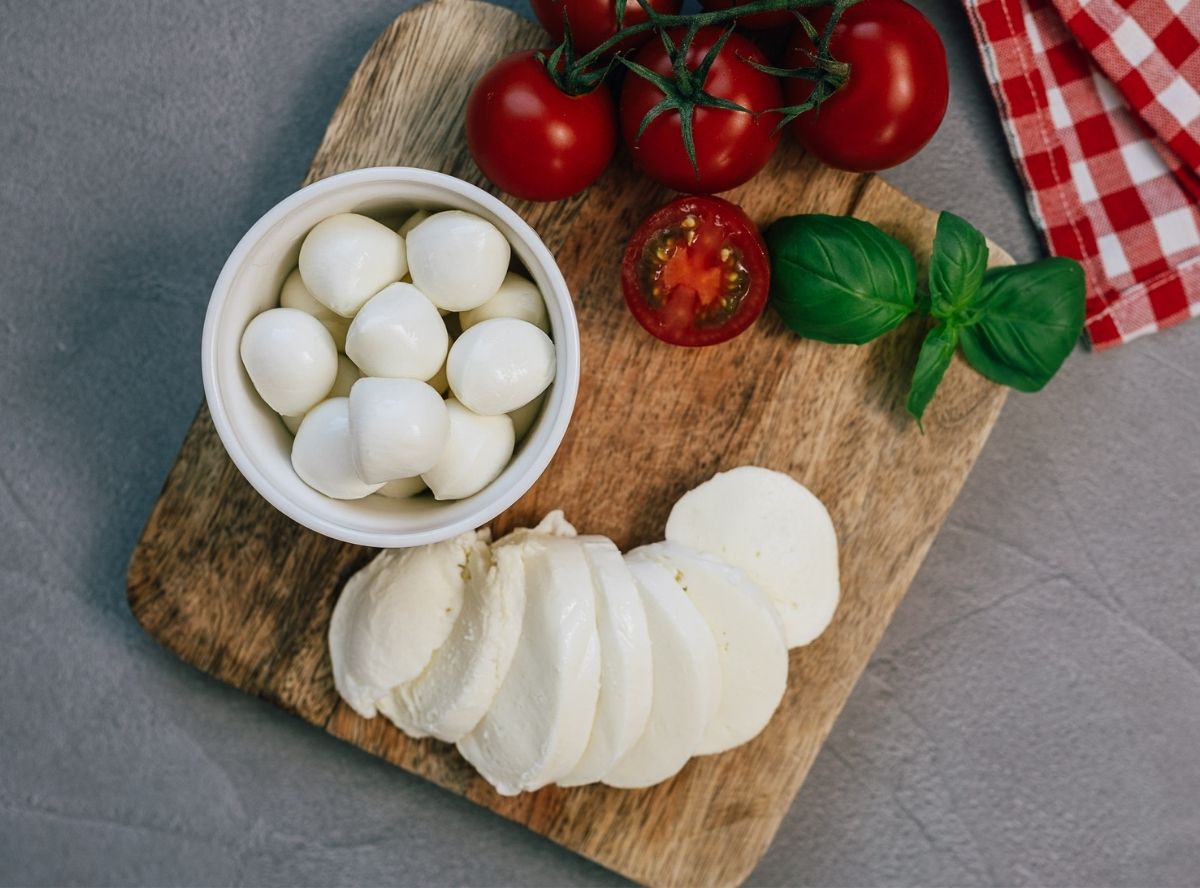
Pregnancy food rules can feel overwhelming, and mozzarella — that stretchy, melty cheese you love on pizza and caprese salads — is one that causes a lot of unnecessary anxiety. You’ve probably heard that soft cheeses are off the table during pregnancy, and now you’re wondering if your favorite cheese made the banned list.
Good news: it almost certainly didn’t. But there are a few important details that determine whether the mozzarella in front of you is a safe yes or a hard no. This guide breaks it all down clearly so you can eat with confidence — or know exactly when to skip it.
Medical Disclaimer: This article is for informational purposes only and is not intended as medical advice. Always consult your OB-GYN, midwife, or healthcare provider about your specific dietary needs during pregnancy.
The Short Answer
All mozzarella made from pasteurized milk is almost universally safe for you to eat while pregnant. That covers the vast majority of what you’ll find at any grocery store in the US, UK, Canada, and Australia.
Mozzarella is generally safe to consume during pregnancy so long as it is made from pasteurized milk, and almost all of the mozzarella sold in the U.S. undergoes this heat treatment designed to remove harmful bacteria. So if you’ve been avoiding your favorite pizza out of caution, you can likely relax.
The one situation where you need to be careful: mozzarella made from unpasteurized (raw) milk. That version carries real risk, and you’ll want to know how to spot it. More on that below.
Why It’s Safe — With One Important Condition
Mozzarella gets lumped in with “soft cheeses to avoid” during pregnancy, but that’s an oversimplification. The actual concern isn’t the texture of the cheese — it’s whether the milk used to make it was pasteurized.
Choosing pasteurized mozzarella is critical because the risks of eating soft cheese in pregnancy come down to one offending bacteria in particular: listeria. When unpasteurized or raw milk is used to make soft cheeses, listeria has more opportunity to grow and potentially cause infection.
Unpasteurized dairy products pose a risk during pregnancy due to the potential presence of harmful bacteria, particularly Listeria monocytogenes — a bacterium that can cause a foodborne infection called listeriosis. Pregnant women are at an increased risk of contracting listeriosis because pregnancy weakens the immune system, making it harder for the body to fight off infections.
Pasteurized mozzarella is considered safe to eat, even for pregnant women, as the pasteurization process eliminates the risk of pathogens. That’s the key distinction. Pasteurized = safe. Unpasteurized = avoid.
Key Insight: Mozzarella is actually considered safer than many other soft cheeses during pregnancy. Mozzarella is considered safer than many other soft cheeses, such as brie, camembert, and blue cheese, which are often made with unpasteurized milk.
What the Research Actually Says
Health authorities across the board agree on this issue. According to the British National Health Service (NHS), mozzarella made from pasteurized milk is considered a safe cheese for pregnant women. This is also confirmed by the European Food Safety Authority (EFSA), which emphasizes the importance of pasteurization in protection against listeriosis.
Both the FDA and FSANZ do not recommend the consumption of raw milk mozzarella during pregnancy. This consistent guidance across multiple countries and regulatory bodies reflects strong scientific consensus — pasteurized mozzarella is safe; raw milk mozzarella is not.
Beyond safety, the research also shows that mozzarella actually delivers meaningful nutritional benefits during pregnancy:
- Calcium: Calcium is a key player in bone health. Your body also funnels calcium to your unborn baby, helping them grow bones and teeth. With 200 mg per 1-ounce serving, mozzarella can provide a substantial chunk of this mineral.
- Protein: Mozzarella shines in its high protein content of 7 grams per 1-ounce serving. Researchers suggest about 1.2 g of protein per 1 kg body weight during early pregnancy and about 1.5 g/kg during the later stages of pregnancy.
- Vitamin B12: This vitamin is vital for the development of your baby’s brain and nervous system, as well as for maintaining your own energy levels.
- Phosphorus & Selenium: Mozzarella provides phosphorus, necessary for bone health, and selenium, an antioxidant that supports immune function.
- Lower sodium: As cheeses go, mozzarella is a relatively low-sodium option, with approximately 7 percent of your daily value per ounce. If you’re on a low-sodium diet due to preeclampsia or other concerns, a bit of the stretchy stuff can be a smart choice for satisfying that cheese craving.
Some research even suggests additional benefits: some studies suggest that mozzarella, particularly cheese from grass-fed animals, may contain small amounts of conjugated linoleic acid (CLA), which has been associated with potential health benefits, including anti-inflammatory and antioxidant properties.
How to Eat It Safely
Knowing mozzarella is generally safe is one thing — knowing exactly how to handle it during pregnancy is another. Here’s a practical breakdown.
Always Check the Label
When purchasing mozzarella cheese, it is advisable to check the label or product information to determine whether it is pasteurized or not. Look for the words “pasteurized milk” in the ingredients. If you’re eating out, don’t hesitate to ask your server where the cheese comes from and whether it’s pasteurized.
Sticking to packaged mozzarella might be an easier option during pregnancy, as you can simply check the label to figure out if it is made with pasteurized milk or not.
Use Heat as Your Backup Plan
Not 100% sure about the mozzarella you have? Cook it. Thoroughly cooking any type of cheese until steaming hot will destroy any harmful pathogens that may be present in it. Most harmful bacteria like Listeria do not survive temperatures above 75°C/165°F.
Mozzarella on pizza is completely safe even during pregnancy due to the high temperature during baking — regardless of what milk it was made from. The temperature in the oven reaches levels that listeria cannot survive. So your pregnancy pizza cravings? Fully approved.
Pro Tip: If you’re ordering at a restaurant and can’t verify the mozzarella’s pasteurization status, ask for it cooked — on a pizza, in a pasta bake, or melted into a dish. The heat eliminates the risk entirely.
Serving Sizes and Frequency
Mozzarella prepared using pasteurized milk can be eaten during pregnancy and should be consumed, based on the indications of the Mediterranean diet, 2–3 times a week.
A reasonable portion size of mozzarella is about 1.5 to 2 ounces per serving. For a well-rounded meal, pair mozzarella with fiber-rich vegetables, whole grains, or fruits. This can help balance out the fat content of the cheese and provide additional essential nutrients for both you and your baby.
Trimester-by-Trimester Breakdown
The good news is that the guidance on mozzarella doesn’t change much across trimesters, as long as it’s pasteurized:
- First Trimester: You can enjoy mozzarella cheese during your first trimester. It provides important nutrients like calcium and protein essential for your baby’s development. Just ensure it’s made from pasteurized milk to avoid any risk of harmful bacteria.
- Second Trimester: Mozzarella cheese is safe to consume in the second trimester. It supports your growing baby’s bone and teeth development.
- Third Trimester: Pasteurized mozzarella remains safe. When you are close to term and the size of the uterus reduces the stomach’s capacity, it may not be easy to eat a whole pizza — but smaller portions of mozzarella as part of balanced meals are perfectly fine.
Storage Matters Too
Always ensure that mozzarella cheese is fresh. Eating cheese past its expiration date increases the risk of consuming harmful bacteria. Additionally, properly store your mozzarella to avoid any contamination.
Beyond concerns of pasteurization, use your senses to assess the safety of any questionable cheese. If the mozzarella has a foul odor or any visible mold, don’t eat it. Especially during pregnancy, it’s smart to follow the old food spoilage adage: When in doubt, throw it out.
For more on foods and beverages to avoid during pregnancy, that resource covers the broader picture of pregnancy-safe eating.
When to Avoid It Completely
There are specific situations where you should skip the mozzarella entirely — no exceptions.
Unpasteurized or Raw Milk Mozzarella
Most commercially available mozzarella is made from pasteurized milk, but always check the label to be sure. If the mozzarella is made from unpasteurized (raw) milk, avoid it during pregnancy.
Mozzarella from farmers’ markets, small dairies, or imported directly from Italy may be made from unpasteurized milk — and in such cases, it is better to avoid it. This is especially relevant if you’re traveling, dining at specialty restaurants, or buying from artisan cheese counters. When in doubt, ask — and if you can’t confirm it’s pasteurized, skip it or ask for it cooked.
Important Note: Raw milk may contain bacteria such as Campylobacter, E. coli, Listeria, Salmonella, or the bacteria that causes tuberculosis. To avoid these foodborne illnesses, only consume pasteurized milk and milk products.
Burrata and Stracciatella
Stracciatella and burrata have a creamy texture and are often made from mozzarella and cream. If the cream is not pasteurized, they can be risky for pregnant women. It’s safe to eat burrata made with pasteurized milk when pregnant. Burrata is made of mozzarella cheese with cream on the inside, so all burrata ingredients must be pasteurized for it to be safe. Always check the label.
Fresh Caprese Salad with Unknown Mozzarella
With fresh salads, such as caprese (tomato, mozzarella, basil, olive oil), more caution is needed. In this case, mozzarella is not heat-treated, and if it is not made from pasteurized milk, it can be risky. Similarly, sandwiches or baguettes with fresh mozzarella may be potentially unsuitable during pregnancy if you do not know the origin of the milk.
Cheese That’s Past Its Prime
Even pasteurized mozzarella becomes unsafe if it’s been improperly stored or has gone past its use-by date. Always ensure that mozzarella cheese is fresh. Eating cheese past its expiration date increases the risk of consuming harmful bacteria.
Explore more about whole plant-based foods that can complement a nutrient-rich pregnancy diet, or learn about superfoods for a healthy heart to round out your eating plan.
Quick Reference Chart
| Mozzarella Type | Status | Notes |
|---|---|---|
| Packaged supermarket mozzarella (pasteurized) | ✅ Safe | Check label for “pasteurized milk” — nearly always safe |
| Shredded mozzarella (packaged) | ✅ Safe | Buy from reputable brands; store correctly in fridge |
| Mozzarella on cooked pizza | ✅ Safe | High oven temps kill any bacteria regardless of pasteurization |
| Mozzarella in baked pasta, lasagna, casseroles | ✅ Safe | Cooking to 165°F eliminates listeria risk |
| Fresh pasteurized mozzarella (caprese, salads) | ✅ Safe | Confirm pasteurization on label before eating cold/raw |
| Burrata (pasteurized) | ✅ Safe | Must confirm ALL ingredients — including cream — are pasteurized |
| Artisan/farmers’ market mozzarella | ⚠️ With Caution | Ask about pasteurization; cook it if unsure |
| Restaurant mozzarella (pasteurization unknown) | ⚠️ With Caution | Ask your server; request it cooked if uncertain |
| Fresh mozzarella imported from Italy (raw milk) | ⚠️ With Caution | Traditional versions may be unpasteurized — confirm or cook |
| Raw/unpasteurized mozzarella (any type) | ❌ Avoid | Listeria risk — avoid unless thoroughly cooked to 165°F |
| Mozzarella past its expiration date | ❌ Avoid | Increased bacterial risk even if originally pasteurized |
| Mozzarella with visible mold or off odor | ❌ Avoid | When in doubt, throw it out |
You can also check out this guide on foods that boost brain health — many of which pair beautifully with a mozzarella-inclusive pregnancy diet. For a broader look at powerful nutrients found in everyday foods, that’s another helpful read for building a well-rounded diet.
Frequently Asked Questions
Can I eat fresh mozzarella (the kind in water) while pregnant?
Because pasteurization virtually eliminates harmful bacteria, mozzarella made from pasteurized milk is fine to consume during pregnancy, both cooked and in its fresh, uncooked form. As long as it’s made from pasteurized milk, mozzarella (even the softer fresh variety) is almost universally safe for you to eat while pregnant. Just check that label.
Is mozzarella on pizza safe during pregnancy?
Absolutely. Mozzarella on pizza is completely safe even during pregnancy due to the high temperature during baking — regardless of what milk it was made from. The temperature in the oven reaches levels that listeria cannot survive. So if you enjoy homemade pizza with fresh tomatoes, basil, and mozzarella, you can rest easy.
What if I accidentally ate unpasteurized mozzarella?
Don’t panic. The risk of getting sick is very small. Contact your midwife if you develop a fever or stomach symptoms. Most people who consume unpasteurized cheese during pregnancy experience no issues — but it’s still best to avoid it going forward and let your provider know if you develop any symptoms.
Is buffalo mozzarella safe during pregnancy?
It depends entirely on whether it was pasteurized. Mozzarella is a pasta filata cheese that traces its origins back to southern Italy, traditionally made from the milk of water buffaloes or cows. Commercially sold buffalo mozzarella is usually pasteurized, but authentic imported versions may not be. Always check the label, and when in doubt, cook it.
Can I eat mozzarella sticks while pregnant?
Yes — you can eat cooked mozzarella cheese while pregnant. Cooking helps kill bacteria, making it even safer. Enjoy it on pizzas, in casseroles, or melted in sandwiches, ensuring it’s made from pasteurized milk. Mozzarella sticks are fried at high temperatures, which makes them safe even if the pasteurization status is uncertain.
How much mozzarella can I eat per week during pregnancy?
Mozzarella prepared using pasteurized milk should be consumed, based on the indications of the Mediterranean diet, 2–3 times a week. Keep portions to about 1.5–2 ounces per serving, and pair it with vegetables, whole grains, or fruit for a balanced meal. While mozzarella is generally considered one of the safer soft cheeses during pregnancy when pasteurized, it’s still important to consume it in moderation. Overconsumption of cheese, due to its high fat and sodium content, can contribute to excessive weight gain and other pregnancy-related health issues, such as high blood pressure.
Is mozzarella safer than other soft cheeses during pregnancy?
Yes. Mozzarella is considered safer than many other soft cheeses, such as brie, camembert, and blue cheese, which are often made with unpasteurized milk. As long as it’s pasteurized, mozzarella is one of the safer soft cheese options for pregnant women. Unlike mold-ripened soft cheeses, mozzarella doesn’t carry that additional risk factor.
For more pregnancy nutrition guidance, explore fibroid-healing foods and foods for healthy skin — both useful reads for supporting your body during and after pregnancy. You may also find the guide on the pros and cons of eating seafood helpful, since seafood is another common pregnancy food question.